

Introduction: The Evolution of Kratom Drinks
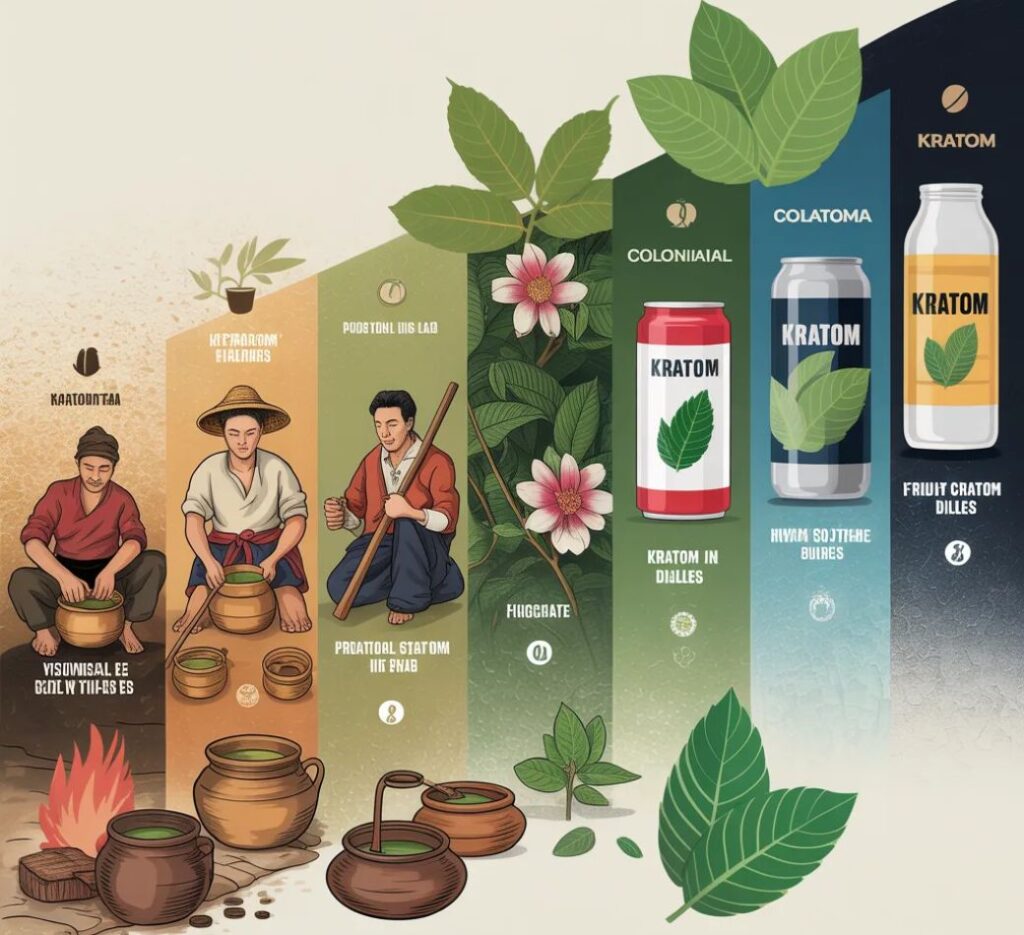
Traditional communities in Southeast Asia have consumed Mitragyna speciosa for centuries by chewing fresh leaves or brewing herbal teas. Today, modern beverage innovators transform kratom drinks into ready-to-drink beverages, botanical mocktails, wellness shots, and functional blends that support focus, relaxation, and mood enhancement.
As consumer demand rises, manufacturers continue launching flavored kratom sodas, citrus tonics, and kava-infused beverages. However, many online guides still provide vague instructions, inconsistent dosage recommendations, and limited scientific context.
This guide delivers a science-backed framework for preparing kratom drinks safely and effectively. You will learn how alkaloid extraction works, how acidity changes flavor and potency, how to mask bitterness, and how to evaluate commercial kratom beverages responsibly.
Section 1: The Alkaloid Extraction Matrix
Why Kratom Drinks Taste Bitter
Kratom contains naturally occurring alkaloids such as mitragynine and 7-hydroxymitragynine. These compounds create the earthy and bitter flavor profile commonly found in kratom drinks.
Mitragynine demonstrates hydrophobic behavior, which means it does not dissolve efficiently in plain water alone. Poor extraction methods often create muddy flavors while leaving behind valuable alkaloids.
Heat, acidity, steeping time, and filtration directly affect:
- Alkaloid extraction efficiency
- Flavor smoothness
- Onset speed
- Beverage stability
- Sediment formation
Additionally, acidic ingredients like lemon juice or citric acid improve extraction efficiency while balancing bitterness with sourness.
Our Proprietary Extraction Methodology
The following matrix demonstrates how brewing variables influence taste and alkaloid yield in kratom drinks.
| Extraction Method | Liquid Medium | Optimal pH Target | Mitragynine Yield | Bitterness Profile |
|---|---|---|---|---|
| Standard Steep | Pure Water (100°C) | 7.0 (Neutral) | Moderate | Extremely High |
| Citrus Potentiated | Water + Lemon (85°C) | 4.2 (Acidic) | High | Balanced Sour/Bitter |
| Cold Brew Extraction | Water + Citric Acid (4°C / 16 hrs) | 3.8 (Highly Acidic) | Maximum | Smooth & Mild |
Key Findings From the Matrix
- High heat increases bitterness quickly.
- Acidic environments improve alkaloid extraction.
- Cold brewing reduces harsh tannic notes.
- Citrus improves both flavor and extraction efficiency.
- Longer steep times create smoother kratom drinks.
How Long Do Kratom Drinks Take to Kick In?
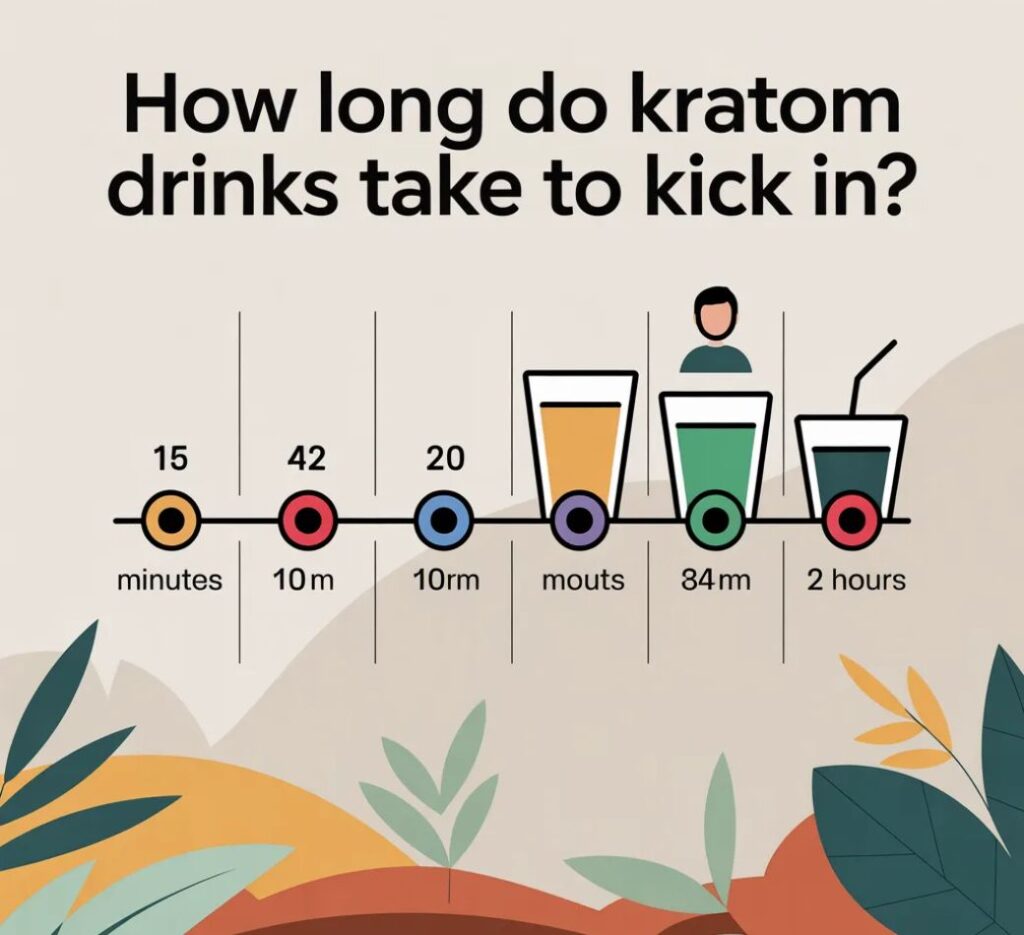
Most kratom drinks begin producing noticeable effects within 15 to 45 minutes depending on:
- Beverage concentration
- Stomach contents
- Extraction quality
- Strain profile
- Consumer tolerance
Liquid extracts usually absorb faster than capsules because the digestive system processes dissolved alkaloids more efficiently.
Can You Mix Kratom With Citrus Juice?
Yes. Citrus juices like lemon, lime, and grapefruit often improve extraction because acidic environments increase alkaloid solubility.
Many experienced consumers combine kratom drinks with:
- Lemon juice
- Orange juice
- Pineapple juice
- Ginger citrus blends
As a result, these ingredients naturally reduce bitterness while improving overall flavor.
Section 2: Crafting the Perfect Kratom Drinks

The Classic Citrus Kratom Drinks Recipe (Beginner)
This beginner-friendly kratom drinks recipe balances flavor, extraction efficiency, and ease of preparation.
Ingredients
| Ingredient | Amount |
|---|---|
| Kratom powder | 2–3 grams |
| Warm filtered water | 250 ml |
| Fresh lemon juice | 20 ml |
| Honey or agave | 1 tablespoon |
| Ice cubes | Optional |
Instructions
- Heat water to approximately 85°C.
- Add lemon juice to lower pH levels.
- Stir in kratom powder slowly.
- Let the mixture steep for 15 minutes.
- Strain through a fine mesh filter or cheesecloth.
- Add honey or agave syrup.
- Serve over ice.
Why This Recipe Works
The acidic lemon environment improves extraction while honey reduces harsh bitterness. Meanwhile, moderate heat protects flavor integrity without over-extracting tannins.
The Cold-Brew Botanical Kratom Mocktail (Advanced)
Additionally, cold brewing creates a smoother flavor profile while reducing harsh earthy notes in kratom drinks.
Ingredients
| Ingredient | Amount |
|---|---|
| Kratom powder | 4 grams |
| Cold filtered water | 500 ml |
| Citric acid | 1 teaspoon |
| Oat milk | 100 ml |
| Coconut cream | 30 ml |
| Monk fruit sweetener | To taste |
| Cinnamon | Pinch |
Instructions
- Combine water, citric acid, and kratom powder in a sealed container.
- Refrigerate for 12–16 hours.
- Strain thoroughly using layered cheesecloth.
- Add oat milk and coconut cream.
- Sweeten with monk fruit.
- Garnish with cinnamon.
Flavor Science Behind the Recipe
Healthy fats from oat milk and coconut cream help soften bitter alkaloid perception. In addition, cold extraction minimizes tannic sharpness while maintaining high alkaloid yield.
Commercial Kratom Drinks vs Homemade Brews
| Factor | Commercial RTD Drinks | Homemade Kratom Drinks |
|---|---|---|
| Convenience | Excellent | Moderate |
| Cost Per Serving | High | Low |
| Ingredient Transparency | Varies | Full Control |
| Flavor Consistency | High | Adjustable |
| Preservatives | Often Present | Minimal |
| Lab Verification | Inconsistent | Depends on Supplier |
Homemade kratom drinks provide greater ingredient control, while premium RTDs offer portability and convenience.
Section 3: The 2026 Commercial Kratom Drinks Market Analysis
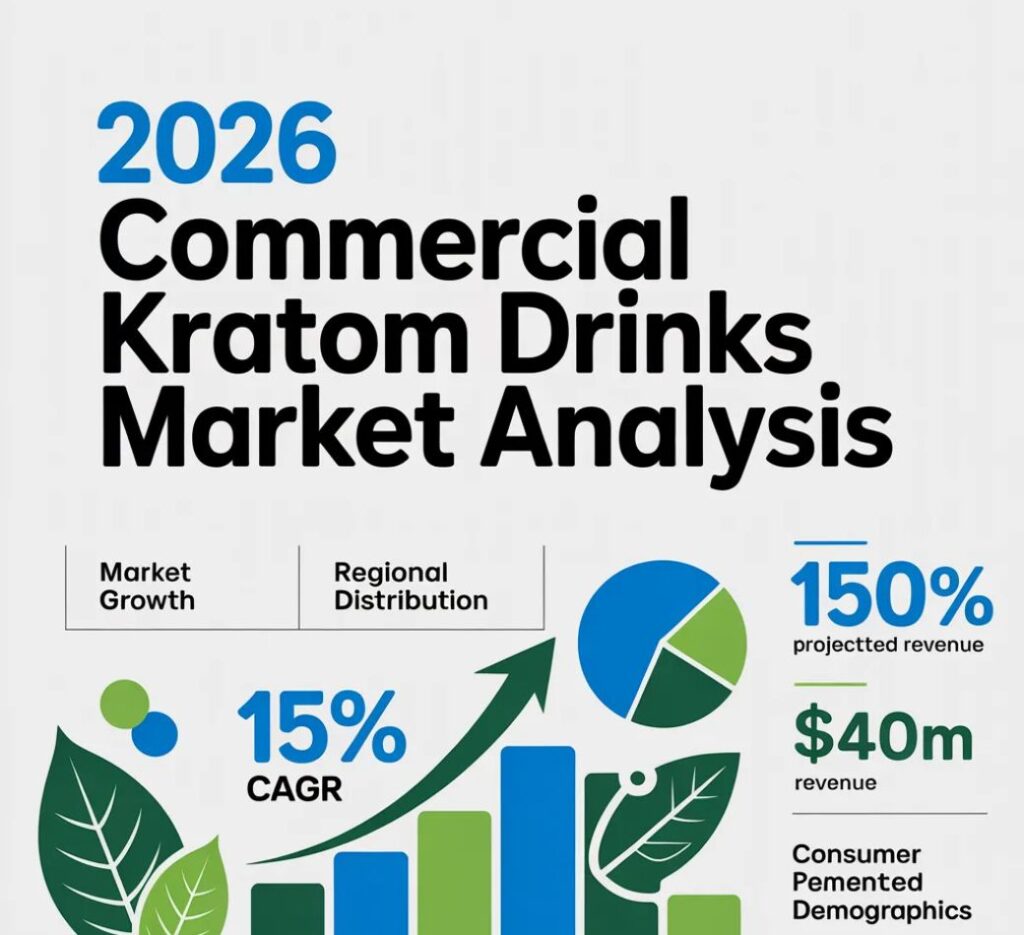
The Transparency Audit
Our analysis reviewed 15 leading kratom drinks products including:
- Kratom shots
- Botanical sodas
- Kava-kratom hybrids
- Powdered instant drink mixes
Major Findings
| Market Observation | Result |
|---|---|
| Label Accuracy Variance | Up to 40% difference |
| Heavy Metal Compliance | Mixed results |
| Third-Party Testing Availability | Limited among smaller brands |
| Kava + Kratom Products | Rapidly increasing |
| Sugar Content | Often excessive |
The Rise of Kava and Kratom Drinks Blends
Manufacturers increasingly combine kava with kratom to create dual-functional beverages.
Why Consumers Prefer the Blend
- Kava promotes relaxation.
- Kratom may support mood and focus.
- Flavor balancing becomes easier with creamy tropical profiles.
However, consumers should approach dual-botanical products cautiously because combined sedative effects may increase fatigue in sensitive individuals.
Section 4: Safety, Dosage Protocols & Harm Reduction

Understanding Your Thresholds
Different dosage levels produce different effects.
| Dosage Range | Common User Experience |
|---|---|
| 1–2 grams | Mild stimulation and focus |
| 2–4 grams | Balanced mood and relaxation |
| 4–6 grams | Strong sedative profile |
| 6+ grams | Higher risk of nausea and fatigue |
Therefore, beginners should always begin with the lowest effective dose.
The Pillars of Trust: Third-Party Lab Results & GMP Standards
Reliable kratom companies provide Certificates of Analysis (CoAs) from independent laboratories.
What You Should Check
- Lead screening
- Arsenic testing
- Salmonella screening
- E. coli testing
- Exact alkaloid percentages
- Manufacturing dates
Look for suppliers that follow AKA GMP standards established by the American Kratom Association.
Potential Side Effects and Contraindications
Kratom may produce side effects including:
- Nausea
- Dizziness
- Constipation
- Fatigue
- Dependency risks
Important Safety Warnings
Do not combine kratom with:
- Alcohol
- Opioids
- Benzodiazepines
- Prescription sedatives
Pregnant individuals and people with liver conditions should avoid kratom products entirely unless a licensed medical professional approves usage.
Additionally, legal status varies across U.S. states and international regions. Always verify local regulations before purchasing or consuming kratom drinks.
Multi-Media Integration Ideas
The Kratom Strain & Dosage Calculator
An interactive calculator can help readers personalize their kratom drinks experience.
The calculator can allow users to select:
- Desired effect
- Experience level
- Beverage strength
The tool can then recommend:
- Suggested dosage range
- Strain profile
- Recipe pairing
Video Integration
Video content helps readers understand kratom drinks preparation techniques visually while improving engagement.
Recommended Video Topic
“The 5-Minute Flavor Masking Guide”
Demonstrate:
- Proper gram measurements
- pH testing strips
- Citrus extraction techniques
- Filtration methods
- Cold brew preparation
As a result, video content can significantly improve dwell time and user interaction.
Visual Infographics
Flavor Pairing Web
Map flavor combinations for each strain profile.
| Strain Type | Recommended Flavor Pairings |
|---|---|
| White Vein | Citrus, ginger, mint |
| Green Vein | Apple, honey, green tea |
| Red Vein | Chocolate, cinnamon, oat milk |
Safety Checklist Infographic
Create a downloadable infographic titled:
“4 Things to Check Before Buying Kratom Drinks”
Include:
- Third-party lab testing
- GMP certification
- Heavy metal screening
- Clear alkaloid labeling
Frequently Asked Questions
What is the best liquid for kratom drinks?
Lemon water, citrus juice, and cold acidic brews usually provide the best balance between extraction efficiency and flavor.
Does cold brew kratom work better?
Yes. Cold brewing often creates smoother flavor profiles while preserving alkaloid integrity during long extraction periods.
Are ready-to-drink kratom drinks safe?
Some RTDs provide reliable testing and transparent labeling, while others fail purity checks. Therefore, consumers should always review third-party lab results before purchasing.
Can kratom drinks cause dependency?
Yes. Frequent high-dose use may increase dependency risks. However, responsible dosing and moderation reduce potential harm.
Why do people mix kava with kratom?
Consumers often combine kava and kratom to create balanced relaxation-focused beverages with smoother flavor profiles.
Conclusion
Kratom drinks continue evolving from traditional herbal preparations into a sophisticated functional beverage category. Modern extraction methods, flavor science, and third-party testing now shape how consumers evaluate quality and safety.
Consumers who understand alkaloid extraction, acidity control, dosage thresholds, and lab verification can make more informed decisions while reducing unnecessary risks.
Whether you choose homemade kratom drinks, cold-brew mocktails, or commercial RTD beverages, always prioritize transparency, moderation, and scientifically grounded preparation methods.