

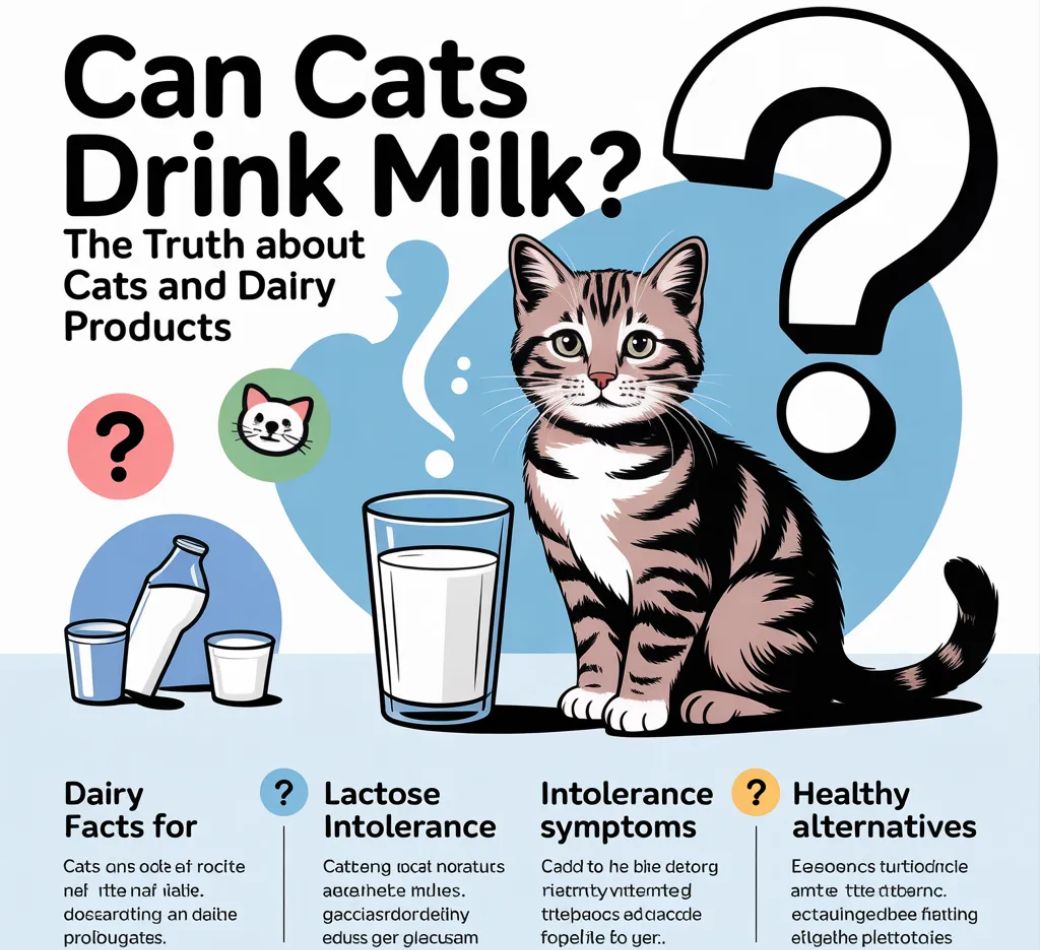
Cats love the taste of milk, but most adult cats cannot digest it properly. Many pet owners still believe milk helps cats stay healthy, yet modern veterinary science tells a very different story. If you have ever asked, “Can cats drink milk?” or “Is milk bad for cats?” this guide explains the science, risks, symptoms, and safer alternatives in detail.
Why Cats Love Milk Even When It Upsets Their Stomach
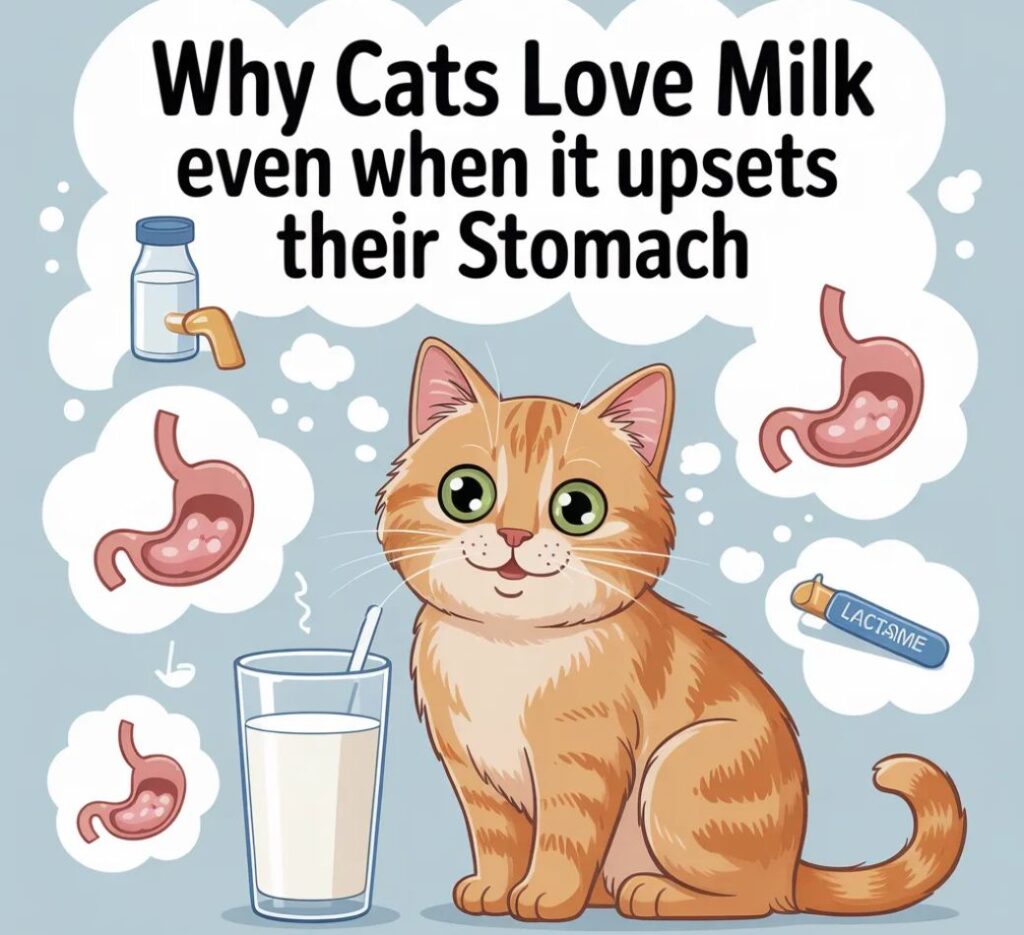
Cats naturally crave high-fat foods, and milk contains fat and protein that appeal to their senses. Kittens also associate milk with comfort because they drink their mother’s milk during early development.
However, most cats lose the ability to digest lactose after weaning. Their bodies produce less lactase enzyme, which breaks down lactose in dairy products. Once lactase levels drop, milk can trigger digestive issues.
The Lactase Decline in Cats
Kittens produce high amounts of lactase because they rely entirely on maternal milk. By 8–12 weeks of age, lactase production decreases significantly.
This biological change explains why:
- Kittens tolerate maternal milk
- Adult cats often develop lactose intolerance
- Dairy products upset feline digestive health
Is Milk Bad for Cats?
Yes, cow’s milk can cause digestive problems in many cats. While a tiny amount may not harm every cat, regular consumption often leads to stomach upset, obesity, and dehydration.
Common Problems Caused by Milk
| Problem | Why It Happens | Common Symptoms |
|---|---|---|
| Lactose intolerance | Cats cannot digest lactose properly | Gas, bloating, diarrhea |
| Excess calories | Milk contains high fat and sugar | Weight gain |
| Dehydration | Diarrhea causes fluid loss | Lethargy, dry gums |
| Milk protein sensitivity | Casein protein triggers reactions | Vomiting, itching |
Understanding Lactose Intolerance in Cats
Lactose intolerance happens when the body lacks enough lactase enzyme to break down milk sugar.
Undigested lactose travels into the colon, where bacteria ferment it. This process creates gas and draws water into the intestines through osmotic pressure changes. As a result, many cats develop loose stools and abdominal discomfort.
Symptoms of Lactose Intolerance in Cats
Watch for these symptoms after dairy consumption:
- Diarrhea
- Vomiting
- Excessive gas
- Stomach bloating
- Loss of appetite
- Abdominal discomfort
- Lethargy
Symptoms usually appear within a few hours after drinking milk.
The Bio-Availability Comparison Matrix
Not all milk types affect cats the same way. The table below compares cow’s milk, goat milk, and maternal feline milk per 100ml.
| Milk Type | Protein | Fat | Lactose | Calories | Suitability for Cats |
|---|---|---|---|---|---|
| Cow’s Milk | Moderate | Moderate | High | Moderate | Poor |
| Goat Milk | Moderate | Higher | Slightly Lower | High | Limited |
| Queen’s Milk (Maternal) | High | High | Species-Specific | Balanced | Ideal |
| Lactose-Free Cat Milk | Moderate | Controlled | Very Low | Moderate | Safer |
Why Cow’s Milk Creates Nutritional Imbalance
Cow’s milk contains too much lactose and an unsuitable nutrient ratio for adult cats. Indoor cats also burn fewer calories than active outdoor cats, which increases obesity risk.
Even small daily servings can add unnecessary calories.
Can Cats Drink Goat Milk?
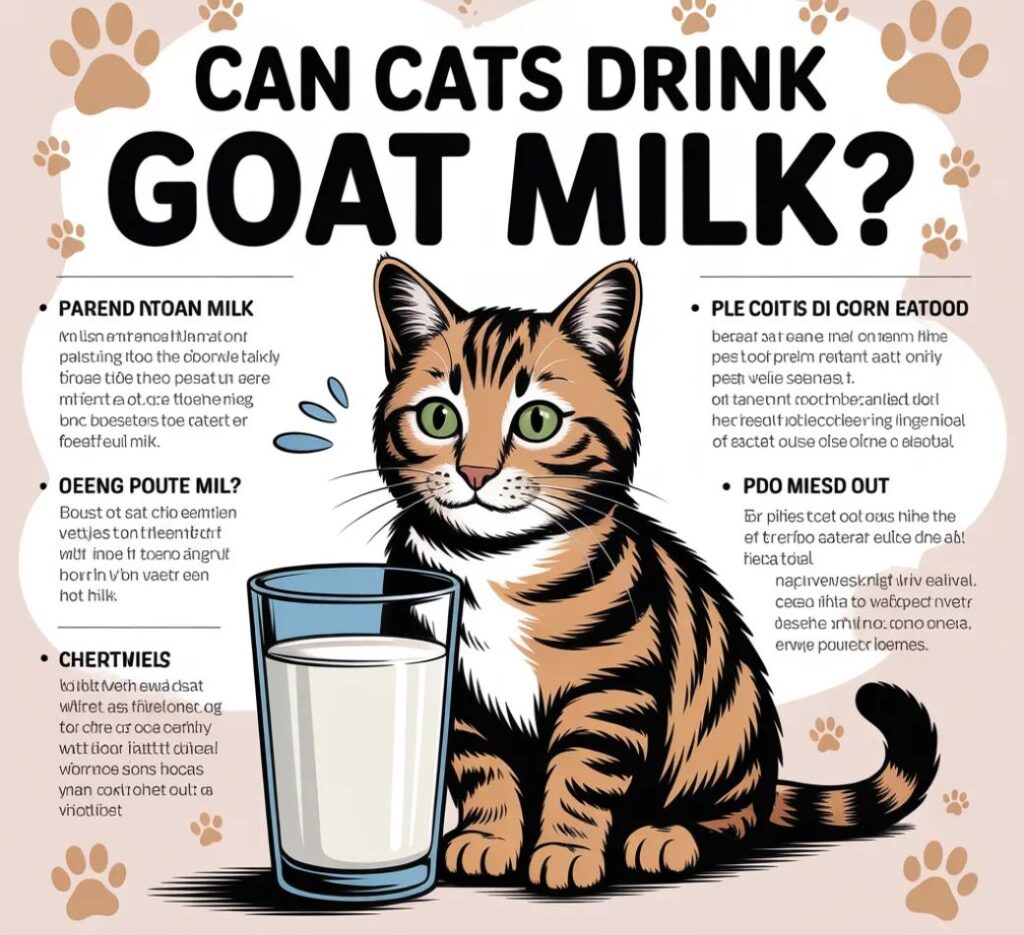
Some pet owners choose goat milk because it contains slightly less lactose than cow’s milk. However, goat milk still contains dairy sugars and fats that may upset sensitive cats.
Pros and Cons of Goat Milk for Cats
| Pros | Cons |
|---|---|
| Easier to digest for some cats | Still contains lactose |
| Rich in nutrients | High calorie content |
| Softer protein structure | Can still cause diarrhea |
Goat milk should never replace balanced feline nutrition.
Can Cats Drink Lactose-Free Milk?
Special lactose-free cat milk products provide a safer alternative because manufacturers remove most lactose.
However, you should still treat these products as occasional treats rather than daily hydration sources.
Safe Serving Guidelines
| Cat Size | Maximum Occasional Serving |
|---|---|
| Small Cat | 1–2 teaspoons |
| Medium Cat | 1 tablespoon |
| Large Cat | 1–2 tablespoons |
Fresh water should always remain the primary hydration source.
Kitten Milk Replacer vs. Cow’s Milk
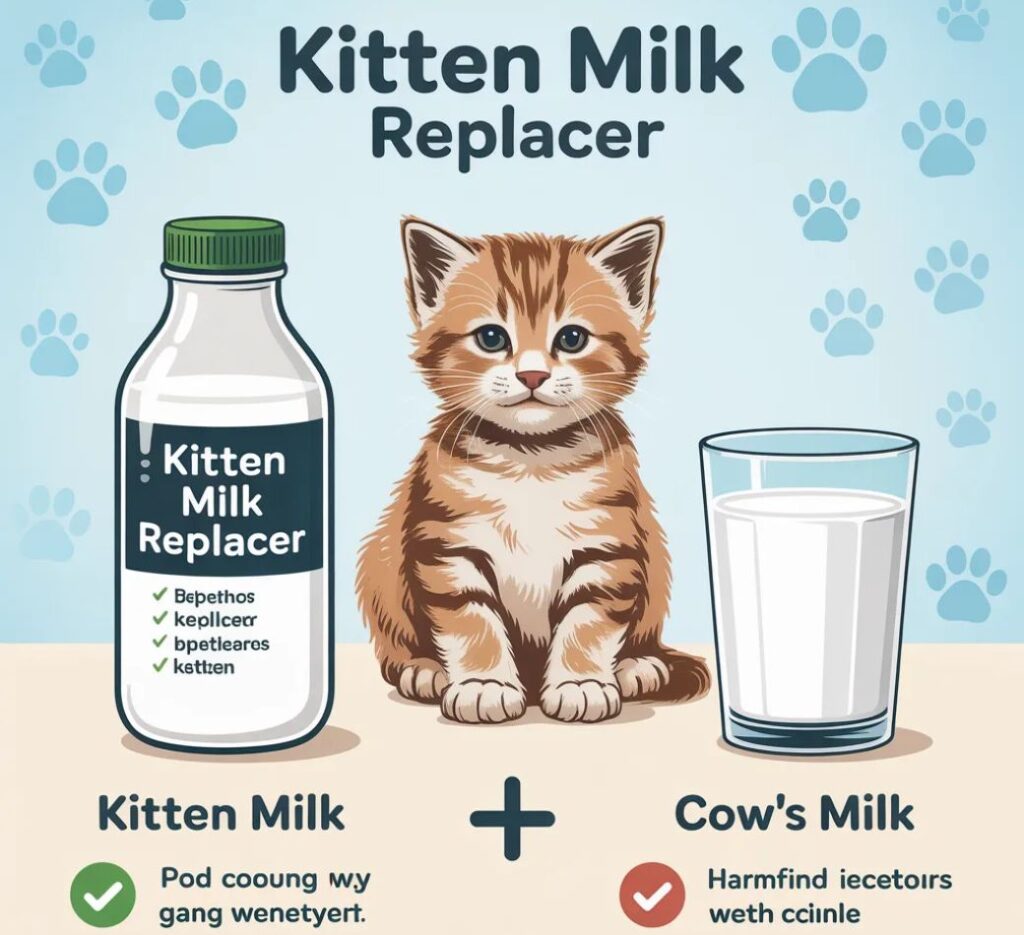
Never feed regular cow’s milk to kittens. Young kittens require species-appropriate nutrition to support rapid growth.
Why Kitten Milk Replacer Works Better
Kitten milk replacers contain:
- Balanced protein levels
- Controlled lactose content
- Essential fatty acids
- Taurine and vitamins
Cow’s milk lacks the correct nutritional profile and may cause severe diarrhea in kittens.
The 24-Hour GI Observation Protocol
If your cat accidentally drinks a large amount of milk, monitor symptoms carefully.
0–2 Hours After Consumption
Possible symptoms include:
- Mild bloating
- Gas
- Stomach noises
- Restlessness
4–8 Hours After Consumption
Many cats develop:
- Osmotic diarrhea
- Cramping
- Urgent bowel movements
- Vomiting
8–24 Hours After Consumption
Watch for signs of dehydration:
- Dry gums
- Lethargy
- Reduced appetite
- Weakness
When to Call a Veterinarian
Contact your vet immediately if your cat experiences:
- Persistent vomiting
- Bloody diarrhea
- Severe lethargy
- Refusal to drink water
- Symptoms lasting longer than 24 hours
Myth-Busting the “Barn Cat” Milk Story
Many people say, “My grandmother’s barn cat drank milk every day and lived for years.”
That statement ignores several important factors.
Barn Cats Burn More Calories
Farm cats usually:
- Hunt daily
- Walk long distances
- Maintain lower body fat
- Stay physically active
Indoor cats live much more sedentary lifestyles, which increases obesity risk from calorie-dense treats like milk.
Survivor Bias Distorts Reality
People remember the healthy barn cats but forget the animals that developed digestive problems or died early. Survivor bias creates misleading assumptions about pet nutrition.
Modern veterinary science now provides better data about feline digestive health.
Better Alternatives to Milk for Cats
Cats do not need milk to stay healthy. Safer hydration options work much better.
Vet-Approved Milk Alternatives
| Alternative | Benefits |
|---|---|
| Fresh water | Best daily hydration |
| Tuna water | Encourages drinking |
| Bone broth | Adds flavor and moisture |
| Wet cat food | Supports hydration |
| Cat-safe lactose-free milk | Occasional treat |
Can Nursing Cats Have Cow’s Milk for Extra Calcium?
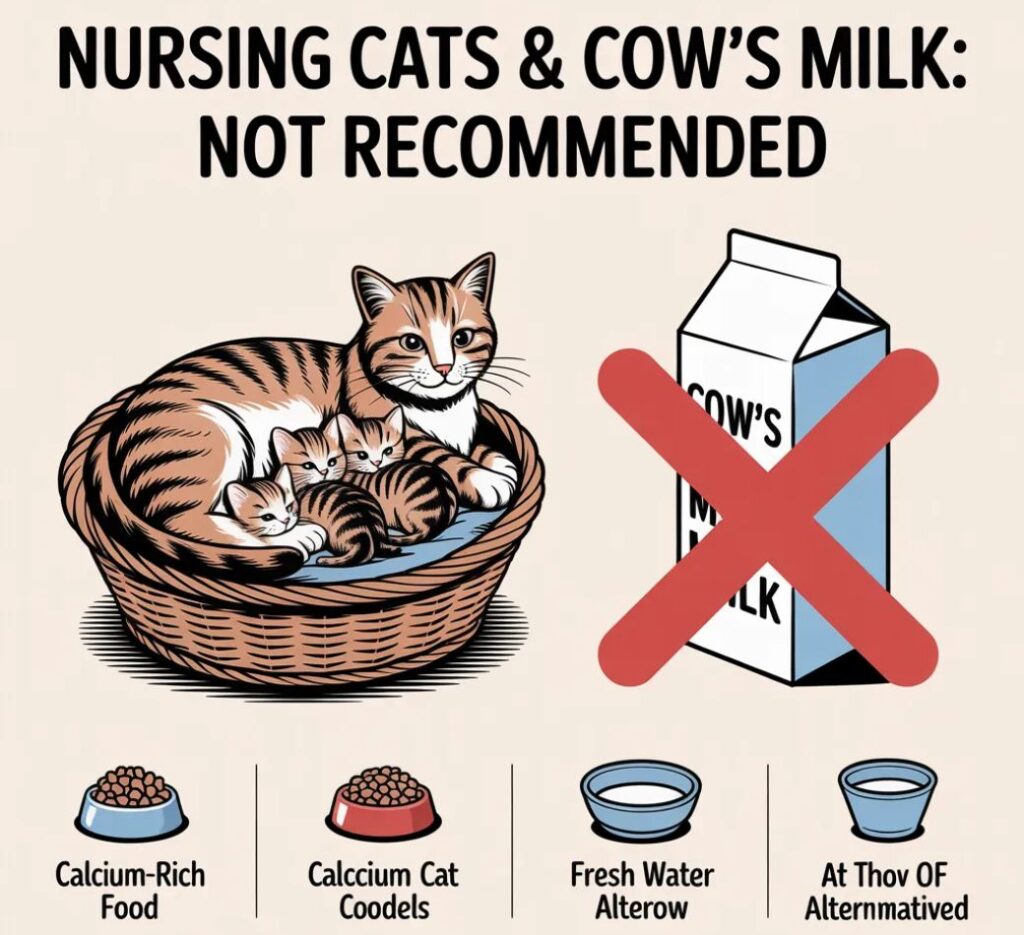
No. Nursing cats need balanced nutrition, not extra cow’s milk.
High-quality kitten food already provides:
- Calcium
- Protein
- Healthy fats
- Vitamins
Extra dairy may upset digestion without improving milk production.
How Much Milk Causes Diarrhea in Cats?
Sensitivity varies between cats. Some cats develop diarrhea after only a few teaspoons, while others tolerate slightly larger amounts.
Factors include:
- Age
- Lactase production
- Overall digestive health
- Existing food sensitivities
Even if symptoms seem mild, repeated exposure can stress the digestive system.
Signs of Milk Allergy in Cats
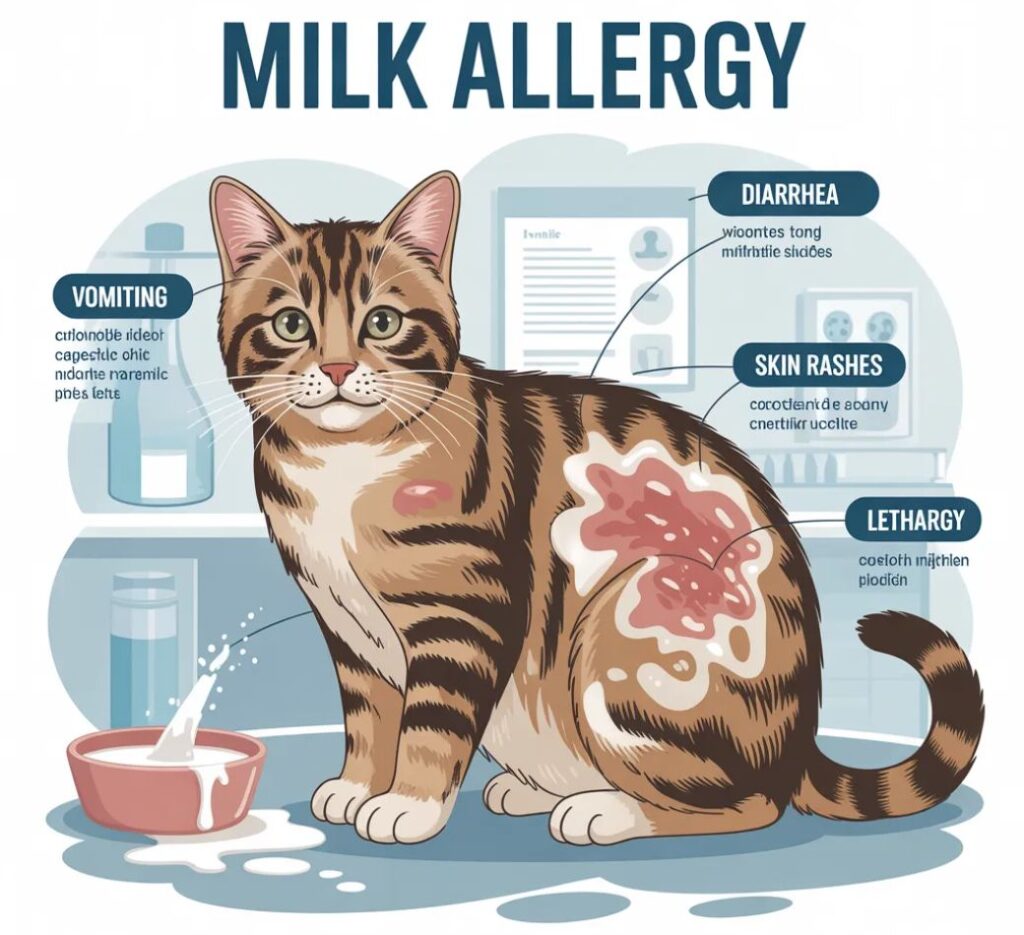
Milk allergy differs from lactose intolerance.
Milk Allergy Symptoms
| Lactose Intolerance | Milk Allergy |
|---|---|
| Gas | Skin itching |
| Diarrhea | Ear inflammation |
| Bloating | Chronic vomiting |
| Mild discomfort | Hair loss |
FAQs
Can cats drink milk safely?
Most adult cats cannot digest milk properly. Small amounts may not harm every cat, but regular consumption often causes digestive upset.
Why do cats like milk if it is bad for them?
Cats enjoy the fat and protein content in milk. Their attraction does not mean the food supports their health.
Can kittens drink cow’s milk?
No. Kittens need kitten milk replacer or maternal milk for proper nutrition.
Is lactose-free milk safe for cats?
Lactose-free cat milk works better than regular milk, but you should still serve it only as an occasional treat.
What should cats drink every day?
Cats should drink fresh, clean water daily.
Can milk dehydrate cats?
Yes. Diarrhea caused by lactose intolerance can lead to dehydration.
Conclusion
Most adult cats should avoid regular cow’s milk because they cannot digest lactose efficiently. Milk may seem harmless, but it often causes diarrhea, bloating, dehydration, and unnecessary calorie intake. While some cats tolerate small amounts, safer hydration choices exist.
If you want to support feline digestive health, focus on fresh water, moisture-rich food, and species-appropriate nutrition instead of dairy products. Understanding how lactose intolerance works helps cat owners make smarter choices and avoid preventable health problems.