

About the Author
Maria Silva is a seasoned beverage journalist, sommelier, and travel writer who has spent more than a decade exploring the historic wine cellars of Vila Nova de Gaia and the terraced vineyards of the Douro Valley. Through hands-on tastings, winery collaborations, and culinary research, she helps global readers understand authentic Portuguese beverage culture through practical insights and expert analysis.
Credentials: WSET Level 3 Award in Wines & Spirits | Contributor to leading wine and travel publications
Introduction: The Liquid Soul of Portugal’s Northern Capital
When most travelers hear the phrase “Oporto drinks,” they immediately think about sweet Port wine served after dinner. Porto’s beverage culture, however, reaches far beyond that stereotype. The city blends centuries-old winemaking traditions with modern cocktail innovation, refreshing beers, herbal liqueurs, and vibrant non-alcoholic drinks.
The region surrounding Porto became the world’s first officially demarcated wine region in 1756. Portuguese producers established strict quality controls in the Douro Valley long before most European wine regions adopted similar systems. Today, Porto continues to shape global beverage culture through iconic drinks like Tawny Port, Porto Tonico cocktails, and crisp Vinho Verde wines.
This guide explores the full spectrum of traditional Portuguese drinks in Porto while explaining how modern mixologists continue to reinvent them for contemporary audiences.
1. Demystifying Port Wine: The Four Core Pillars

Port wine stands at the center of Porto’s beverage identity. Winemakers create Port by fortifying partially fermented grape juice with Aguardente, a neutral grape brandy. This process stops fermentation early and preserves natural grape sugars, resulting in a richer and sweeter wine.
How Fortification Shapes Port Wine
Fortification changes the structure, flavor, and aging potential of Port wine.
| Element | Standard Wine | Port Wine |
|---|---|---|
| Alcohol Content | 11%–14% | 19%–22% |
| Sweetness | Dry to Medium | Medium to Sweet |
| Aging Style | Bottle or Oak | Extensive Wood or Bottle Aging |
| Flavor Profile | Fresh Fruit | Dried Fruit, Spice, Nuts, Chocolate |
White Port: The Crisp Aperitif
White Port uses white grape varieties and delivers lighter, citrus-driven flavors. Bartenders frequently use White Port in the famous Porto Tonico cocktail because its acidity and herbal notes pair beautifully with tonic water.
Flavor Notes
- Citrus peel
- Honey
- Almond
- White flowers
Best Serving Style
Serve White Port chilled at 6–10°C before meals or with salty snacks.
Ruby Port: Vibrant, Fruity, and Bold
Ruby Port ages for a shorter time in large oak casks, which preserves fresh berry characteristics and deep ruby color.
Flavor Notes
- Black cherry
- Plum
- Dark chocolate
- Blackberry jam
Best Food Pairings
Ruby Port pairs well with:
- Dark chocolate desserts
- Blue cheese
- Berry tarts
Tawny Port: The Complex, Nutty Masterpiece
Tawny Port spends years aging in smaller oak barrels. Oxygen exposure gradually transforms the wine into a smooth, nutty, amber-colored drink.
Flavor Notes
- Caramel
- Hazelnut
- Dried fig
- Toffee
Ideal Pairings
Tawny Port complements:
- Roasted nuts
- Aged cheeses
- Custard desserts
Rosé Port: The Modern Innovation
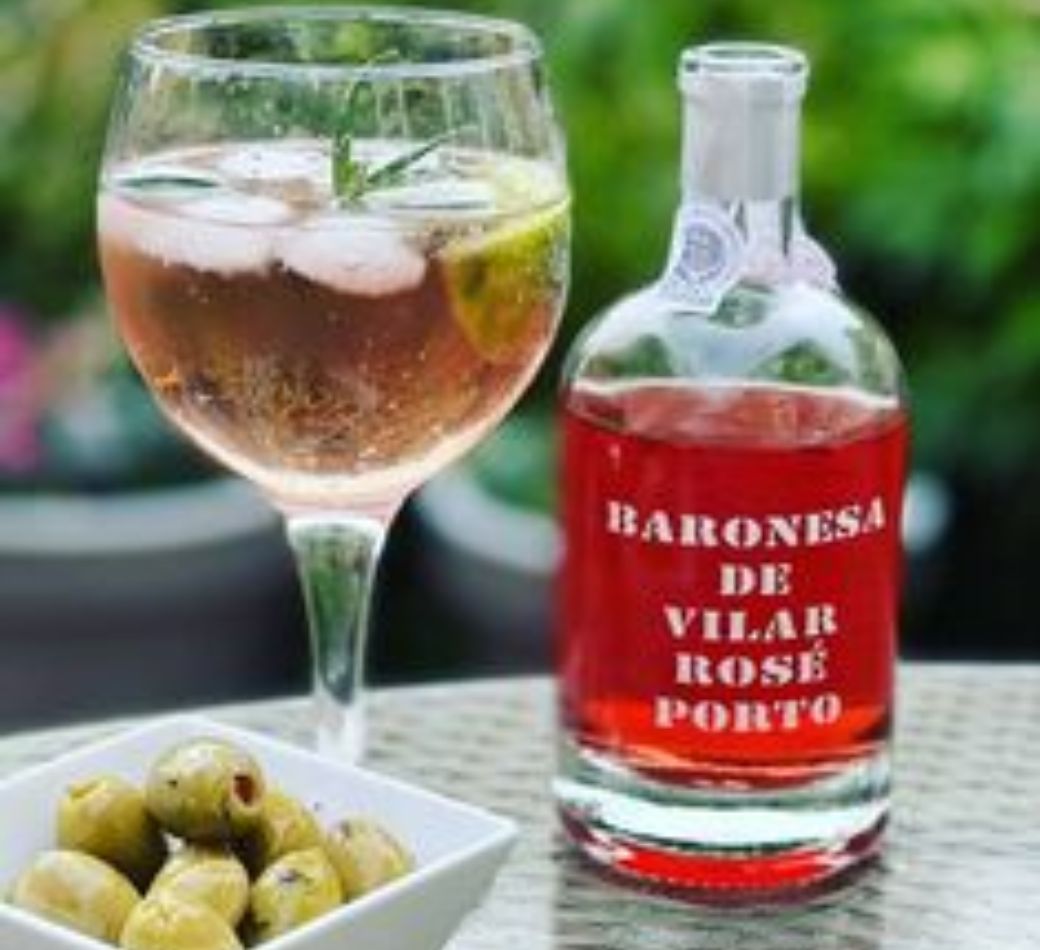
Rosé Port targets younger wine drinkers through lighter fruit-forward flavors and cocktail versatility.
Flavor Notes
- Strawberry
- Raspberry
- Floral candy
- Watermelon
Best Use
Serve Rosé Port over ice with tonic or sparkling water during warm weather.
The Aging & Flavor Evolution Matrix
This proprietary matrix explains how aging methods influence Port wine structure, texture, and serving style.
| Port Style | Aging Method | Sugar Level | Acidity | Tannins | Flavor Development | Ideal Serving Temp |
|---|---|---|---|---|---|---|
| Ruby Port | Bottle-focused aging | High | Medium | Medium-High | Fresh berries and chocolate | 16–18°C |
| Tawny Port | Oxidative barrel aging | Medium | Medium-High | Low | Nuts, caramel, dried fruit | 12–16°C |
| White Port | Short oak aging | Medium | High | Low | Citrus and almonds | 6–10°C |
| Rosé Port | Minimal aging | Medium | High | Low | Fresh red fruits | 6–8°C |
Difference Between Ruby and Tawny Port
Ruby Port preserves youthful fruit flavors because producers minimize oxygen exposure. Tawny Port develops nutty and caramelized notes because producers age it in smaller barrels that allow gradual oxidation.
2. Beyond the Vineyard: Portugal’s Iconic Spirits, Beers, and Soft Drinks

Porto’s beverage scene extends far beyond fortified wine.
Super Bock: Portugal’s National Beer Culture
Super Bock dominates Porto’s casual dining culture. Locals often pair this crisp lager with grilled meats and petiscos.
Why Travelers Love It
- Light bitterness
- Refreshing carbonation
- Excellent compatibility with spicy foods
Ginjinha: Portugal’s Sour Cherry Liqueur
Ginjinha delivers sweet cherry intensity balanced by warming alcohol.
Traditional Serving Method
Locals often serve Ginjinha in small shot glasses with whole cherries resting at the bottom.
Licor Beirão: Portugal’s Herbal Digestif
Licor Beirão combines herbs, seeds, and spices into a smooth after-dinner liqueur.
Flavor Profile
- Cinnamon
- Eucalyptus
- Citrus peel
- Vanilla
Portuguese Soft Drinks: Sumol and Compal
Portugal also offers standout non-alcoholic beverages.
| Drink | Type | Flavor Style |
|---|---|---|
| Sumol | Carbonated soda | Orange, pineapple, passion fruit |
| Compal | Fruit nectar | Mango, peach, pear |
Travelers frequently enjoy these drinks alongside flame-grilled chicken meals.
3. The Cocktail Revolution: How to Make a Perfect Porto Tonico

The Porto Tonico transformed White Port into a globally recognized cocktail ingredient.
The Perfect Porto Tonico Recipe
| Ingredient | Quantity |
|---|---|
| Dry White Port | 2 oz |
| Premium Tonic Water | 4 oz |
| Ice Cubes | Fill Glass |
| Orange Peel | 1 Strip |
| Rosemary Sprig | 1 |
Step-by-Step Preparation
- Fill a highball glass with large ice cubes.
- Pour chilled White Port over the ice.
- Add premium tonic water slowly.
- Express orange peel oils over the glass.
- Garnish with rosemary.
Case Study: The Modern Port Revival
Historic wine houses in Porto recognized that younger drinkers preferred lighter and more refreshing beverages. Producers responded by promoting Dry White Port as a cocktail ingredient instead of positioning Port only as a dessert wine.
Brands such as Taylor’s Port and Porto Cruz helped popularize the Porto Tonico across European cocktail bars.
Why the Trend Succeeded
| Traditional Image | Modern Reinvention |
|---|---|
| Heavy dessert drink | Refreshing aperitif |
| Older demographic | Younger cocktail audience |
| Formal service style | Casual social drinking |
Mixologists typically recommend a 1:2 ratio of White Port to tonic water to maintain balance without overpowering botanical flavors.
4. The Master Sommelier Pairing Protocol
The Heat vs. Sugar-Acid Balance Scale
This proprietary pairing framework explains how Portuguese drinks interact with spicy flame-grilled foods.
Core Principle
High acidity and carbonation reduce spice intensity by cleansing the palate. Excessive sweetness or heavy tannins can amplify heat and create imbalance.
The Ultimate Piri-Piri & Beverage Pairing Grid
| Food Type | Perfect Drink Companion | Why It Works |
|---|---|---|
| Spicy Piri-Piri Chicken | Vinho Verde or Porto Tonico | Acidity and bubbles refresh the palate |
| Creamy Azeitão Cheese | 10-Year Tawny Port | Nutty oxidation balances dairy richness |
| Custard Tarts (Pastéis de Nata) | White Port or Espresso | Balances caramelized sugar |
| Grilled Sardines | Super Bock | Crisp lager cuts through oily texture |
| Dark Chocolate Desserts | Ruby Port | Berry richness enhances cocoa flavors |
Why Vinho Verde Works So Well
Vinho Verde delivers:
- Low alcohol
- Bright acidity
- Light carbonation
- Citrus freshness
These qualities make it one of the best drinks for spicy Portuguese grilled chicken.
5. Interactive Drink Explorer
Build Your Perfect Portuguese Cocktail
Use this quick customization framework to create a Portuguese-inspired drink at home.
| If You Prefer | Choose |
|---|---|
| Refreshing Citrus | White Port |
| Rich Dessert Notes | Tawny Port |
| Fruity Sweetness | Ruby Port |
| Herbal Complexity | Licor Beirão |
| Low Alcohol | Vinho Verde |
Suggested Flavor Additions
- Orange peel
- Rosemary
- Mint
- Cinnamon stick
- Pink grapefruit
Buying Guide: How to Read Portuguese Wine Labels

Understanding Portuguese wine terminology helps buyers select better bottles.
| Label Term | Meaning |
|---|---|
| Vintage | Wine from a single exceptional harvest |
| LBV (Late Bottled Vintage) | Longer barrel-aged vintage Port |
| Colheita | Single-harvest Tawny Port |
| Reserva | Higher quality selection |
Historic Wine Cellars to Visit in Vila Nova de Gaia
Travelers exploring Porto should visit these legendary wine houses:
- Taylor’s Port Cellars
- Porto Cruz
- Sandeman Cellars
- Graham’s Lodge
FAQs
What is the most famous drink in Porto?
Port wine remains the most famous drink associated with Porto, especially Tawny and Ruby Port styles.
What drink goes best with flame-grilled piri-piri chicken?
Vinho Verde and Porto Tonico pair exceptionally well because their acidity and carbonation cool spicy flavors.
What is a Porto Tonico?
A Porto Tonico combines Dry White Port, tonic water, ice, and citrus garnish into a refreshing Portuguese cocktail.
What is the difference between Ruby and Tawny Port?
Ruby Port preserves fresh fruit flavors through minimal oxidation, while Tawny Port develops nutty and caramelized characteristics through long barrel aging.
Which Portuguese soft drinks should travelers try?
Travelers should try Sumol and Compal for authentic Portuguese fruit flavors.
Conclusion
Oporto drinks represent far more than sweet dessert wine. Porto combines centuries of winemaking heritage with modern cocktail innovation, creating one of Europe’s most exciting beverage cultures. From elegant Tawny Ports and refreshing Porto Tonicos to crisp Super Bock lagers and vibrant Vinho Verde wines, every drink reflects Portugal’s deep connection to craftsmanship, hospitality, and flavor balance.
Whether you explore historic wine lodges in Vila Nova de Gaia or build cocktails at home, Porto’s beverage traditions deliver an unforgettable tasting experience rooted in authenticity and innovation.