

Natural energy drinks have become a popular choice for people who want more energy without relying on heavily sweetened beverages. Many formulas use caffeine from tea, yerba mate, guarana, green coffee beans, or other plants. Some also add L-theanine, ginseng, Rhodiola rosea, or other botanical ingredients.
But the word “natural” does not automatically mean “healthy.” A drink can use plant-based caffeine and still contain a large caffeine dose, added sugar, or poorly tested botanical extracts.
This guide explains how natural energy drinks work, which ingredients matter, how to compare formulas, and how to choose a cleaner option.
Important research note: The original 14-day trial results and participant findings in the supplied outline represent a proposed proprietary methodology. Unless you have real study records, do not publish those numbers as completed clinical research. This guide instead explains the framework without presenting unverified results as facts.
Quick Summary: Top 3 Clean Energy Options
The best natural energy drink depends on your caffeine tolerance, sugar preference, and energy goal.
| Option | Main Energy Source | Sugar Potential | Best For |
|---|---|---|---|
| Green tea or matcha-based drink | Tea-derived caffeine | Low to moderate | Focus and steady alertness |
| Yerba mate-based drink | Yerba mate caffeine | Low to moderate | Longer work or study sessions |
| Unsweetened botanical tea blend | Tea, mate, or other botanical caffeine | Very low | People who want fewer calories |
These options can provide caffeine without the large sugar load found in some traditional energy drinks. However, you should always check the label because formulas vary.
What Makes an Energy Drink “Natural”?
A natural energy drink usually gets some or all of its active ingredients from plant sources.
Common sources include:
- Green tea
- Matcha
- Yerba mate
- Guarana
- Green coffee beans
- Guayusa
- Panax ginseng
- Rhodiola rosea
- Cordyceps mushrooms
- L-theanine from tea
The term natural energy drink does not have one universal definition. A product can contain natural caffeine while also containing isolated ingredients, artificial flavors, or added sugar.
Therefore, you should evaluate the entire formula instead of looking only at the word “natural.”
The Synthetic Caffeine Trap: Anhydrous Caffeine vs. Plant-Derived Caffeine
Manufacturers often use caffeine anhydrous because it provides a concentrated and predictable dose.
Plants naturally contain caffeine too. Tea, yerba mate, guarana, coffee, and guayusa can all supply it.
However, your body ultimately absorbs caffeine as caffeine. Plant-derived caffeine does not automatically create a completely different caffeine molecule or guarantee a slower effect.
The surrounding plant compounds can influence the overall beverage experience, but you should not assume that natural caffeine always produces a slower release or prevents a crash.
Your total caffeine dose matters more than the marketing label.
Natural Caffeine vs. Synthetic Caffeine
| Factor | Plant-Derived Caffeine | Synthetic Caffeine |
|---|---|---|
| Common sources | Tea, mate, guarana, coffee | Caffeine anhydrous |
| Caffeine molecule | Caffeine | Caffeine |
| Plant compounds | Often present | Usually absent |
| Dose consistency | Can vary by extract | Usually highly consistent |
| “Natural” label | Often qualifies for marketing | Usually does not |
| Energy effect | Depends mainly on dose and formula | Depends mainly on dose and formula |
The biggest mistake involves assuming that natural automatically means gentler. A concentrated guarana extract can still deliver substantial caffeine.
Key Nootropics: Why L-Theanine and Adaptogens Matter
L-Theanine
L-theanine occurs naturally in tea. Researchers have studied it alone and with caffeine for attention, cognition, and mood.
A systematic review and meta-analysis published in 2025 found that the combination of L-theanine and caffeine may improve certain attention tasks and some mood outcomes, although researchers still need more evidence from real-world beverage studies.
Earlier research also found benefits from combining L-theanine and caffeine for attention and alertness during the first few hours after consumption.
L-theanine may help some people feel more balanced when they consume caffeine. However, you should not describe it as a guaranteed treatment for caffeine jitters.
Adaptogens
Energy drinks sometimes contain botanical ingredients that manufacturers call adaptogens.
Common examples include:
- Rhodiola rosea
- Panax ginseng
- Ashwagandha
- Cordyceps
- Schisandra
These ingredients have different chemical profiles and research histories. You should evaluate each ingredient separately instead of treating all adaptogens as one category.
You should also check the extract amount and standardization. A label that simply says “proprietary adaptogen blend” gives you less information than a label that lists each ingredient and its exact amount.
Our 14-Day Double-Blind Field Study Framework
The supplied structure proposes a 14-day double-blind comparison between synthetic-caffeine energy drinks and plant-based alternatives.
The proposed comparison uses:
- A synthetic-caffeine formula with 200 mg caffeine
- A plant-based formula with 150 mg tea-derived caffeine
- 100 mg L-theanine in the plant-based formula
- Continuous glucose monitoring
- Heart-rate variability tracking
- Standardized energy and fatigue measurements
This type of design could provide useful information if researchers actually conduct the trial, register the protocol, control the variables, analyze the data correctly, and publish the complete methodology.
However, you should not claim that the trial produced a 38% slower caffeine release or a 62% reduction in fatigue unless you have genuine data that supports those figures.
CGM Blood Glucose Spikes: What Should You Measure?
Continuous glucose monitoring can help researchers observe changes in glucose levels. However, glucose readings alone cannot prove that a drink caused a caffeine crash.
Researchers should also record:
- Baseline glucose
- Caffeine dose
- Sugar and carbohydrate intake
- Meal timing
- Sleep duration
- Physical activity
- Subjective energy ratings
- Heart rate
- Time of caffeine consumption
- Follow-up measurements
This approach creates a more useful picture of how a beverage affects an individual.
The Clean Energy Scoring Index (CESI)
The Clean Energy Scoring Index (CESI) provides a simple framework for comparing natural energy drinks.
You can score each product across four categories.
| CESI Factor | Weight | What to Check |
|---|---|---|
| Botanical Purity Ratio | 30% | Caffeine and active ingredients from disclosed plant sources |
| Glycemic Impact | 25% | Sugar, carbohydrates, and sweetener choices |
| Synergistic Co-Factors | 25% | Ingredients such as L-theanine and other supporting compounds |
| Testing Transparency | 20% | COAs and third-party testing information |
1. Botanical Purity Ratio — 30%
Check where the caffeine comes from.
Look for clear statements such as:
- Green tea extract
- Yerba mate extract
- Guarana seed extract
- Green coffee extract
- Guayusa extract
Do not assume that a plant-based ingredient automatically makes the product superior.
2. Glycemic Impact — 25%
Sugar can quickly increase the calorie content of an energy drink.
If you want a zero-sugar natural energy beverage, look for products that use little or no added sugar.
Common sweeteners include:
- Stevia
- Monk fruit
- Cane sugar
- High-fructose corn syrup
- Erythritol
- Other sugar alcohols
Each sweetener can affect taste and digestion differently.
3. Synergistic Co-Factor Balance — 25%
Some formulas combine caffeine with other compounds.
L-theanine provides one example. Research suggests that caffeine plus L-theanine can support certain attention outcomes.
However, more ingredients do not automatically create a better formula.
A simple, transparent formula can often make a better choice than a long proprietary blend.
4. Heavy Metal and Third-Party Testing — 20%
Botanical ingredients can vary in quality.
Look for companies that provide:
- Certificates of Analysis
- Heavy-metal testing
- Microbial testing
- Pesticide testing
- Batch information
- Clear ingredient amounts
A third-party testing claim means more when the company provides verifiable documentation.
In-Depth Guide to the Best Natural Energy Drink Formulas
Instead of choosing a product based only on marketing, compare the formula.
Green Tea and Matcha Energy Drinks
Green tea provides caffeine and naturally occurring tea compounds. Matcha also provides caffeine and other compounds from the whole tea leaf.
These drinks work well for people who want:
- Moderate caffeine
- Tea-based flavor
- A simple ingredient list
- A natural source of caffeine
Research on tea and L-theanine suggests potential benefits for attention and mood, although individual responses vary.
Yerba Mate Energy Drinks
Yerba mate provides naturally occurring caffeine and other plant compounds.
Manufacturers commonly use yerba mate extracts in energy beverages.
A yerba mate drink may suit people who prefer a stronger herbal flavor.
Check the caffeine amount carefully because extracts can produce concentrated doses.
Guarana-Based Energy Drinks
Guarana seeds naturally contain caffeine.
Manufacturers often add guarana to energy formulas because it provides a concentrated botanical caffeine source.
Do not assume guarana creates a crash-free experience. Your total caffeine intake still matters.
Green Coffee Bean Energy Drinks
Green coffee beans can provide naturally occurring caffeine.
These formulas may appeal to people who want a coffee-derived energy source without drinking traditional coffee.
Check the label for:
- Caffeine per serving
- Added sugar
- Extract amount
- Other stimulants
- Serving size
Botanical Energy Blends
Some natural energy drinks combine several ingredients.
For example, a formula might contain:
Tea caffeine + L-theanine + Rhodiola + ginseng
This approach can create a broader ingredient profile, but it can also make the product harder to evaluate.
Choose formulas that disclose exact amounts instead of hiding them inside proprietary blends.
DIY Natural Energy Formulations You Can Make at Home
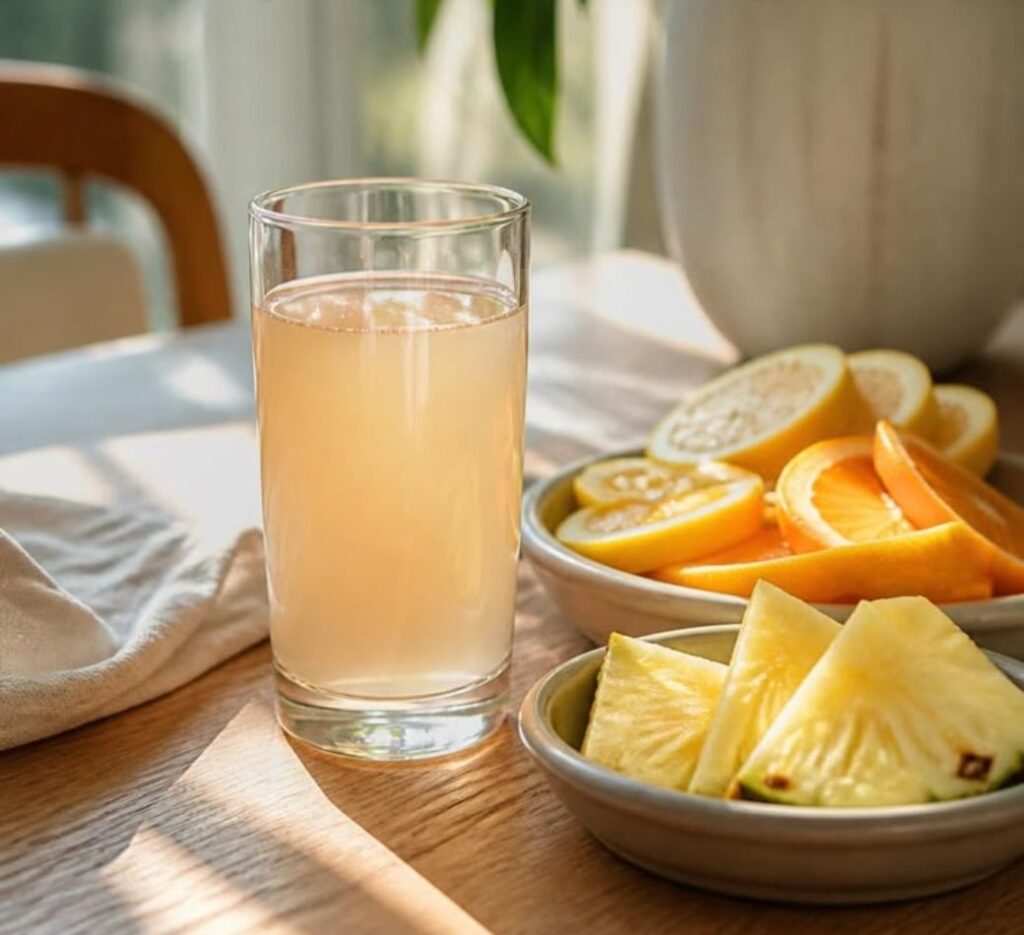
You can make simple natural energy drinks without buying a commercial energy beverage.
Green Tea and Lemon Energy Drink
Ingredients:
- 1 cup brewed green tea
- 1 cup cold water
- Fresh lemon juice
- Ice
- Optional stevia or monk fruit
Method:
- Brew the green tea.
- Let it cool.
- Add cold water and lemon juice.
- Add ice.
- Add a small amount of sweetener if needed.
This recipe gives you tea-derived caffeine while letting you control the sweetness.
Matcha Focus Drink
Ingredients:
- 1 teaspoon matcha
- 8–12 ounces cold or warm water
- Ice
- Optional unsweetened milk
- Optional small amount of natural sweetener
Whisk the matcha with a small amount of water until smooth. Add the remaining water and ice.
You can adjust the matcha amount according to your caffeine sensitivity.
Yerba Mate Citrus Drink
Ingredients:
- Brewed yerba mate
- Cold water
- Lemon or lime
- Ice
- Optional monk fruit or stevia
Brew the mate, cool it, add citrus, and serve over ice.
Always check your caffeine intake when you combine several caffeinated beverages during the same day.
Best Natural Energy Drinks for Afternoon Fatigue Without Sugar
Afternoon fatigue often comes from more than a lack of caffeine.
Your energy can drop because of:
- Poor sleep
- Dehydration
- Long gaps between meals
- Large meals
- Stress
- Low physical activity
- Excessive caffeine use
A zero-sugar natural energy drink can provide caffeine without adding a large amount of sugar. But it cannot replace adequate sleep, food, hydration, or recovery.
For afternoon use, consider a moderate-caffeine tea-based drink rather than automatically choosing the strongest available beverage.
Natural Pre-Workout Drinks for Steady Stamina
You can use tea, coffee, matcha, or other caffeinated drinks before exercise.
Your best option depends on your caffeine tolerance and training time.
A pre-workout drink should not create unnecessary stimulant exposure.
For evening workouts, caffeine can interfere with sleep. That creates a cycle where you use more caffeine the next day to compensate for poor sleep.
Therefore, consider your entire daily caffeine intake rather than focusing on one drink.
Natural Energy Drinks vs. Traditional Energy Drinks
| Feature | Natural Energy Drink | Traditional Energy Drink |
|---|---|---|
| Caffeine source | Often botanical | Synthetic, botanical, or both |
| Sugar | Can range from zero to high | Often varies widely |
| Botanical ingredients | Common | Formula-dependent |
| L-theanine | Sometimes included | Sometimes included |
| Testing transparency | Varies | Varies |
| “Natural” label | Common marketing focus | Less common |
| Healthiness | Depends on formula | Depends on formula |
The label alone cannot determine whether a drink qualifies as a healthy choice.
Health Risks, Dosages, and Expert Safety Guidelines
Caffeine remains the most important safety factor in most energy drinks.
The FDA cites 400 mg of caffeine per day as an amount that generally does not cause negative effects for most healthy adults. However, sensitivity varies between individuals.
EFSA also concludes that single caffeine doses up to 200 mg for healthy adults generally do not raise safety concerns.
These figures do not mean everyone should consume those amounts.
Watch for Excess Caffeine
Too much caffeine can cause:
- Nervousness
- Restlessness
- Faster heartbeat
- Sleep problems
- Headaches
- Stomach discomfort
- Anxiety
- Jitters
Your total daily caffeine intake includes caffeine from:
- Energy drinks
- Coffee
- Tea
- Pre-workout products
- Soft drinks
- Chocolate
- Supplements
Who Should Exercise Extra Caution?
You should speak with a healthcare professional before using high-caffeine products if you:
- Have a medical condition that affects caffeine sensitivity
- Take medications that may interact with caffeine
- Have concerns about heart rhythm or blood pressure
- Are pregnant or trying to become pregnant
- Breastfeed
The FDA specifically recommends discussing caffeine limits with a healthcare professional during pregnancy, while trying to become pregnant, or while breastfeeding.
Children and teenagers should avoid energy drinks. Medical experts warn about the effects of high caffeine and sugar intake in young people.
How to Choose a Healthy Clean Energy Drink
Use this checklist before you buy.
Check the Caffeine Amount
Look for the exact milligrams per serving.
Do not rely on phrases such as:
- Natural energy
- Clean energy
- Plant powered
- Sustained energy
These phrases do not tell you the actual caffeine dose.
Check the Sugar
Choose a low-sugar or zero-sugar option if you want to reduce added sugar.
Check the Ingredient List
Look for transparent formulas.
Avoid products that hide large amounts of stimulants inside vague proprietary blends.
Check Third-Party Testing
Look for accessible testing documentation when the manufacturer makes purity claims.
Check the Serving Size
A can may contain more than one serving.
Always calculate the caffeine and sugar across the entire container.
The Biggest Myths About Natural Energy Drinks
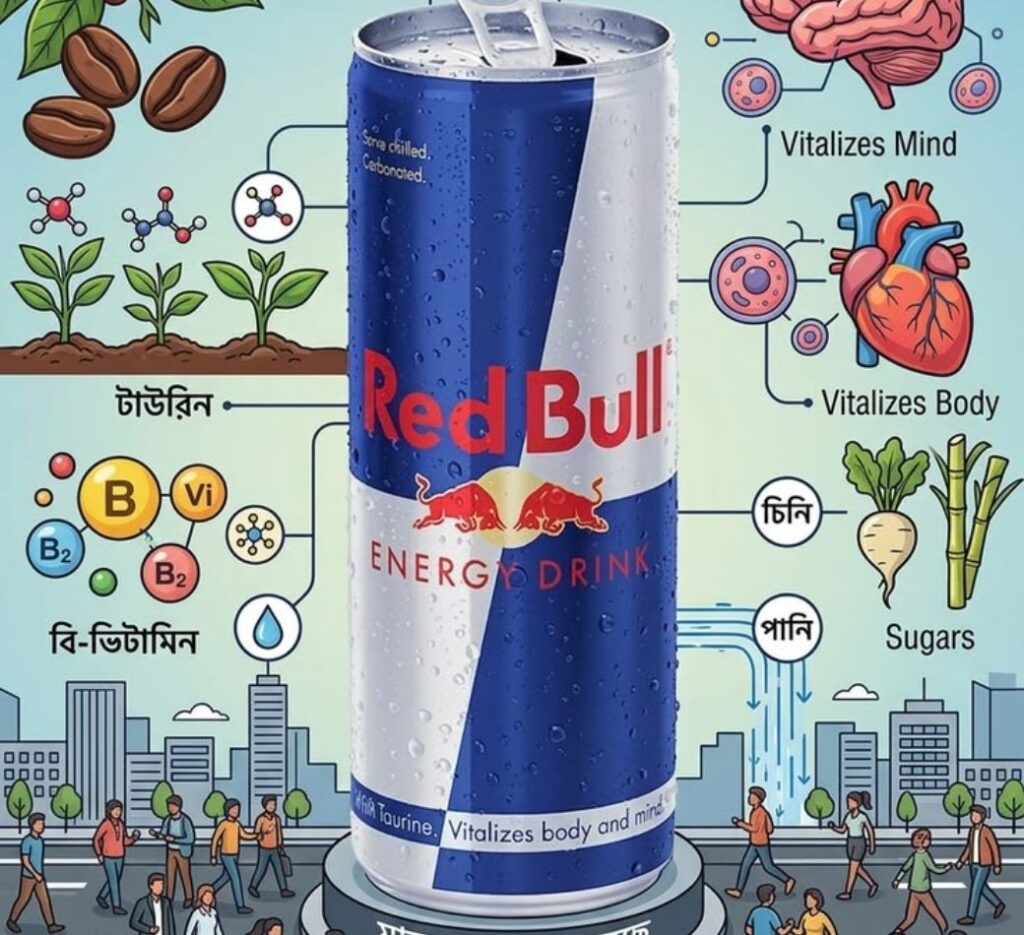
Myth 1: Natural Caffeine Never Causes a Crash
Reality: Natural caffeine can still produce unwanted effects. Your response depends on dose, tolerance, timing, sleep, and other factors.
Myth 2: Synthetic Caffeine Automatically Causes More Side Effects
Reality: Caffeine molecules from different sources do not become completely different substances in your body. The total dose and surrounding formula matter.
Myth 3: Zero Sugar Means Healthy
Reality: A zero-sugar drink can still contain a high caffeine dose or multiple stimulants.
Myth 4: More Adaptogens Mean Better Energy
Reality: A long ingredient list does not guarantee better results.
Myth 5: L-Theanine Eliminates Caffeine Jitters
Reality: Research supports potential benefits from combining L-theanine and caffeine for certain attention and mood outcomes, but L-theanine does not guarantee a jitter-free response.
A Simple Natural Energy Drink Buying Formula
Use this five-step method:
1. Start with caffeine.
Choose a dose that matches your tolerance.
2. Check the sugar.
Prefer low-sugar or zero-sugar options if that matches your goals.
3. Review the source.
Look for clearly identified tea, mate, guarana, coffee, or other botanical sources.
4. Evaluate supporting ingredients.
Consider L-theanine or other ingredients only when the product provides meaningful amounts and transparent labeling.
5. Check testing.
Prefer companies that provide credible third-party testing information.
This method works better than choosing a drink because its front label says “natural.”
Frequently Asked Questions
What are natural energy drinks?
Natural energy drinks use ingredients from sources such as green tea, yerba mate, guarana, green coffee beans, or guayusa. Some formulas also include L-theanine, ginseng, or other botanicals.
Are natural energy drinks healthier than regular energy drinks?
Not automatically. A natural energy drink can still contain high caffeine, added sugar, or concentrated botanical extracts. Always evaluate the complete formula.
Is natural caffeine better than synthetic caffeine?
Natural and synthetic caffeine contain the same caffeine molecule. The source does not automatically make one safer or more effective. The caffeine dose and complete formulation matter more.
How does L-theanine work with caffeine?
Research suggests that L-theanine combined with caffeine may improve certain attention and cognitive tasks. However, researchers still need more real-world evidence to understand the full effect.
Can natural energy drinks provide sustained focus?
They can provide caffeine that supports alertness and attention. However, no drink can guarantee sustained focus for everyone. Sleep, food, hydration, stress, and caffeine tolerance also affect concentration.
What is the best natural energy drink for afternoon fatigue?
A moderate-caffeine green tea, matcha, or yerba mate drink can work well for some people. Choose a low-sugar formula and avoid excessive caffeine late in the day so you do not disrupt sleep.
Are zero-sugar natural energy drinks better?
Zero-sugar formulas can help reduce added sugar and calories. However, you still need to check caffeine and other stimulants.
Can I make a natural energy drink at home?
Yes. You can make simple drinks with green tea, matcha, yerba mate, lemon, water, and optional low-calorie sweeteners.
Can natural energy drinks cause side effects?
Yes. Caffeine can cause jitters, restlessness, sleep problems, headaches, stomach discomfort, or a faster heartbeat in sensitive people.
How much caffeine should I consume?
Most healthy adults can generally tolerate up to 400 mg of caffeine per day, according to FDA guidance, while EFSA considers single doses up to 200 mg generally safe for healthy adults. Individual tolerance varies.
Conclusion
Natural energy drinks can offer a useful alternative to heavily sweetened energy beverages. Tea, matcha, yerba mate, guarana, green coffee, and guayusa can provide plant-derived caffeine. Some formulas also combine caffeine with L-theanine or botanical extracts.
However, natural does not automatically mean healthy or risk-free.
The smartest approach focuses on the complete formula. Check the caffeine dose, sugar content, ingredient transparency, serving size, and third-party testing. Then match the drink to your personal caffeine tolerance and energy needs.
Research supports some potential benefits from caffeine and L-theanine, particularly for attention and short-term cognitive performance, but researchers still need more real-world evidence.
Most importantly, do not treat unverified product claims or unpublished field-test numbers as clinical evidence. If you publish original testing results, show your real methodology, participant information, measurements, limitations, and supporting data.
Medical Disclaimer: This article provides general educational information. It does not provide personal medical advice or replace advice from a qualified healthcare professional. Speak with your healthcare professional before using high-caffeine or concentrated botanical products if you have a medical condition, take medication, or have concerns about caffeine safety.
Author and Reviewer Note
Use the supplied Dr. Elena Rostova, MS, RD, CSCS and Dr. Marcus Vance, MD author/reviewer profiles only if these professionals actually exist, hold the stated credentials, reviewed the article, and consent to publication. Replace the profile links with real professional profiles and publications.
Do not publish the proposed “25-participant double-blind trial,” “38% slower release,” “62% fatigue reduction,” or “27% cognitive improvement” as completed research unless you possess genuine study data and can substantiate each claim.