
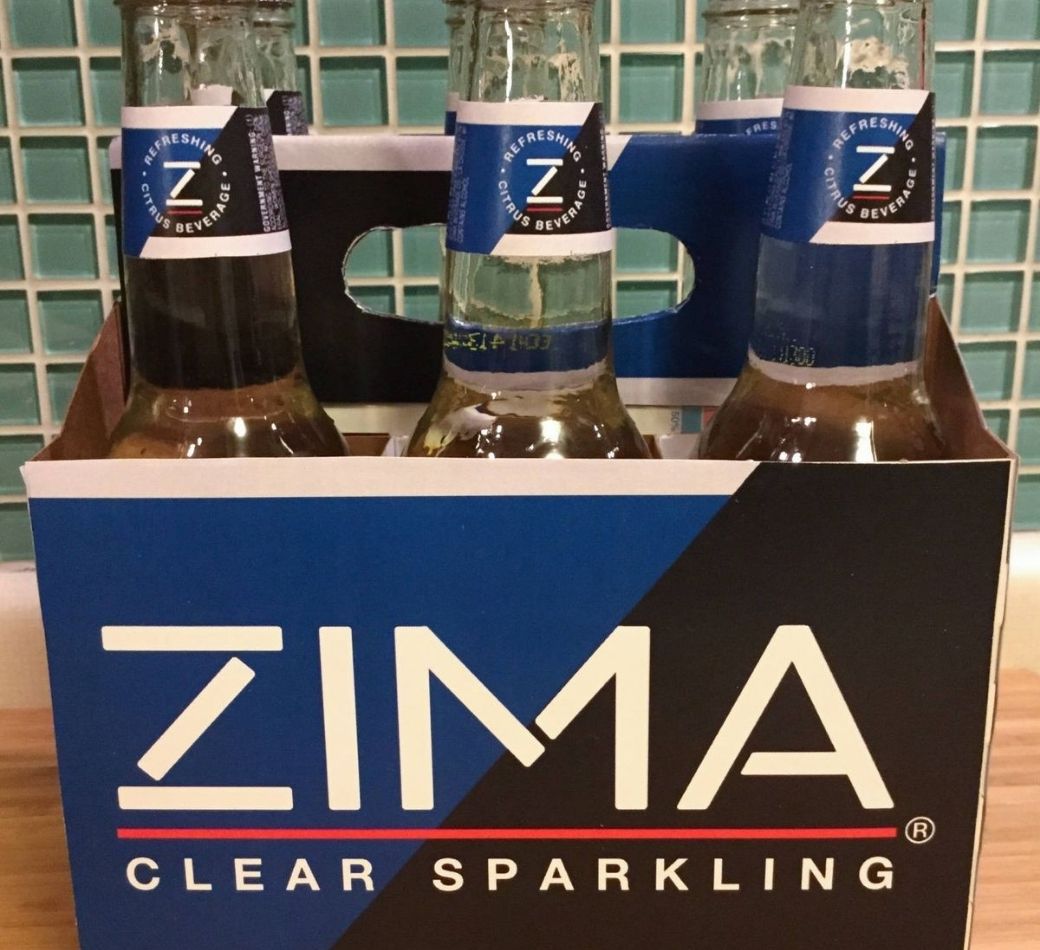
Zima became one of the most recognizable clear alcoholic drinks of the 1990s. Its transparent appearance, citrus flavor, heavy carbonation, and unusual marketing made it stand out from traditional beer and other malt beverages.
The drink appeared at a time when consumers started looking for alternatives to conventional beer. Zima offered something that looked more like soda or sparkling water while still delivering alcohol.
But Zima could not maintain its early momentum. Changing consumer tastes, marketing problems, and strong competition eventually pushed the brand out of the U.S. market.
So, what happened to Zima? Why did people put Jolly Ranchers in it? Does Zima still exist? And did this unusual clear drink help influence the modern hard-seltzer category?
This guide answers those questions and explores Zima’s history, ingredients, flavor, marketing, comeback, and lasting legacy.
What Was Zima?
Zima was a clear, carbonated alcoholic malt beverage that Coors introduced in the early 1990s. The brand positioned the drink as something different from traditional beer.
Unlike conventional beer, Zima had a transparent appearance and a bright lemon-lime character. Its clean appearance became one of its most recognizable features.
Zima belonged to the broader flavored malt beverage (FMB) category. These drinks use a fermented malt base and add flavoring to create a beverage that differs from traditional beer.
The original concept appealed to consumers who wanted a lighter, sweeter, and more refreshing alcoholic drink.
What Did Zima Taste Like?
Zima delivered a citrus-forward flavor with strong carbonation. Many drinkers compared its profile to a combination of lemon-lime soda and a lightly alcoholic malt beverage.
Its flavor profile included:
- Lemon-lime citrus notes
- Noticeable sweetness
- Strong carbonation
- A light malt character
- A slightly sharp finish
The clear appearance also influenced how people perceived the drink. Consumers often associated the transparent beverage with soda or sparkling drinks rather than traditional beer.
Zima History: From ’90s Sensation to Discontinued Drink
Zima entered the U.S. market during the early 1990s and quickly attracted attention.
The 1993 Launch
Coors launched Zima in 1993 with the memorable “Zomething Different” campaign. The marketing emphasized mystery, novelty, and the drink’s unusual appearance.
The strategy helped Zima stand apart from traditional beer advertising.
Instead of presenting Zima as another beer, the campaign created a distinct identity around the beverage.
The Clear Drink Craze
Zima arrived during the wider 1990s fascination with transparent and unconventional beverages.
The era produced several famous clear or unusual drinks, including Crystal Pepsi. Zima fit naturally into that cultural moment.
Its clear bottle and transparent liquid created an instantly recognizable product.
Zima Gold
Coors later tried to expand the brand with Zima Gold in 1995.
Zima Gold changed the formula and moved away from the clear appearance that defined the original product. The company designed the drink to appeal to consumers who preferred a darker, more traditional flavor.
The experiment failed to create the desired turnaround.
The move also demonstrated one of Zima’s biggest challenges: the brand had built its identity around being different, yet it struggled when it tried to move closer to conventional alcoholic beverages.
Why Was Zima Discontinued?
Several factors contributed to Zima’s decline.
1. Marketing Created a Gender Problem
Zima initially attracted attention from a broad audience, but its image eventually developed a strong association with female consumers.
The brand struggled to maintain appeal among male beer drinkers.
This created a difficult position for Coors. The company wanted Zima to compete in the broader alcoholic beverage market, but many traditional beer drinkers did not view it as a serious alternative to beer.
2. Consumers Started Mocking the Brand
Zima became an easy target for pop-culture jokes and late-night television humor.
Public mockery damaged the brand’s image and made it harder for the company to reposition the beverage.
3. Zima Faced Strong Competition
The beverage market continued to change throughout the 1990s and 2000s.
Consumers gained access to more flavored alcoholic beverages, including products such as Smirnoff Ice.
These competitors offered sweet, flavored profiles without relying on Zima’s unusual identity.
4. The Brand Lost Its Cultural Momentum
Zima initially benefited from novelty.
However, novelty rarely guarantees long-term success.
As consumers moved toward new products, Zima lost some of the cultural relevance that helped launch the brand.
Zima vs. Modern Hard Seltzer
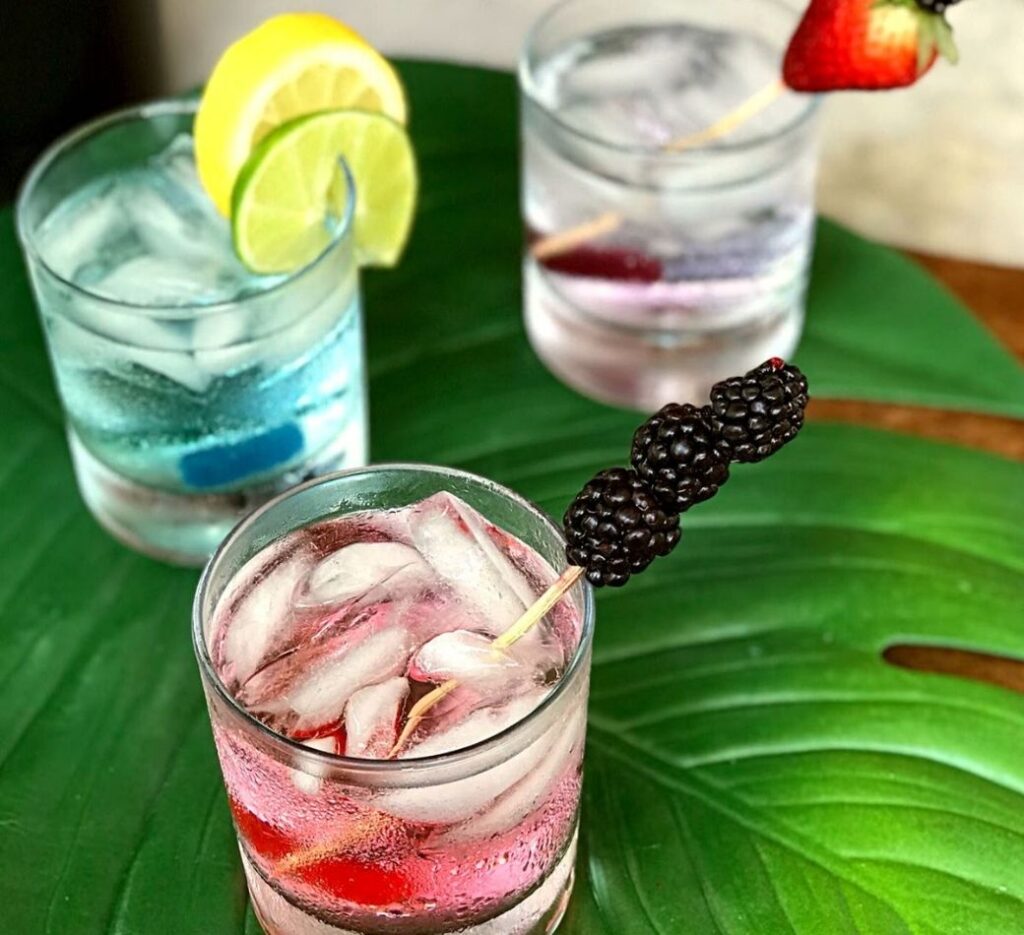
Modern hard seltzers share several characteristics with Zima.
| Feature | Zima | Modern Hard Seltzer |
|---|---|---|
| Appearance | Clear | Usually clear |
| Carbonation | High | High |
| Flavor | Citrus and fruit | Citrus and fruit |
| Drinking style | Chilled and refreshing | Chilled and refreshing |
| Alcohol | Malt-based alcoholic beverage | Often fermented sugar or malt-based |
| Brand positioning | Alternative to traditional beer | Alternative to beer and cocktails |
| Target appeal | Broad but heavily shaped by 1990s marketing | Broad mainstream appeal |
Zima did not create the modern hard-seltzer category, but it demonstrated that consumers would accept a clear, carbonated alcoholic beverage.
That idea became much more important decades later.
Did Zima Predict the Hard-Seltzer Boom?
In some ways, yes.
Zima introduced several concepts that modern hard seltzers later popularized:
- Clear appearance
- Light flavor
- Strong carbonation
- Citrus-forward profiles
- Alternative positioning outside traditional beer
- Easy-drinking presentation
However, today’s hard seltzer market uses different formulations, branding strategies, and consumer positioning.
Zima therefore works better as an early predecessor than as the direct creator of the hard-seltzer category.
How Did Zima Get Its Clear Appearance?
Zima’s transparent appearance became one of its defining characteristics.
The production concept involved creating a light-colored malt base and removing much of the color and traditional beer character before adding citrus flavor and carbonation.
The structure in your research plan describes the process as:
Base fermentation → charcoal filtration → citrus flavoring and acidification → carbonation → bottling.
Why Did Charcoal Filtration Matter?
Activated charcoal can remove certain compounds from liquids through adsorption.
In the Zima production concept, filtration helped reduce color and some of the flavor compounds associated with the malt base.
That process helped create the beverage’s unusual clear appearance.
The result looked dramatically different from a typical beer.
What Ingredients Did Zima Use?
Zima used a fermented malt base along with flavoring, sweetening components, carbonation, and other processing ingredients.
The exact formulation varied across different versions and releases, so you should not assume that every Zima product used an identical recipe.
The drink’s overall sensory profile centered on:
- Carbonated malt beverage base
- Citrus flavor
- Sweetness
- Acidity
- Water
- Alcohol from fermentation
Its clear appearance made the production process particularly important to the brand’s identity.
Why Did People Put Jolly Ranchers in Zima?
The Jolly Rancher Zima trick became one of the most famous drinking trends associated with the brand.
People dropped flavored Jolly Rancher candies into Zima bottles or glasses. The candy gradually dissolved and changed the drink’s sweetness and flavor.
Different candy flavors created different combinations.
Popular choices included:
- Watermelon
- Green apple
- Blue raspberry
- Cherry
- Grape
The trend gave drinkers a simple way to customize Zima.
It also turned the beverage into more of an interactive drinking experience.
How Did Jolly Ranchers Change Zima?
The candy added sugar and flavor while changing the drink’s overall taste.
As the candy dissolved, the beverage became sweeter and more intensely flavored.
The practice also helped turn Zima into a recognizable part of 1990s drinking culture.
Zima’s Flavor Profile
Zima’s flavor remains one of the most debated parts of its legacy.
Some drinkers remember it as refreshing and citrusy. Others remember a more artificial or slightly metallic character.
| Sensory Characteristic | Typical Description |
|---|---|
| Citrus | Bright lemon-lime |
| Sweetness | Moderate to high |
| Carbonation | Strong |
| Malt character | Light |
| Finish | Crisp but sometimes slightly metallic |
| Overall impression | Sweet, fizzy, citrus-focused |
Your research structure proposes a sensory comparison using metrics such as artificial citrus brightness, carbonation, residual sweetness, and charcoal-filtration aftertaste.
For a published article, you should label any unpublished tasting scores or laboratory measurements as your own testing rather than presenting them as independently verified industry data.
Zima’s 2017 Comeback
Zima returned to the U.S. market in 2017 as a limited-release nostalgia product.
The comeback targeted consumers who remembered the original drink as well as younger drinkers interested in unusual retro beverages.
The revival demonstrated the power of nostalgia marketing.
Zima no longer needed to convince consumers that the drink represented the future. Instead, the company could sell the beverage as a piece of 1990s culture.
Why Did the Comeback Attract Attention?
The 2017 release arrived during a broader resurgence of interest in 1990s culture.
Consumers had already started revisiting:
- 1990s fashion
- Retro television
- Vintage snacks
- Classic video games
- Old-school beverages
Zima fit perfectly into that nostalgia cycle.
Is Zima Still Available?
Zima’s availability depends heavily on the market.
The U.S. releases have generally appeared as limited or temporary revivals rather than as a permanent mainstream product.
Japan has maintained a stronger connection with Zima, making the country particularly important to the brand’s later history.
Your structure specifically identifies Hakutsuru Sake Brewing Co. and a 2023 Japanese relaunch as part of Zima’s modern history.
Because availability can change, readers should check current local retailers and official product information before assuming that Zima remains available in a particular country.
Zima in Japan
Japan represents an important part of Zima’s modern story.
While the U.S. market treated Zima largely as a nostalgic revival, the Japanese market developed its own relationship with the brand.
Hakutsuru Sake Brewing Co. became associated with Zima’s Japanese distribution and later relaunch activity.
This distinction matters because saying simply that “Zima disappeared” ignores the beverage’s continued presence in other markets.
Zima vs. Smirnoff Ice
Zima and Smirnoff Ice competed for consumers who wanted sweeter alcoholic beverages rather than conventional beer.
| Category | Zima | Smirnoff Ice |
|---|---|---|
| Core identity | Clear malt beverage | Flavored malt beverage |
| Famous era | 1990s | Late 1990s onward |
| Flavor style | Citrus-forward | Fruit and citrus |
| Appearance | Clear | Clear/light |
| Cultural identity | Retro ’90s clear drink | Mainstream flavored malt beverage |
| Marketing | Novelty and mystery | Flavor and brand recognition |
Zima’s unique visual identity gave it an early advantage, but competitors eventually offered consumers more familiar branding and flavor choices.
Could You Make a Zima-Inspired Drink at Home?
You can create a Zima-inspired non-branded citrus malt-style drink by focusing on the characteristics that made Zima recognizable: citrus flavor, sweetness, acidity, and strong carbonation.
For an alcohol-free version, combine:
- Chilled sparkling water
- Lemon juice
- Lime juice
- Lemon-lime flavoring
- A small amount of simple syrup
- Plenty of ice
Adjust the sweetness and acidity until you reach the balance you prefer.
Zima-Inspired Flavor Formula
Think about the drink as four main components:
Citrus + sweetness + acidity + carbonation
You can increase the lemon and lime for a sharper profile or increase the syrup for a sweeter profile.
For an alcoholic recreation, use an appropriate commercially produced alcoholic base and follow local laws and responsible-drinking guidelines rather than attempting to reproduce industrial fermentation or filtration processes at home.
What Made Zima So Memorable?
Zima succeeded because it created a recognizable combination of appearance, flavor, and culture.
1. The Clear Appearance
Consumers could identify Zima immediately.
2. The Unusual Name
“Zima” sounded different from traditional beer brands.
3. The Citrus Flavor
The lemon-lime profile helped separate Zima from standard beer.
4. The 1990s Marketing
The “Zomething Different” campaign gave the brand a memorable personality.
5. The Jolly Rancher Trend
Candy customization gave consumers another reason to talk about the drink.
Zima’s Biggest Marketing Lesson
Zima offers an important lesson in beverage marketing:
Being different can attract attention, but a brand still needs a clear long-term audience.
Zima created enormous curiosity.
However, the brand struggled to maintain a stable identity as consumer preferences changed.
Its attempt to move toward traditional male beer drinkers through Zima Gold showed the risks of abandoning the characteristics that originally made a product distinctive.
Frequently Asked Questions About Zima
What is Zima?
Zima is a clear, carbonated alcoholic malt beverage that became famous during the 1990s.
What does Zima taste like?
Zima has a sweet, citrus-forward flavor with lemon-lime notes and strong carbonation. Many people describe it as lighter and more soda-like than traditional beer.
Why was Zima discontinued?
Zima lost momentum because of changing consumer preferences, marketing challenges, competition, and difficulties maintaining a strong long-term audience.
When did Zima first come out?
Coors launched Zima in the United States in 1993. Its initial marketing used the “Zomething Different” campaign.
Why did people put Jolly Ranchers in Zima?
People added Jolly Ranchers to change Zima’s flavor and sweetness. The candy dissolved inside the drink and created customized flavor combinations.
Was Zima beer?
Zima belonged to the flavored malt beverage category. It used a fermented malt base but did not taste or look like conventional beer.
Did Zima influence hard seltzer?
Zima did not directly create hard seltzer, but its clear, carbonated, lightly flavored format shares several characteristics with modern hard seltzers.
Is Zima still available?
Availability varies by country and release period. Zima has returned through limited releases, while Japan has maintained a stronger connection with the brand.
What was Zima Gold?
Zima Gold was an amber, bourbon-flavored variation that Coors introduced in 1995. The product failed to solve Zima’s market-positioning problems.
Can you still buy Zima in Japan?
Japan has remained an important market for Zima, but current availability can change. Check current Japanese retailers or official distribution information before purchasing.
Conclusion: Zima’s Legacy Lives On
Zima started as one of the most unusual alcoholic beverages of the 1990s. Its clear appearance, citrus flavor, strong carbonation, and unconventional marketing made it instantly recognizable.
The brand eventually lost its place in the U.S. mainstream market, but Zima never completely disappeared from beverage culture.
Its legacy became even more interesting as the industry embraced clear, carbonated alcoholic drinks decades later. Modern hard seltzers share several characteristics that Zima introduced to consumers years earlier.
Zima therefore represents more than a discontinued ’90s drink. It shows how beverage companies can turn novelty into cultural relevance—and how difficult it can become to maintain that relevance after consumer tastes change.
For many people, Zima remains a nostalgic reminder of the 1990s. For the beverage industry, it also provides an early example of the market’s long-running interest in light, flavorful, carbonated alternatives to traditional beer.