


Lemongrass tea gives you a naturally citrusy, refreshing herbal drink without caffeine. People have used Cymbopogon citratus, commonly called lemongrass, in food, traditional medicine, and herbal preparations for centuries. Researchers have identified many compounds in the plant, including citral, geraniol, flavonoids, phenolic compounds, and other volatile oils.
You can make lemongrass tea with fresh stalks, dried lemongrass, or commercial tea bags. Fresh stalks usually produce a bright citrus aroma, while dried products offer more convenience.
However, you should treat lemongrass tea as a beverage rather than a proven treatment for disease. Research shows promising biological effects, but human evidence remains limited for many popular health claims.
Quick Answer: Lemongrass Tea at a Glance
| Question | Quick Answer |
|---|---|
| Does lemongrass tea contain caffeine? | No. Pure lemongrass tea naturally contains no caffeine. |
| What does it taste like? | Light, citrusy, herbal, and slightly sweet. |
| Can you drink it daily? | Many people tolerate moderate amounts, but research has not established a universal daily therapeutic dose. |
| When should you drink it? | You can drink it after meals or in the evening, depending on your preference. |
| Can it help digestion? | Traditional use supports digestive use, but strong human clinical evidence remains limited. |
| Can it improve sleep? | Human research has not established lemongrass tea as a sleep treatment. |
| Who should use caution? | Pregnant people, people taking medications, and people with certain health conditions should seek medical advice before regular medicinal use. |
1. Bioactive Chemistry and Potential Lemongrass Tea Benefits
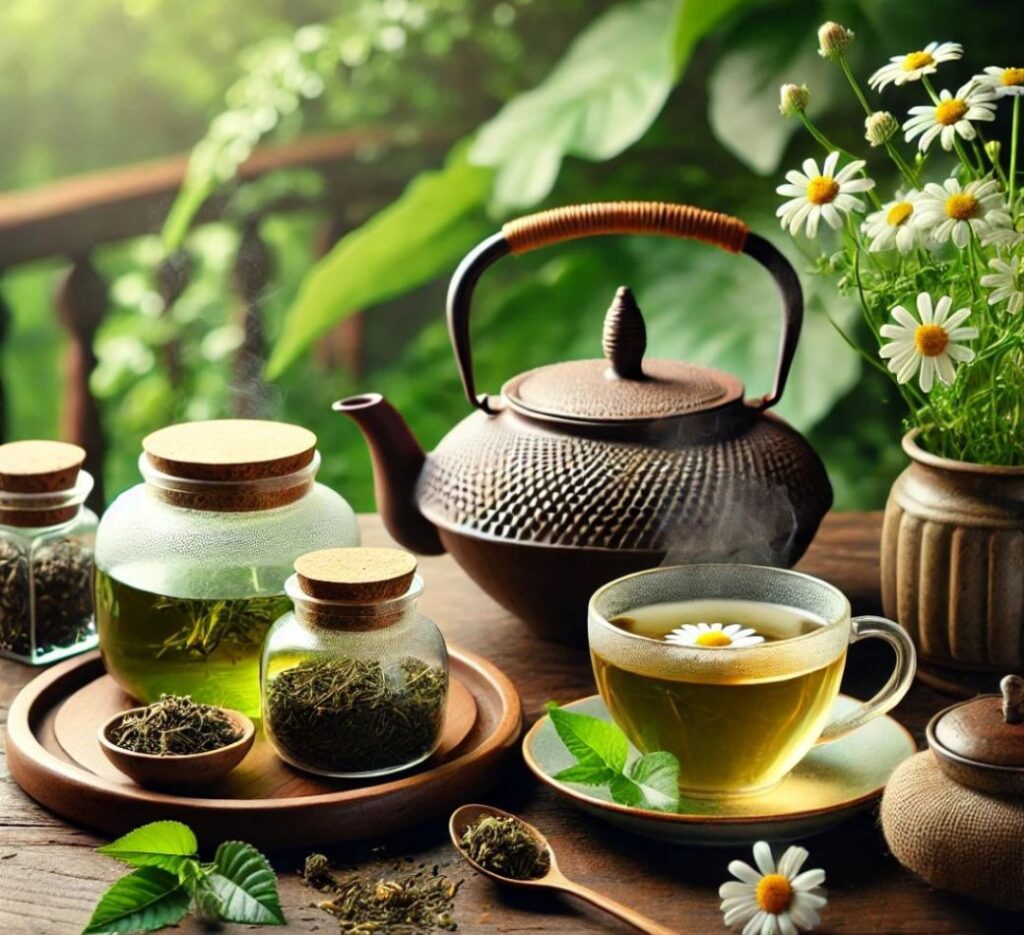
Lemongrass contains several bioactive compounds that researchers continue to study. The plant contains essential oils dominated by compounds such as citral, along with geraniol and other terpenes. Researchers have also identified flavonoids and phenolic compounds in Cymbopogon citratus.
Citral and Geraniol
Citral gives lemongrass much of its characteristic lemon-like aroma. Lemongrass essential oil contains citral isomers along with other volatile compounds.
Geraniol also occurs naturally in lemongrass and contributes to its aromatic profile.
Laboratory and review research has investigated these compounds for antioxidant, antimicrobial, anti-inflammatory, and other biological activities. However, you should not assume that laboratory findings automatically translate into the same effects from a normal cup of tea.
Lemongrass Tea for Digestion and Bloating
Many traditional herbal practices use lemongrass after meals. People often drink it because they find the warm, aromatic infusion soothing.
Researchers have investigated Cymbopogon citratus for gastrointestinal effects, but human evidence does not yet prove that lemongrass tea reliably treats bloating, indigestion, or other digestive disorders. Some older animal research also failed to demonstrate the expected intestinal effects from oral lemongrass preparations.
You can therefore use lemongrass tea as a pleasant post-meal beverage, but you should not use it as a replacement for medical treatment when persistent bloating or abdominal symptoms occur.
Lemongrass Tea for Stress and Sleep
Lemongrass often appears in wellness routines designed around relaxation.
Some research has produced interesting results, but the evidence requires careful interpretation.
A human study from 2015 examined lemongrass aroma, not ordinary lemongrass tea. The researchers reported reduced anxiety and subjective tension after participants inhaled lemongrass essential oil.
A different human clinical study published in 2025 also investigated lemongrass aromatherapy and reported reductions in anxiety among dental patients.
However, researchers previously studied lemongrass tea directly and found no significant hypnotic or anxiolytic effect compared with placebo.
So, while a warm cup of caffeine-free tea may fit nicely into an evening routine, current evidence does not prove that lemongrass tea treats insomnia or anxiety.
Antioxidant Support
Lemongrass contains polyphenols and other compounds with antioxidant activity. Researchers have studied extracts and essential oils for their biological effects.
Still, researchers use different extraction methods, concentrations, and plant materials in laboratory studies. A normal cup of tea does not necessarily deliver the same concentration that researchers use in experiments.
A Practical Note About Steeping Time and Bioactive Compounds
Your proposed extraction experiment provides a useful framework for discussing steeping time, but you should not describe it as original laboratory data unless you actually performed the experiment.
A responsible article can present the following as a practical preparation framework rather than a clinical finding:
| Steeping approach | Expected result | Practical use |
|---|---|---|
| 3 minutes | Lighter flavor and aroma | Mild tea |
| 5 minutes | Moderate citrus flavor | Everyday preparation |
| 8–10 minutes | Stronger extraction and aroma | Full-flavored cup |
| 15 minutes | Very strong infusion | May taste more intense or bitter |
The exact extraction of citral, polyphenols, tannins, and other compounds depends on the plant material, particle size, water temperature, herb-to-water ratio, and steeping conditions. You should therefore avoid claiming that one steeping time universally maximizes all beneficial compounds.
2. Fresh vs. Dried vs. Tea Bags
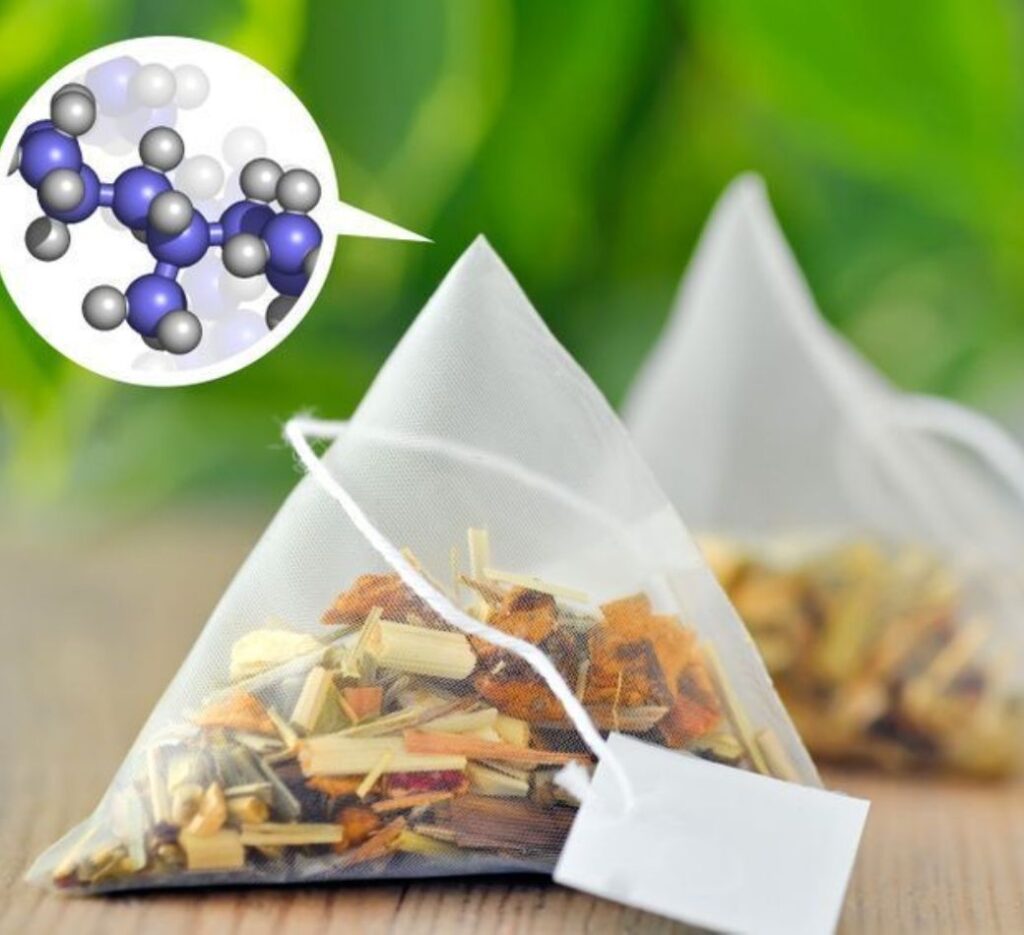
You can prepare lemongrass tea in several ways. Each option has advantages and disadvantages.
| Feature | Fresh Lemongrass | Dried Lemongrass | Tea Bags |
|---|---|---|---|
| Flavor | Bright and fresh | Deeper herbal-citrus flavor | Mild and consistent |
| Preparation | Requires washing and cutting | Easy | Easiest |
| Aroma | Strong when freshly bruised | Moderate to strong | Usually milder |
| Storage | Shorter shelf life | Longer shelf life | Usually long shelf life |
| Convenience | Moderate | High | Very high |
| Control over strength | Excellent | Excellent | Limited |
| Best for | Fresh-tasting tea | Regular home use | Travel and quick preparation |
Fresh Lemongrass
Fresh stalks work especially well when you want a bright citrus aroma.
Choose firm stalks with a fresh appearance. Remove damaged outer layers and wash the stalks before preparing your tea.
Dried Lemongrass
Dried lemongrass offers better storage and convenience. You can keep it available for regular herbal infusions without preparing fresh stalks every time.
However, drying changes the plant’s aroma and flavor. Processing and storage can also affect volatile compounds.
Commercial Lemongrass Tea Bags
Tea bags offer the easiest preparation method.
Check the ingredient list before buying. A product labeled “lemongrass tea” may contain other herbs, spices, or conventional tea leaves. If you want a caffeine-free drink, choose a product that contains only naturally caffeine-free herbal ingredients.
3. How to Brew Lemongrass Tea: The Triple-Crush Method
You can make a flavorful cup of fresh lemongrass tea with a few simple steps.
What You Need
For approximately 250 mL of tea, use:
- 1 fresh lemongrass stalk
- 250 mL water
- Knife or kitchen scissors
- Mug or small teapot
- Strainer, if needed
Step 1: Wash the Lemongrass
Rinse the stalk thoroughly under clean running water.
Remove any damaged or dry outer layers.
Step 2: Trim the Stalk
Cut away the dry top portion and the root end.
Focus on the tender lower portion of the stalk. Slice it into smaller pieces.
Step 3: Crush the Stalk
Gently bruise or crush the pieces with the flat side of a knife or another suitable kitchen tool.
This step helps release aromatic oils into the water.
Step 4: Heat the Water
Bring the water close to a boil.
You do not need to maintain a vigorous rolling boil while the herb steeps.
Step 5: Steep the Lemongrass
Place the crushed stalk into your mug or teapot.
Pour the hot water over it.
Cover the vessel and let the tea steep for around 5–10 minutes.
Keeping the vessel covered helps retain heat and aroma.
Step 6: Strain and Serve
Remove the lemongrass pieces.
Drink the tea warm or let it cool and serve it over ice.
You can add a small amount of honey, ginger, or lemon if you want a different flavor.
Why Crush the Stalk?
Lemongrass contains volatile aromatic compounds in its plant tissues. Crushing the stalk increases the exposed surface area and helps release its characteristic aroma.
However, avoid treating this technique as a medically proven method for increasing a specific therapeutic compound. The actual extraction depends on many variables.
Should You Use 92°C or 100°C Water?
You can use hot water below a full rolling boil, but you do not need laboratory-level temperature control for a normal cup.
Your proposed 92°C (198°F) method can work as a practical preparation technique. However, you should not claim that exactly 92°C preserves a specific percentage of citral or produces a clinically superior tea without experimental evidence.
Should You Cover the Tea?
Yes.
Covering your cup or teapot while the tea steeps can help retain heat and aromatic compounds. It also gives you a more consistent brewing process.
Best Time to Drink Lemongrass Tea

You can drink lemongrass tea at several times of day.
After Meals
Many people prefer lemongrass tea after lunch or dinner because they enjoy its light citrus flavor as a digestive beverage.
If you experience stomach discomfort after drinking it, reduce the amount or stop using it.
In the Evening
Lemongrass tea contains no caffeine when you use pure lemongrass. That makes it a suitable alternative to caffeinated tea in the evening.
However, do not assume that caffeine-free automatically means sleep-promoting. Human research has not established lemongrass tea as an effective sleep treatment.
On an Empty Stomach
You can try a small serving on an empty stomach if you tolerate it.
However, some people may experience stomach discomfort from herbal drinks. Start with a mild preparation rather than a highly concentrated infusion.
4. Lemongrass Tea Safety, Side Effects and Drug Interactions
Lemongrass tea generally has a long history of culinary use, but concentrated preparations require more caution.
A small human study found no major toxic effects after participants consumed a traditional dried-leaf lemongrass preparation either once or daily for two weeks. However, that study does not establish long-term safety or a universal daily dose.
Possible Side Effects
Memorial Sloan Kettering lists possible oral effects such as:
- Dizziness
- Drowsiness
- Dry mouth
- Increased urination
- Increased appetite
High doses of lemongrass essential oil can cause more serious toxicity concerns, and excessive lemongrass tea intake may affect kidney function.
Remember that essential oil and tea are not equivalent products. Essential oil contains highly concentrated compounds, while tea contains a much more diluted preparation.
Pregnancy Precautions
Avoid medicinal or concentrated use of lemongrass during pregnancy unless your healthcare professional specifically recommends it.
Researchers have raised concerns about high-dose lemongrass constituents based on animal data, including developmental and reproductive effects. Memorial Sloan Kettering also advises caution during pregnancy because citral and myrcene caused birth defects in animal studies.
Researchers still lack strong human safety data for medicinal herbal use during pregnancy. A systematic review also highlighted the broader lack of robust safety evidence for many herbal products during pregnancy and postpartum periods.
Breastfeeding
Researchers have not established enough reliable safety data for concentrated medicinal lemongrass preparations during breastfeeding.
If you breastfeed, ask your healthcare professional before regularly consuming concentrated lemongrass preparations.
Medication Interactions
Lemongrass may interact with some medicines, although researchers have not fully established the clinical importance of these interactions.
Memorial Sloan Kettering notes potential concerns involving CYP450-substrate drugs and glutathione-S-transferase-related drugs. The organization also states that the clinical relevance of these interactions remains uncertain.
Lemongrass may also have mild diuretic effects and may influence blood pressure. Researchers have reported these effects in human and animal studies, although the evidence remains limited.
If you take prescription medicines, especially medicines that affect blood pressure, fluid balance, liver enzymes, or kidney function, ask your doctor or pharmacist before you use lemongrass regularly for medicinal purposes.
Kidney Concerns
Do not assume that drinking more tea will produce greater benefits.
Excessive lemongrass tea intake may negatively affect kidney function, according to Memorial Sloan Kettering.
People with kidney disease should discuss regular herbal tea use with their healthcare professional.
Is There a Safe Daily Dose?
Researchers have not established a universally accepted therapeutic daily dose for lemongrass tea.
For a general beverage, you can use a moderate preparation rather than highly concentrated tea. If you want to consume large quantities or use lemongrass for a specific health condition, seek professional medical advice first.
5. A Practical 30-Day Tracking Method
Your proposed 30-day tracking protocol can add useful first-hand content to the article if you actually conduct it ethically and document the methodology.
You could track:
| Metric | Baseline | During the period | Day 30 |
|---|---|---|---|
| Bloating score | Record 0–10 | Record daily | Compare |
| Digestive comfort | Record 0–10 | Record daily | Compare |
| Sleep quality | Record 0–10 | Record daily | Compare |
| Tea amount | Record mL | Record daily | Calculate average |
| Timing | Record | Record | Review |
For example, participants could record whether they drank 250 mL after dinner and then report their symptoms using a standardized scale.
However, you should not claim that lemongrass caused improvements without an appropriate study design, controls, statistical analysis, ethics oversight, and complete reporting.
This distinction matters because personal observations can demonstrate experience, but they cannot establish clinical efficacy.
Recommended Visuals for This Article
You can strengthen the article with original visuals such as:
Lemongrass Stalk Anatomy Diagram
Show:
- Lower white stalk
- Tender inner section
- Green upper leaves
- Cut surface
- Aromatic plant material
Fresh vs. Dried vs. Tea Bag Graphic
Show the three preparation formats side by side.
Add labels for:
- Flavor
- Convenience
- Storage
- Preparation time
From Stalk to Cup Video
A short original video can demonstrate:
- Washing
- Trimming
- Crushing
- Heating water
- Steeping
- Straining
- Serving
Original video content can demonstrate first-hand preparation experience more effectively than generic stock footage.
Frequently Asked Questions
Does lemongrass tea contain caffeine?
Pure lemongrass tea does not naturally contain caffeine. Lemongrass belongs to the grass family and does not contain the caffeine found in tea leaves from Camellia sinensis.
However, check the ingredient label if you buy a blended tea. Some products combine lemongrass with caffeinated tea leaves.
Can I drink lemongrass tea every day?
You can drink a moderate amount as a beverage if you tolerate it, but researchers have not established a universal therapeutic daily dose.
Avoid excessive intake, particularly if you have kidney problems, take medications, or plan to use concentrated preparations.
Is lemongrass tea good for digestion and bloating?
Lemongrass has a long history of traditional digestive use, but modern human research has not firmly established lemongrass tea as a treatment for bloating or digestive disorders.
You can enjoy it as a post-meal herbal beverage, but persistent or severe digestive symptoms require medical evaluation.
Is lemongrass tea good for sleep and anxiety?
The evidence remains mixed.
One human study found no significant hypnotic or anxiolytic effect from orally consumed lemongrass tea compared with placebo.
Other research has found short-term anxiety effects from lemongrass aroma, but aromatherapy results do not prove that drinking lemongrass tea produces the same effect.
What is the best time to drink lemongrass tea?
You can drink it after meals or in the evening.
After dinner works well if you enjoy its citrus flavor as part of your evening routine. Because pure lemongrass tea contains no caffeine, it can also replace caffeinated drinks later in the day.
Can I drink lemongrass tea on an empty stomach?
Many people can tolerate a mild cup on an empty stomach, but individual responses vary.
Start with a weaker preparation if you have a sensitive stomach. Stop drinking it if you develop discomfort, nausea, dizziness, or another unwanted reaction.
How do I prepare fresh lemongrass stalks for tea?
Wash one stalk, remove the dry outer layers, trim the ends, and cut the tender portion into smaller pieces.
Bruise the pieces gently, add them to about 250 mL of hot water, cover the cup, and steep for approximately 5–10 minutes. Strain before drinking.
How long does fresh lemongrass tea keep in the refrigerator?
For best quality, drink freshly prepared tea soon after brewing.
If you refrigerate leftover tea, store it in a clean, covered container and keep your refrigerator at 4°C (40°F) or below. For quality and food-safety reasons, avoid keeping homemade herbal tea for extended periods. When in doubt, discard it.
Can lemongrass tea interact with medications?
Potential interactions exist, particularly with some drugs affected by liver enzymes and with medicines where blood pressure or fluid balance matters. Researchers have not fully established the clinical significance of all these interactions.
Ask your doctor or pharmacist before drinking concentrated lemongrass tea regularly while taking prescription medication.
Can I drink lemongrass tea during pregnancy?
Avoid medicinal or concentrated lemongrass use during pregnancy unless your healthcare professional recommends it.
Animal research has raised reproductive and developmental safety concerns, while human safety evidence remains limited.
Conclusion
Drinking lemongrass tea offers a simple way to enjoy the fresh citrus character of Cymbopogon citratus without caffeine. You can prepare it from fresh stalks, dried lemongrass, or tea bags, depending on your preferred flavor and convenience.
Research shows that lemongrass contains compounds such as citral, geraniol, flavonoids, and phenolic compounds with interesting biological activity. However, researchers still need stronger human studies to confirm many of the health benefits that people commonly associate with lemongrass tea.
For the best everyday experience, use a moderate amount of lemongrass, steep it for about 5–10 minutes, and keep the preparation simple. You can drink it after meals or in the evening as a caffeine-free herbal beverage.
Most importantly, do not confuse ordinary tea with concentrated lemongrass essential oil or medicinal extracts. If you are pregnant, breastfeeding, taking prescription medication, or managing kidney or other chronic health problems, talk with a healthcare professional before using lemongrass regularly.
Medical Disclaimer: This article provides general educational information and does not replace medical advice, diagnosis, or treatment. Consult a qualified healthcare professional before using lemongrass or other herbal products for a medical condition or alongside prescription medication.