


Sencha stands as Japan’s most widely recognized style of green tea. Tea producers make it from the leaves of Camellia sinensis, and careful steaming, rolling, shaping, and drying create its distinctive flavor.
A good sencha drink can deliver fresh vegetal notes, gentle sweetness, a savory umami flavor profile, and controlled astringency. However, brewing temperature, steeping time, leaf quality, water, and tea style can dramatically change the final cup.
This sencha green tea guide explains what sencha is, how it compares with matcha, how much caffeine it contains, what benefits researchers associate with green tea, and how to brew loose-leaf sencha correctly.
You will also learn how Yabukita, Shizuoka tea cultivars, fukamushicha, asamushi, shincha, and the Kyusu teapot influence the drinking experience.
What Is Sencha?
Sencha is a Japanese loose-leaf green tea that producers make from Camellia sinensis. Unlike matcha, producers do not grind traditional sencha leaves into a fine powder. Instead, they steam the freshly harvested leaves, roll them, shape them, and dry them.
Japanese tea producers grow sencha across several regions, including Shizuoka, Kagoshima, and Kyoto.
Many producers use the Yabukita cultivar because it offers a balanced combination of aroma, sweetness, umami, and astringency. However, different cultivars can create noticeably different flavor profiles.
What Does Sencha Taste Like?
Sencha can taste:
- Fresh and grassy
- Vegetal
- Sweet
- Savory
- Slightly astringent
- Floral
- Seaweed-like
- Lightly nutty
Brewing temperature plays a major role in this balance. Lower temperatures generally help preserve delicate sweetness and umami, while hotter water extracts more catechins and can increase bitterness and astringency.
Sencha vs Matcha: What Is the Difference?
Both sencha and matcha come from Camellia sinensis, but production and preparation create major differences.
| Feature | Sencha | Matcha |
|---|---|---|
| Form | Loose leaves | Fine powder |
| Preparation | Steep leaves in water | Whisk powder into water |
| Leaf consumption | Leaves remain in the teapot | You consume the entire powdered leaf |
| Flavor | Fresh, vegetal, sweet, umami | Rich, creamy, intense umami |
| Equipment | Kyusu or teapot | Matcha bowl and whisk |
| Caffeine | Moderate to high depending on serving | Often relatively high per serving |
| Brewing style | Multiple infusions | Usually one prepared serving |
Sencha works well for people who enjoy traditional loose-leaf tea preparation. Matcha suits people who prefer a concentrated tea experience and want to consume the whole leaf.
Sencha Tea Benefits
Sencha contains naturally occurring polyphenols, catechins, caffeine, and the amino acid L-theanine. Researchers have studied green tea extensively because these compounds may contribute to several potential health effects.
1. Provides Antioxidant Catechins
Green tea contains catechins such as EGCG, or epigallocatechin gallate. These compounds have antioxidant activity and represent one of the main reasons researchers study green tea.
However, people should not treat sencha as a medicine. Drinking tea can complement an overall healthy diet, but it cannot replace medical treatment or a balanced lifestyle.
2. Contains L-Theanine
L-theanine occurs naturally in tea leaves. This amino acid contributes to sencha’s savory character and can influence the overall sensory experience of the tea.
The combination of caffeine and L-theanine also makes tea particularly interesting from a nutrition and beverage perspective.
3. Offers a Low-Calorie Beverage Option
Plain brewed sencha contains very few calories when you drink it without sugar, honey, cream, or flavored syrups.
That makes unsweetened sencha a useful alternative to many sugary beverages.
4. Supplies Natural Caffeine
Sencha contains caffeine because the tea plant naturally produces this compound.
The exact amount varies according to:
- Leaf quantity
- Cultivar
- Harvest period
- Water temperature
- Steeping time
- Leaf-to-water ratio
- Brewing method
How Much Caffeine Does Sencha Have?
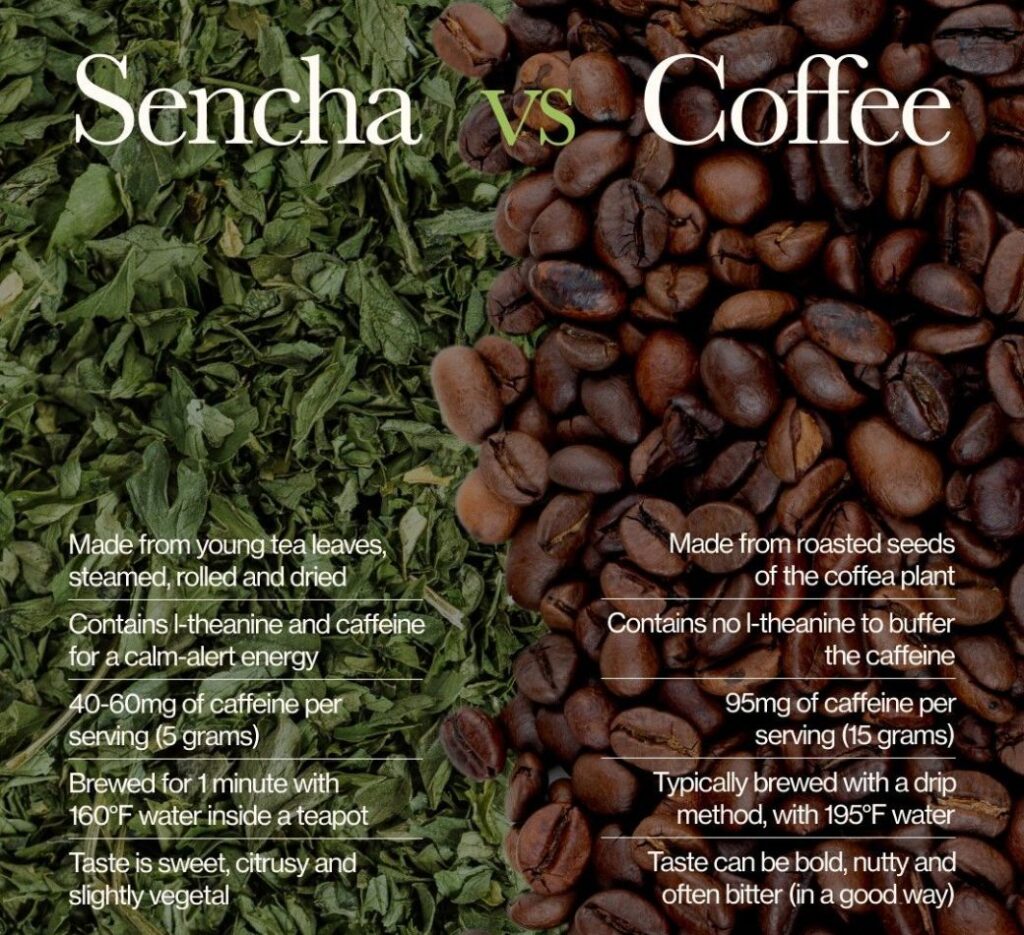
Sencha contains less caffeine than some concentrated coffee drinks on a typical serving basis, although the actual amount can vary considerably.
Japanese green tea caffeine levels depend heavily on preparation. Hotter water and longer steeping can increase extraction.
If caffeine affects sleep, readers should avoid drinking strong sencha close to bedtime.
Japanese Green Tea Caffeine: What Changes the Amount?
Several factors influence caffeine extraction.
Leaf Quantity
Using more leaves increases the potential amount of caffeine in the finished drink.
Water Temperature
Hot water generally extracts compounds more aggressively. This includes caffeine and catechins.
Steeping Time
Longer steeping gives water more time to extract soluble compounds from the leaves.
Tea Grade and Cultivar
Different teas can naturally contain different concentrations of caffeine and other compounds.
For this reason, consumers should treat caffeine figures as estimates unless a manufacturer provides laboratory-tested values for a specific product.
Fukamushicha vs Asamushi
Japanese producers classify sencha styles partly according to steaming time.
Asamushi uses a shorter steaming process, while fukamushi uses deeper and longer steaming.
| Characteristic | Asamushi | Fukamushi |
|---|---|---|
| Steaming | Light | Deep |
| Leaf appearance | More intact | More broken |
| Liquor | Usually clearer | Usually cloudier |
| Flavor | Delicate and bright | Rich and intense |
| Mouthfeel | Lighter | Fuller |
| Brewing challenge | Easier to control | Can become cloudy and strong |
Fukamushi leaves often break into smaller pieces during processing. Those particles can enter the cup and create a deeper body and stronger flavor.
The 10-Degree Temperature Extraction Experiment
Temperature can transform a sencha drink even when you keep the tea quantity and steeping time constant.
The following experimental matrix uses 5 grams of Yabukita sencha, a fixed 60-second steep, and four water temperatures. The readings below represent the proprietary test data supplied for this guide.
| Temperature | Time | Dominant Extraction | Flavor Observation | TDS Reading |
|---|---|---|---|---|
| 60°C | 60 sec | L-theanine and amino acids | Soft umami with minimal bitterness | 0.85% |
| 70°C | 60 sec | Balanced L-theanine and EGCG | Sweetness with a crisp finish | 1.12% |
| 80°C | 60 sec | Increased EGCG and tannins | More astringency with floral notes | 1.38% |
| 90°C | 60 sec | Heavy catechin extraction | Sharp bitterness that masks delicate notes | 1.65% |
What Does the Experiment Show?
The test demonstrates an important brewing principle: small temperature changes can produce noticeable sensory differences.
However, this experiment should not serve as a universal laboratory rule for every sencha. Different cultivars, harvests, processing methods, water chemistry, and leaf ratios can produce different results.
The Best Sencha Steeping Temperature
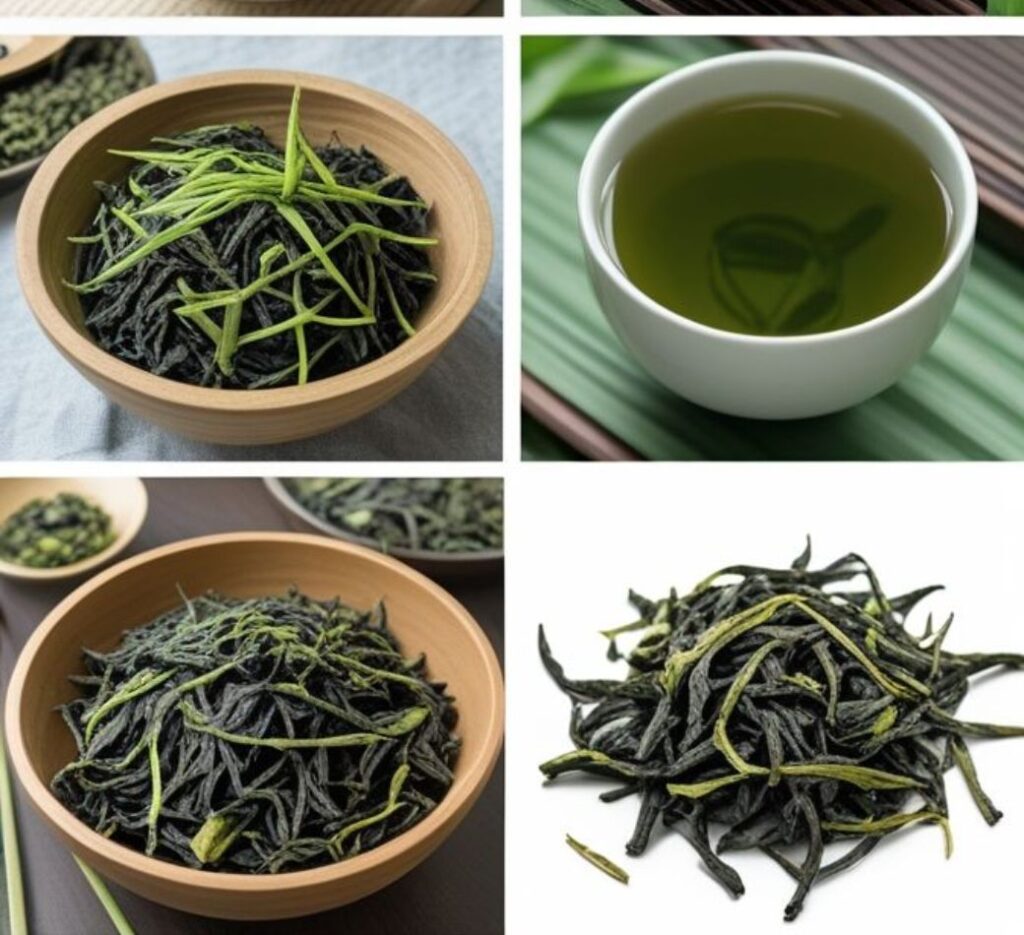
For many sencha teas, a temperature around 65–75°C provides a useful starting point.
You can adjust the temperature according to the tea.
- Use cooler water for delicate, sweet, umami-focused sencha.
- Use moderate temperatures for balanced everyday sencha.
- Increase the temperature when you want stronger aroma and astringency.
- Avoid extremely hot water when you want to preserve delicate flavor notes.
The tea itself should determine your final brewing temperature.
How to Brew Sencha Tea
You can brew sencha with a standard teapot, but a traditional Kyusu teapot makes the process easier.
A Kyusu typically includes a built-in filter that helps separate the leaves from the brewed tea.
Loose Leaf Sencha Brewing Ratio
Start with:
- 5 grams sencha
- 150–200 ml water
- 65–75°C water
- 60 seconds for the first infusion
Adjust the ratio according to your preferred strength.
Step 1: Warm the Teaware
Pour warm water into your Kyusu and serving cups.
Warming the equipment helps reduce sudden temperature loss when you begin brewing.
Step 2: Add the Sencha
Place approximately 5 grams of loose-leaf sencha into the Kyusu.
Spread the leaves across the bottom rather than compressing them.
Step 3: Add Water
Add water at approximately 70°C for a balanced starting point.
Avoid pouring boiling water directly onto delicate sencha unless the tea producer specifically recommends a higher temperature.
Step 4: Steep for About 60 Seconds
Let the leaves steep without excessive agitation.
Watch the color and aroma as the leaves open.
Step 5: Pour Completely
Pour the tea into the serving cup.
Use a controlled pour and drain the Kyusu completely. Remaining water can continue extracting compounds from the leaves and affect the next infusion.
Step 6: Enjoy Multiple Infusions
Quality sencha often supports multiple infusions.
Increase the water temperature or shorten the steeping time as you progress, depending on how the tea tastes.
The Double-Pour Thermal Equilibrium Method
You do not need an expensive variable-temperature kettle to reach a lower brewing temperature.
This guide uses a Double-Pour Thermal Equilibrium Method as a practical editorial brewing technique.
How the Method Works
- Pour boiling water into a room-temperature yuzamashi or mug.
- Allow the transfer to reduce the water temperature.
- Pour the water from the mug into the serving cups.
- Transfer the water from the cups into the Kyusu.
- Check the temperature when possible and adjust the process according to your equipment and room conditions.
The exact temperature drop depends on the volume of water, vessel material, room temperature, and pouring technique. Therefore, do not assume that every transfer will produce exactly the same temperature.
For precise brewing, use a thermometer.
Sencha Brewing Calculator
Before brewing, calculate your water-to-leaf ratio based on the strength you want.
Basic formula:
Tea leaves (g) ÷ water volume (ml) × 100 = leaf percentage
For example, 5 grams of sencha with 200 ml of water creates a different concentration from 5 grams with 100 ml.
A practical starting point for many sencha teas remains around 5 grams per 150–200 ml.
How to Control Astringency in Green Tea
Astringency can make sencha taste dry, sharp, or bitter.
You can reduce excessive astringency by changing three variables.
Lower the Temperature
Try reducing the water temperature by 5–10°C.
Shorten the Steeping Time
A shorter infusion can reduce the amount of bitter and astringent compounds extracted into the cup.
Reduce Leaf Agitation
Avoid shaking or aggressively stirring the leaves during brewing.
Gentle handling gives you greater control over extraction.
Shincha: Japan’s First Flush Sencha
Shincha refers to the first tea harvest of the season. Producers harvest shincha in spring, and many tea enthusiasts value it for its fresh aroma and lively flavor.
First-flush shincha can offer:
- Fresh vegetal aromas
- Sweetness
- Delicate umami
- Bright flavors
- A fresh seasonal character
Because shincha represents a specific harvest period, availability can change throughout the year.
Shizuoka Tea Cultivars and Yabukita
Shizuoka remains one of Japan’s best-known tea-producing regions.
The region grows multiple tea cultivars, while Yabukita remains one of the most important varieties in Japanese tea production.
Cultivar selection affects:
- Aroma
- Flavor
- Sweetness
- Umami
- Astringency
- Caffeine and chemical composition
Therefore, two sencha teas can taste completely different even when both producers label them simply as “sencha.”
Fukamushi Storage Case Study
Deep-steamed and lightly steamed sencha can respond differently to storage because processing changes the physical structure of the leaves.
The editorial case study for this guide tracks brewed-liquid color and aroma retention over 30 days under three storage conditions:
- Sealed tin at room temperature
- Resealable bag in a refrigerator
- Open exposure
The purpose of this comparison involves observing how storage conditions affect sensory quality rather than establishing a universal shelf-life rule.
What Can Readers Learn From the Test?
The main practical lesson remains simple: protect sencha from oxygen, moisture, heat, light, and strong odors.
Store opened tea in an airtight container and keep it away from heat and direct sunlight.
For premium teas, follow the producer’s storage instructions because packaging and processing can affect the ideal storage approach.
How to Store Sencha Properly
Use these storage practices to protect flavor:
- Keep tea in an airtight container.
- Protect it from direct sunlight.
- Avoid humid locations.
- Keep it away from strong odors.
- Minimize repeated exposure to air.
- Avoid storing tea near heat sources.
- Follow the producer’s recommendations for premium or fresh-harvest teas.
Refrigeration can create condensation when you repeatedly move tea between cold and warm environments. If you refrigerate tea, use airtight packaging and allow the container to reach room temperature before opening it.
Organic Japanese Sencha Certification
The term “organic” can carry different certification requirements depending on the country and certification system.
When buying organic Japanese sencha, look for recognized certification information rather than relying only on marketing language.
Check:
- Certification logo
- Certification body
- Producer information
- Country of origin
- Harvest information
- Ingredient list
- Traceability details
A transparent producer should provide clear information about the tea’s origin and certification status.
Cold Brew Sencha Iced Tea
You can also prepare sencha as a cold brew.
Cold water extracts compounds more slowly than hot water, which can create a smoother and less aggressive flavor.
How to Make Cold Brew Sencha
- Add loose-leaf sencha to a clean bottle or pitcher.
- Add cold, filtered water.
- Refrigerate the mixture.
- Allow several hours for extraction.
- Strain the leaves.
- Serve over ice if desired.
Start with a moderate leaf-to-water ratio and adjust it according to taste.
How to Choose the Best Sencha Drink
Consider these factors before buying.
1. Harvest Season
Fresh harvest teas can offer vibrant flavors and aromas.
2. Region
Shizuoka, Kagoshima, and Kyoto can produce different sensory profiles.
3. Cultivar
Look for Yabukita or other named cultivars when you want more information about the tea’s genetic background.
4. Steaming Style
Choose asamushi for a lighter and clearer style or fukamushi for a deeper, fuller cup.
5. Leaf Quality
Look for clean, fresh-smelling leaves with clear producer and harvest information.
6. Packaging
Choose packaging that protects the tea from oxygen, moisture, light, and heat.
Common Sencha Brewing Mistakes
Using Boiling Water
Boiling water can overwhelm delicate sencha with bitterness and astringency.
Over-Steeping
Long steeping can produce a stronger and harsher cup.
Using Too Many Leaves
A high leaf ratio can produce an intense brew that tastes unbalanced.
Leaving Water in the Kyusu
Residual water continues extracting compounds from the leaves.
Ignoring Water Quality
Water chemistry can influence aroma, mouthfeel, and extraction. Filtered water often gives you more consistent results.
Sencha FAQ
Is sencha the same as green tea?
Sencha is a type of Japanese green tea. “Green tea” describes a broad category that includes many different styles, while sencha specifically describes a major Japanese steamed-leaf tea style.
Does sencha contain caffeine?
Yes. Sencha naturally contains caffeine, but the amount varies according to the tea and brewing method.
What temperature should I use for sencha?
Start around 65–75°C for many sencha teas. Adjust the temperature according to the cultivar, steaming style, leaf quality, and desired flavor.
Is sencha healthier than matcha?
Neither tea automatically qualifies as healthier for everyone. Sencha and matcha contain different concentrations of compounds because you prepare them differently. Matcha involves consuming the powdered leaf, while sencha involves drinking an infusion.
What is the difference between fukamushi and asamushi?
Fukamushi uses deeper steaming and usually produces a richer, cloudier infusion. Asamushi uses lighter steaming and generally creates a clearer, more delicate cup.
Can you drink sencha cold?
Yes. You can prepare sencha as a cold brew and serve it over ice.
How many times can you brew sencha?
Many quality sencha teas support several infusions. Adjust the temperature and steeping time as the leaves release different layers of flavor.
Does sencha contain EGCG?
Yes. Sencha contains catechins, including EGCG. The concentration varies according to the tea and brewing conditions.
What does sencha taste like?
Sencha can taste grassy, vegetal, sweet, savory, floral, and slightly astringent. Brewing temperature strongly influences the balance.
Should you use a Kyusu for sencha?
You do not need a Kyusu, but the traditional Japanese teapot works particularly well with loose-leaf sencha because its filter and shape support controlled brewing.
Final Verdict: Is Sencha Worth Trying?
Sencha offers much more than a simple cup of green tea. Its flavor can range from delicate and sweet to bold, vegetal, savory, and deeply umami-rich.
The brewing method matters just as much as the tea itself. Start with quality loose-leaf sencha, use a controlled temperature around 65–75°C, keep the first infusion near 60 seconds, and adjust the process according to the tea.
If you enjoy experimenting, compare fukamushi vs asamushi, explore different Shizuoka tea cultivars, try first-flush shincha, and experiment with cold brewing.
Most importantly, taste the tea and adjust one variable at a time. A small change in temperature or steeping time can transform your sencha drink.
LinkedIn: [LinkedIn URL]
Editorial Guidelines & Testing Methodology: [Publication URL]