

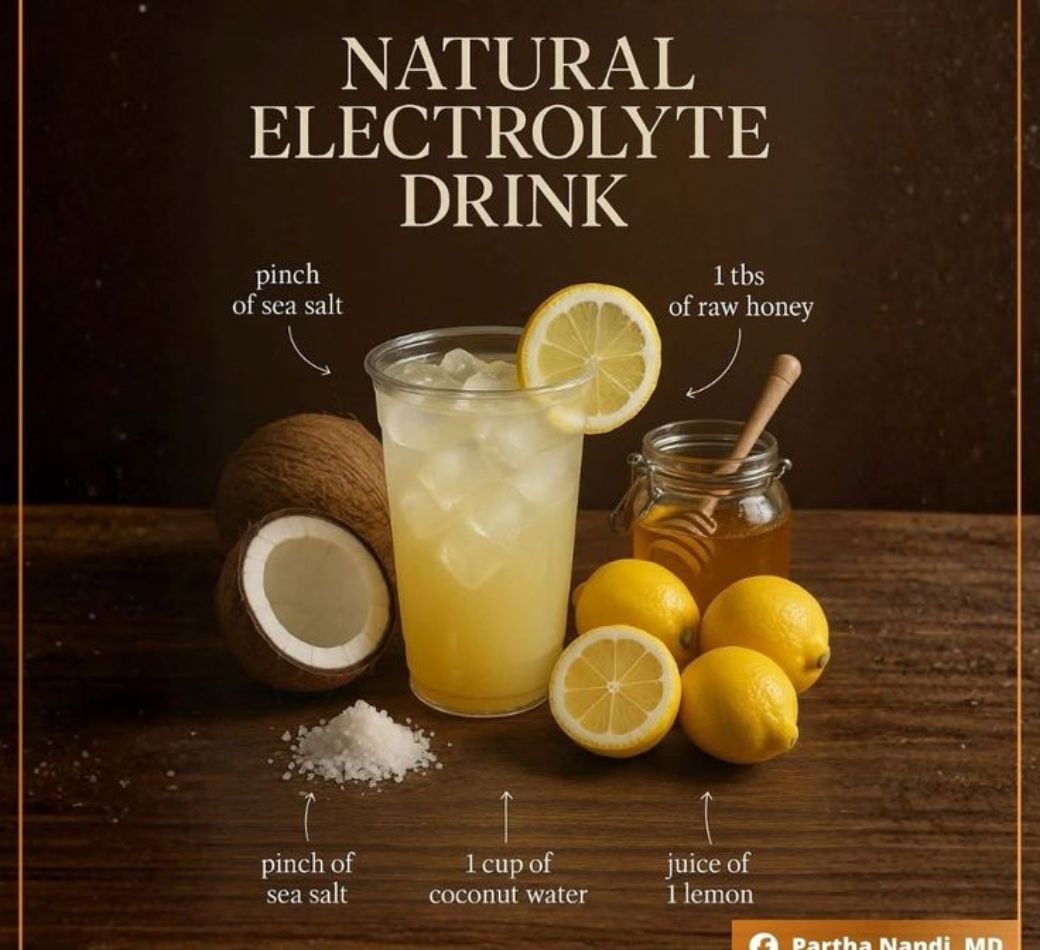
Nausea can make drinking fluids difficult, especially when vomiting, diarrhea, stomach bugs, pregnancy-related morning sickness, or dehydration occurs at the same time. The right electrolyte drinks for nausea can help replace fluids and important electrolytes when your body loses them.
For mild nausea, start with small, frequent sips instead of drinking a large amount at once. When vomiting or diarrhea causes significant fluid loss, an oral rehydration solution (ORS) can provide a better balance of water, sodium, and glucose than many ordinary beverages.
Quick Answer: What Should You Drink for Nausea?
Choose your drink based on your symptoms and how well you can keep fluids down.
| Situation | Good option | How to drink it |
|---|---|---|
| Mild nausea | Water, diluted juice, or a mild electrolyte drink | Take small sips |
| Vomiting | Oral rehydration solution (ORS) | Take frequent small sips |
| Vomiting + diarrhea | ORS | Prioritize fluids and electrolytes |
| Stomach flu | Commercial ORS | Sip slowly and consistently |
| Pregnancy-related nausea | Water or electrolyte solution you tolerate | Try cold, small sips |
| Heavy sweating | Electrolyte drink or ORS | Replace fluids gradually |
| Severe dehydration | Seek medical care | You may need medical treatment |
If you cannot keep liquids down, focus on tiny amounts rather than forcing a full glass.
Understanding Nausea and Dehydration
Nausea itself does not always cause dehydration. However, vomiting and diarrhea can quickly increase fluid and electrolyte losses.
Your body loses water along with electrolytes such as sodium and potassium. Replacing both becomes especially important when you experience repeated vomiting or diarrhea.
Why Plain Water May Not Meet Your Hydration Needs
Plain water can help with everyday hydration, and you can often use it when nausea remains mild. However, water does not replace sodium and other electrolytes that you lose through repeated vomiting or diarrhea.
Drinking a large amount of water quickly can also stretch the stomach and make nausea feel worse. Small, frequent sips often work better when your stomach feels unsettled.
How Glucose and Sodium Help Absorb Fluid
Oral rehydration solutions use a specific combination of glucose and sodium. Your small intestine absorbs these substances together through sodium-glucose transporters. Water follows the absorbed solutes, which helps your body replace fluid more efficiently.
This mechanism makes properly prepared ORS particularly useful during fluid losses caused by diarrhea and vomiting.
Hypertonic vs. Hypotonic Fluids
The concentration of dissolved substances can affect how your stomach and intestines handle a drink.
Very sugary beverages can contain more sugar than standard ORS. These drinks may not provide the same electrolyte balance as an ORS, and some people may find highly sweet drinks unpleasant during nausea.
You do not need to avoid every sweet drink. Instead, consider the drink’s sugar, sodium, serving size, and your individual tolerance.
The Best Electrolyte Drinks for Nausea

Not every electrolyte drink serves the same purpose. Clinical ORS products specifically target fluid and electrolyte replacement, while sports drinks usually target hydration during physical activity.
Best Overall: Oral Rehydration Solutions
A properly formulated ORS usually provides water, sodium, glucose, potassium, and other components in proportions designed to support fluid absorption.
Choose an ORS when vomiting or diarrhea causes substantial fluid loss.
Common commercial ORS products include:
- Pedialyte
- DripDrop ORS
- Other pharmacy oral rehydration solutions
Always check the product label because formulas vary.
Best Unflavored Options for Sensitive Stomachs
Strong flavors and intense sweetness can make nausea harder to manage for some people.
If flavors bother you, consider:
- Unflavored ORS
- Chilled water
- Mild herbal tea
- Ice chips
- A lightly flavored electrolyte solution
Your tolerance matters more than a particular flavor.
Sports Drinks vs. Clinical ORS
Sports drinks can provide water, carbohydrates, and electrolytes, but they do not necessarily match the electrolyte and glucose balance of an ORS.
| Feature | Clinical ORS | Sports Drink |
|---|---|---|
| Main purpose | Rehydration during fluid loss | Exercise hydration |
| Sodium | Formulated for rehydration | Varies |
| Sugar | Controlled for ORS function | Often higher |
| Potassium | Usually included | Usually included |
| Vomiting/diarrhea | Often preferred | May help mild fluid loss |
| Exercise | Useful | Common choice |
For stomach flu with significant diarrhea or vomiting, choose an appropriate ORS rather than relying only on a sports drink.
Clinical Micro-Sipping Protocol: How to Drink Without Vomiting
When nausea makes drinking difficult, change how you drink rather than simply changing the beverage.
How to Sip Electrolyte Drinks Without Throwing Up
Try this simple approach:
- Start with a very small sip.
- Wait several minutes.
- Take another small sip if you tolerate it.
- Continue gradually.
- Increase the amount only when your stomach accepts the fluid.
- After vomiting, pause briefly and restart with small amounts.
You do not need to force a large glass of fluid into your stomach.
A teaspoon at a time can feel much easier than several large gulps when active vomiting makes fluid retention difficult.
Try Different Fluid Temperatures
Many people tolerate chilled drinks better during nausea. Others prefer room-temperature fluids.
Test a small amount at different temperatures and use the option that feels most comfortable.
Avoid Drinking Too Quickly
Rapid drinking can increase stomach volume and may trigger more nausea or vomiting.
Instead, spread your intake across many small sips.
How to Make a Homemade Electrolyte Drink
A homemade ORS can help when you cannot access a commercial product, but measurement accuracy matters.
For an emergency homemade ORS, use the standard household formulation recommended by major public-health guidance:
- 1 liter of clean water
- 6 level teaspoons of sugar
- ½ level teaspoon of salt
Mix the ingredients thoroughly.
Do not add extra salt or sugar. Incorrect proportions can make the solution unsafe or less effective.
Common Homemade ORS Mistakes
Avoid these mistakes:
| Mistake | Why it matters |
|---|---|
| Adding extra salt | Excess sodium can create a health risk |
| Adding extra sugar | Too much sugar can affect fluid absorption |
| Guessing measurements | Inaccurate proportions reduce safety |
| Using contaminated water | Contamination can cause illness |
| Making a highly concentrated drink | Concentrated solutions can worsen gastrointestinal symptoms |
| Storing it too long | Microbial contamination can occur |
Prepare the solution with clean water and use it according to public-health guidance.
Can You Add Ginger, Chamomile, or Peppermint?
Ginger may help some people manage nausea, while mild herbal teas can provide another tolerable fluid option.
However, herbal drinks do not replace the balanced electrolytes in ORS.
If vomiting or diarrhea causes substantial fluid loss, prioritize an appropriate rehydration solution.
Population-Specific Hydration Guidelines
Different situations require different hydration strategies.
Electrolyte Drinks for Pregnancy and Morning Sickness
Morning sickness can make regular drinking difficult. Cold fluids, ice chips, and small frequent sips may feel easier to tolerate.
An electrolyte drink can help when vomiting causes fluid and electrolyte losses.
However, persistent vomiting during pregnancy can lead to significant dehydration. Seek medical advice if you cannot keep fluids down, urinate very little, feel faint, or develop other concerning symptoms.
Electrolyte Drinks for Children
Children can become dehydrated quickly, particularly when vomiting and diarrhea occur together.
Use a pediatric oral rehydration solution when appropriate rather than creating an improvised high-sugar beverage.
Follow the product’s age and dosing instructions, and contact a healthcare professional when symptoms become severe.
Exercise-Induced Nausea and Heat
Hard exercise and heat exposure can cause sweating, fluid loss, and nausea.
After exercise, replace fluids gradually. An electrolyte drink may help when you lose substantial fluid through sweating.
If someone develops confusion, fainting, severe weakness, or other signs of a heat emergency, seek urgent medical care.
Best Drinks for Nausea and Dehydration

You can choose from several fluids depending on the cause and severity of your symptoms.
Oral Rehydration Solution
ORS provides a carefully balanced combination of water, sodium, and glucose. It works particularly well when vomiting or diarrhea causes significant fluid loss.
Water
Water remains useful for mild nausea and routine hydration. Take small sips when your stomach feels unsettled.
Coconut Water
Coconut water contains potassium and some sodium, but its electrolyte profile differs from ORS. It should not replace ORS when you need clinical-style oral rehydration.
Clear Broth
Clear broth can provide fluid and sodium. It may work well as part of a broader hydration strategy.
Ginger Tea
Ginger tea may help some people manage nausea and can provide fluid without heavy sweetness.
Electrolytes vs. Plain Water for an Upset Stomach
The best choice depends on what your body has lost.
If you experience mild nausea without significant fluid loss, water may work well.
If vomiting or diarrhea causes substantial fluid and electrolyte losses, ORS offers a more targeted approach.
You can also alternate tolerated fluids instead of relying on a single beverage.
When to Switch From Clear Liquids to Electrolyte Solutions
You can consider an electrolyte solution when:
- Vomiting continues
- Diarrhea causes fluid loss
- You sweat heavily
- You notice signs of dehydration
- Water alone does not replace your electrolyte losses
Continue taking small amounts rather than drinking quickly.
Electrolyte Drinks for Hangover-Induced Nausea
Alcohol can contribute to fluid loss and may also irritate the stomach.
If you experience hangover nausea, start with small sips of water or an electrolyte beverage that you tolerate.
Do not rely on electrolyte drinks to “cure” a hangover. Give your body time to recover, eat when you can tolerate food, and avoid additional alcohol.
Red Flags: When to Seek Medical Care
Most mild nausea improves with time and supportive care. However, severe dehydration can require medical treatment.
Signs of Severe Dehydration
Seek medical care if you develop signs such as:
- Very little or no urination
- Severe dizziness or fainting
- Confusion
- Extreme weakness
- Very dry mouth
- Rapid heartbeat
- Inability to keep fluids down
When Vomiting Becomes an Emergency
Get urgent medical attention when vomiting prevents you from retaining fluids or when you develop severe symptoms.
Children, older adults, pregnant people, and people with certain medical conditions may face a higher risk of complications from dehydration.
Do not wait for a specific number of hours if serious symptoms appear.
Frequently Asked Questions
What are the best electrolyte drinks for nausea?
Oral rehydration solutions often provide the most appropriate electrolyte balance when vomiting or diarrhea causes significant fluid loss. Choose a product that you tolerate and follow its preparation instructions.
Are sports drinks too sugary for nausea?
Some sports drinks contain more sugar than ORS. Their higher sugar content does not automatically make them unsafe, but an ORS generally provides a more targeted electrolyte balance for vomiting and diarrhea.
How do I sip electrolyte drinks without throwing up?
Take very small sips at regular intervals instead of drinking quickly. If you vomit, pause and restart gradually once you can tolerate fluids.
Is Pedialyte better than Liquid I.V. for stomach flu?
Both products have different formulations and purposes. Compare their labels for sodium, sugar, serving size, and intended use. For significant vomiting or diarrhea, choose a product specifically formulated as an oral rehydration solution.
Is coconut water good for dehydration and nausea?
Coconut water provides fluid and potassium, but it does not match the electrolyte composition of standard ORS. Use ORS when vomiting or diarrhea causes significant electrolyte losses.
What is the best electrolyte drink for morning sickness?
Choose the electrolyte drink you can tolerate. Cold, mild, or unflavored options may work better if strong flavors trigger nausea. Contact your healthcare provider if persistent vomiting prevents adequate hydration.
Can electrolyte drinks help with stomach flu?
Yes. An appropriate ORS can help replace water and electrolytes lost through vomiting and diarrhea. Take it slowly and follow the product instructions.
When should I use electrolyte solutions instead of plain water?
Use electrolyte solutions when you lose significant fluids through vomiting, diarrhea, heavy sweating, or other causes. Water can work well when you only experience mild nausea without substantial fluid loss.
Conclusion
The best electrolyte drinks for nausea depend on the cause and severity of your symptoms. Water can support mild nausea, while an oral rehydration solution can provide a more suitable balance of fluids and electrolytes when vomiting or diarrhea causes significant losses.
Most importantly, sip slowly instead of gulping. Choose a drink you can tolerate, avoid excessive sugar or concentrated homemade mixtures, and monitor yourself for dehydration.
If you cannot keep fluids down or develop severe dehydration symptoms, seek medical care rather than trying to manage the problem with drinks alone.