


Green tea caffeine drinks offer a natural way to add caffeine to your daily routine. You can choose from freshly brewed green tea, matcha, bottled iced tea, cold-brewed tea, and ready-to-drink green tea beverages.
Green tea comes from Camellia sinensis, the same plant that produces black, white, and oolong tea. However, tea type, growing conditions, serving size, brewing time, and water temperature can change the amount of caffeine in your drink.
Some green teas provide a gentle caffeine boost, while matcha can deliver a more concentrated serving because you consume the powdered tea leaf itself. Shade-grown teas such as Gyokuro and Tencha also have distinctive chemical profiles that include caffeine and L-theanine.
This guide explains green tea caffeine levels, compares different green tea beverages, explores caffeine and L-theanine, and shows you how to brew green tea for a stronger caffeine extraction without creating excessive bitterness.
1. Introduction: The Science Behind Green Tea Energy
Green tea provides caffeine along with naturally occurring compounds such as L-theanine and catechins. These compounds contribute to the distinctive character of green tea.
The exact caffeine amount depends on several factors:
- Tea variety
- Leaf quantity
- Serving size
- Growing conditions
- Processing
- Water temperature
- Steeping time
- Brewing method
- Product formulation
Because these factors vary, you should not assume that every cup or bottle of green tea contains the same amount of caffeine.
Why Green Tea Caffeine Feels Different From Coffee
Green tea and coffee both contain caffeine, but they deliver it through different beverage matrices.
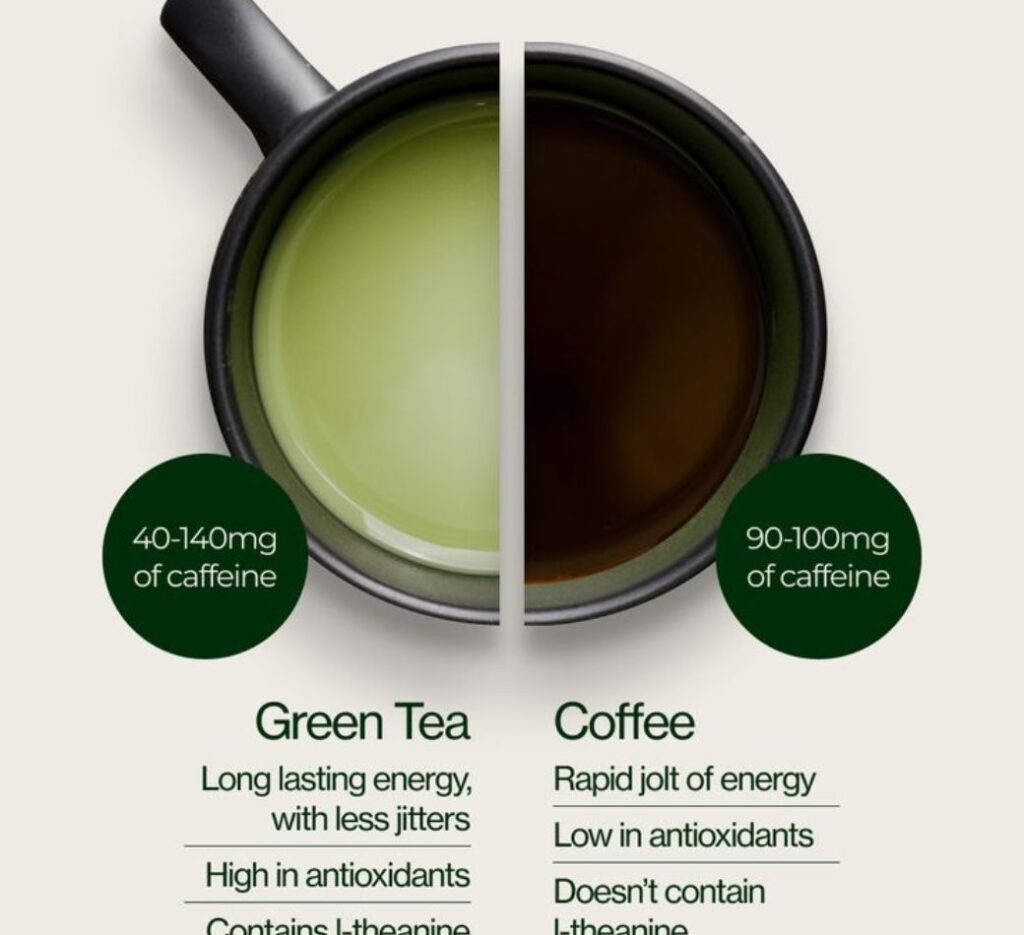
A typical cup of brewed coffee often contains more caffeine than a standard cup of green tea. However, serving sizes and preparation methods can change the comparison significantly.
Green tea also contains L-theanine, an amino acid naturally found in tea leaves. Researchers have studied the combination of caffeine and L-theanine because it may influence attention and mental performance.
This does not mean green tea eliminates caffeine side effects or guarantees smooth energy. Your individual caffeine sensitivity still matters.
The Synergy of Caffeine and L-Theanine
L-theanine naturally occurs in tea leaves, and green tea provides both L-theanine and caffeine.
Researchers have investigated whether combining these compounds affects attention, alertness, and cognitive performance. Some research suggests that the combination may support aspects of attention, but individual responses vary.
You should therefore treat green tea as a caffeinated beverage rather than assuming that L-theanine removes caffeine-related effects.
2. Understanding Caffeine Levels Across Green Tea Types
Different green tea formats can produce very different caffeine levels.
| Green Tea Type | Caffeine Pattern | Why It Varies |
|---|---|---|
| Loose-leaf green tea | Moderate | Leaf quantity and brewing |
| Tea bags | Moderate | Tea quantity and leaf grade |
| Matcha | Higher concentration | You consume the powdered leaf |
| Gyokuro | Often higher | Shade-growing and leaf composition |
| Sencha | Moderate | Cultivar and preparation |
| Bottled green tea | Highly variable | Product formulation and serving size |
| Cold-brewed green tea | Variable | Time, temperature, and tea-to-water ratio |
Use this table as a general guide rather than an exact caffeine calculator. Manufacturers and brewing methods can produce substantially different results.
Loose Leaf vs. Powdered Matcha vs. Ready-to-Drink Cans
Loose-leaf green tea requires you to steep the leaves in water and then remove them. The final caffeine concentration depends on how much tea you use and how you brew it.
Matcha works differently. You whisk finely powdered tea into water and consume the entire powder. This method can provide more caffeine and other tea compounds per serving than a typical infusion.
Ready-to-drink green tea follows another formula. Manufacturers can adjust the tea concentration, sweeteners, flavors, and serving size. Always check the nutrition or caffeine information on the label when the manufacturer provides it.
How Shade-Growing Can Affect Caffeine
Tea producers grow some Japanese teas under shade before harvest. Gyokuro and Tencha commonly use shade-growing techniques.
Shade changes the plant’s light exposure and influences compounds such as chlorophyll, amino acids, and caffeine.
However, you should not assume that every shade-grown tea automatically contains more caffeine than every sun-grown tea. Cultivar, leaf quantity, processing, and preparation still matter.
3. Caffeine in Commercial Green Tea Drinks
Commercial green tea drinks can contain very different amounts of caffeine.
Manufacturers may use brewed tea, concentrated tea extracts, matcha, or added caffeine. Some products also contain sugar, fruit flavors, or other functional ingredients.
Bottled Green Tea vs. Freshly Brewed Green Tea
Freshly brewed green tea gives you greater control over the amount of tea and water you use.
Bottled green tea gives you convenience, but the caffeine content can vary significantly between brands and product lines.
| Factor | Freshly Brewed | Bottled Green Tea |
|---|---|---|
| Serving size | You control it | Manufacturer sets it |
| Tea concentration | You control it | Manufacturer sets it |
| Caffeine | Depends on brewing | Depends on formulation |
| Sugar | Usually easy to control | May contain added sugar |
| Convenience | Requires preparation | Ready to drink |
| Flavor consistency | Depends on brewing | Usually consistent |
When you compare products, compare the caffeine per serving, not just the bottle or can.
A large bottle may contain multiple servings, so check the serving-size information before estimating your total caffeine intake.
The Impact of Temperature and Steeping Time
Brewing conditions affect caffeine extraction.
Hot water generally extracts caffeine efficiently from tea leaves. Longer steeping also allows more compounds to move from the leaves into the water.
However, aggressive brewing can also increase bitterness and astringency.
You can adjust your brewing method based on your goal:
- Use more tea for a stronger cup.
- Increase steeping time gradually.
- Use an appropriate water temperature.
- Avoid extremely hot water if you want a smoother flavor.
- Experiment with tea-to-water ratios.
You don’t need to make green tea extremely bitter to obtain caffeine.
4. Top Caffeinated Green Tea Drinks

The best caffeinated green tea option depends on what you want from the drink.
Some people want maximum caffeine. Others want low sugar, convenience, a smooth flavor, or the concentrated format of matcha.
Best High-Caffeine Natural Green Tea Options
Matcha and certain Japanese green teas can provide relatively concentrated caffeine servings.
Matcha
- A concentrated tea format
- Caffeine plus naturally occurring L-theanine
- A rich, grassy flavor
- A versatile ingredient for lattes and smoothies
Gyokuro
Gyokuro represents a premium Japanese shade-grown green tea.
Its growing method gives it a distinctive umami flavor and chemical profile. You can brew it using a smaller amount of water and carefully controlled temperatures.
Sencha
Sencha offers a more accessible Japanese green tea option. It generally provides a moderate caffeine experience and works well as an everyday beverage.
Best Low-Sugar Bottled Green Teas
If you prefer bottled drinks, focus on three factors:
- Caffeine per serving
- Added sugar
- Total serving size
Look for products that clearly disclose caffeine information. If a bottle contains multiple servings, calculate the caffeine and sugar across the entire bottle before drinking it.
Unsweetened green tea can provide a simple option if you want caffeine without added sugar.
Best Matcha Drinks for Focus
Matcha works well in several drink formats:
- Traditional matcha with water
- Matcha latte
- Iced matcha
- Matcha smoothie
- Matcha with unsweetened milk alternatives
A matcha latte can contain additional calories and sugar depending on the milk and sweetener you choose.
For a lower-sugar option, use unsweetened milk and limit added sweeteners.
5. Caffeine, Energy, and Focus
Green tea can provide caffeine without requiring you to drink coffee or an energy drink.
Caffeine can increase alertness and reduce the perception of fatigue. However, individual responses vary based on caffeine tolerance, body size, timing, sleep, and other factors.
Green Tea vs. Synthetic Caffeine Drinks
You can find caffeine in both green tea beverages and energy drinks, but the products can differ considerably.
| Feature | Green Tea | Energy Drink |
|---|---|---|
| Natural tea compounds | Yes | Depends on formula |
| L-theanine | Naturally present | Usually absent unless added |
| Sugar | Depends on product | Often varies widely |
| Caffeine | Variable | Usually listed per serving |
| Tea catechins | Present | Depends on ingredients |
| Flavor | Tea-based | Often fruit or sweet flavors |
Don’t assume that a natural caffeine source automatically makes a drink healthier. Evaluate the complete ingredient list, caffeine amount, sugar content, and serving size.
Can Green Tea Provide Jitters-Free Focus?
Some people report that green tea feels smoother than coffee. However, caffeine can still cause jitters, nervousness, rapid heartbeat, or sleep problems in sensitive individuals.
L-theanine may contribute to the different experience some people associate with tea, but it does not guarantee a jitter-free response.
If caffeine makes you uncomfortable, reduce your intake rather than relying on green tea to eliminate those effects.
6. How to Brew High-Caffeine Green Tea Without Excessive Bitterness
You can increase caffeine extraction without turning every cup into an intensely bitter drink.
The Ideal Water Temperature and Steeping Time
Different green teas require different brewing approaches.
As a practical starting point:
| Tea Type | Water Temperature | Starting Steep |
|---|---|---|
| Sencha | About 70–80°C | 1–2 minutes |
| Gyokuro | About 50–60°C | 1.5–2 minutes |
| General green tea | About 70–85°C | 2–3 minutes |
| Matcha | About 70–80°C | Whisk rather than steep |
Treat these ranges as starting points rather than strict rules. Tea producers often recommend specific temperatures and times for individual products.
If your tea tastes too bitter, reduce the temperature or steep for less time.
If you want more strength, increase the leaf quantity first rather than dramatically increasing the water temperature.
Cold Brew Green Tea for a Smoother Drink
Cold brewing offers an easy way to create a smoother green tea beverage.
Add green tea leaves or a suitable tea bag to cold water and refrigerate the mixture for several hours. Then remove the tea leaves or bag.
Cold brewing extracts tea compounds more slowly than hot brewing and often produces a less bitter drink.
However, you should not assume that cold brew always contains more caffeine than hot tea. The final caffeine level depends on the tea quantity, water volume, brewing time, and extraction conditions.
Loose Leaf vs. Tea Bags
Loose-leaf tea gives you more control over leaf quantity and quality.
Tea bags provide convenience and consistent preparation.
For a stronger cup, measure the tea rather than simply extending the steep time indefinitely.
7. Green Tea Caffeine Side Effects and Safe Intake
Green tea contains caffeine, so you should consider your total daily caffeine intake from all sources.
Coffee, tea, chocolate, energy drinks, pre-workout products, and some medications can contribute to your daily total.
Recommended Maximum Daily Intake
For most healthy adults, the FDA cites 400 mg of caffeine per day as an amount not generally associated with dangerous negative effects.
Individual sensitivity varies considerably.
You may need less caffeine if you experience:
- Jitters
- Anxiety
- Headaches
- Restlessness
- Rapid heartbeat
- Sleep problems
- Stomach discomfort
Pregnant people should follow guidance from their healthcare professional regarding caffeine intake.
Children and adolescents should also avoid relying on caffeinated drinks as an everyday energy source.
Managing Tannin Sensitivity and Empty-Stomach Nausea
Green tea can cause stomach discomfort in some people, especially when they drink concentrated tea on an empty stomach.
If green tea bothers your stomach:
- Drink it with food.
- Reduce the strength.
- Choose a smaller serving.
- Avoid very concentrated preparations.
- Reduce your total caffeine intake if necessary.
You can also experiment with different tea types because flavor intensity and tolerance can vary between products.
8. Green Tea Caffeine Comparison
The following comparison helps you understand how green tea formats differ.
| Beverage | Caffeine Level | Main Advantage |
|---|---|---|
| Standard brewed green tea | Moderate | Easy everyday option |
| Sencha | Moderate | Fresh, vegetal flavor |
| Gyokuro | Often higher | Rich, umami profile |
| Matcha | Higher concentration | Whole-leaf consumption |
| Bottled green tea | Variable | Convenience |
| Cold-brewed green tea | Variable | Smooth flavor |
| Green tea latte | Variable | Creamy and customizable |
Always check the actual product label when you need an exact caffeine number.
9. How to Choose the Right Green Tea Caffeine Drink
Your ideal green tea beverage depends on your caffeine preference, taste, and lifestyle.
Choose Matcha If You Want Concentration
Matcha provides a concentrated tea experience because you consume the powdered leaf.
Choose it if you enjoy:
- Strong tea flavor
- Matcha lattes
- Iced matcha
- Concentrated caffeine
- Whole-leaf tea preparation
Choose Bottled Green Tea for Convenience
Bottled green tea works well when you need a ready-to-drink option.
Before buying, check:
- Caffeine per serving
- Number of servings per bottle
- Added sugar
- Calories
- Ingredient list
Choose Loose-Leaf Tea for Brewing Control
Loose-leaf tea gives you the greatest control over:
- Tea quantity
- Water temperature
- Steeping time
- Water volume
- Flavor strength
This makes loose leaf useful if you want to fine-tune your caffeine and flavor experience.
10. Practical Tips for Getting More Caffeine From Green Tea
You can adjust several variables if you want a stronger caffeinated tea.
Use More Tea Leaves
Increasing the amount of tea often provides a more direct way to increase strength.
Adjust Steeping Time
A longer steep can increase extraction, although it may also increase bitterness and astringency.
Control Water Temperature
Use the temperature recommended for your specific tea. Extremely hot water can produce a harsher cup.
Consider Matcha
Matcha provides a different caffeine experience because you consume the powdered tea rather than removing the leaves after steeping.
Check Serving Size
11. Frequently Asked Questions
Does green tea have more caffeine than black tea or coffee?
Green tea usually contains less caffeine per typical serving than coffee, but the exact amount varies. Brewing method, tea quantity, serving size, and product formulation can change the final caffeine level.
Does matcha contain more caffeine than regular green tea?
Matcha can provide more caffeine per serving because you consume the entire powdered tea leaf. The actual amount depends on how much matcha you use.
Does cold-brew green tea have more caffeine than hot green tea?
Not necessarily. Cold brewing changes the extraction process, but the final caffeine level depends on tea quantity, water volume, brewing time, and other variables.
Does adding lemon change the caffeine in green tea?
Adding lemon does not meaningfully remove the caffeine already extracted into your tea. It can change the flavor and acidity of the drink.
Are canned green tea energy drinks healthy?
You should evaluate each product individually. Check its caffeine, added sugar, calories, serving size, and complete ingredient list rather than judging the drink only by its green tea label.
Which green tea has the most caffeine?
Matcha and certain shade-grown teas can provide relatively high caffeine levels, but no single tea always contains the most caffeine. Tea variety, leaf quantity, preparation, and serving size all affect the final amount.
Can green tea replace coffee?
Green tea can replace coffee if you prefer a lower-caffeine beverage or enjoy tea’s flavor. However, caffeine levels differ, so compare the actual serving amounts when switching.
Does green tea provide sustained energy?
Green tea provides caffeine, which can increase alertness. Its combination of caffeine and L-theanine may contribute to the different experience many tea drinkers report, but individual responses vary.
Can I drink green tea every day?
Many adults can include moderate amounts of green tea in their daily routine. However, you should account for caffeine from all sources and reduce your intake if you experience unwanted effects.
Conclusion: Choosing the Right Green Tea Caffeine Drink
Green tea caffeine drinks offer several ways to add caffeine to your routine. You can choose freshly brewed Sencha, shade-grown Gyokuro, powdered matcha, cold-brewed tea, or a convenient bottled beverage.
The caffeine content depends on more than the tea name. Tea quantity, serving size, cultivar, growing conditions, processing, water temperature, steeping time, and product formulation can all influence the final amount.
Matcha can provide a concentrated option because you consume the powdered leaf, while bottled green tea offers convenience and easy portion control. Loose-leaf tea gives you more control over brewing variables.
If you want to choose the right drink, focus on the information that matters most: caffeine per serving, serving size, sugar content, ingredients, and your own caffeine tolerance.
Green tea can provide a practical alternative to coffee and other caffeinated beverages, but you should still treat it as a source of caffeine and manage your total daily intake accordingly.