

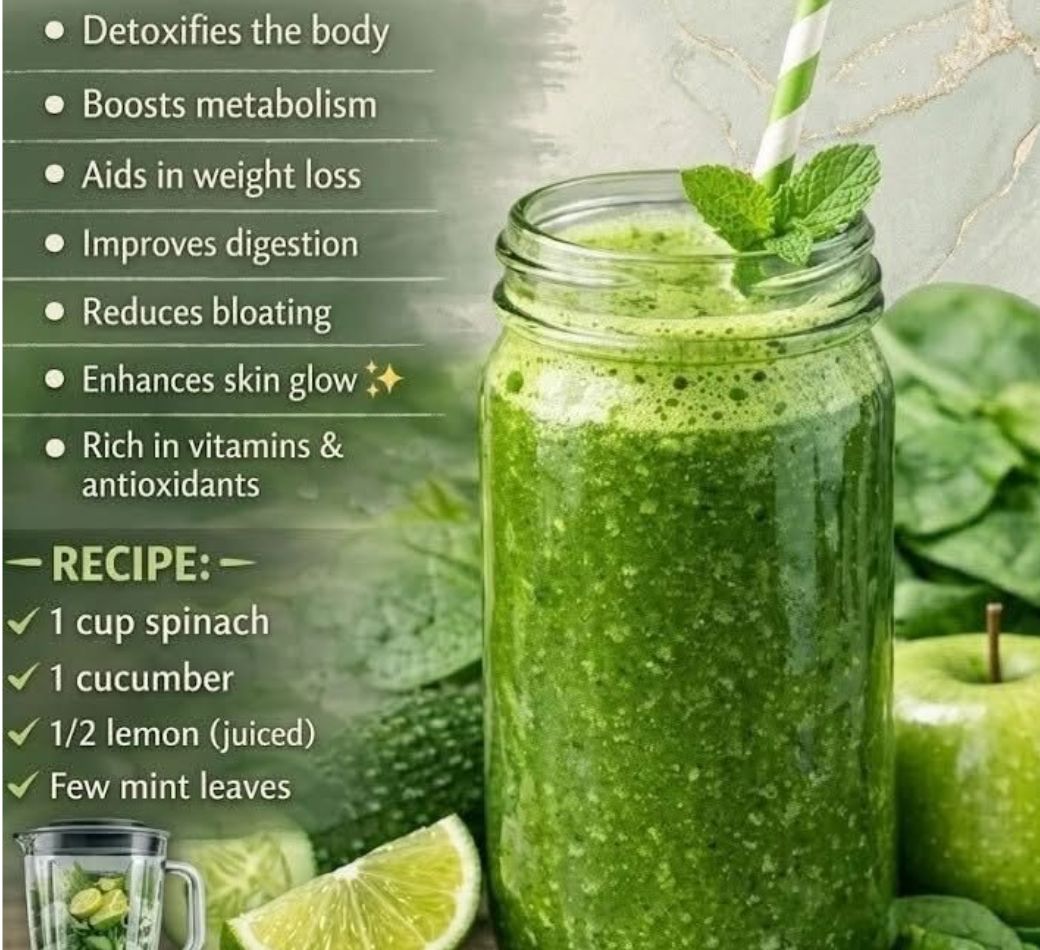
Green drinks give you a simple way to add leafy greens, vegetables, herbs, and fruit to your daily diet. You can make them as fresh juices, blended smoothies, or convenient drinks with green powders.
However, not every green drink offers the same nutrition. Juicing removes much of the fiber, while blending keeps the edible parts of most ingredients. Green powders can offer convenience, but they cannot always replace the variety and fiber you get from whole vegetables.
This guide explains how green drinks work, compares green juice with green smoothies and green powders, shares easy recipes, and explains how to build a balanced drink without adding excessive sugar.
What Are Green Drinks?
Green drinks combine green vegetables, leafy greens, herbs, fruits, liquids, or powdered greens into a drinkable form.
Common ingredients include:
- Spinach
- Kale
- Cucumber
- Celery
- Parsley
- Mint
- Green apple
- Lemon or lime
- Ginger
- Avocado
- Green vegetable powders
- Chia or flax seeds
You can prepare green drinks in three main ways:
- Green juice: A juicer separates liquid from most of the pulp.
- Green smoothie: A blender keeps most of the edible ingredients and their fiber.
- Green powder drink: You mix a concentrated powdered greens product with water or another liquid.
Each format has different advantages.
Green Juice vs. Green Smoothie vs. Green Powder
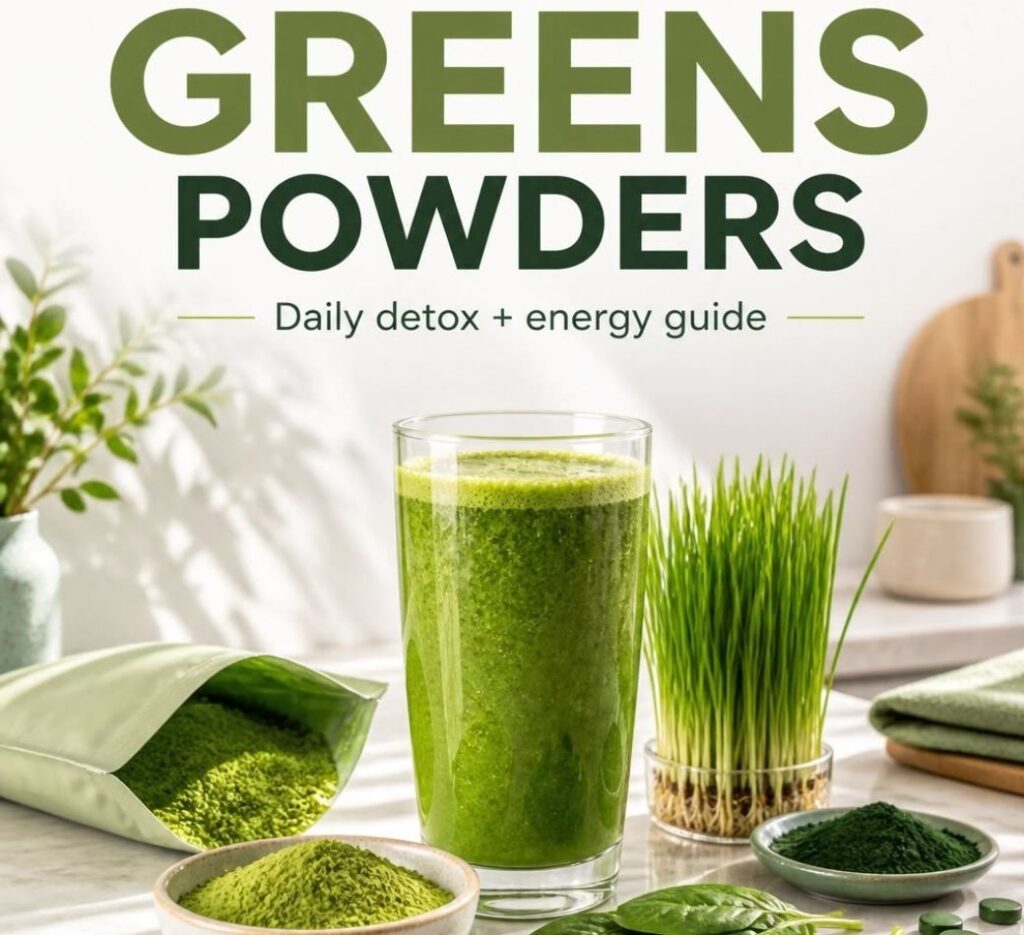
The biggest difference comes from how much of the original food remains in the finished drink.
| Feature | Green Juice | Green Smoothie | Green Powder Drink |
|---|---|---|---|
| Fiber | Low | High | Varies |
| Preparation | Moderate | Easy | Very easy |
| Whole-food content | Partial | Mostly whole | Usually low |
| Sugar control | Depends on fruit | Depends on ingredients | Depends on product |
| Convenience | Moderate | Moderate | High |
| Satiety | Lower | Higher | Varies |
| Best use | Quick vegetable intake | Fiber-rich snack or meal | Convenient supplement |
Green Juice
Green juice works well when you want a light vegetable-based drink. A typical juice can combine cucumber, celery, leafy greens, lemon, and ginger.
The main drawback involves fiber. Juicing removes much of the pulp, so juice generally provides less fiber than the original vegetables.
Green Smoothies
Green smoothies keep most of the edible ingredients. You can therefore retain much more fiber than you would in a typical juice.
A smoothie can also provide protein and healthy fats when you add Greek yogurt, milk, soy milk, avocado, chia seeds, or nut butter.
Green Powders
Green powders offer convenience. You can mix them with water when you do not have fresh produce available.
However, you should treat green powder as a supplement rather than a complete replacement for vegetables. Check the label for serving size, added sugars, ingredients, and potential allergens.
Green Drink Health Benefits
Green drinks can contribute useful nutrients when you build them from vegetables, leafy greens, herbs, and modest amounts of fruit.
1. They Help You Add More Vegetables
Many people struggle to eat enough vegetables throughout the day. A green drink can provide another convenient way to include vegetables in your routine.
Use vegetables as your base and add fruit mainly for flavor.
2. They Provide Vitamins and Minerals
Leafy greens and vegetables can supply nutrients such as vitamin C, vitamin K, folate, potassium, and other micronutrients.
Your exact nutrient intake depends on the ingredients and preparation method.
3. Smoothies Provide Dietary Fiber
Blending keeps much of the edible plant material in the drink. This makes smoothies a better choice when you want to increase your fiber intake.
Fiber can support normal digestion and help you feel fuller.
4. Green Drinks Can Provide Plant Compounds
Green vegetables contain numerous plant compounds. Cruciferous vegetables such as kale and broccoli contain glucosinolates, which can contribute to the formation of compounds such as sulforaphane.
You should view these compounds as part of an overall healthy diet rather than as a treatment for a disease.
5. They Can Make Healthy Eating More Convenient
You can prepare a smoothie in a few minutes and take it with you. You can also keep simple ingredients ready in your refrigerator or freezer.
Convenience can help you maintain a more consistent eating routine.
How to Make a Balanced Green Drink
A good green drink does not need a long ingredient list. Instead, build it around a few simple components.
Use the 80/20 Flavor Rule
Try this practical starting point:
- 80%: Low-sugar vegetables and greens
- 20%: Fruit, citrus, herbs, or stronger flavor ingredients
For example, combine cucumber, spinach, celery, lemon, ginger, and a small green apple.
This approach helps you create a drink that tastes fresh without relying heavily on fruit.
Add a Protein Source to Smoothies
If you want your green smoothie to work as a more filling snack or meal, add protein.
Good options include:
- Plain Greek yogurt
- Unsweetened soy milk
- Silken tofu
- Unsweetened protein powder
- Milk
- Hemp seeds
Protein can make the smoothie more satisfying than a vegetable-only juice.
Add Healthy Fats When Appropriate
You can add:
- Avocado
- Chia seeds
- Flax seeds
- Nut butter
These ingredients can increase calories, so adjust the portion to match your dietary needs.
7 Best Green Drink Recipes
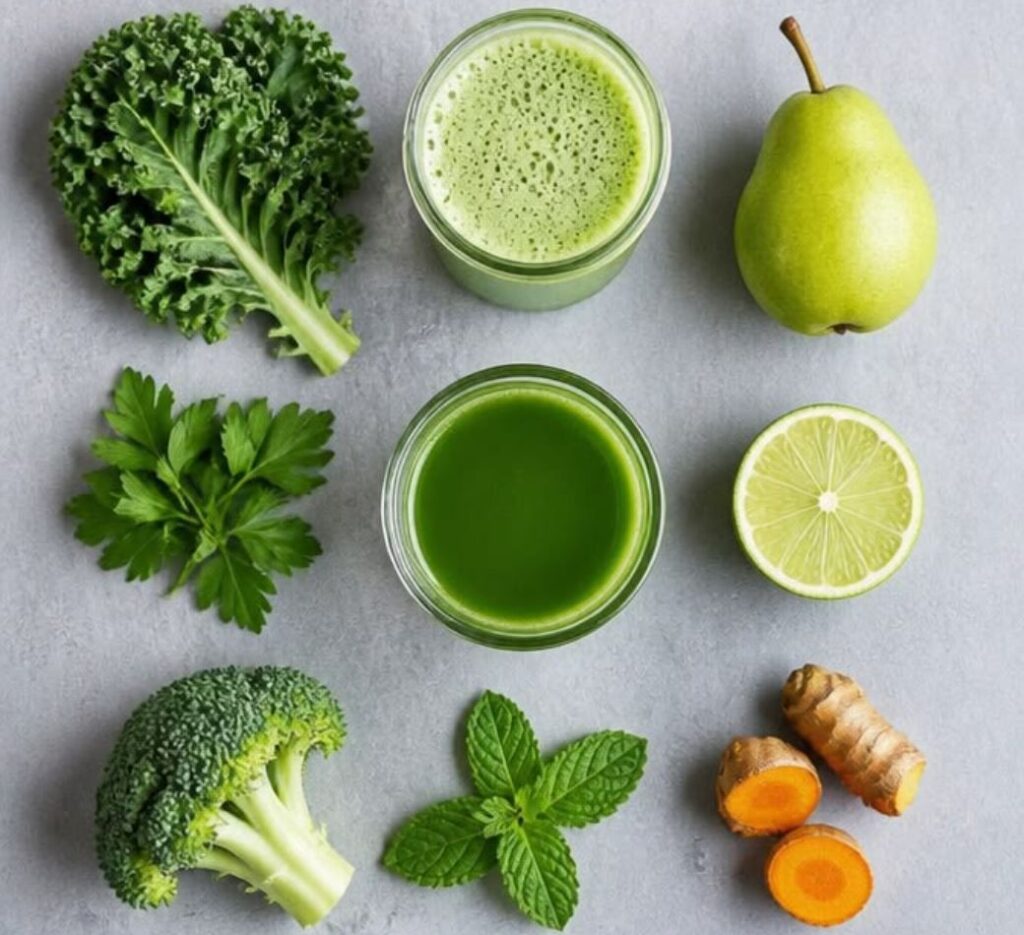
1. Classic Green Juice
Ingredients:
- 1 cucumber
- 2 celery stalks
- 1 handful spinach
- 1 small green apple
- ½ lemon
- Small piece of fresh ginger
Method:
- Wash the produce thoroughly.
- Cut large ingredients into pieces that fit your juicer.
- Juice the cucumber, celery, spinach, apple, lemon, and ginger.
- Stir the juice and serve immediately.
You can reduce the apple if you want a less sweet drink.
2. Low-Sugar Green Smoothie
Ingredients:
- 1 cup spinach
- ½ cucumber
- ½ green apple
- ½ cup plain Greek yogurt
- ¾ cup unsweetened milk
- 1 tablespoon chia seeds
- Fresh lemon juice
- Ice
Method:
- Add the liquid to your blender.
- Add spinach and cucumber.
- Add the apple, yogurt, and chia seeds.
- Blend until smooth.
- Add ice and blend again.
This recipe provides a creamy texture without relying on added sugar.
3. Green Drink for Digestion
Ingredients:
- 1 cup cucumber
- 1 handful spinach
- ½ cup celery
- Small piece of ginger
- Fresh lemon juice
- 1 cup cold water
Method:
Blend everything until smooth. Add more water if necessary.
Remember that no green drink can guarantee relief from bloating or digestive symptoms. Persistent or severe symptoms require professional medical advice.
4. Green Apple Ginger Juice
Ingredients:
- 1 green apple
- 1 cucumber
- 2 celery stalks
- ½ lemon
- Small piece of ginger
- Handful of parsley
Method:
Juice all ingredients together and serve fresh.
The apple provides sweetness, while lemon and ginger add acidity and flavor.
5. Creamy Avocado Green Smoothie
Ingredients:
- 1 cup spinach
- ¼ avocado
- ½ cucumber
- ½ cup unsweetened soy milk
- ½ cup plain Greek yogurt
- Lemon juice
- Ice
Method:
Blend all ingredients until creamy.
Add more liquid if the smoothie feels too thick.
6. Green Powder Drink
Ingredients:
- 1 serving of your preferred greens powder
- 12–16 oz cold water
- Fresh lemon juice
- Ice
- Optional mint
Method:
Add the powder to water and mix according to the product instructions. Add lemon and ice for extra flavor.
Always follow the serving instructions on the product label.
7. Green Citrus Smoothie
Ingredients:
- 1 cup spinach
- ½ cucumber
- ½ orange
- ½ cup plain yogurt
- ½ cup water
- 1 tablespoon chia seeds
- Ice
Method:
Blend all ingredients until smooth.
Use less orange if you want to lower the drink’s natural sugar content.
Alkalizing Green Juice Recipes: What You Should Know
You may see green drinks marketed as “alkalizing” or “alkaline.”
Vegetables contain minerals and can form part of a healthy dietary pattern, but you should not assume that a green juice can dramatically change your body’s overall pH.
Your body regulates blood pH through complex systems involving the lungs and kidneys.
Instead of focusing on an “alkaline” label, build your drink around vegetables, leafy greens, herbs, and other nutrient-rich ingredients.
Simple Alkalizing-Style Green Juice
Try:
- Cucumber
- Celery
- Parsley
- Lemon
- Ginger
- Small amount of green apple
This combination creates a fresh, vegetable-forward drink without requiring a large amount of fruit.
Daily Green Powder vs. Fresh Greens
Fresh greens and green powders serve different purposes.
Fresh vegetables provide whole-food nutrients and fiber. Green powders offer convenience and longer storage.
| Factor | Fresh Greens | Green Powder |
|---|---|---|
| Fiber | Naturally present | Often lower or variable |
| Convenience | Moderate | High |
| Food variety | Easy to vary | Depends on formula |
| Storage | Shorter | Longer |
| Preparation | Requires washing and chopping | Usually mix and drink |
| Whole-food benefits | High | Depends on processing |
Use fresh greens whenever you can. Use green powder when convenience helps you maintain your overall dietary routine.
How to Reduce the Bitter Taste of Green Drinks
Leafy greens can create a bitter or grassy flavor. You can improve the taste without adding large amounts of sugar.
Add Citrus
Lemon and lime can brighten the flavor and reduce the perception of bitterness.
Use Cucumber
Cucumber adds water and a mild flavor that can soften stronger greens.
Add Ginger
Fresh ginger creates a sharp, warming flavor that works well with kale, spinach, celery, and cucumber.
Use a Small Amount of Fruit
Green apple, kiwi, pineapple, or citrus can add natural sweetness.
Keep fruit portions moderate if you want to control the drink’s total sugar.
Green Drinks and Oxalates
Some leafy greens contain oxalates. Spinach, for example, contains relatively high amounts.
Most people do not need to eliminate oxalate-containing vegetables. However, people who form calcium oxalate kidney stones may need individualized dietary guidance.
If you have a history of kidney stones, talk with your doctor or a kidney dietitian before consuming large quantities of high-oxalate green drinks every day.
You should also avoid claiming that lemon juice or another ingredient can “neutralize” oxalates completely. Instead, focus on an overall dietary pattern and follow individualized medical guidance when needed.
How to Store Fresh Green Drinks
Fresh juice and smoothies require careful handling.
Follow these basic practices:
- Wash produce thoroughly before preparation.
- Use clean equipment and containers.
- Refrigerate prepared drinks promptly.
- Make only what you expect to consume.
- Follow the storage instructions for commercial products.
- Choose pasteurized commercial juice when appropriate.
Do not assume that a cold-pressed drink remains nutritionally identical for several days. Nutrient retention depends on the ingredients, processing method, temperature, oxygen exposure, light, and storage time.
For the best quality, prepare your drink close to the time you plan to consume it.
Green Drinks for Gut Health and Bloating
A smoothie can provide fiber from vegetables, fruits, seeds, and other whole-food ingredients. That makes it different from a juice, which removes much of the plant fiber.
For a fiber-focused green smoothie, try:
- Spinach
- Cucumber
- Kiwi
- Chia seeds
- Plain yogurt
- Unsweetened milk
Increase fiber gradually if your current diet contains little fiber. A sudden increase can cause gas or digestive discomfort in some people.
If bloating happens frequently, causes significant discomfort, or comes with unexplained weight loss, bleeding, persistent vomiting, or severe pain, seek medical advice instead of relying on green drinks.
Green Drinks for a Lower-Sugar Diet

You can control sugar by changing the ingredient ratio.
Choose More:
- Spinach
- Kale
- Cucumber
- Celery
- Parsley
- Lemon
- Lime
- Unsweetened milk
- Plain yogurt
Use Moderate Portions of:
- Green apple
- Banana
- Mango
- Pineapple
- Orange
- Dates
Avoid automatically adding honey, maple syrup, flavored yogurt, or sweetened plant milk.
Fruit provides natural sugar, but large amounts can still increase the total carbohydrate and calorie content of your drink.
Juicer vs. Blender: Which Should You Use?
Choose a blender when you want to retain more fiber and create a thicker drink.
Choose a juicer when you prefer a light, liquid drink and do not mind losing much of the pulp.
A blender also gives you more flexibility because you can add ingredients such as yogurt, avocado, seeds, or oats.
For everyday nutrition, you do not need to choose only one method. You can include smoothies, juices, and whole vegetables as part of a varied diet.
A Simple Green Drink Formula
Use this formula to create your own recipe:
Base + Greens + Flavor + Protein/Fat + Liquid
For example:
| Component | Options |
|---|---|
| Base | Cucumber, celery |
| Greens | Spinach, kale, parsley |
| Flavor | Lemon, lime, ginger, mint |
| Fruit | Green apple, kiwi, berries |
| Protein | Greek yogurt, soy milk |
| Healthy fat | Chia, flax, avocado |
| Liquid | Water, milk, unsweetened plant milk |
Start with small portions and adjust the flavor gradually.
Common Green Drink Mistakes
Adding Too Much Fruit
Fruit can make a green drink taste better, but excessive amounts can increase sugar and calories.
Removing All the Fiber
Juicing removes much of the fiber. If you want more fiber, choose a smoothie or use some of the edible pulp when practical.
Treating Green Drinks as Detoxes
Your body already has organs that process and eliminate waste. Green drinks can provide nutrients, but you should not treat them as a medical detox treatment.
Drinking the Same Ingredients Every Day
Rotate your greens and vegetables. Variety helps you consume a broader range of nutrients and plant compounds.
Ignoring Medical Conditions
Frequently Asked Questions
Are green drinks actually healthy?
Green drinks can support a healthy diet when you make them from nutrient-rich vegetables, leafy greens, herbs, and appropriate portions of fruit. Smoothies generally retain more fiber than juices.
Is green juice better than a green smoothie?
Neither format works better for everyone. Green juice provides a lighter drink with less fiber, while a green smoothie retains more of the edible plant material and can provide greater satiety.
Can I drink a green drink every day?
You can include a green drink daily if it fits your overall diet and nutritional needs. Rotate ingredients and continue eating whole vegetables and other foods.
What is the best green drink recipe?
A balanced recipe can combine cucumber, spinach, celery, lemon, ginger, and a small amount of green apple. Add yogurt, soy milk, chia seeds, or another protein source when you want a more filling smoothie.
Are green drinks good for digestion?
Smoothies can provide dietary fiber that supports normal digestive function. However, green drinks cannot guarantee relief from digestive problems or bloating.
Can green drinks help with detoxing?
Green drinks can provide nutrients, but you should not rely on them to “detox” your body. Avoid juice cleanses that replace a balanced diet.
Can green drinks cause kidney stones?
Some green ingredients, particularly spinach, contain high amounts of oxalate. People who form calcium oxalate kidney stones may need to limit certain high-oxalate foods under professional guidance.
Should I drink green juice on an empty stomach?
You do not need to drink green juice on an empty stomach to obtain its nutritional value. Choose the timing that fits your routine and digestive comfort.
How long does fresh green juice last?
Fresh juice quality can decline during storage, and microorganisms can grow in improperly handled fresh juice. Prepare small amounts, refrigerate them promptly, and consume them as soon as practical.
Conclusion
Green drinks can provide a convenient way to add vegetables, leafy greens, herbs, and fruit to your diet. You can choose juice when you want a light vegetable drink, smoothies when you want more fiber and satiety, or green powders when convenience matters most.
For a balanced option, make vegetables and greens the foundation of your drink. Add a modest amount of fruit for flavor, and include protein or healthy fats when you want a more filling smoothie.
Most importantly, treat green drinks as one part of a varied diet rather than a replacement for whole foods. With the right ingredients and preparation method, you can create flavorful green drinks that fit your everyday eating habits.