
Introduction
A hangover can leave you with a headache, thirst, nausea, dizziness, fatigue, and an upset stomach after drinking alcohol. You may wonder whether an electrolyte drink can help you feel better faster.
Do electrolytes help with hangovers? They can help you replace fluids and minerals when dehydration contributes to your symptoms. However, electrolytes do not cure a hangover, remove alcohol from your bloodstream, or speed up your liver’s processing of alcohol. Researchers have not found convincing evidence that electrolyte supplements reduce overall hangover severity. [1]
In this guide, you will learn how alcohol affects hydration, how electrolytes compare with plain water, when to drink them, and how to choose a suitable drink for recovery.
Quick Summary: Yes, electrolytes help with hangover symptoms by rapidly restoring lost sodium, potassium, and fluids. While plain water fixes mild thirst, electrolyte drinks rehydrate your body much faster, reducing headaches and fatigue.
Key Takeaways:
- For Dehydration: Electrolytes replenish essential minerals faster than plain water alone.
- For Nausea: Take small, slow sips instead of gulping down large amounts.
- For Headaches & Fatigue: Drink electrolytes before bed and right after waking up for fast recovery.
How Alcohol Drains Your Body’s Fluids and Electrolytes
Alcohol affects several processes in your body. It can increase urination, irritate your stomach, disrupt sleep, and produce acetaldehyde as your liver breaks down alcohol. These effects can contribute to hangover symptoms. [1]
1. Alcohol Can Inhibit Vasopressin (ADH)
Your body uses a hormone called vasopressin, also known as antidiuretic hormone (ADH), to help your kidneys conserve water.
Alcohol can suppress vasopressin release. As a result, your kidneys may produce more urine, which can increase fluid loss. Scientists call this process ethanol-induced diuresis.
You may notice more thirst, a dry mouth, or lightheadedness after drinking. However, dehydration explains only part of a hangover.
2. Sodium and Potassium Support Fluid Balance
Sodium and potassium help your body regulate fluid balance, nerve signals, and muscle contractions. Your sodium-potassium pump also helps maintain the electrical gradients that cells need to function.
Alcohol does not automatically cause a major electrolyte deficiency after every drinking session. Your actual fluid and mineral losses depend on several factors, including your drinking pattern, food intake, vomiting, and other health conditions.
You should not assume that every hangover requires a high-dose electrolyte supplement.
3. Acetaldehyde and Other Factors Can Cause Symptoms
Your liver breaks down alcohol and produces acetaldehyde, a toxic intermediate that your body later processes into other substances. Alcohol can also increase inflammation, irritate the stomach lining, and disturb normal sleep.
Electrolytes cannot directly reverse these effects. They also cannot restore disrupted sleep or make your liver process alcohol instantly. [1]
Electrolytes vs. Water for Hangover Recovery
Both plain water and electrolyte drinks can help you rehydrate. Your symptoms and fluid losses can guide your choice.
| Feature | Plain water | Electrolyte drink |
|---|---|---|
| Replaces fluids | Yes | Yes |
| Provides sodium | Usually very little | Depends on the product |
| Provides potassium | Usually very little | Depends on the product |
| Helps with thirst | Yes | Yes |
| May help when you lose fluids through vomiting | Helps replace water | Can help replace fluids and salts |
| Cures a hangover | No | No |
| Best use | Mild thirst and routine hydration | Rehydration when you need additional electrolytes |
When Is Water Enough?
Water often provides enough hydration when you have mild thirst and can eat and drink normally. You do not need to buy an expensive electrolyte product every time you drink alcohol.
When Should You Choose Electrolytes?
Consider an appropriate electrolyte beverage if you have lost fluids through repeated vomiting or have another reason to need additional fluid and salts. If you cannot keep fluids down, seek medical advice rather than relying on sports drinks or supplements alone. [2]
When to Drink Electrolytes for Hangover Recovery
No proven timing schedule guarantees faster hangover recovery. You can use the following practical guidance to support hydration without assuming that electrolytes prevent alcohol-related harm.
Before Drinking Alcohol
Drink water normally and eat a meal. You can maintain your usual hydration, but an electrolyte packet before bed or before drinking does not protect your liver or prevent intoxication.
During Alcohol Consumption
Alternate alcoholic drinks with water or another nonalcoholic beverage. This approach can help you drink less alcohol and maintain fluid intake, but it does not make alcohol leave your body faster.
The most effective way to reduce hangover risk is to drink less alcohol or avoid it altogether.
Before Bed
If you feel thirsty and can swallow safely, drink water according to your thirst. You may choose an electrolyte beverage if you have lost fluids, but you do not need to take a fixed electrolyte dose simply because you drank alcohol.
Never force yourself to drink large quantities of fluid quickly.
The Morning After
Start with small sips of water or an appropriate electrolyte drink. Eat a light meal if you can tolerate food, and rest while your body recovers.
If you experience repeated vomiting, worsening dizziness, or an inability to keep fluids down, seek medical advice.
Best Electrolytes for Hangover Recovery
The best choice depends on your hydration needs, product ingredients, and overall health. No specific electrolyte drink has established itself as a reliable hangover cure.
Sodium
Sodium helps regulate fluid balance and blood volume. Rehydration products contain sodium in amounts suited to their intended use.
However, more sodium does not necessarily mean better hangover recovery. Excess sodium can raise blood pressure, so check the label if you need to limit salt. [3]
Potassium
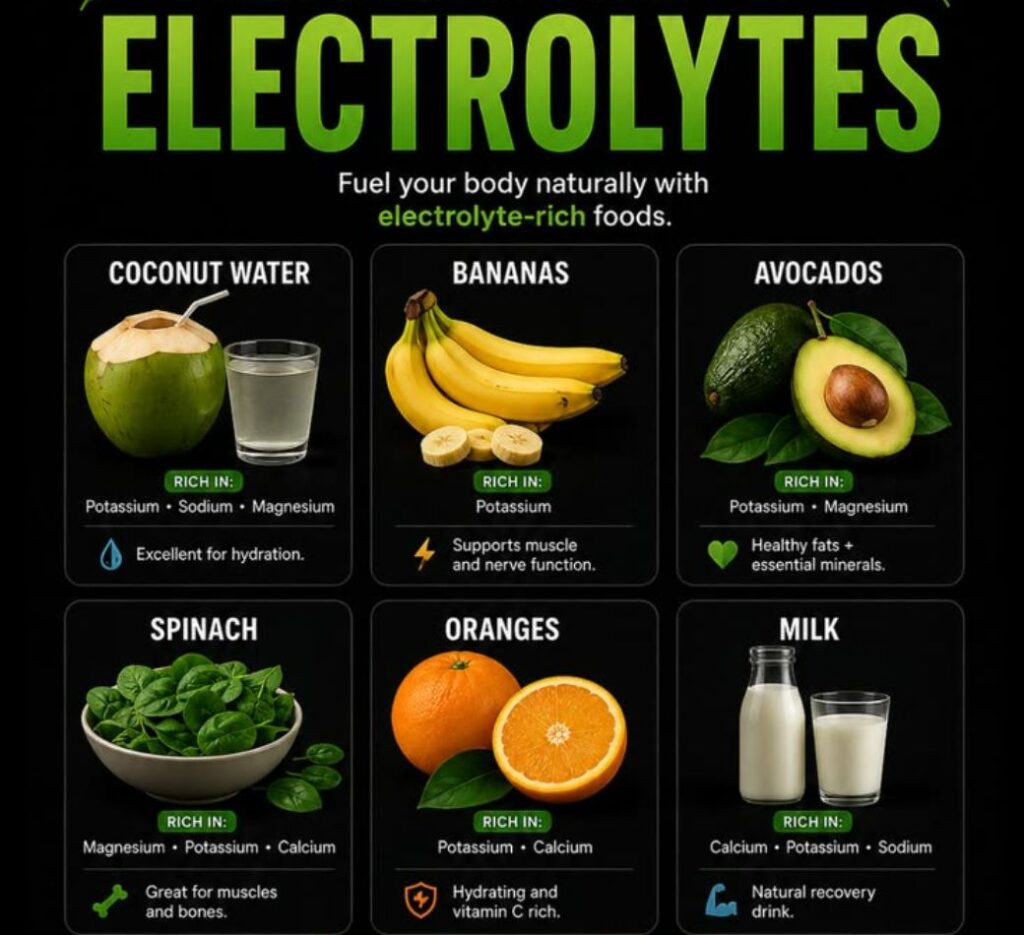
Potassium supports normal muscle and nerve function. Many foods, including bananas, potatoes, oranges, and yogurt, provide potassium.
Avoid taking high-dose potassium supplements without medical guidance, especially if you have kidney disease or take medicines that affect potassium levels.
Magnesium
Magnesium supports muscle and nerve function, but researchers have not established that magnesium supplements cure hangovers. You do not need a high-dose magnesium supplement solely because you drank alcohol.
Sugar and Carbohydrates
Some rehydration drinks contain glucose or other carbohydrates. The right formulation depends on the product’s purpose. Do not assume that a sugary sports drink works better than water for every hangover.
Sports Drinks vs. Electrolyte Packets vs. Homemade Drinks
Different products provide different amounts of sodium, potassium, sugar, and other ingredients. Check each product’s nutrition label instead of relying on its marketing claims.
| Option | Electrolytes | Cost | Practical considerations |
|---|---|---|---|
| Plain water | Usually low amounts | Usually low | Suitable for routine hydration |
| Sports drink | Varies by brand | Varies | May contain added sugar |
| Electrolyte packet | Varies by formula | Varies | Mix with the exact amount of water on the label |
| Oral rehydration solution (ORS) | Formulated sodium and other electrolytes | Varies | Useful for certain fluid losses; follow package instructions |
| Homemade drink | Depends on ingredients | Usually low | Incorrect proportions can provide too much or too little sodium |
An oral rehydration solution can help replace fluids and salts during certain illnesses that cause fluid loss. However, a hangover alone does not automatically require ORS.
Does Liquid I.V. Help With Hangovers?
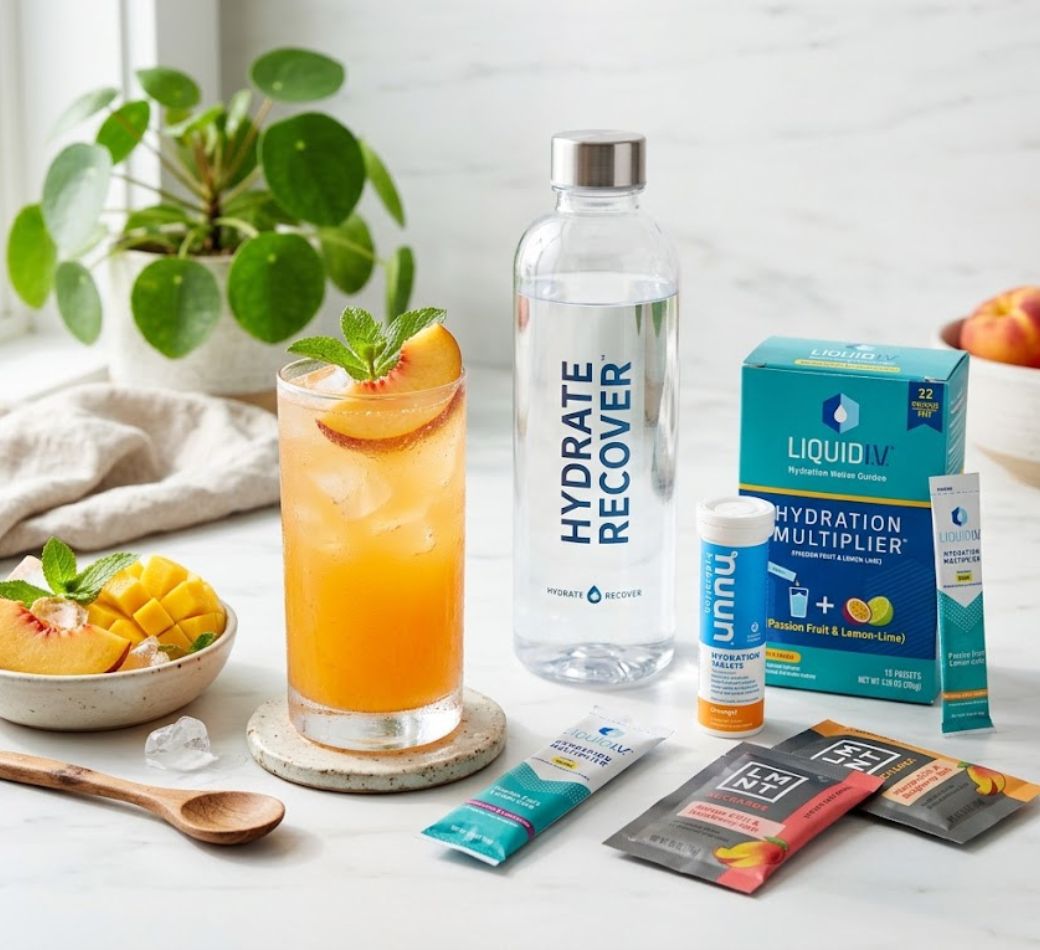
Liquid I.V. is an electrolyte drink mix. It can provide fluid and electrolytes when you mix it according to its instructions.
However, researchers have not established that Liquid I.V. cures hangovers or reduces their overall severity. You should treat it as a hydration option, not an alcohol detox product.
Compare the sodium, sugar, serving size, and price with other options before choosing a product.
How to Make a Homemade Electrolyte Drink for a Hangover
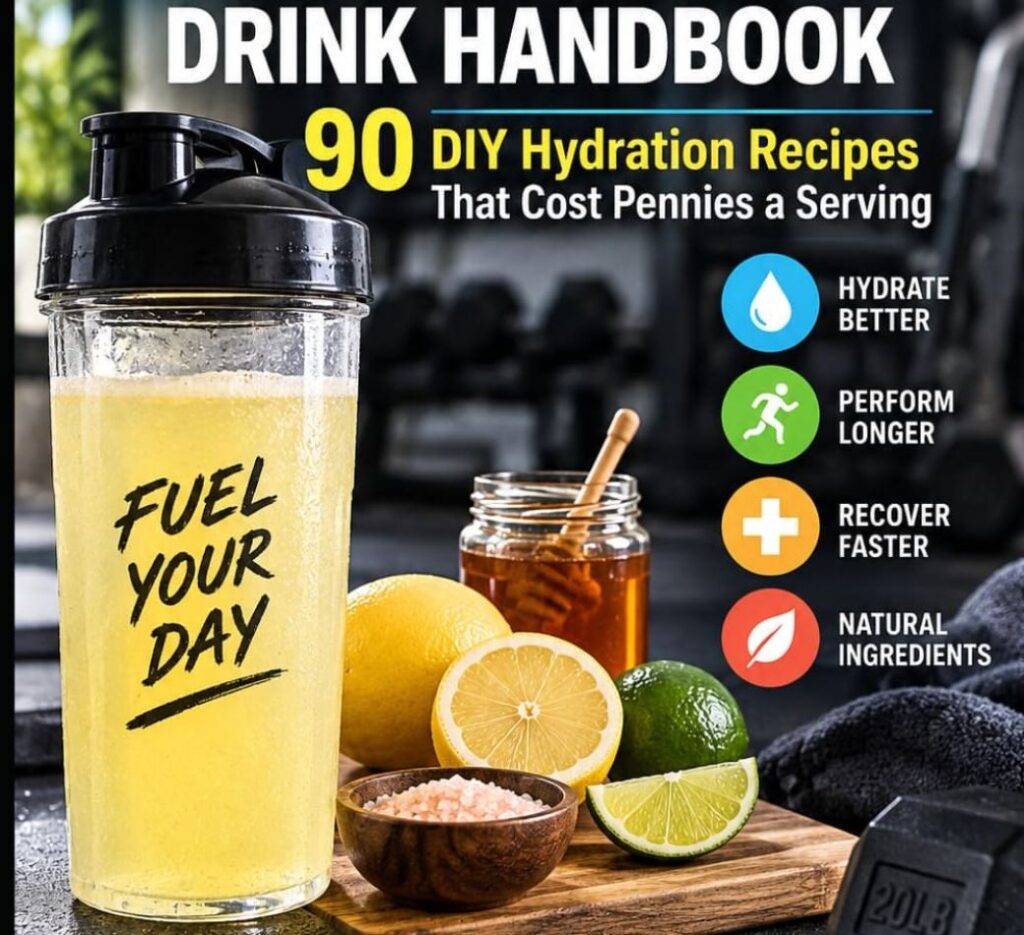
You can make a simple drink at home, but do not confuse a homemade beverage with a medically formulated rehydration solution.
For ordinary thirst, plain water may be all you need. If vomiting or another illness causes significant fluid loss, ask a pharmacist or healthcare professional whether you need a commercial ORS.
Simple Homemade Hydration Drink
Ingredients:
- 2 cups (about 500 mL) of clean drinking water
- A small squeeze of lemon for flavor, if desired
Instructions:
- Pour the water into a clean glass.
- Add a little lemon juice if you prefer the taste.
- Sip slowly, especially if you feel nauseated.
- Eat a light snack when your stomach can tolerate food.
This recipe provides fluid but does not replace electrolytes in a standardized ratio. Do not add random amounts of salt or potassium powder. Use a properly formulated ORS and follow its package directions when you need medical rehydration.
What Electrolytes Can and Cannot Fix
Understanding the limits of electrolytes can help you choose realistic recovery strategies.
| Electrolytes may help with | Electrolytes cannot reliably fix |
|---|---|
| Replacing fluids | Alcohol intoxication |
| Supplying sodium and potassium | Acetaldehyde processing |
| Supporting normal nerve and muscle function | Disrupted sleep |
| Supporting hydration after fluid loss | Stomach irritation caused by alcohol |
| Relieving thirst associated with dehydration | Every hangover headache or episode of nausea |
Electrolytes can support normal hydration, but they do not address every process that causes a hangover. Your body needs time to recover from alcohol’s effects. [1]
How to Prevent a Hangover With Electrolytes
You cannot reliably prevent a hangover by taking electrolyte packets before bed. The amount of alcohol you consume remains a major factor in your risk.
Use these practical steps to reduce risk:
- Drink less alcohol. Reducing alcohol intake offers the most reliable way to lower your hangover risk.
- Eat before drinking. Food can slow alcohol absorption, although it cannot prevent intoxication.
- Choose water between alcoholic drinks. This can help maintain fluid intake and reduce the amount of alcohol you consume.
- Avoid rapid drinking. Give yourself time between drinks.
- Do not rely on electrolyte supplements. They cannot prevent alcohol poisoning or guarantee a symptom-free morning.
- Prioritize sleep and recovery. Alcohol can disrupt sleep even when it makes you feel sleepy.
If you choose to drink, remember that hydration does not make heavy drinking safe.
Frequently Asked Questions
1. Do electrolytes help with hangovers?
Electrolytes can help replace fluids and minerals when you have lost them. However, research has not established that electrolyte drinks reduce overall hangover severity or cure hangovers.
2. Does Liquid I.V. cure hangovers?
No. Liquid I.V. supplies fluids and electrolytes, but it cannot cure a hangover or speed up alcohol metabolism. It may support hydration when you need additional electrolytes.
3. Can you take too many electrolytes after drinking?
Yes. Excess sodium can raise blood pressure, while excess potassium can cause dangerous heart rhythm problems, particularly in people with kidney disease or certain medication use. Follow product instructions and avoid stacking several supplements.
4. Why does salt water help hangover nausea?
Salt water does not have a proven hangover-specific benefit. Large amounts of salt water can cause harm, and concentrated salt solutions can be dangerous. Choose plain water for ordinary thirst or a properly formulated rehydration solution when appropriate.
5. Do electrolytes cure hangover headaches?
No. They may help if dehydration contributes to your headache, but hangover headaches have several possible causes. Rest and fluids may ease discomfort, but no electrolyte drink reliably eliminates the headache.
6. Should you take an electrolyte packet before bed after drinking?
You do not need one automatically. Drink water according to your thirst, and use an electrolyte product only when it suits your hydration needs. Follow the label’s mixing instructions.
7. What is the best time to take electrolytes when drinking alcohol?
There is no scientifically established best time for hangover prevention. You can maintain normal hydration while drinking, and you can rehydrate afterward if you feel thirsty or have lost fluids.
8. How much sodium do you need for hangover recovery?
No universal sodium dose has been established for hangover recovery. Your needs depend on your health, diet, and actual fluid losses. Follow a product’s directions rather than taking a high dose in an attempt to cure a hangover.
9. Can magnesium and potassium speed up alcohol recovery?
Researchers have not established that magnesium or potassium supplements speed up alcohol metabolism. Get these minerals from a balanced diet unless a healthcare professional identifies a specific need for supplementation.
10. Can electrolyte drinks prevent a hangover the next morning?
No. Electrolyte drinks cannot guarantee prevention. Drinking less alcohol or avoiding it offers the most reliable protection.
Conclusion
Electrolytes can support hydration after drinking alcohol, particularly when you have lost fluids. However, they do not cure hangovers, eliminate acetaldehyde, restore disrupted sleep, or make your liver process alcohol faster.
For mild thirst, plain water often works well. If you have significant fluid loss, an appropriate rehydration solution may help. Choose products carefully, follow label instructions, and avoid excessive sodium or potassium.
The most reliable way to prevent a hangover is to drink less alcohol or avoid it altogether. Give your body time to recover, and seek medical help if you develop severe symptoms.
Sources
Sources:
- National Institute on Alcohol Abuse and Alcoholism (NIAAA), Hangovers.
- NHS, Dehydration.
- Wiley Online Library (Alcohol & Hangover Research)
About the Author
This article provides general educational information. A qualified healthcare professional should review health claims before publication. Add professional credentials, review details, and first-hand testing claims only when you can verify them.