

Making a homemade electrolyte drink takes just a few ingredients, including water, table salt, and a source of carbohydrates such as sugar. The right recipe depends on your goal: everyday hydration, exercise, heavy sweating, or fluid loss from illness.
For your Pro Drinking Tips article, we should distinguish a homemade sports drink from a medical oral rehydration solution (ORS). Both can provide fluids and electrolytes, but they serve different purposes. We should also avoid claiming that a homemade recipe matches a laboratory-tested formula unless reliable testing supports that claim.
I’ll organize the article around practical measurements, safe preparation, ingredient comparisons, and clear guidance about when a homemade drink is appropriate.
How to Make an Electrolyte Drink: Easy Homemade Recipe
You can prepare a simple homemade electrolyte drink with water, salt, sugar, and fresh lemon juice. This version suits general exercise hydration, although people who exercise for long periods in hot weather may need a more individualized fluid and sodium plan.
Ingredients for a 1-Liter Homemade Electrolyte Drink
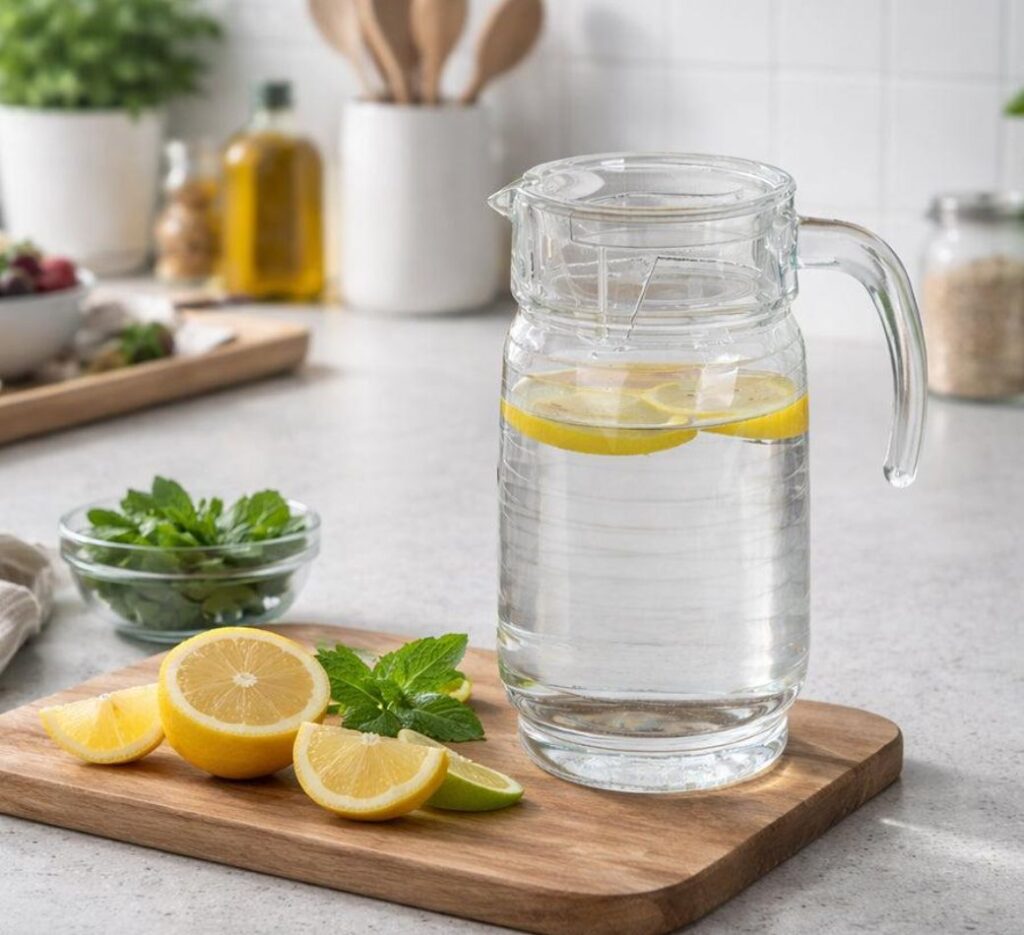
1. Water — 1 liter
Use 1,000 mL of safe drinking water as your base.
2. Table salt — 0.6 g
A small amount of salt supplies sodium and chloride. Weigh it for better accuracy instead of relying on an uncalibrated kitchen spoon.
3. Sugar — 25 g
Sugar adds carbohydrates that can help fuel exercise. This amount does not make the drink a medical ORS formula.
4. Lemon juice — 15–30 mL
Lemon juice adds a fresh citrus flavor. Its mineral contribution varies, so don’t rely on it to provide a precise electrolyte dose.
Note: This is a general homemade sports-drink recipe, not a clinically validated formulation. It does not replace a properly formulated oral rehydration solution when diarrhea or vomiting causes dehydration.
Step-by-Step Preparation
Step 1: Measure the water
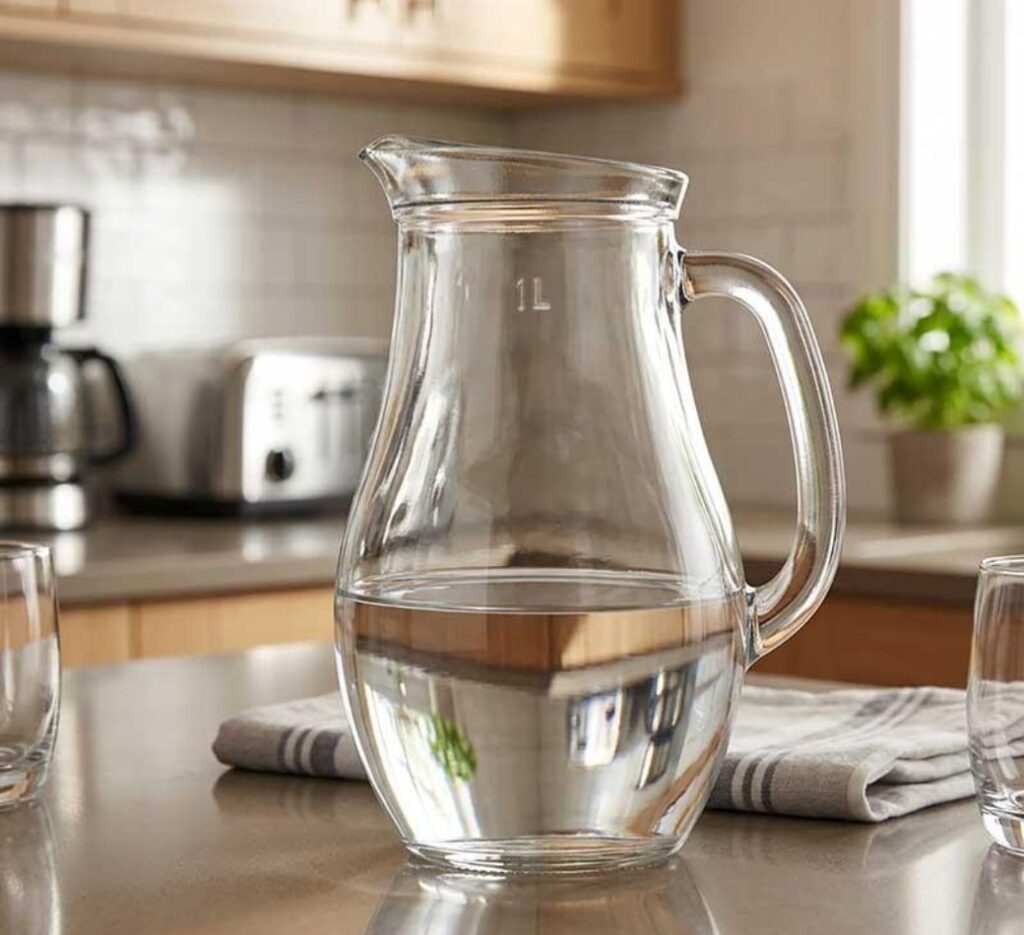
Pour 1 liter of safe drinking water into a clean pitcher.
Step 2: Add the salt and sugar
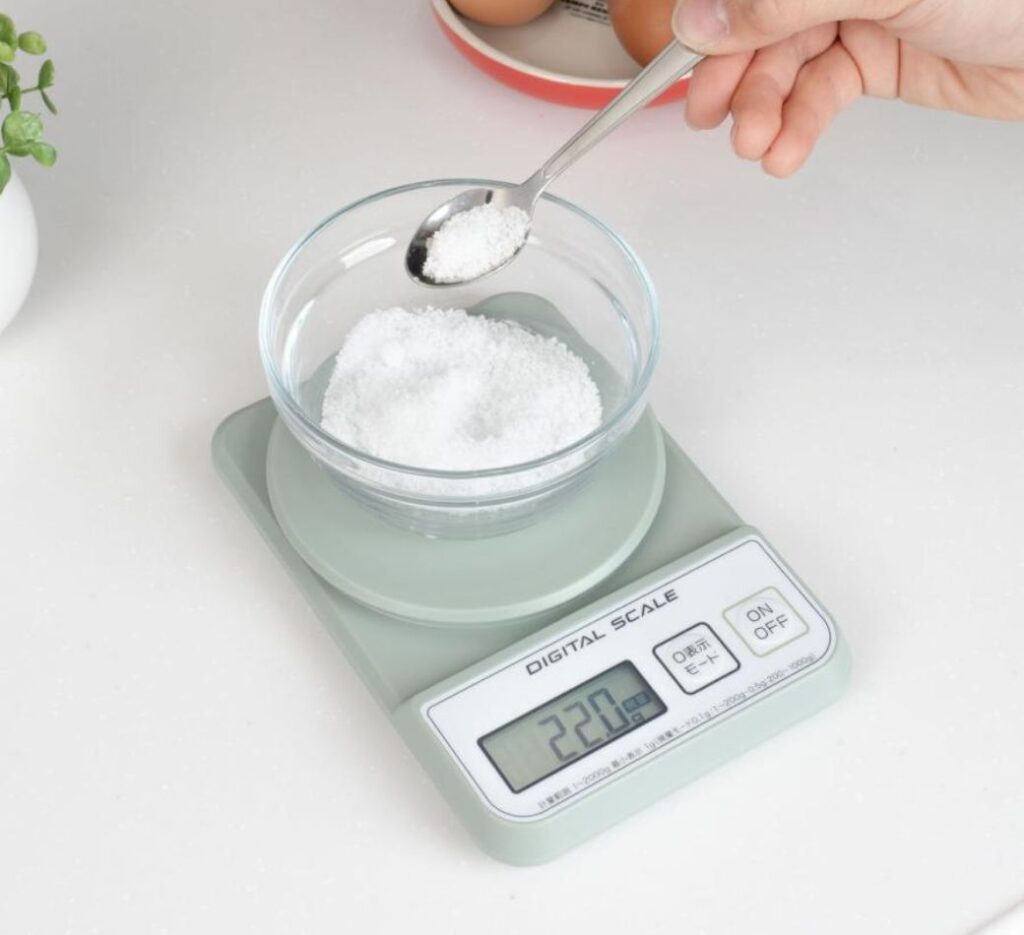
Measure 0.6 g of table salt and 25 g of sugar. Stir until both ingredients dissolve completely.
Step 3: Add lemon juice
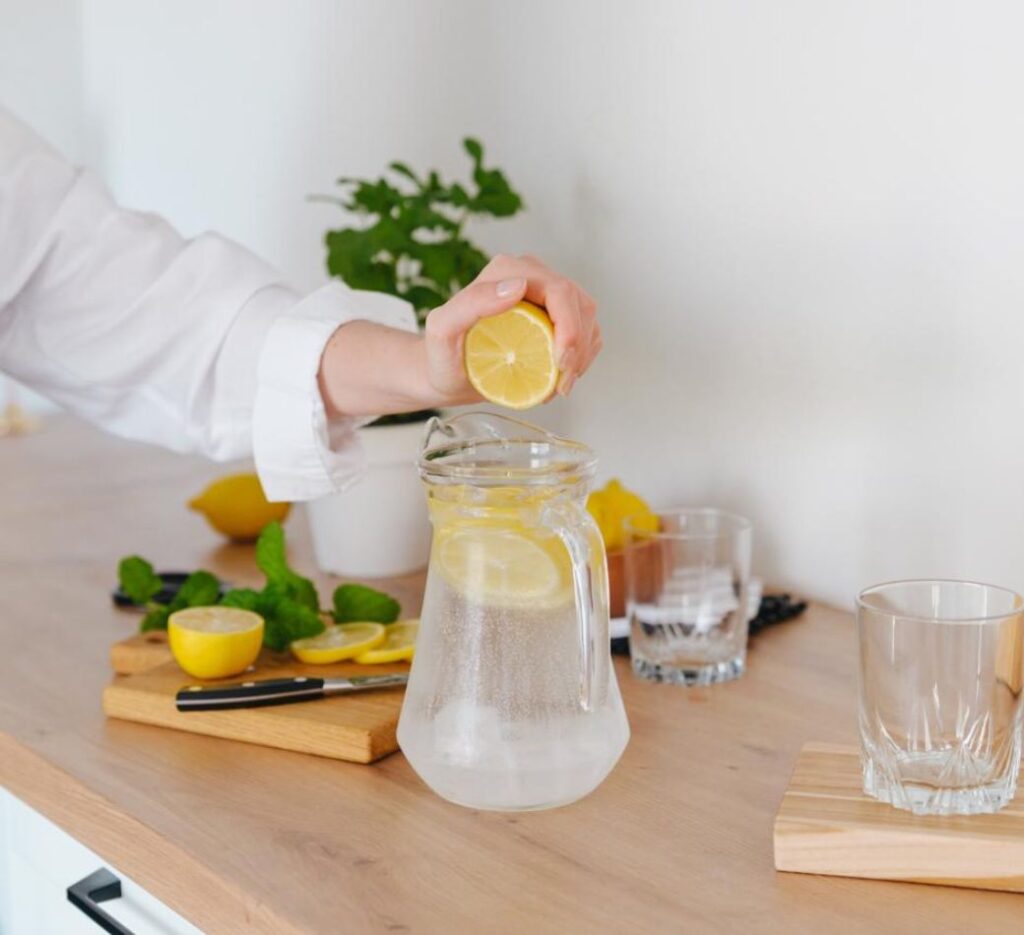
Mix in 15–30 mL of fresh lemon juice to improve the flavor.
Step 4: Serve and store safely
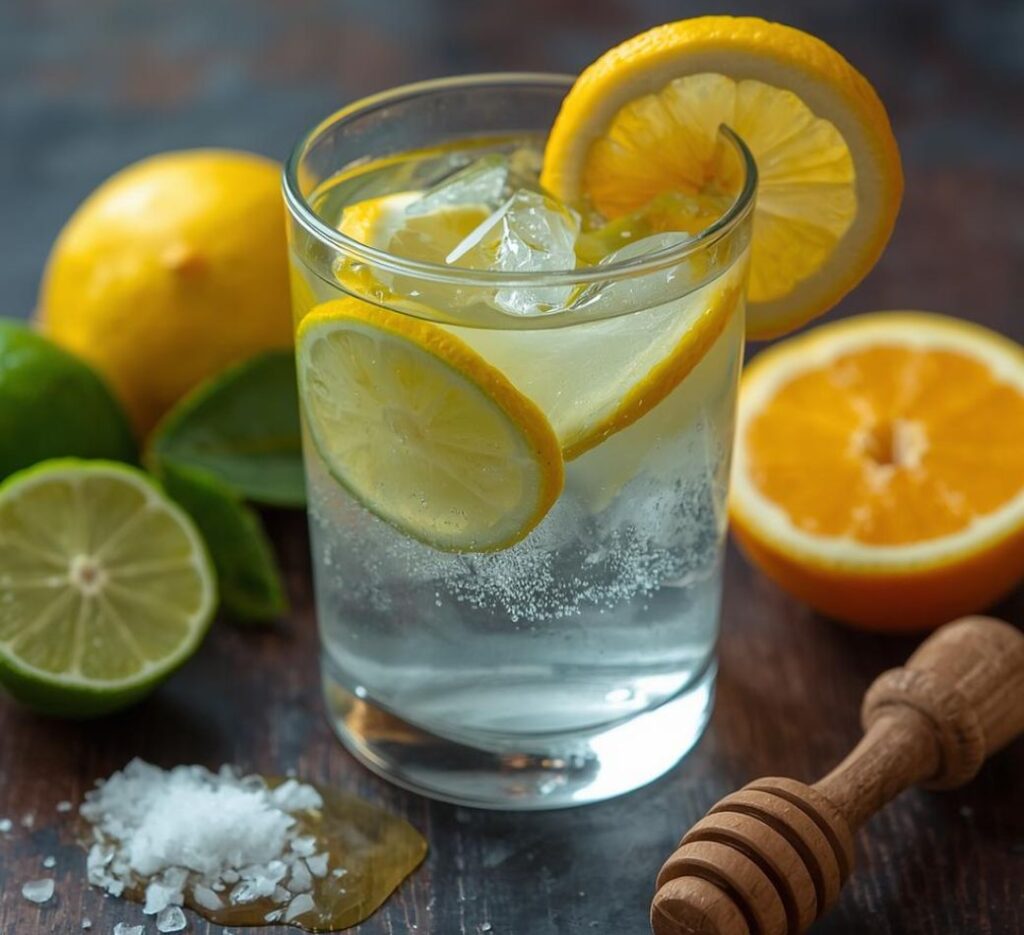
Pour the drink into a clean glass. Refrigerate any leftover drink in a covered container and discard it if its storage history or cleanliness becomes uncertain.
Homemade Electrolyte Replacement vs. Oral Rehydration Solution
A sports drink and an oral rehydration solution serve different purposes. The World Health Organization recommends ORS for dehydration caused by diarrhea and other fluid losses.
Homemade ORS Recipe for Fluid Loss
If you cannot obtain a commercial ORS sachet immediately, the WHO provides this simple household recipe:
| Ingredient | Exact household amount |
|---|---|
| Safe drinking water | 1 liter |
| Table salt | ½ level teaspoon |
| White sugar | 6 level teaspoons |
- Wash your hands and use a clean container.
- Measure exactly 1 liter of safe water.
- Add ½ level teaspoon of salt and 6 level teaspoons of sugar.
- Stir until everything dissolves.
- Give small, frequent sips if the person feels nauseated.
Follow the packet instructions when you have a commercial ORS product. Never add extra salt or sugar to either formula. The WHO recommends medical care for severe diarrhea, persistent vomiting, confusion, or other serious signs of dehydration.
Important: Do not use the sports-drink recipe above as a substitute for ORS. For a sick toddler, ask a healthcare professional about appropriate ORS and how much to give. Avoid creating a custom toddler formula from an online calculator.
Best Ingredients for a Natural Electrolyte Drink
You can customize a homemade electrolyte drink to suit your taste and activity. However, each ingredient serves a different purpose.
| Ingredient | Main role | Important consideration |
|---|---|---|
| Table salt (sodium chloride) | Supplies sodium and chloride | Measure carefully to avoid excess sodium. |
| Sugar | Supplies carbohydrates and supports sodium-glucose absorption in ORS | Use the correct amount for the intended formula. |
| Lemon juice | Adds citrus flavor | Does not provide a reliable dose of electrolytes. |
| Coconut water | Supplies fluid and some potassium | Potassium content varies, and it may not provide enough sodium for heavy sweating. |
| Potassium chloride (Lite Salt) | Supplies potassium and chloride | Avoid adding it casually, especially if you have kidney disease or take medicines that raise potassium. |
| Magnesium citrate | Supplies magnesium | Excess supplemental magnesium can cause diarrhea. |
| Trace-mineral products | May supply small amounts of minerals | Check the label and avoid assuming that every product improves hydration. |
| Raw honey | Adds carbohydrates and sweetness | Honey is not suitable for infants under 12 months. |
How to Make an Electrolyte Drink Without Coconut Water
You don’t need coconut water to make a basic electrolyte drink. Combine safe drinking water, carefully measured salt, sugar, and lemon juice using the recipe above.
This option costs less than many packaged drinks and lets you control the flavor. However, it won’t provide the same mineral profile as a product that contains potassium, magnesium, or other added electrolytes.
How to Make a Sugar-Free Homemade Electrolyte Drink
For ordinary hydration, you can drink water alongside meals that contain sodium and potassium. You can also flavor water with lemon or cucumber.
However, a sugar-free drink does not serve the same purpose as a glucose-based ORS. Glucose helps the intestine absorb sodium and water, so removing it changes the formula’s function. If you need ORS for diarrhea or vomiting, choose a suitable commercial ORS product or follow the recognized household recipe instead of substituting a sugar-free version.
How to Make a Keto Electrolyte Drink
People following a ketogenic diet sometimes look for drinks that contain no sugar. You can flavor plain water with lemon and discuss sodium needs with a qualified healthcare professional if you experience symptoms during dietary changes.
Don’t automatically add potassium chloride or magnesium supplements. Kidney problems and certain medicines can increase the risk of dangerously high potassium levels. A personalized plan should account for your health, medicines, diet, and fluid losses.
How Much Sodium and Water Do You Need During Exercise?
Your fluid and sodium needs depend on exercise duration, sweat rate, weather, body size, and individual tolerance. A single recipe cannot safely meet every athlete’s needs.
Calculate Your Sweat Rate
You can estimate your sweat loss during a workout by weighing yourself immediately before and after exercise.
Use this practical estimate:
\[ \text{Sweat loss (L)} \approx \text{Weight loss (kg)}+\text{Fluid consumed (L)}-\text{Urine (L)} \]
For example, suppose you lose 0.5 kg during exercise, drink 0.5 L, and produce no urine during the session.
\[ 0.5+0.5-0=1.0\text{ L} \]
If you exercise for one hour, your estimated sweat rate is approximately 1 liter per hour.
This estimate can guide your hydration planning, but it doesn’t tell you your exact sodium loss. You would need a suitable sweat-sodium assessment to estimate that more accurately.
Avoid Overhydration and Hyponatremia
Hyponatremia occurs when blood sodium becomes abnormally low. Drinking excessive amounts of fluid, particularly during prolonged exercise, can contribute to this condition.
- Drink according to your thirst and your exercise plan.
- Avoid forcing yourself to drink more than you lose.
- Don’t assume that cramps always indicate low sodium.
- Seek urgent medical care if you develop confusion, severe headache, repeated vomiting, or other concerning symptoms during or after exercise.
Can You Calculate the Osmolality of a Homemade Drink?
Osmolality measures the concentration of dissolved particles in a liquid. The type and amount of sugar, sodium salts, and other ingredients affect this measurement.
You cannot establish a drink’s exact osmolality from a recipe alone with clinical confidence unless you use a validated calculation with known ingredient composition or measure it using suitable laboratory equipment. Similarly, you cannot claim that a recipe improves intestinal absorption or prevents cramps by a particular percentage without reliable supporting evidence.
For that reason, this article does not present invented laboratory results, a proprietary absorption formula, or an unverified marathon case study.
Homemade Electrolyte Drinks vs. Commercial Sports Drinks
| Feature | Homemade sports drink | Commercial sports drink | Commercial ORS |
|---|---|---|---|
| Ingredient control | You choose the ingredients | Manufacturer sets the formula | Manufacturer uses a medical rehydration formula |
| Flavor | Easy to customize | Often offers multiple flavors | May have a salty or mildly sweet taste |
| Electrolyte consistency | Depends on accurate measurement | Depends on the product | Designed for rehydration when mixed as directed |
| Exercise hydration | May suit some workouts | Often convenient for prolonged exercise | Not usually the first choice for routine sports hydration |
| Diarrhea-related dehydration | Don’t assume it provides adequate treatment | Not a substitute for ORS | Appropriate when used according to instructions |
Sports drinks and ORS do not have interchangeable formulations. Choose the product according to your needs, and consult a healthcare professional if you have significant dehydration or a medical condition that affects fluid or electrolyte balance.
Safety Tips for Homemade Electrolyte Drinks
Follow these precautions whenever you prepare a homemade drink:
- Measure ingredients accurately. Use a digital scale for gram measurements and level measuring spoons for household ORS recipes.
- Use safe drinking water. Follow local water-safety guidance and boil water when necessary.
- Keep ORS recipes separate from sports-drink recipes. Don’t mix and match their measurements.
- Avoid unmeasured potassium supplements. Certain medical conditions and medicines can increase potassium levels.
- Take extra care with children. Use a suitable pediatric ORS product and follow professional guidance when illness causes fluid loss.
Frequently Asked Questions
1. How do I make an electrolyte drink at home?
For a basic sports drink, combine 1 liter of water, 0.6 g of table salt, 25 g of sugar, and 15–30 mL of lemon juice. This is a general recipe, not a clinical ORS formulation.
2. Is salt and water enough for electrolytes?
Salt and water provide sodium and chloride, but they don’t provide a complete range of electrolytes. Your body also obtains potassium and magnesium from food. For diarrhea-related dehydration, use an appropriate ORS rather than relying on salt water alone.
3. What is the correct homemade ORS ratio?
The WHO household recipe uses 1 liter of safe water, ½ level teaspoon of salt, and 6 level teaspoons of sugar. Measure each ingredient carefully and don’t add extra salt or sugar.
4. Can I use coconut water instead of regular water?
Coconut water provides fluid and potassium, but its sodium content varies. Don’t assume it can replace ORS or provide enough sodium for prolonged exercise in hot weather.
5. Can I make a sugar-free electrolyte drink?
Yes. You can flavor water with lemon or use an appropriate sugar-free product for some everyday hydration needs. However, a sugar-free drink does not replace glucose-based ORS when you need to treat dehydration caused by diarrhea or vomiting.
6. Is a homemade electrolyte drink safe for toddlers?
The sports-drink recipe in this article is not a pediatric treatment formula. For a sick toddler, use a suitable ORS and follow guidance from a pediatric healthcare professional. Seek prompt care if the child becomes unusually sleepy, urinates much less, or cannot keep fluids down.
7. Can I use Lite Salt to add potassium?
Lite Salt can add potassium, but you should not add it without considering your health and medicines. People with kidney disease or those who take certain blood-pressure medicines may face a higher risk of hyperkalemia.
8. How should I store a homemade electrolyte drink?
Use a clean, covered container and refrigerate the drink promptly. For ORS, follow the product’s storage instructions or your local health authority’s guidance, and discard leftovers within the recommended period.
Conclusion
You can make a simple homemade electrolyte drink with water, salt, sugar, and lemon juice. Accurate measurements help you control the ingredients, but the right formula depends on whether you need everyday hydration, sports fueling, or medical rehydration.
For exercise, match your hydration plan to your activity and sweat losses. For diarrhea or vomiting, use a suitable ORS instead of an improvised sports drink. When symptoms become severe or you have a condition that affects fluid balance, seek medical guidance.