
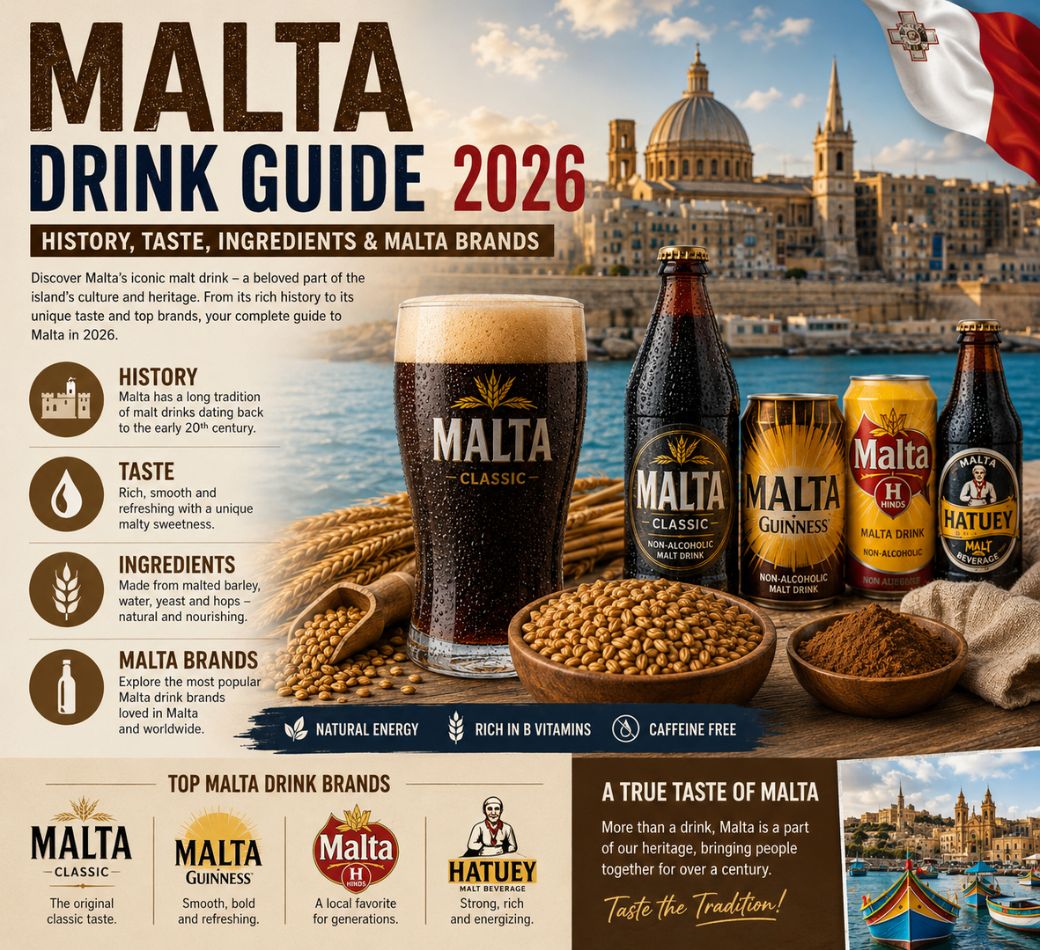
Malta drink stands as one of the world’s most recognizable non-alcoholic malt beverages. People across the Caribbean, Latin America, and West Africa enjoy its deep caramel flavor, creamy body, and beer-like aroma without consuming alcohol. This guide explains what Malta beverage is, how producers make it, why it tastes like sweet beer, and which global brands dominate the market today.
What Is Malta Beverage?
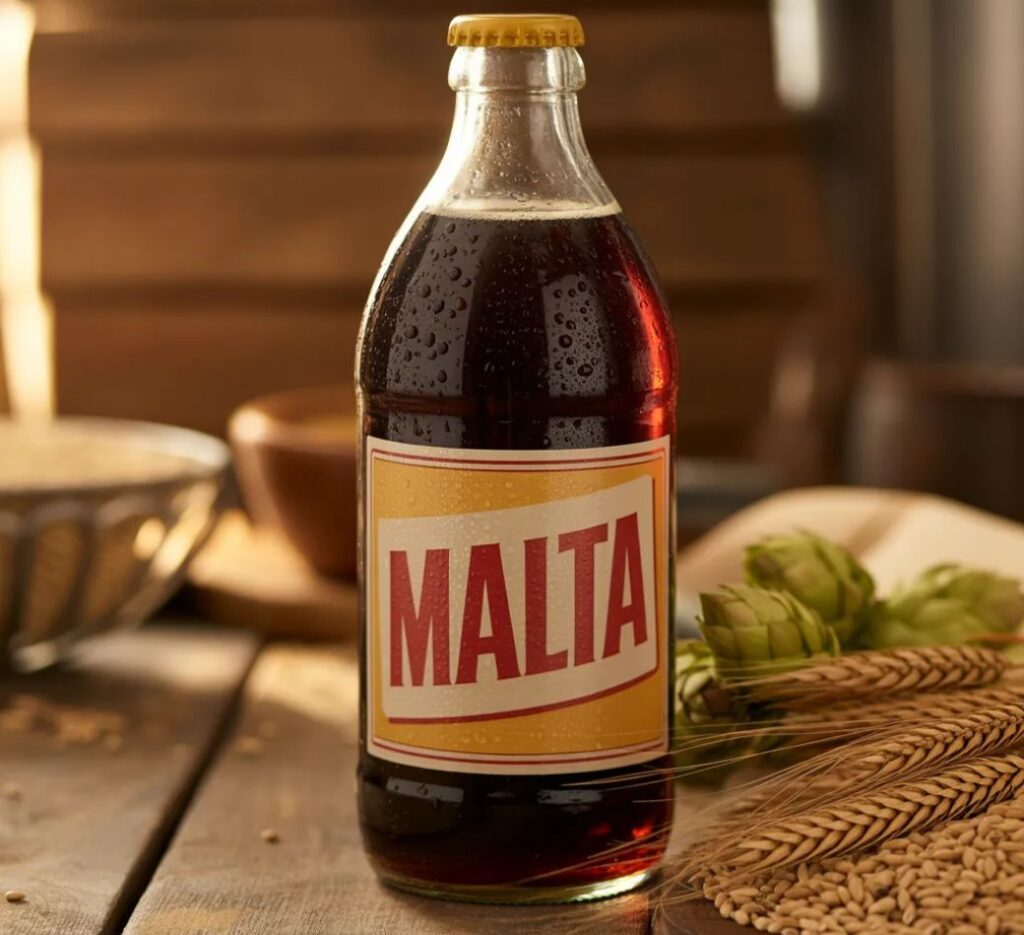
Malta beverage is a carbonated, non-alcoholic malt drink made from malted barley, hops, water, caramel coloring, and sweeteners. Brewers create Malta using a process similar to beer production, but they stop fermentation before alcohol develops.
Unlike beer, Malta retains its natural malt sugars. This process gives the drink its signature sweet, toasted flavor and thick mouthfeel.
Consumers often describe Malta as:
- Sweet like molasses
- Malty like dark bread
- Slightly bitter from hops
- Creamy and highly carbonated
Many first-time drinkers compare the experience to “sweet beer without alcohol.”
Malta Non Alcoholic Malt Drink Origins
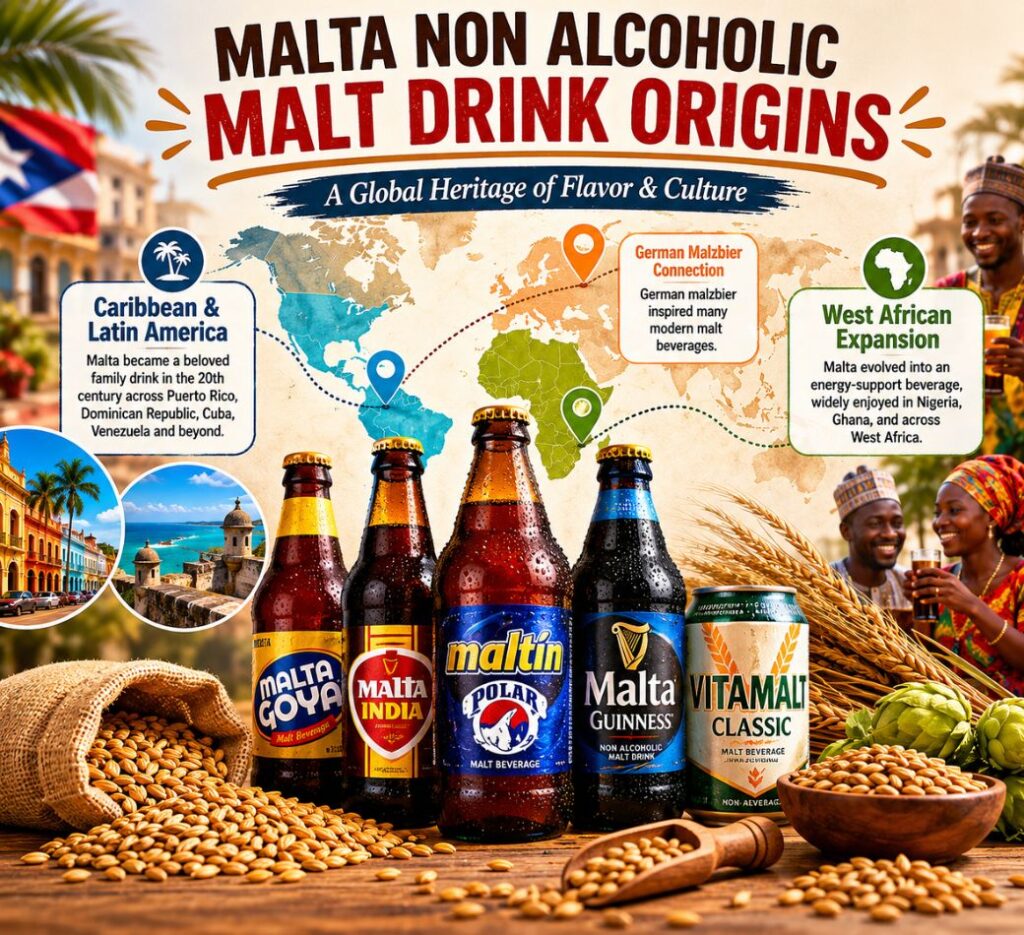
Caribbean and Latin American Influence
Puerto Rico, the Dominican Republic, Cuba, and Venezuela helped popularize Malta beverage culture during the 20th century. Families often served Malta with meals, desserts, or street food.
Brands such as Malta Goya and Maltín Polar became household staples throughout Latin America.
West African Expansion
West African countries later adopted Malta as an energy-support beverage. In Nigeria and Ghana, consumers frequently choose Malta Guinness as a refreshing alternative to soda or alcohol.
German Malzbier Connection
German brewers also developed sweet malt beverages known as “Malzbier.” While German malzbier inspired many modern formulas, Latin Malta drinks usually contain more sweetness and stronger caramel notes.
How Brewers Make Malta Drink
The Malta production cycle closely resembles beer brewing until the fermentation stage.
Malta Production Cycle
| Production Stage | Process | Purpose |
|---|---|---|
| Malted Barley Preparation | Brewers germinate and kiln-dry barley | Activates enzymes and develops caramel flavor |
| Mashing & Lautering | Hot water extracts malt sugars from grains | Produces sweet wort |
| Boiling & Hops Addition | Brewers boil wort with hops and sweeteners | Balances sweetness and bitterness |
| Flash Chilling | Producers rapidly cool liquid to near freezing | Prevents fermentation |
| Carbonation & Bottling | Manufacturers inject carbon dioxide and bottle the drink | Creates fizz and preserves flavor |
Why Malta Drink Is Not Beer
Many consumers confuse Malta beverage with beer because both drinks share similar ingredients.
The critical difference lies in fermentation control.
The Chemistry Behind Malta Beverage
Beer brewers add yeast after cooling wort to fermentation temperature. Yeast converts malt sugars into ethanol and carbon dioxide.
Malta producers interrupt this process.
During production, manufacturers rapidly chill the wort to near-freezing temperatures between:
1∘C−3∘C
This rapid cooling suppresses yeast activity and preserves maltose sugars inside the liquid.
Traditional beer fermentation usually begins between:
15∘C−22∘C
Because Malta never fully ferments, it keeps its sweet body and contains little to no alcohol.
Malta Ingredients and Nutrition
Most Malta drinks contain:
- Malted barley
- Water
- Hops
- Corn syrup or sugar
- Caramel coloring
- Carbon dioxide
- Added B vitamins
Nutritional Snapshot
| Nutrient | Typical Amount Per 330ml |
|---|---|
| Calories | 140–210 |
| Sugar | 28–40g |
| Protein | 1–2g |
| Fat | 0g |
| Vitamin B1 | Moderate |
| Vitamin B3 | Moderate |
| Vitamin B6 | Moderate |
Many brands fortify Malta with B vitamins to support energy metabolism.
The Global Malta Taste Index
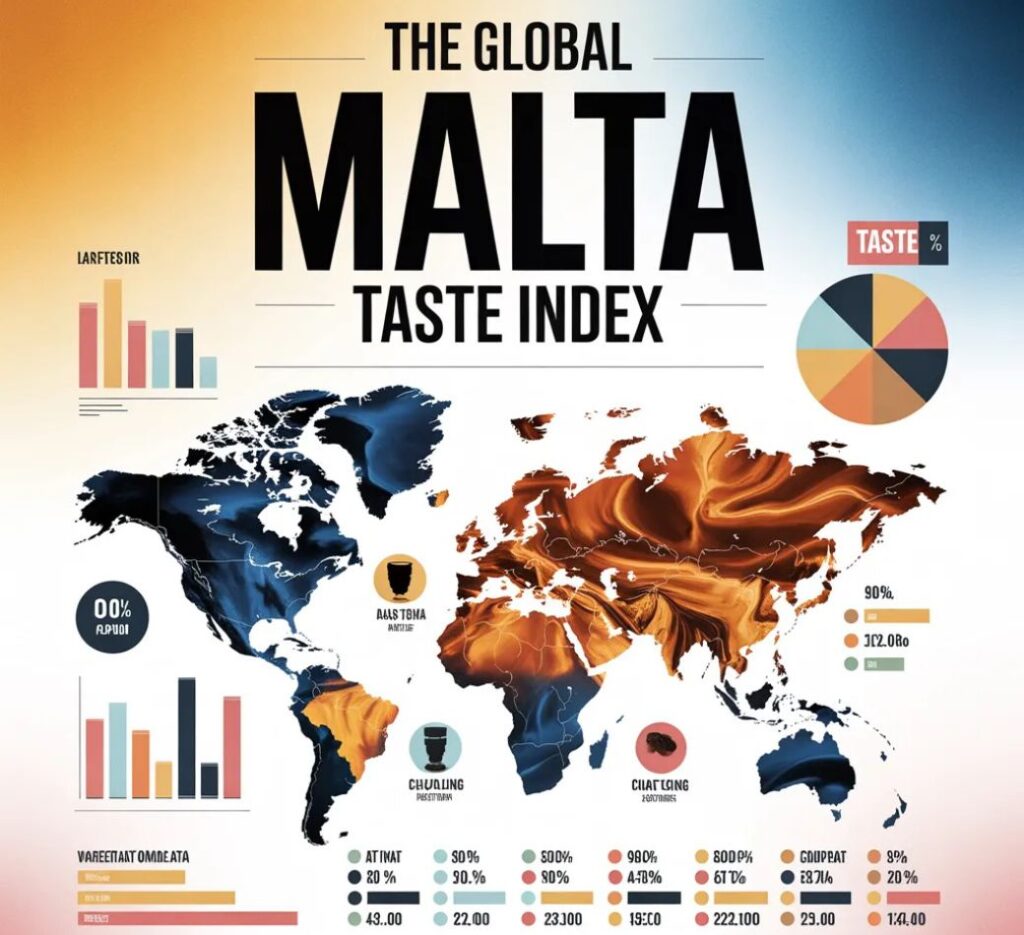
We conducted a comparative sensory evaluation panel across leading international Malta brands. The panel measured sweetness density, bitterness balance, malt intensity, and carbonation texture.
| Brand | Measured Sugar Level (Brix) | Estimated Bitterness (IBU) | Dominant Flavor Note | Mouthfeel Profile |
|---|---|---|---|---|
| Malta Goya | High (14.2°) | Low (3–5) | Heavy molasses, dark caramel | Syrupy, dense |
| Malta India | Medium-High (13.5°) | Low (4–6) | Toasted brown sugar, nutty | Crisp, sharp effervescence |
| Maltín Polar | Medium (12.8°) | Low-Med (5–7) | Clean cereal grain, light caramel | Balanced, smooth finish |
| Malta Guinness | Balanced (12.2°) | Medium (8–10) | Roasted barley, coffee undertone | Creamy, velvety |
| Vitamalt | Medium-High | Medium | Toasted malt, cocoa hints | Rich and foamy |
Malta Drink vs Beer
| Feature | Malta Drink | Beer |
|---|---|---|
| Alcohol Content | Non-alcoholic | Alcoholic |
| Fermentation | Stopped early | Fully fermented |
| Taste | Sweet and malty | Bitter to balanced |
| Sugar Level | High | Lower |
| Carbonation | Medium to high | Moderate |
| Primary Audience | All ages | Adults |
Why Does Malta Taste Like Sweet Beer?
Malta tastes similar to beer because both drinks use malted barley and hops.
However, Malta keeps its original malt sugars because brewers prevent fermentation. Beer loses much of its sweetness after yeast converts sugars into alcohol.
This difference explains why Malta delivers:
- Toasted grain flavor
- Caramel sweetness
- Mild hop bitterness
- Thick body
without producing ethanol.
Best Malta Brands Around the World
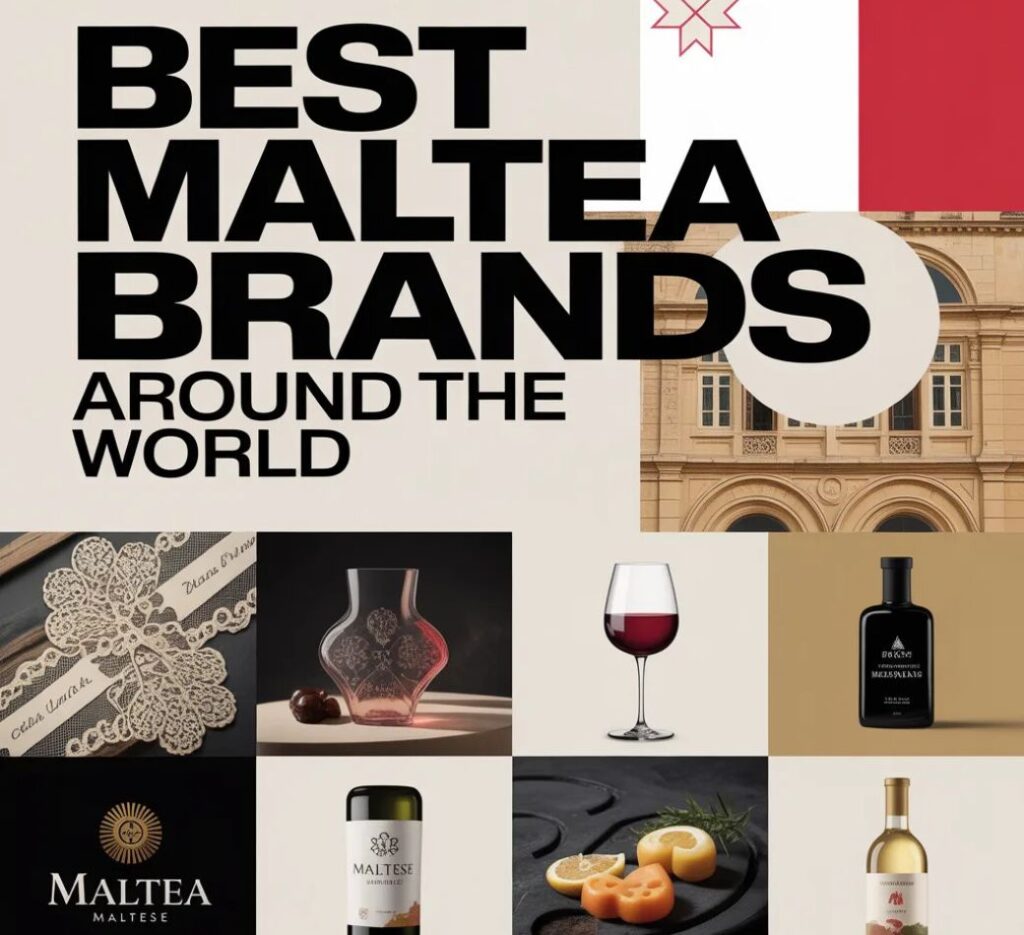
Malta Goya
Known for intense sweetness, dark caramel flavor, and dense texture.
Maltín Polar
Offers balanced sweetness with smooth carbonation and lighter cereal notes.
Malta Guinness
Features roasted barley flavors with subtle coffee undertones.
Vitamalt
Popular for its creamy foam and fuller malt body.
Malta India
Delivers sharp carbonation with nutty brown sugar flavors.
Cultural Traditions Around Malta Beverage
The Caribbean Sweetened Malta Tradition
Puerto Rican and Dominican households often pour Malta over ice or mix it with condensed milk.
This preparation softens carbonation and creates a dessert-like texture.
West African Nutritional Use
Many consumers in Nigeria and Ghana drink Malta beverages after physically demanding work. The naturally occurring and fortified B vitamins contribute to Malta’s reputation as an energy-support drink.
Key vitamin compounds include:
B1, B3, B6
Malta Drink With Condensed Milk Recipe
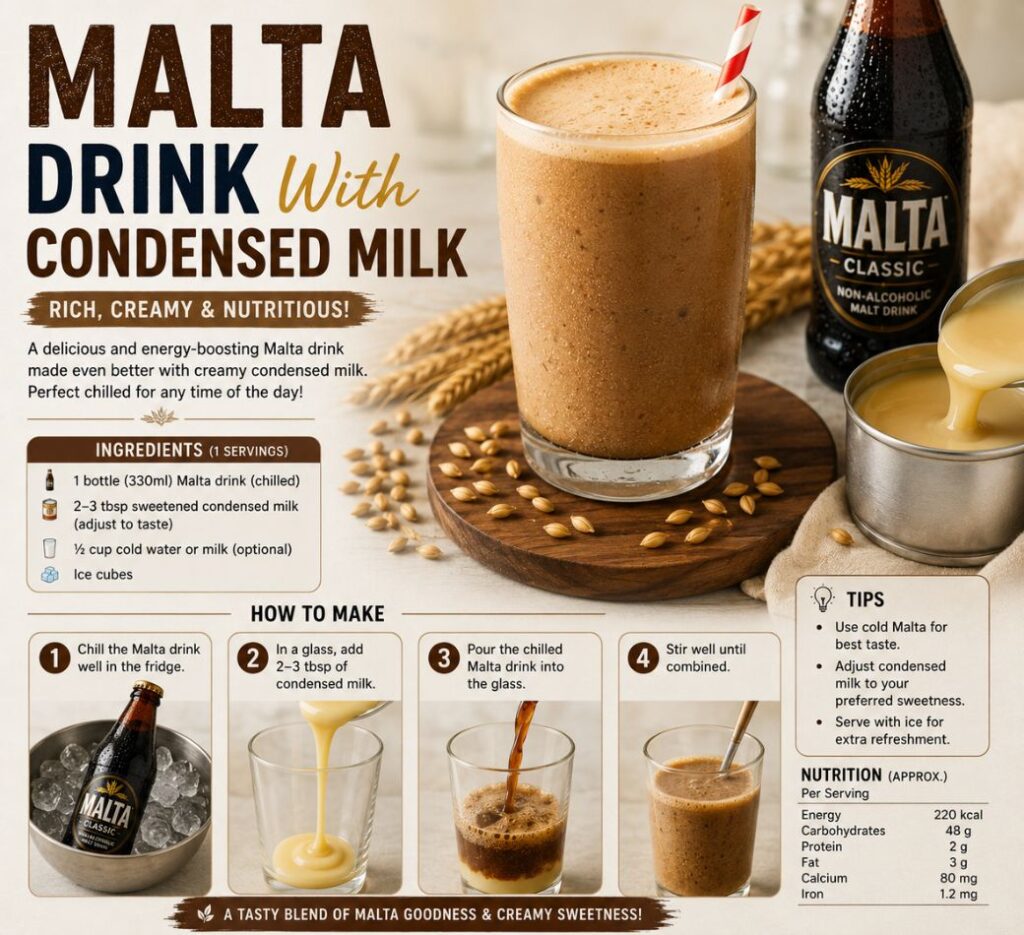
Ingredients
| Ingredient | Quantity |
|---|---|
| Malta drink | 1 chilled bottle |
| Condensed milk | 2 tablespoons |
| Ice cubes | 1 cup |
| Cinnamon powder | Optional |
Instructions
- Fill a tall glass with ice.
- Pour Malta slowly into the glass.
- Add condensed milk.
- Stir gently until smooth.
- Sprinkle cinnamon on top if desired.
This recipe creates a creamy Caribbean-style dessert beverage.
Is Malta Drink Good for Breastfeeding?
Some communities traditionally recommend Malta beverage during breastfeeding because it contains B vitamins and carbohydrates.
However, scientific evidence does not confirm that Malta directly increases milk production. The drink also contains significant sugar levels, so moderation remains important.
Breastfeeding mothers should consult healthcare professionals before relying on Malta for nutritional support.
Is Malta Drink Healthy?
Malta provides certain nutritional benefits, including:
- B vitamins
- Quick carbohydrates
- Mineral traces from malted barley
However, many brands also contain high sugar levels.
Consumers should treat Malta as an occasional beverage rather than a daily hydration substitute.
Frequently Asked Questions
What is Malta drink made from?
Manufacturers make Malta drink from malted barley, water, hops, sugar, caramel coloring, and carbonation.
Does Malta drink contain alcohol?
Most Malta beverages contain little to no alcohol because producers stop fermentation before ethanol develops.
Why does Malta taste like beer?
Malta uses similar brewing ingredients as beer, including barley malt and hops, but it retains more sugar because fermentation never completes.
Which Malta brand tastes the sweetest?
Malta Goya usually delivers the sweetest and heaviest flavor profile.
Is Malta Guinness alcoholic?
Malta Guinness is a non-alcoholic malt beverage despite its association with Guinness branding.
Can children drink Malta beverage?
Most Malta drinks qualify as non-alcoholic beverages and remain widely consumed by children in many regions.
Conclusion
Malta drink combines brewing science, cultural tradition, and bold malt flavor into one globally recognized beverage category. Its rich caramel sweetness, beer-like aroma, and non-alcoholic profile continue to attract consumers across the Caribbean, Latin America, Europe, and West Africa.
From the flash-chilling process that prevents fermentation to the distinct flavor differences between brands like Malta Goya and Malta Guinness, Malta beverage offers far more complexity than most soft drinks.
Whether you enjoy it chilled, blended with condensed milk, or paired with traditional meals, Malta remains one of the world’s most distinctive malt beverages.