

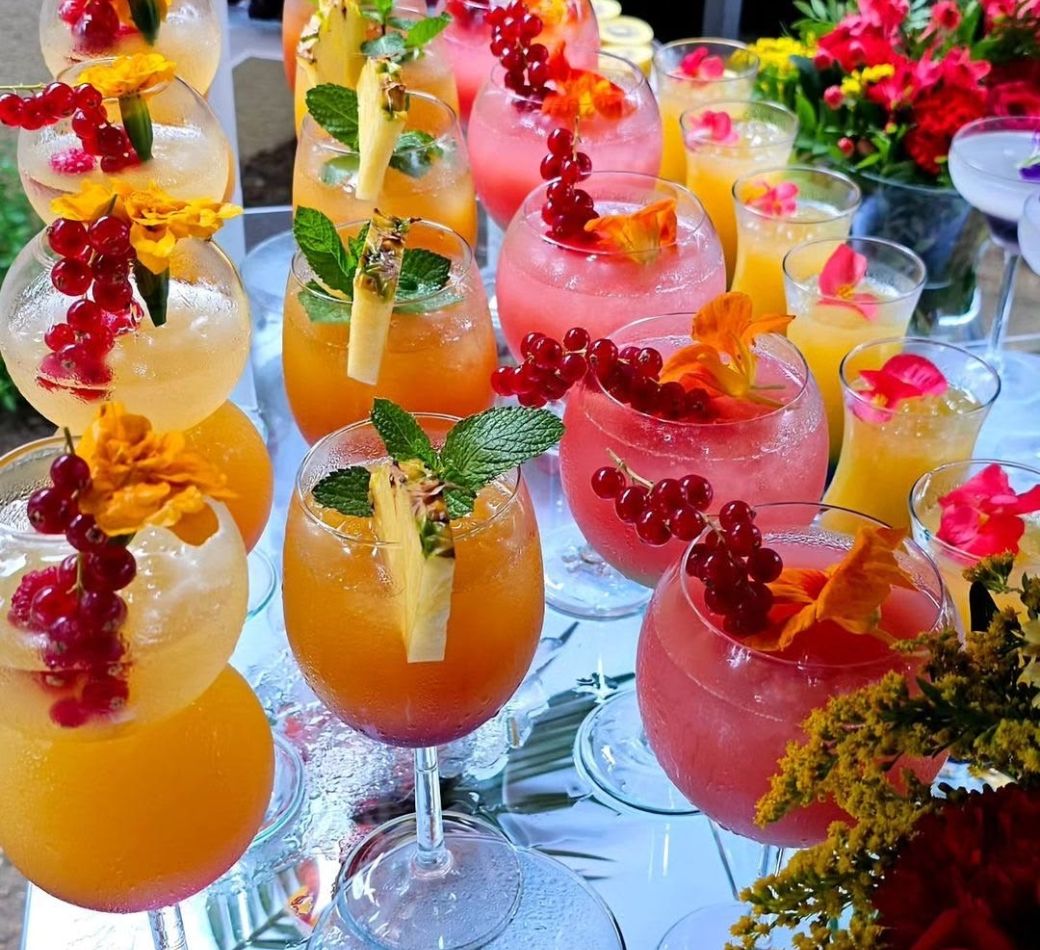
Fruity alcoholic drinks combine fresh fruit, juice, spirits, citrus, and sweeteners to create colorful and refreshing cocktails. These drinks range from simple vodka and berry mixes to tropical rum cocktails, citrusy tequila drinks, and classic sangria.
Fruit can soften the sharp taste of alcohol, but a good fruity cocktail needs more than lots of juice. You need to balance sweetness, acidity, alcohol, and dilution. When you find the right balance, the fruit supports the spirit instead of hiding it under excessive sugar.
This guide explains how to choose fruity alcoholic drinks, match fruit with different spirits, balance flavors, and make easy cocktails at home. It also covers beginner-friendly options, summer pitchers, lower-ABV choices, and practical mixing techniques.
Responsible drinking note: Alcohol affects people differently. Drink responsibly, follow your local laws, and never drive after drinking. You can also choose non-alcoholic versions of these recipes.
What Are Fruity Alcoholic Drinks?
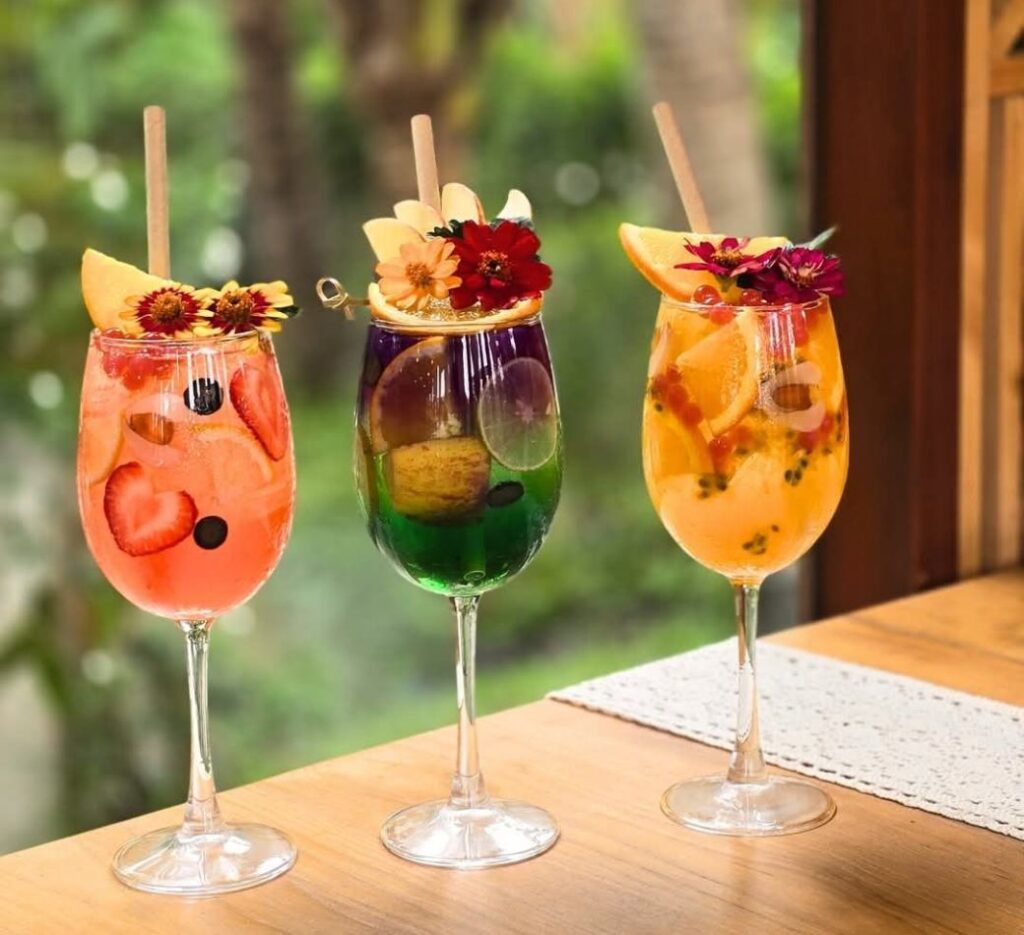
Fruity alcoholic drinks use fruit or fruit-based ingredients as a major flavor component. Bartenders commonly use fresh fruit, fruit juice, purées, syrups, liqueurs, and citrus.
You can build these drinks around many spirits, including:
- Vodka
- White or aged rum
- Tequila
- Gin
- Bourbon
- Sparkling wine
- Fortified or aromatized wines
- Fruit liqueurs
The fruit profile often determines the character of the drink. Pineapple creates a tropical profile, berries add sweet-tart flavors, citrus brings brightness, and peaches or apples create softer fruit notes.
Why Do Fruity Cocktails Taste Less Strong?
Fruit does not remove alcohol from a cocktail. Instead, sweetness, acidity, aroma, dilution, and temperature can change how strongly you perceive the alcohol.
For example, pineapple juice provides strong tropical aromas and natural sweetness. Citrus adds acidity that can make a drink taste brighter. Ice also dilutes the drink as you shake or stir it.
However, a drink that tastes smooth can still contain significant alcohol. Always consider the amount of spirit and the serving size rather than judging strength by taste alone.
The Science of Balancing Fruity Cocktails
A great fruity cocktail needs balance. You can think of the basic structure as:
Spirit + Fruit + Sweetness + Acid + Dilution = Balanced Cocktail
You do not need to use every component in equal amounts. Instead, each ingredient should perform a specific job.
The Sweet-to-Acid Balance
Fruit often contains natural sugar, while citrus adds acidity. Sweetness can soften sharp flavors, but too much sweetness can make a drink heavy.
Lemon and lime juice can correct that problem.
For example:
- Too sweet: Add a small amount of lemon or lime juice.
- Too tart: Add a small amount of simple syrup or fruit liqueur.
- Too strong: Add a suitable mixer or increase dilution.
- Too flat: Add fresh citrus or another aromatic ingredient.
- Too acidic: Add a little sweetness and reassess.
A Simple Flavor Balance Matrix
You can use this practical 1–5 scale when you create cocktails at home.
| Flavor | 1 | 3 | 5 |
|---|---|---|---|
| Sweetness | Very dry | Balanced | Very sweet |
| Acidity | Very soft | Moderate | Very tart |
| Fruit intensity | Subtle | Noticeable | Dominant |
| Alcohol presence | Strong | Moderate | Soft |
| Refreshment | Low | Moderate | High |
This matrix does not represent a laboratory measurement. It provides a practical way to compare your cocktail while you adjust the recipe.
Choosing the Right Base Spirit
The base spirit can change the entire character of a fruity drink.
Vodka: A Neutral Fruit Canvas
Vodka works well with berries, citrus, watermelon, peach, cranberry, and tropical fruit.
Its relatively neutral profile allows fruit and mixers to take the lead.
Try vodka with:
- Strawberry
- Raspberry
- Peach
- Watermelon
- Pineapple
- Cranberry
- Passionfruit
Vodka makes a particularly useful choice when you want a fruity drink that does not emphasize strong spirit flavors.
Rum: A Natural Match for Tropical Fruit
Rum works especially well with pineapple, coconut, mango, passionfruit, lime, and banana.
White rum creates a clean base for bright tropical cocktails, while aged rum adds deeper caramel and vanilla notes.
Popular combinations include:
- Rum + pineapple + lime
- Rum + coconut + pineapple
- Rum + mango + lime
- Rum + passionfruit + citrus
Tequila: Bright and Citrusy
Tequila pairs naturally with lime, grapefruit, watermelon, mango, pineapple, and orange.
A fruity tequila cocktail can taste fresh and vibrant when you balance the spirit with citrus and fruit.
For a simple combination, pair tequila with watermelon and lime. Add a small amount of sweetener if the fruit lacks enough natural sweetness.
Gin: Great for Berries and Citrus
Gin brings botanical notes that can complement fruit.
Try gin with:
- Strawberry
- Raspberry
- Blackberry
- Grapefruit
- Lemon
- Peach
- Cucumber
Choose a softer gin when you want the fruit to remain the main flavor. A strongly botanical gin can dominate delicate fruit.
Bourbon: Rich Fruit Pairings
Bourbon brings vanilla, oak, caramel, and spice. Those flavors work well with orchard fruits and berries.
Try bourbon with:
- Peach
- Apple
- Cherry
- Blackberry
- Orange
Bourbon can create a richer fruity cocktail than vodka or white rum.
Top Fruity Alcoholic Drinks by Category
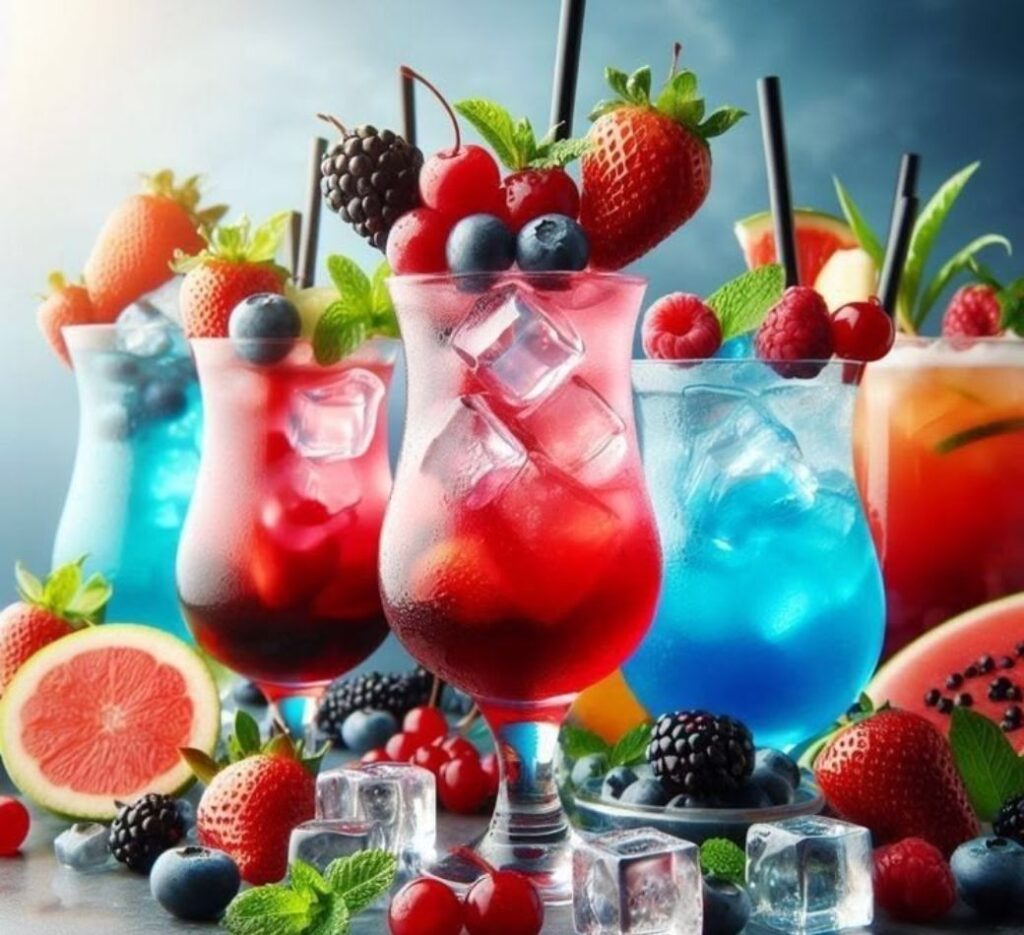
You can choose fruity cocktails based on sweetness, spirit, fruit profile, or occasion.
Sweet Fruity Drinks for Beginners
Beginners often prefer cocktails that combine fruit with citrus, sweeteners, or sparkling mixers.
Strawberry Daiquiri
A strawberry daiquiri combines rum, strawberries, lime juice, and sweetener. You can serve it shaken over ice or blend it with ice for a frozen version.
The strawberry adds fruit flavor, while lime keeps the drink from becoming overly sweet.
Basic flavor profile: Sweet, tart, fruity, and refreshing.
Bay Breeze
A Bay Breeze combines vodka with cranberry and pineapple juice. The pineapple provides tropical sweetness, while cranberry adds tartness.
You can build this simple drink directly over ice.
Basic flavor profile: Fruity, lightly tart, tropical, and easy to drink.
Sex on the Beach
This classic fruity cocktail typically combines vodka, peach schnapps, orange juice, and cranberry juice.
The peach and orange create a sweet fruit-forward profile, while cranberry adds color and acidity.
Basic flavor profile: Sweet, juicy, peachy, and citrusy.
Refreshing Fruity Summer Drinks
Summer cocktails often work best when you combine fruit, citrus, ice, and a refreshing mixer.
Watermelon Tequila Punch
Watermelon and tequila create a bright summer pairing. Lime juice adds acidity, while sparkling water can lighten the drink.
For a pitcher, keep the sparkling component separate until serving. This approach helps preserve carbonation.
Raspberry Gin Fizz
Raspberry adds sweet-tart fruit flavor, while gin contributes botanical notes. Lemon juice provides acidity, and sparkling water adds a light finish.
Strain the raspberry mixture if you prefer a smoother drink.
Classic Sangria
Sangria combines wine, fruit, and additional mixers. You can use oranges, apples, berries, peaches, or other seasonal fruit.
Avoid adding too much sugar. The fruit and wine should create the main flavor.
Low-ABV and Lighter Fruity Options
A fruity cocktail can still contain a lower alcohol concentration when you use less high-proof spirit and more non-alcoholic mixers.
Consider:
- Berry spritzes
- Citrus wine coolers
- Fruit-forward wine punches
- Aperol-based spritzes
- Light shandies
- Sparkling wine and fresh fruit combinations
Remember that low ABV does not mean alcohol-free. Always check the ingredients and serving size.
Fruity Alcoholic Drinks That Do Not Taste Strong
Some people prefer fruity alcoholic drinks that minimize the perception of alcohol.
You can create that style by combining several flavor elements rather than simply adding more sugar.
Use Strong Fruit Aromas
Passionfruit, pineapple, mango, berries, and citrus can provide powerful aromas.
Aromatic ingredients can make the fruit more noticeable while reducing the need for excessive sweetener.
Add Citrus
Lime and lemon can brighten fruit flavors and balance sweetness.
For example, a pineapple drink can taste heavy without acid. A small amount of lime can make the same drink taste much fresher.
Use Proper Dilution
Ice plays an important role in cocktails.
When you shake a drink with ice, the ice chills the ingredients and adds water through dilution. That dilution can soften the alcohol sensation and integrate the flavors.
Do not shake a cocktail for excessive amounts of time, because too much dilution can weaken the flavor.
Avoid Excessive Sugar
Adding more sugar does not always improve a fruity cocktail.
Too much sugar can make a drink taste syrupy. Instead, balance sweet fruit with citrus, bitters, herbs, or a suitable mixer.
Fruity Drinks to Order at a Bar
You can make ordering easier by telling the bartender what flavors you prefer.
Instead of simply saying, “I want something fruity,” describe your preferred profile.
Try requests such as:
- “I want something tropical and refreshing.”
- “I prefer berries and citrus.”
- “I like sweet drinks but not very sugary.”
- “Can you recommend something fruit-forward with tequila?”
- “I want something light and sparkling.”
A bartender can then choose a drink that matches your preferences and the bar’s menu.
Easy Fruity Drinks to Make at Home
You do not need a professional bar setup to make a good fruity cocktail.
Keep a few basic ingredients available:
- A base spirit
- Fresh lemons or limes
- Simple syrup
- One or two fruit juices
- Fresh or frozen fruit
- Ice
- Sparkling water
- A citrus or fruit garnish
Easy Strawberry Vodka Drink
Combine vodka, strawberry purée, lemon or lime juice, and a small amount of simple syrup. Shake the ingredients with ice and strain over fresh ice.
Adjust the citrus and sweetness after tasting.
Easy Pineapple Rum Drink
Combine white rum, pineapple juice, and fresh lime juice. Shake with ice and strain over fresh ice.
You can add sparkling water if you want a lighter finish.
Easy Mango Tequila Drink
Combine tequila, mango purée, lime juice, and a small amount of sweetener. Shake with ice and serve over fresh ice.
Mango already provides plenty of sweetness, so start with a small amount of added sugar.
How to Make Fresh Fruit Purées and Syrups
Fresh fruit can give your cocktails a stronger flavor than many packaged mixers.
Cold-Processed Fruit Purée
Blend ripe fruit until smooth. If you want a smoother cocktail, strain the purée through a fine mesh strainer.
This method works well for:
- Strawberries
- Raspberries
- Mango
- Peaches
- Watermelon
- Pineapple
Use fresh purée soon after preparation and refrigerate it properly.
Simmered Fruit Syrup
You can create a fruit syrup by gently heating fruit with sugar and water.
This method extracts flavor and creates a consistent sweetener.
However, heat can change delicate fruit aromas. Use gentle heat and avoid prolonged boiling when you want to preserve fresh fruit character.
Can You Use Frozen Fruit?
Yes. Frozen fruit can work very well in cocktails.
Frozen berries often provide strong flavor and convenience. You can also use frozen fruit in blended drinks to add body and chill the cocktail.
Thaw frozen fruit when you need to muddle or purée it for a shaken drink.
Strain or Muddle: Which Method Should You Use?
Your technique affects the final texture and flavor.
Muddling
Muddling gently releases juices and aromas from fresh fruit and herbs.
Use gentle pressure when you muddle berries. Excessive force can break seeds and release unwanted bitterness or astringency.
Straining
Straining removes pulp, seeds, and larger fruit particles.
Use a fine strainer when you want a clean, polished cocktail.
Choose a less aggressive strain when you want more natural fruit texture.
Understanding Dilution in Fruity Cocktails
Dilution can improve a cocktail, but different techniques produce different results.
| Technique | Main Effect | Best For |
|---|---|---|
| Shaking | Chills and dilutes quickly | Citrus and juice-based cocktails |
| Stirring | Gentle chilling and dilution | Spirit-forward cocktails |
| Blending | Chills and adds texture | Frozen fruit cocktails |
| Building over ice | Simple chilling and gradual dilution | Highballs and simple mixed drinks |
You should taste your cocktail before you make final adjustments. Small changes can produce large differences in a fruit-heavy drink.
Fruity Pitcher Drinks for Parties
Pitcher cocktails can save time when you serve several guests.
However, you should not treat a pitcher like one giant individual cocktail.
Batch the Non-Carbonated Ingredients
Combine the spirit, juice, fruit, and sweetener ahead of time.
Keep sparkling water, soda, or other carbonated ingredients separate until serving.
Control Dilution
Individual cocktails receive dilution when you shake them with ice. A pitcher does not receive the same dilution automatically.
You can add a measured amount of chilled water when the recipe requires it, or serve the batch over plenty of ice and adjust based on taste.
Add Fresh Garnishes at Serving
Add fresh berries, citrus wheels, herbs, or other garnishes shortly before serving.
This approach keeps the presentation fresh.
Case Study: Building a Better Batch Piña Colada
Piña Coladas create a useful example of why batch preparation requires planning.
Fresh pineapple contains bromelain, an enzyme that can affect proteins. This matters when you combine fresh pineapple with dairy-based ingredients or other protein-containing components.
For a make-ahead batch, you should test the exact ingredients and storage time rather than assuming that every recipe will remain stable.
A practical approach includes:
- Prepare the pineapple component separately.
- Keep the batch properly chilled.
- Combine sensitive ingredients closer to serving when possible.
- Stir or shake the mixture before serving.
- Check the texture and flavor before you serve it.
This method gives you better control over texture and freshness.
A Practical Fruity Cocktail Pairing Chart
| Fruit | Best Spirit Matches | Flavor Direction |
|---|---|---|
| Strawberry | Vodka, rum, gin | Sweet, fresh, tart |
| Pineapple | Rum, tequila, vodka | Tropical, sweet, bright |
| Mango | Tequila, rum, vodka | Rich, tropical, sweet |
| Raspberry | Gin, vodka, rum | Tart, aromatic |
| Blackberry | Gin, bourbon, vodka | Deep, sweet-tart |
| Peach | Bourbon, vodka, gin | Soft, sweet, floral |
| Watermelon | Tequila, vodka, gin | Light, fresh, juicy |
| Passionfruit | Rum, tequila, vodka | Tropical, tart, aromatic |
| Orange | Vodka, gin, tequila | Citrusy, sweet |
| Cherry | Bourbon, rum, vodka | Rich, sweet-tart |
How to Fix a Fruity Cocktail That Tastes Wrong
Even experienced home bartenders can create an unbalanced drink.
The Drink Tastes Too Sweet
Add a small amount of fresh lemon or lime juice. Taste after each adjustment.
The Drink Tastes Too Sour
Add a small amount of simple syrup or another suitable sweet ingredient.
The Drink Tastes Too Strong
Add a suitable non-alcoholic mixer or increase dilution. Avoid simply adding more sugar.
The Drink Tastes Flat
Add fresh citrus, a small amount of bitters, or a stronger aromatic fruit component.
The Drink Has Too Much Pulp
Pass the drink through a fine strainer before serving.
How to Create Your Own Fruity Cocktail
You can build a simple cocktail by following a basic framework.
Step 1: Choose Your Spirit
Start with vodka, rum, tequila, gin, or bourbon.
Step 2: Choose Your Fruit
Pick one main fruit instead of combining too many flavors at once.
Step 3: Add Acidity
Use lemon or lime when the drink needs brightness.
Step 4: Add Sweetness Only When Needed
Taste the fruit first. Naturally sweet fruit may require very little additional sugar.
Step 5: Add Dilution
Shake or stir with ice based on the cocktail style.
Step 6: Taste and Adjust
Check sweetness, acidity, fruit intensity, alcohol presence, and dilution.
This simple process can help you create more consistent fruity alcoholic drinks.
How to Choose the Best Fruity Cocktail for Your Taste
| If You Like… | Try… |
|---|---|
| Very sweet flavors | Strawberry, peach, mango |
| Tropical flavors | Pineapple, passionfruit, coconut |
| Tart flavors | Raspberry, cranberry, lime |
| Citrus flavors | Orange, grapefruit, lemon |
| Light drinks | Spritzes and highballs |
| Rich drinks | Bourbon and dark rum combinations |
| Botanical flavors | Gin with berries or citrus |
| Simple drinks | Vodka and fruit juice combinations |
E-E-A-T: How to Make a Fruity Cocktail Guide More Trustworthy
A strong cocktail guide should explain more than recipes. It should show practical knowledge and clear testing methods.
If you publish this type of article, describe your actual recipe-testing process. For example, explain how you tested sweetness, acidity, dilution, texture, and serving temperature.
Do not claim professional credentials, laboratory testing, consumer surveys, or first-hand experience unless you actually have those credentials or conducted those tests.
Recipe Testing Method
You can document:
- Ingredient brands used during testing
- Fruit freshness
- Spirit type
- Serving size
- Mixing technique
- Ice type
- Preparation time
- Flavor adjustments
- Final tasting notes
This information gives readers a clearer picture of how you developed each recipe.
Original Data and Testing
If you conduct a blind tasting, record the participant count, test conditions, recipes, questions, and results.
For example, you could compare several fruit bases and ask participants to rate:
- Fruit intensity
- Sweetness
- Tartness
- Perceived alcohol strength
- Overall preference
Multimedia Ideas for a Fruity Cocktail Guide
You can make this guide more useful with original visual content.
Flavor Balance Wheel
Create a diagram that shows how spirit, fruit, sweetener, citrus, and dilution interact.
Cocktail Technique Videos
Short videos can demonstrate:
- How to muddle berries
- How to shake a cocktail
- How to strain fruit pulp
- How to make fresh fruit purée
- How to build a pitcher cocktail
Printable Recipe Cards
Create recipe cards with:
- Ingredients
- Measurements
- Instructions
- Glass type
- Garnish
- Flavor profile
- Optional substitutions
Interactive Flavor Finder
A useful interactive tool could let readers select:
Spirit → Fruit → Flavor → Sweetness → Cocktail Style
For example, someone could select:
Tequila → Mango → Tropical → Medium Sweet → Refreshing
The tool could then display suitable recipes.
Frequently Asked Questions
What are the best fruity alcoholic drinks for beginners?
Strawberry daiquiris, Bay Breezes, simple vodka fruit drinks, sangria, and pineapple rum cocktails offer approachable starting points. They combine familiar fruit flavors with accessible ingredients.
Which fruity alcoholic drinks taste the least like alcohol?
Fruit-forward cocktails can reduce the perception of alcohol through strong fruit aromas, sweetness, acidity, and dilution. Pineapple, passionfruit, mango, and berry flavors often create strong fruit profiles.
However, a smooth-tasting cocktail can still contain significant alcohol.
What fruits work best with vodka?
Vodka works well with strawberries, raspberries, watermelon, peach, cranberry, pineapple, passionfruit, and citrus.
What fruits work best with rum?
Rum pairs particularly well with pineapple, coconut, mango, passionfruit, banana, orange, and lime.
What fruits work best with tequila?
Tequila works well with lime, grapefruit, watermelon, mango, pineapple, orange, and other bright citrus or tropical fruits.
Can I use frozen fruit instead of fresh fruit?
Yes. Frozen fruit works well in blended drinks and can also work in purées and syrups. Frozen berries can provide strong flavor and convenient storage.
How do I make a fruity drink less sweet?
Add a small amount of fresh lemon or lime juice. You can also increase dilution or add a suitable unsweetened mixer.
How do I make a fruity drink less strong?
Add a non-alcoholic mixer or increase dilution. Remember that changing the taste does not remove the alcohol already present in the drink.
What fruity drinks work well for parties?
Sangria, fruit punches, large-format rum cocktails, and sparkling fruit drinks work well for groups. Keep carbonated ingredients separate until serving to preserve their bubbles.
What makes a fruity cocktail refreshing?
Acidity, chilled ingredients, dilution, carbonation, fresh fruit, and balanced sweetness can create a refreshing cocktail.
Conclusion
Fruity alcoholic drinks give you almost endless ways to combine spirits with fresh and vibrant flavors. You can create sweet strawberry cocktails, tropical pineapple rum drinks, refreshing watermelon tequila cocktails, berry-forward gin drinks, or rich bourbon and cherry combinations.
The best results come from balance rather than excessive sweetness. Start with a suitable spirit, choose one main fruit, add citrus when you need acidity, control sweetness, and use the right amount of dilution.
You can also experiment with fresh purées, seasonal fruit, sparkling mixers, and different preparation techniques. Once you understand how sweetness, acidity, fruit intensity, alcohol, and dilution interact, you can build fruity cocktails that taste balanced and intentional.
Most importantly, remember that a fruity cocktail can still contain substantial alcohol even when the fruit masks its taste. Measure your ingredients carefully, drink responsibly, and enjoy these cocktails as part of a balanced and informed approach to drinking.
Editorial note: Add professional certifications, bartending experience, first-hand testing details, or reviewer credentials only when they accurately describe the real author or reviewer.