
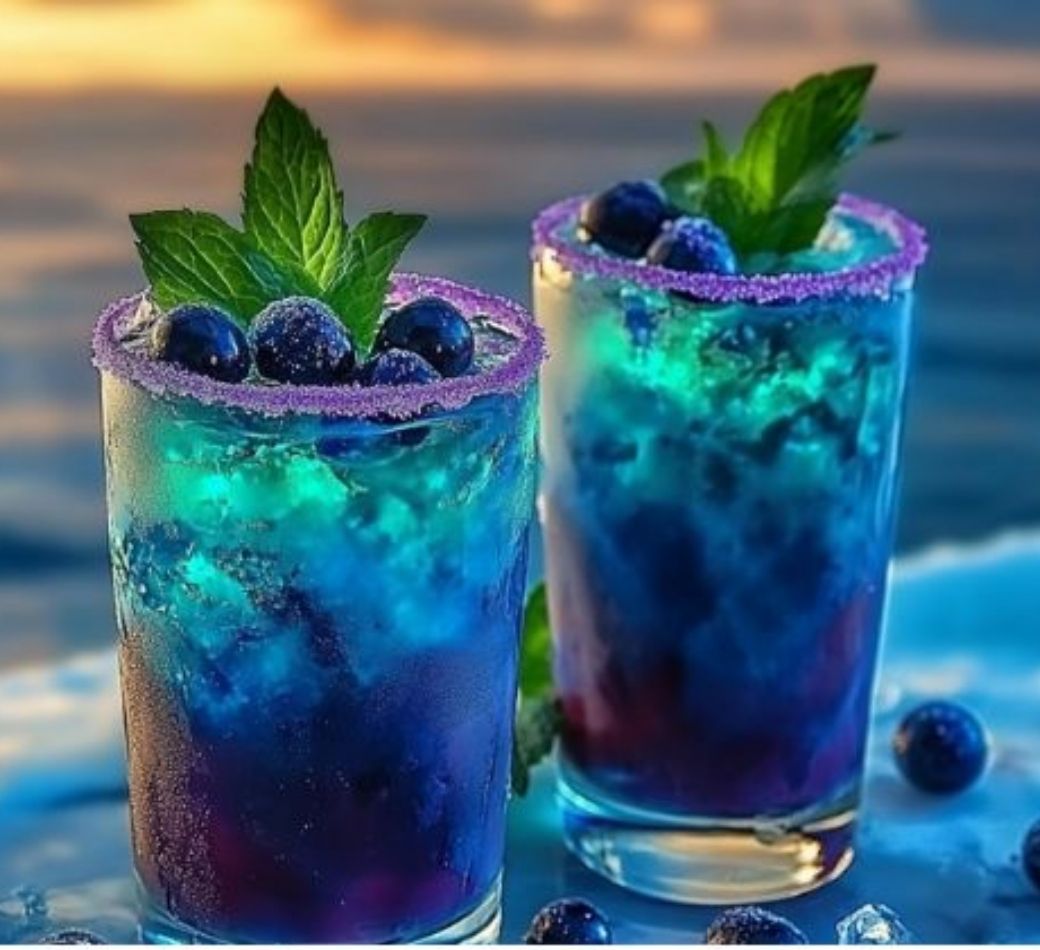
The Blue Caruso drink puts a colorful twist on the classic Caruso cocktail. It combines gin, dry vermouth, and Blue Curaçao to create a bright citrus-forward cocktail with a striking blue appearance.
The classic Caruso uses gin, dry vermouth, and green crème de menthe. Harry Craddock published that version in The Savoy Cocktail Book in 1930.
This Blue Caruso variation replaces the mint liqueur with Blue Curaçao. The result tastes more citrusy, less minty, and much brighter in the glass.
If you want to learn how to make a Blue Caruso, this guide covers the ingredients, exact measurements, best gin choices, shaking technique, color control, serving suggestions, and common mistakes.
What Is a Blue Caruso Cocktail?
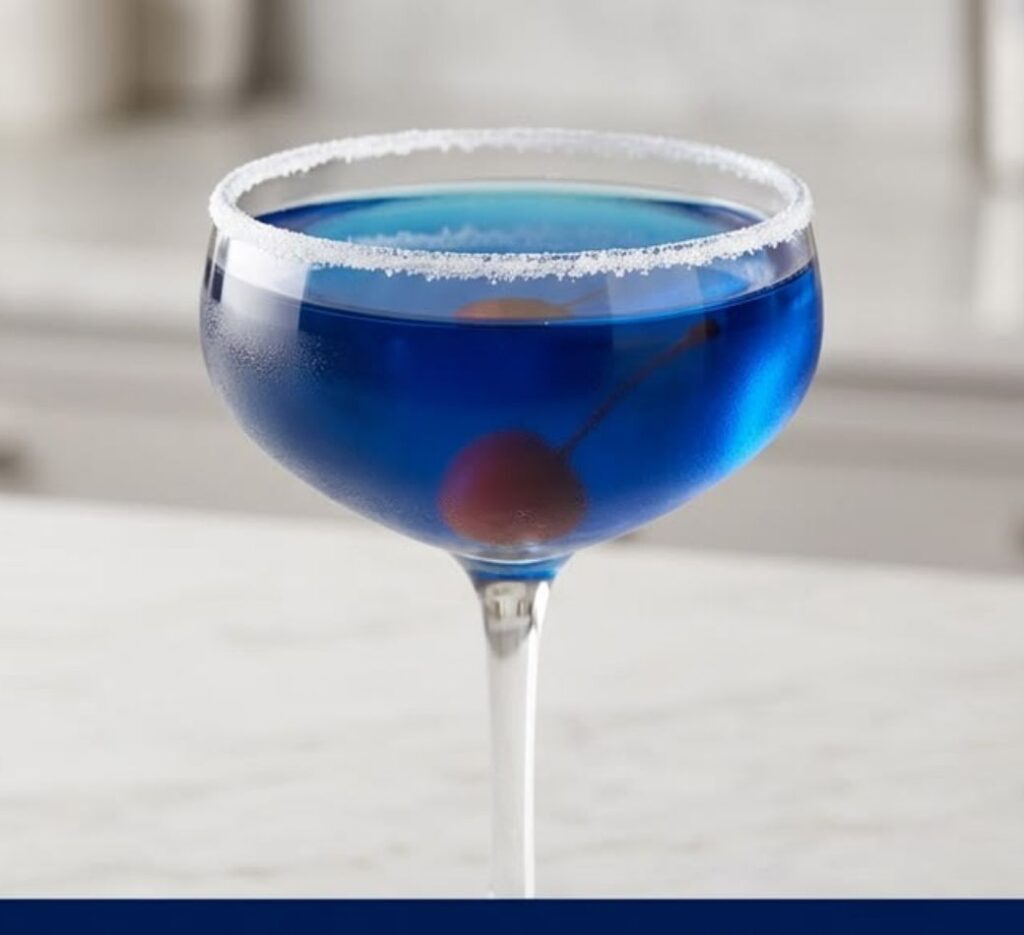
The Blue Caruso cocktail is a modern blue variation of the classic Caruso. Instead of using green crème de menthe, this version uses Blue Curaçao to add sweet orange flavor and its signature blue color.
Blue Curaçao works as an orange-flavored liqueur rather than a blue-flavored spirit. Producers commonly color the naturally clear liqueur blue with food coloring.
The basic formula uses three ingredients:
- London Dry Gin
- Dry Vermouth
- Blue Curaçao
The gin provides botanical structure, the vermouth adds herbal dryness, and Blue Curaçao contributes sweet orange flavor and visual appeal.
Blue Caruso vs. Classic Caruso
| Feature | Classic Caruso | Blue Caruso |
|---|---|---|
| Gin | Yes | Yes |
| Dry vermouth | Yes | Yes |
| Green crème de menthe | Yes | No |
| Blue Curaçao | No | Yes |
| Main flavor | Minty, herbal | Orange, herbal |
| Color | Green | Blue to turquoise |
| Style | Vintage | Modern variation |
The classic recipe combines equal parts gin, French vermouth, and green crème de menthe.
Blue Caruso Cocktail Ingredients
You only need three main ingredients to make this cocktail.
1. London Dry Gin
Use a London Dry Gin when you want a classic juniper-forward profile. Gin provides the cocktail’s backbone, so choose a bottle with enough botanical character to stand up to the sweet Blue Curaçao.
A 40–47% ABV gin works well for this recipe.
2. Dry Vermouth
Dry vermouth balances the sweetness of Blue Curaçao and adds herbal complexity.
Choose a clear or very pale dry vermouth when you want the brightest blue appearance. A darker or heavily colored vermouth can change the final shade.
Keep your vermouth refrigerated after opening to preserve its freshness.
3. Blue Curaçao
Blue Curaçao adds sweet orange flavor and the cocktail’s distinctive color.
Different brands can vary in sweetness, orange intensity, color, and alcohol content. Check the bottle label before you build your drink.
4. Lemon Twist
A lemon twist works well as a garnish. It adds fresh citrus aroma without adding enough juice to change the cocktail’s balance.
Blue Caruso Cocktail Recipe
Ingredients
| Ingredient | Amount |
|---|---|
| London Dry Gin | 1.5 oz (45 ml) |
| Clear Extra-Dry Vermouth | 0.75 oz (22.5 ml) |
| Blue Curaçao | 0.75 oz (22.5 ml) |
| Lemon twist | Garnish |
| Ice | For shaking |
This recipe uses a 2:1:1 ratio of gin, vermouth, and Blue Curaçao.
How to Make a Blue Caruso
Step 1: Chill the Glass
Place a coupe or cocktail glass in the freezer for about 15 minutes.
A cold glass helps the cocktail maintain its temperature after you strain it.
Step 2: Measure the Ingredients
Add the following ingredients to a cocktail shaker:
- 1.5 oz gin
- 0.75 oz dry vermouth
- 0.75 oz Blue Curaçao
Measure each ingredient carefully. Small changes can noticeably affect sweetness and color.
Step 3: Add Ice
Fill the shaker about three-quarters full with solid ice.
Use fresh, dense ice whenever possible. Poor-quality or rapidly melting ice can add too much water before you finish shaking.
Step 4: Shake Hard
Shake the cocktail vigorously for about 10–12 seconds.
This technique chills the drink while adding controlled dilution.
Important: Treat the 12-second timing as a practical starting point rather than a universal laboratory standard. Ice size, temperature, shaker design, and shaking intensity all affect dilution.
Step 5: Double-Strain
Fine-strain the cocktail into your chilled coupe.
A fine strainer helps remove small ice fragments and creates a smoother presentation.
Step 6: Garnish
Express a lemon twist over the surface and place it on the rim or float it on the drink.
The citrus oils add aroma as you bring the glass toward your nose.
The 3-Zone Flavor Balance Framework
You can think about the Blue Caruso through three flavor zones.
Zone 1: Base — Gin
Target: 50% of the liquid volume
Gin provides the structural backbone. Juniper, citrus, spice, and floral botanicals can influence the final flavor.
Zone 2: Modifier — Dry Vermouth
Target: 25%
Dry vermouth adds herbal notes and helps control the sweetness of Blue Curaçao.
Zone 3: Accent — Blue Curaçao
Target: 25%
Blue Curaçao supplies orange flavor, sweetness, and the cocktail’s visual identity.
This framework gives you an easy way to adjust the recipe without losing its basic character.
What Does a Blue Caruso Taste Like?
The Blue Caruso tastes citrusy, botanical, lightly sweet, and spirit-forward.
You will notice several flavors:
- Gin: Juniper and botanical depth
- Vermouth: Herbal and dry notes
- Blue Curaçao: Sweet orange and bitter-citrus character
- Lemon peel: Fresh citrus aroma
Blue Curaçao does not taste like blueberries. It delivers an orange-forward flavor despite its bright blue appearance.
The final drink should taste balanced rather than syrupy.
Why Is My Blue Caruso Green Instead of Blue?
This problem usually comes from the other ingredients.
Blue liquid can shift toward green when it mixes with yellow or amber-colored ingredients. Dry vermouth often carries some color, and botanical ingredients can intensify the shift.
How to Keep the Cocktail Bright Blue
Try these adjustments:
- Use a clear or very pale dry vermouth.
- Choose a strongly colored Blue Curaçao.
- Avoid adding yellow citrus juice directly to the cocktail.
- Use a clear glass so you can judge the color accurately.
- Measure the ingredients consistently.
- Keep the recipe free from dark bitters or colored syrups.
You should expect some variation between brands because manufacturers use different formulas and color intensities.
Blue Caruso Hue Stability Guide
Your cocktail’s color depends on more than Blue Curaçao alone.
| Variable | Effect on Color |
|---|---|
| Clear vermouth | Keeps the blue cleaner |
| Pale vermouth | May create a softer blue |
| Amber vermouth | Can push the drink toward teal |
| Strong Blue Curaçao | Produces a deeper blue |
| Yellow citrus juice | Can shift blue toward green |
| Dark bitters | Can muddy the color |
| Clear ice | Improves presentation |
About Specific Gravity and Color
Different liquids have different densities, but you should not rely on density alone to predict the final color.
When you shake the cocktail, the ingredients fully mix. The final appearance depends more strongly on ingredient color, concentration, dilution, and the glass itself.
How Ice Affects a Blue Caruso
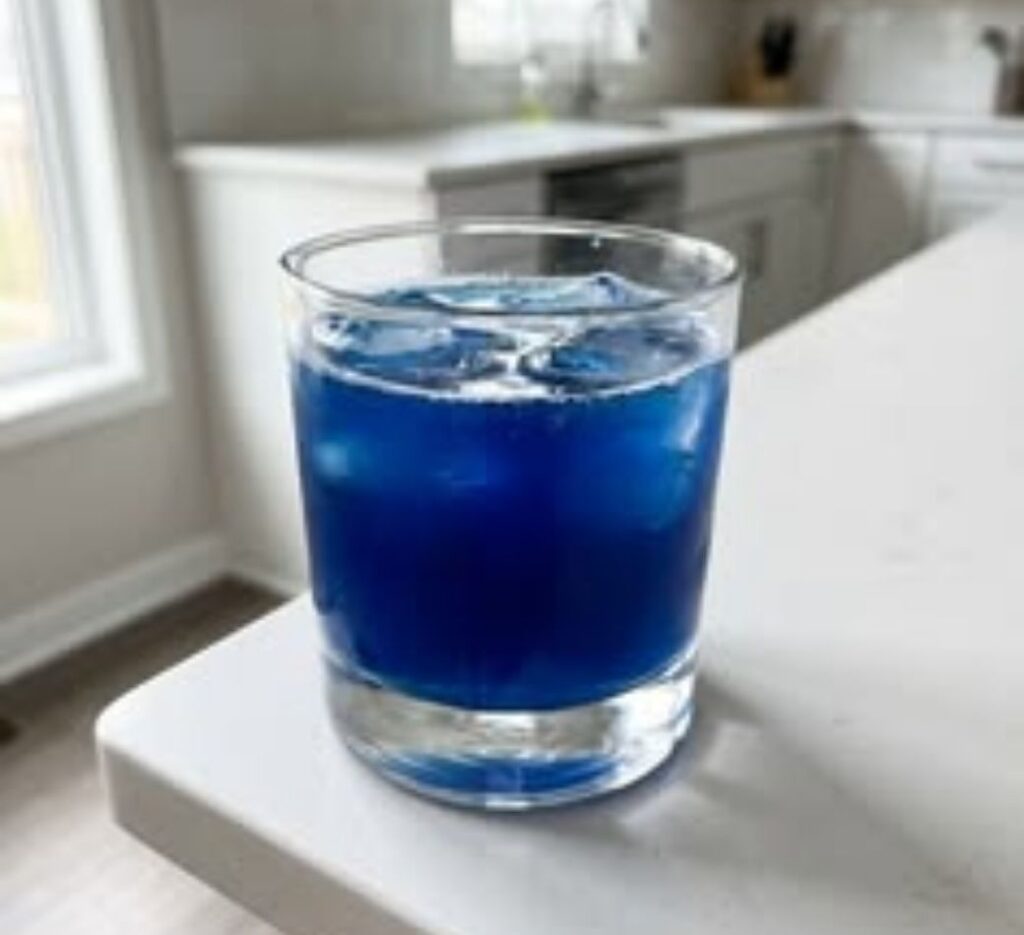
Ice controls both temperature and dilution.
Large, dense ice generally melts more slowly than small, wet ice. That gives you more control during shaking.
However, you should not treat a specific shaking time or dilution percentage as universal. Your ice, shaker, room temperature, and technique can change the result.
For home bartending, start with a 10–12 second hard shake, then adjust based on taste.
The Best Shaking Method
Use this simple process:
- Add measured ingredients to the shaker.
- Fill the shaker with solid ice.
- Close the shaker securely.
- Shake hard for 10–12 seconds.
- Taste the result.
- Adjust your technique on the next preparation if necessary.
Best Gin for a Blue Caruso
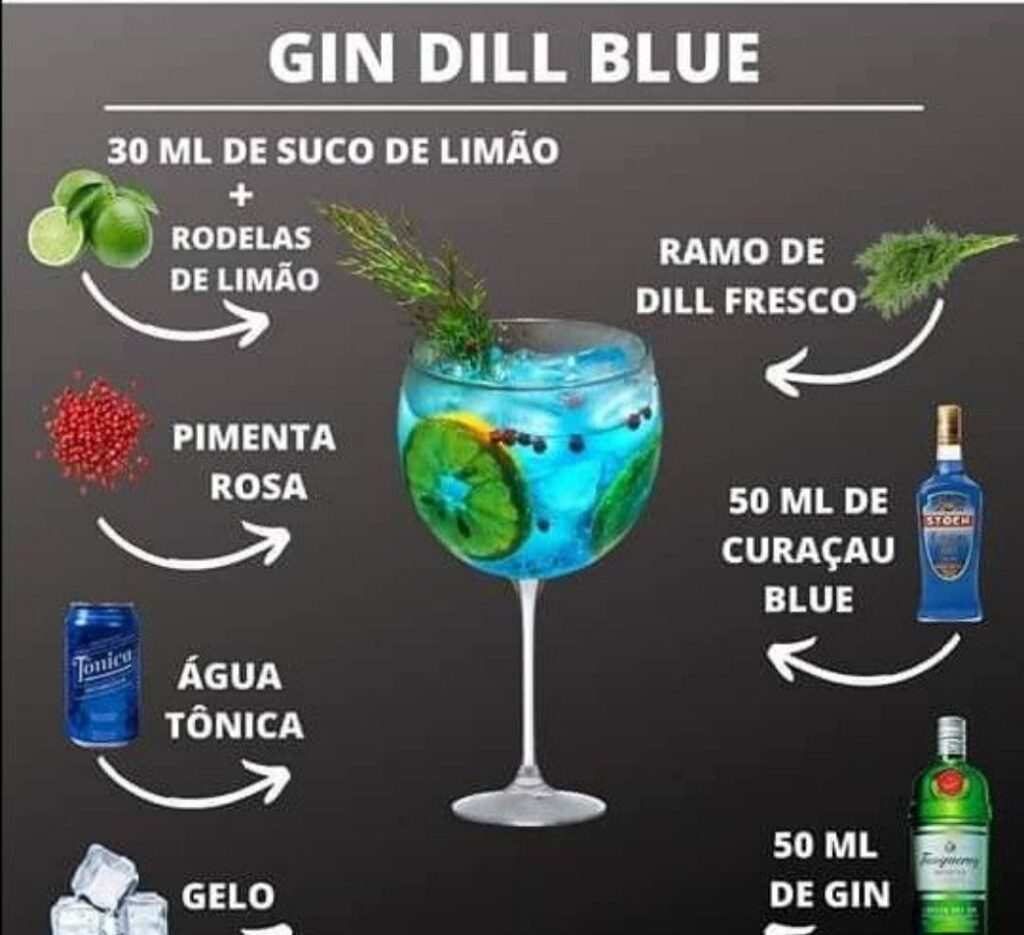
A classic London Dry Gin provides the most reliable starting point.
Look for a gin with:
- Noticeable juniper
- Fresh citrus notes
- Moderate botanical complexity
- 40–47% ABV
- A clean finish
Avoid extremely aggressive gins if you want the orange and vermouth flavors to remain prominent.
High-Proof Gin vs. Softer Gin
A higher-proof gin can create a stronger, drier cocktail.
A softer botanical gin can produce a rounder drink.
You can adjust the balance by slightly increasing or decreasing the vermouth.
Blue Caruso vs. Blue Lagoon
People often compare these cocktails because both drinks use Blue Curaçao and create a bright blue appearance.
| Feature | Blue Caruso | Blue Lagoon |
|---|---|---|
| Base spirit | Gin | Usually vodka |
| Blue Curaçao | Yes | Yes |
| Vermouth | Yes | Usually no |
| Citrus mixer | No | Often lemonade or citrus mixer |
| Flavor | Botanical and orange | Sweet, citrusy, refreshing |
| Style | Martini-style | Long mixed drink |
| Glass | Coupe/cocktail glass | Highball-style glass |
The Blue Caruso works better when you want a short, spirit-forward cocktail. The Blue Lagoon usually delivers a longer and sweeter drinking experience.
Blue Curaçao Gin Cocktail Variations
You can modify the Blue Caruso without changing its basic identity.
Citrus Blue Caruso
Add a small amount of fresh lemon juice for extra acidity.
This version tastes brighter but may produce a greener shade.
Orange Blue Caruso
Use an orange twist instead of lemon.
The orange aroma reinforces the citrus notes from the Blue Curaçao.
Dry Blue Caruso
Reduce the Blue Curaçao slightly and increase the dry vermouth.
This version works well for drinkers who prefer a drier cocktail.
Sweeter Blue Caruso
Increase the Blue Curaçao slightly.
Avoid adding too much because the cocktail can quickly become overly sweet.
Can You Make a Low-Alcohol Blue Caruso?
Yes. You can create a lower-alcohol variation by reducing the gin and increasing the non-spirit components.
For example:
- 1 oz gin
- 1 oz dry vermouth
- 0.5 oz Blue Curaçao
- 0.5 oz chilled water or a suitable nonalcoholic citrus component
The result will taste lighter and less spirit-forward.
However, Blue Curaçao itself contains alcohol in many commercial versions, so a genuinely alcohol-free version requires a nonalcoholic blue orange-style syrup or alternative.
Can You Make a Blue Caruso Mocktail?
Yes.
For a mocktail, replace the alcoholic components with nonalcoholic alternatives:
- Nonalcoholic gin alternative
- Nonalcoholic dry-vermouth-style aperitif
- Blue orange syrup or nonalcoholic blue citrus mixer
- Lemon twist
- Ice
Check product labels because some “nonalcoholic” mixers can still contain small amounts of alcohol.
Blue Caruso Pairing Suggestions
The cocktail’s citrus and botanical character pairs well with light foods.
Try it with:
- Grilled shrimp
- Citrus salads
- Sushi
- Soft cheeses
- Light appetizers
- Fresh fruit
- Mild seafood dishes
- Herb-seasoned chicken
Avoid very heavy or intensely spicy foods if you want to preserve the cocktail’s delicate citrus and botanical notes.
Common Blue Caruso Mistakes
Using Too Much Blue Curaçao
Too much Blue Curaçao can make the cocktail taste syrupy.
Fix: Start with 0.75 oz and adjust gradually.
Adding Lemon Juice Without Adjusting the Recipe
Lemon juice changes both acidity and color.
Fix: Add a small amount and taste before adding more.
Using Warm Glassware
A warm glass can quickly raise the cocktail’s temperature.
Fix: Chill your coupe before serving.
Using Weak or Wet Ice
Wet ice can dilute the drink quickly.
Fix: Use fresh, solid ice.
Ignoring Vermouth Freshness
Old vermouth can develop stale or oxidized flavors.
Fix: Store dry vermouth in the refrigerator and replace it when it loses its fresh herbal character.
Blue Caruso Batch Recipe for Parties
You can scale the recipe for a small gathering.
10-Drink Batch
| Ingredient | Amount |
|---|---|
| Gin | 15 oz |
| Dry vermouth | 7.5 oz |
| Blue Curaçao | 7.5 oz |
| Total liquid | 30 oz |
Do not simply shake the entire batch at once.
Instead, mix the ingredients in a chilled container and refrigerate the batch. Add controlled dilution before serving, then pour individual portions over fresh ice or shake individual servings.
For large events, test the batch before service because dilution and sweetness become more noticeable as you scale a recipe.
Blue Caruso Nutrition and Alcohol Content
The exact alcohol content depends on the brands and quantities you use.
The cocktail contains alcohol from:
- Gin
- Dry vermouth
- Blue Curaçao
You can estimate the approximate pre-dilution alcohol volume with this formula:
Pure alcohol = ingredient volume × ABV
Shaking also adds water through dilution, so the final ABV will fall below the pre-dilution calculation.
Because brands vary, treat any ABV estimate as approximate rather than an exact laboratory measurement.
Frequently Asked Questions
What is a Blue Caruso drink?
A Blue Caruso is a modern Caruso variation that combines gin, dry vermouth, and Blue Curaçao. Blue Curaçao replaces the green crème de menthe found in the classic Caruso.
What ingredients go into a Blue Caruso cocktail?
The core recipe uses gin, dry vermouth, and Blue Curaçao. You can finish the drink with a lemon or orange twist.
Is Blue Caruso the same as a Blue Lagoon?
No. The Blue Caruso uses gin and dry vermouth, while a Blue Lagoon commonly uses vodka, Blue Curaçao, and a citrus mixer.
Why does my Blue Caruso look green?
Yellow or amber ingredients can shift blue toward green. Use a pale dry vermouth and avoid adding strongly colored ingredients if you want a brighter blue appearance.
What gin works best in a Blue Caruso?
A London Dry Gin provides a strong starting point because its juniper and botanical notes balance the sweet orange flavor of Blue Curaçao.
Does Blue Curaçao taste like blueberries?
No. Blue Curaçao usually tastes like sweet and slightly bitter orange even though it looks bright blue.
Can I use Triple Sec instead of Blue Curaçao?
Yes, if you only care about flavor. Triple sec can provide orange flavor, but it will remove the signature blue color.
Can I make a Blue Caruso without alcohol?
Yes. Use nonalcoholic gin and vermouth alternatives plus a nonalcoholic blue orange-style mixer. Check each product label to confirm its alcohol content.
Should I shake or stir a Blue Caruso?
Shaking works well for this variation because it chills and dilutes the drink while producing a bright, refreshing texture. The historical Caruso recipe also uses a vigorous shake.
What glass should I use?
Serve the Blue Caruso in a chilled coupe or cocktail glass. The stemmed glass highlights the cocktail’s bright color and gives you enough surface area to appreciate the citrus aroma.
Conclusion
The Blue Caruso cocktail gives the classic Caruso a bright, citrus-forward makeover. Gin provides the botanical foundation, dry vermouth keeps the drink balanced, and Blue Curaçao adds sweet orange flavor and its unmistakable blue appearance.
For the best result, measure every ingredient carefully, use fresh ice, chill your glass, and control your dilution. Choose a clear or pale vermouth when you want a cleaner blue color, and adjust the Blue Curaçao when you need more sweetness or stronger color.
Most importantly, treat the recipe as a starting point. Your gin, vermouth, Blue Curaçao, ice, and technique will all influence the final drink.
With the right balance, the Blue Caruso drink delivers a sophisticated combination of gin botanicals, dry herbal notes, sweet orange, and dramatic color—making it an eye-catching cocktail for both home bartenders and cocktail menus.