
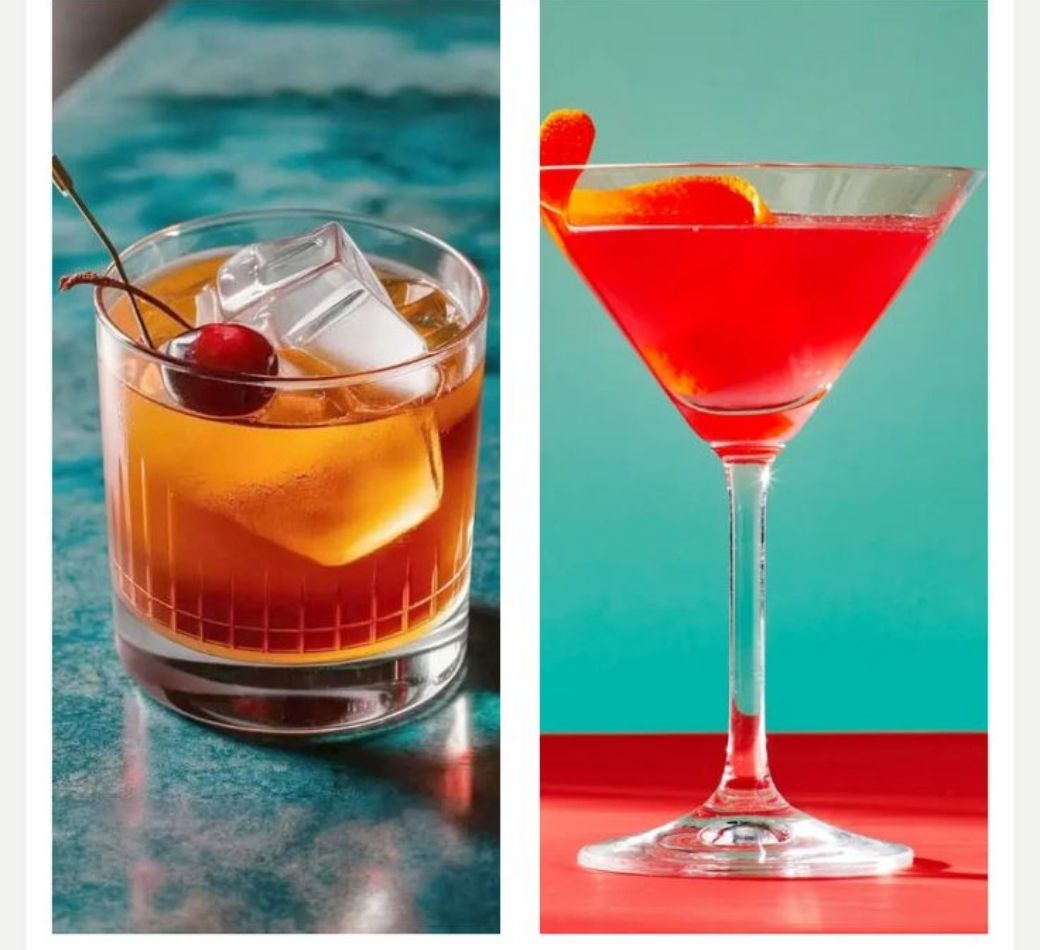
Whether you prefer a refreshing highball, a sweet cocktail, a tart sour, or a strong spirit-forward drink, you can find a bar drink that matches your taste. However, a long cocktail menu can make choosing difficult, especially when you do not know the difference between a classic cocktail, a highball, a call drink, or a neat pour.
This guide covers the most popular bar drinks, classic cocktail recipes, easy two-ingredient combinations, vodka drinks, highballs, and beginner-friendly cocktails. You will also learn how bartenders balance sweet and sour flavors, control ice dilution, choose glassware, and prepare drinks with the right technique.
By the end, you will know what to order at a bar and how to customize your drink with confidence.
What Are Bar Drinks?
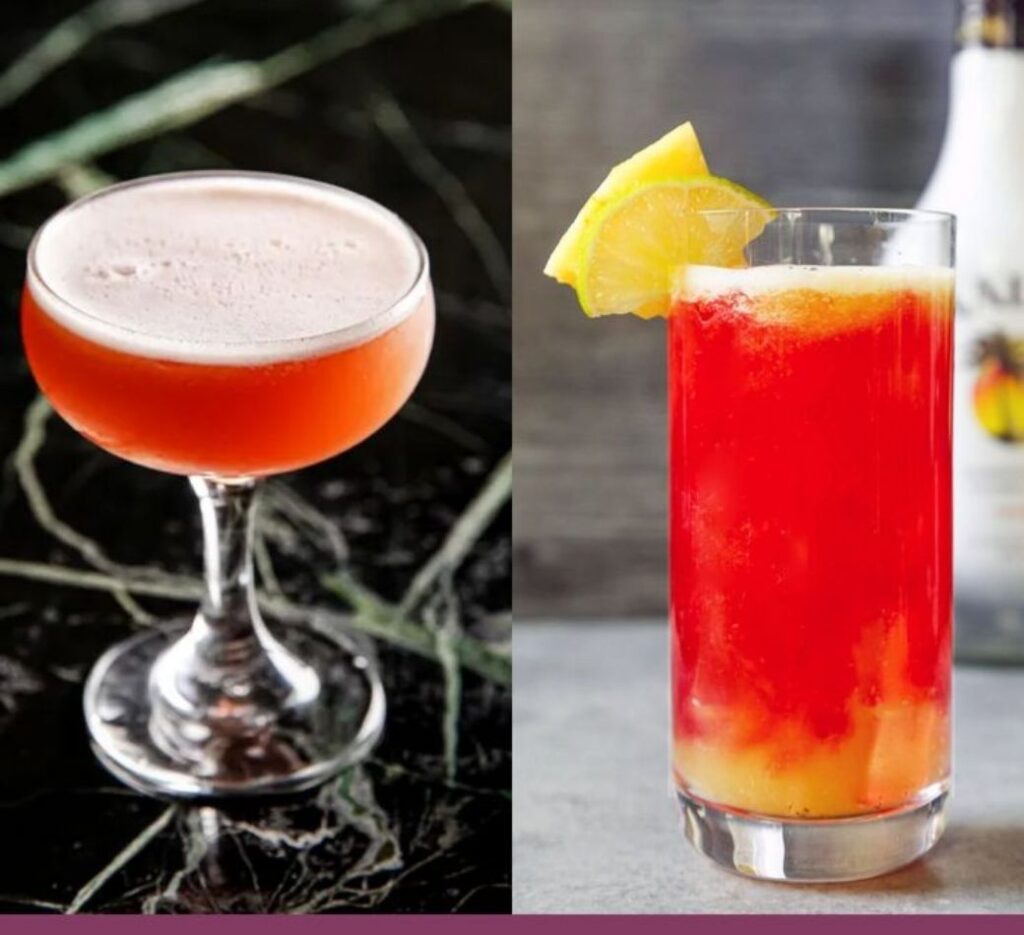
Bar drinks include cocktails, mixed drinks, highballs, spirit-forward cocktails, and simple spirit-and-mixer combinations that bars commonly serve.
Most drinks start with a base spirit and then add mixers, citrus, sweeteners, bitters, liqueurs, or other modifiers.
For example:
- Vodka + soda water + lime creates a Vodka Soda.
- Gin + tonic water creates a Gin and Tonic.
- Whiskey + sugar + bitters creates an Old Fashioned.
- Tequila + lime + orange liqueur creates a Margarita.
- Gin + Campari + sweet vermouth creates a Negroni.
You can understand most cocktails by identifying their base spirit, flavor profile, preparation method, and serving style.
25 Popular Bar Drinks to Order
The following drinks cover several major cocktail categories, from simple highballs to classic spirit-forward recipes.
1. Old Fashioned
The Old Fashioned ranks among the most recognizable whiskey cocktails. It highlights the character of the base spirit instead of covering it with a large amount of juice or soda.
Typical ingredients:
- 2 oz whiskey
- 0.25 oz 1:1 simple syrup or an equivalent amount of sugar
- 2–3 dashes of bitters
- Ice
- Orange peel
Add the ingredients to a mixing glass with ice and stir. Strain the cocktail over fresh ice or follow the bar’s preferred service method. Express an orange peel over the drink to release its aromatic oils.
The Old Fashioned works especially well when you enjoy spirit-forward cocktails.
2. Margarita
The Margarita combines tequila, citrus, and orange liqueur to create a bright and balanced cocktail.
Typical ingredients:
- 2 oz blanco tequila
- 1 oz fresh lime juice
- 0.75–1 oz orange liqueur
- Ice
- Salt for the rim, optional
Shake the ingredients with ice and strain the drink into a chilled glass or over fresh ice.
Ask for a Margarita on the rocks if you want it over ice, or order it frozen if the bar offers a frozen version.
3. Espresso Martini
The Espresso Martini combines vodka, coffee liqueur, and espresso.
Typical ingredients:
- 1.5–2 oz vodka
- 0.75–1 oz coffee liqueur
- 1 oz fresh espresso
- Ice
Shake the ingredients vigorously with ice and strain them into a chilled coupe or Martini glass.
The vigorous shake helps create the drink’s characteristic foam.
4. Negroni
The Negroni delivers a bitter, herbal, and spirit-forward flavor.
A classic recipe uses equal parts:
- Gin
- Campari
- Sweet vermouth
Stir the ingredients with ice and serve over fresh ice in a rocks glass.
Choose this drink when you enjoy bitter and complex flavors.
5. Gin and Tonic
The Gin and Tonic remains one of the easiest popular highball drinks to order.
Basic build:
- Gin
- Tonic water
- Ice
- Lime or another citrus garnish
The choice of gin and tonic can significantly change the final flavor. A botanical gin can create a more aromatic drink, while a citrus-forward gin can produce a brighter profile.
6. Whiskey Sour
The Whiskey Sour balances whiskey with lemon juice and sweetness.
Typical recipe:
- 2 oz whiskey
- 1 oz fresh lemon juice
- 0.75 oz simple syrup
Some bartenders add egg white to create a thicker texture and a foamy top.
If you prefer a brighter and more refreshing drink, ask for a Whiskey Sour with a balanced amount of citrus.
7. Vodka Soda
The Vodka Soda offers one of the simplest bar orders.
Ask for:
Vodka + soda water + lime.
You can also specify your preferred vodka if you want a call drink instead of the bar’s standard house spirit.
8. Moscow Mule
The Moscow Mule combines vodka, lime juice, and ginger beer.
The ginger beer adds sweetness and spicy notes, while lime provides acidity.
Bartenders commonly serve the drink over ice in a mule mug or another suitable glass.
9. Mojito
The Mojito combines white rum, lime, mint, sugar, and soda water.
The bartender builds the drink with mint and lime before adding rum, sweetener, ice, and soda water.
The combination creates a refreshing cocktail with bright citrus and herbal notes.
10. Daiquiri
A classic Daiquiri uses only three main ingredients:
- Rum
- Fresh lime juice
- Simple syrup
Shake the ingredients with ice and strain them into a chilled coupe.
The Daiquiri demonstrates how a simple recipe can create a balanced cocktail when the bartender controls sweetness, acidity, and dilution.
11. Manhattan
The Manhattan combines whiskey, sweet vermouth, and bitters.
Typical ingredients:
- 2 oz rye or bourbon
- 1 oz sweet vermouth
- Bitters
Stir the ingredients with ice and strain them into a chilled glass.
Choose rye for a spicier profile or bourbon for a softer and sweeter character.
12. Martini
A classic Martini combines gin or vodka with dry vermouth.
You can customize it by choosing:
- Gin or vodka
- Your preferred spirit-to-vermouth ratio
- Olive or lemon twist
- Up or on the rocks
If you want the spirit to dominate, you can request a drier Martini.
13. Tom Collins
The Tom Collins combines gin, lemon juice, simple syrup, and soda water.
It creates a tall, refreshing drink with citrus acidity and light sweetness.
Bartenders typically serve it in a highball or Collins glass with plenty of ice.
14. Paloma
The Paloma pairs tequila with grapefruit and carbonation.
A simple version combines:
- Tequila
- Grapefruit soda
- Lime
- Ice
The grapefruit provides a slightly bitter citrus character that separates the Paloma from sweeter tequila cocktails.
15. Cosmopolitan
The Cosmopolitan combines:
- Vodka
- Orange liqueur
- Cranberry juice
- Lime juice
Shake the ingredients with ice and strain the cocktail into a chilled glass.
The drink offers a balance of citrus, sweetness, and tart cranberry flavor.
16. Long Island Iced Tea
The Long Island Iced Tea combines several spirits with citrus and cola.
Because the recipe uses multiple alcoholic ingredients, the drink can contain more alcohol than a simple single-spirit highball.
Always ask the bartender about the recipe if you want to understand the drink’s strength.
17. Rum and Coke
Rum and Coke provides a simple two-ingredient combination.
Add rum and cola over ice, then add lime if you want a brighter flavor.
You can choose a light, gold, or dark rum depending on the flavor you prefer.
18. Tequila Sunrise
The Tequila Sunrise combines tequila, orange juice, and grenadine.
The drink provides a sweet, fruity profile and a distinctive layered appearance.
19. Screwdriver
The Screwdriver combines vodka and orange juice.
It offers a simple option for anyone who wants a fruit-forward drink without a complicated cocktail recipe.
20. Bloody Mary
The Bloody Mary combines vodka with tomato juice and savory seasonings.
A typical recipe may include:
- Tomato juice
- Vodka
- Lemon juice
- Worcestershire sauce
- Hot sauce
- Black pepper
- Celery salt
Bars often customize Bloody Marys with different garnishes and spice levels.
21. Whiskey Ginger
Whiskey Ginger combines whiskey with ginger ale.
The ginger ale adds sweetness and carbonation while softening the whiskey’s intensity.
This combination works well as a beginner-friendly bar drink.
22. Cape Codder
The Cape Codder combines vodka and cranberry juice.
Add lime if you want additional acidity and freshness.
Its simple recipe makes it an easy drink to order.
23. Greyhound
The Greyhound combines vodka or gin with grapefruit juice.
Grapefruit creates a sharper and slightly more bitter flavor than orange juice.
Choose gin when you want additional botanical character.
24. Gin Rickey
The Gin Rickey combines gin, lime juice, and soda water.
Unlike many sweet cocktails, the classic Gin Rickey contains little or no added sugar.
It works well when you want a crisp, dry, refreshing drink.
25. Amaretto Sour
The Amaretto Sour combines almond-flavored amaretto with citrus and sweetness.
Some modern recipes add bourbon to provide more structure and reduce the drink’s perceived sweetness.
Choose this drink when you enjoy nutty, sweet, and citrus-forward flavors.
Essential 2-Ingredient Bar Drinks
You do not need a complicated recipe to enjoy a good bar drink.
These essential 2-ingredient bar drinks provide simple options that bartenders can prepare quickly.
| Drink | Base Spirit | Mixer |
|---|---|---|
| Gin and Tonic | Gin | Tonic water |
| Vodka Soda | Vodka | Soda water |
| Rum and Coke | Rum | Cola |
| Whiskey Ginger | Whiskey | Ginger ale |
| Screwdriver | Vodka | Orange juice |
| Vodka Tonic | Vodka | Tonic water |
| Tequila Soda | Tequila | Soda water |
| Whiskey Soda | Whiskey | Soda water |
You can add lime, lemon, or another garnish when you want additional aroma and acidity.
Top Vodka Bar Drinks
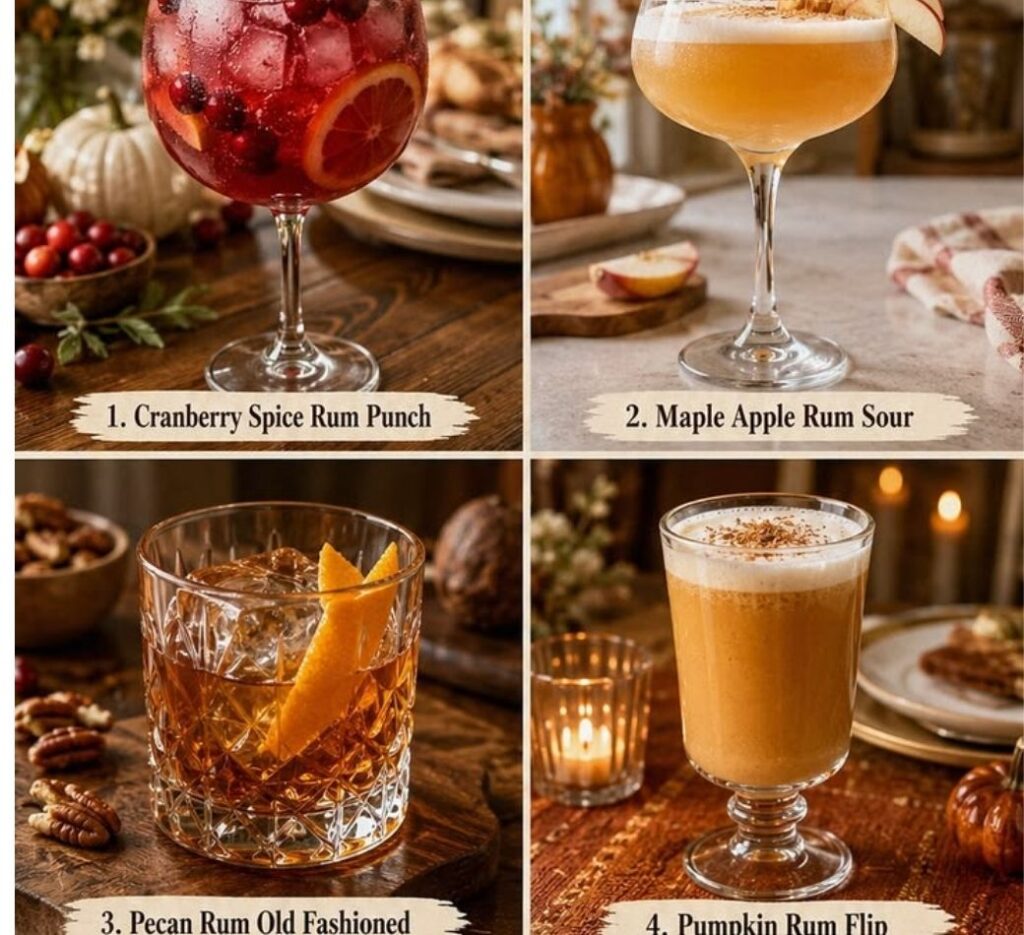
Vodka provides a relatively neutral base, which allows mixers and modifiers to stand out.
Some of the most popular vodka bar drinks include:
- Vodka Soda
- Moscow Mule
- Espresso Martini
- Cosmopolitan
- Screwdriver
- Vodka Tonic
- Cape Codder
- Bloody Mary
- Greyhound
- White Russian
Choose a highball when you want something simple and refreshing. Choose an Espresso Martini or Cosmopolitan when you want a more complex cocktail.
Sweet vs. Sour Cocktail Balance
A balanced cocktail needs the right relationship between sweetness, acidity, alcohol, dilution, and aroma.
Too much sugar can make a cocktail taste heavy. Too much acid can make it taste sharp.
Bartenders often think about three core components:
Base Spirit + Acid + Sweetener
The 2:1:1 Rule of Balance
This guide uses a 2:1:1 framework as a practical starting point for sour-style cocktails:
- 2 parts base spirit
- 1 part acidic ingredient
- 1 part sweetener
For example:
2 oz spirit + 1 oz citrus + 1 oz sweetener
This framework provides a starting point rather than a universal rule. Classic recipes often use different ratios because each spirit, citrus juice, sweetener, and modifier behaves differently.
How Sweeteners Change Cocktail Balance
Different sweeteners can change the flavor, texture, and perceived sweetness of a drink.
| Sweetener | Flavor Effect |
|---|---|
| 1:1 simple syrup | Clean and neutral |
| Agave nectar | Rich and rounded |
| Honey syrup | Floral and smooth |
| Demerara syrup | Rich and caramel-like |
| Grenadine | Sweet and fruity |
A standard 1:1 simple syrup uses equal parts sugar and water by volume.
How to Fix an Imbalanced Cocktail
If your drink tastes too sweet, add a small amount of citrus or controlled dilution.
If it tastes too sour, add a small amount of sweetener.
Standard Liquor Pour Size
Many U.S. bars use 1.5 oz as a common reference pour for distilled spirits, although individual bars may use different pour sizes.
A cocktail can contain multiple spirit pours, so you should consider the complete recipe when estimating alcohol content.
Always ask the bartender if you need to know the exact pour size.
House Spirits vs. Call Drinks vs. Top-Shelf Spirits
Understanding bar terminology can help you order exactly what you want.
House or Well Spirits
A well drink uses the bar’s standard spirit for that category.
For example, ordering a generic vodka soda may lead the bartender to use the bar’s well vodka.
Call Drinks
A call drink lets you specify the spirit brand.
For example:
“Vodka soda with [your preferred vodka brand], please.”
This tells the bartender which spirit you want.
Top-Shelf Spirits
Top-shelf spirits usually occupy the premium section of a bar’s selection.
They often cost more than well or standard call options.
However, a higher price does not automatically mean that you will prefer the flavor.
What Does “On the Rocks” Mean?
When you order a drink on the rocks, the bartender serves it over ice.
For example:
“Bourbon on the rocks.”
The ice chills the drink and gradually adds dilution.
Large ice cubes can slow dilution compared with smaller or crushed ice.
What Does “Neat” Mean?
When you order a spirit neat, the bartender serves it without ice, water, or a mixer.
For example:
“Whiskey neat.”
This serving style allows you to taste the spirit with minimal dilution.
What Does “Up” Mean?
When you order a cocktail up, the bartender chills and dilutes it with ice during preparation and then strains it into a glass without ice.
Martinis and many shaken or stirred cocktails use this serving style.
“Up” differs from “neat” because the bartender normally chills and dilutes an up cocktail during preparation.
Dash of Bitters: Why Bartenders Use It
Bitters can add concentrated aromatic and bitter flavors to cocktails.
Bartenders often add a few dashes to drinks such as:
- Old Fashioned
- Manhattan
- Whiskey Sour
- Champagne-based cocktails
Bitters can help connect the other ingredients without adding a large amount of liquid.
Shaken vs. Stirred: Which Technique Should You Use?
Bartenders choose the preparation method based on the drink’s ingredients.
When Bartenders Shake
Shaking works well when the cocktail contains ingredients that need strong integration.
Common examples include:
- Citrus juice
- Fruit juice
- Dairy
- Egg white
- Syrups
- Thick modifiers
Shaking rapidly chills the drink while mixing and diluting the ingredients.
When Bartenders Stir
Stirring works particularly well for clear, spirit-forward cocktails.
Examples include:
- Old Fashioned
- Manhattan
- Negroni
- Martini
Stirring provides controlled dilution and preserves clarity.
Quick Shaken vs. Stirred Decision Tree
Use this simple rule:
Does the drink contain citrus, juice, dairy, egg white, or another ingredient that needs strong integration?
→ Shake.
Does the drink mainly contain clear spirits and clear modifiers?
→ Stir.
Individual recipes can use different techniques, so follow the recipe when a specific method applies.
Ice Dilution Rates and Cocktail Quality
Ice does more than chill a cocktail. It also changes its water content and therefore affects balance.
For this guide, the following figures represent the supplied guide-specific benchmark test, not a universal scientific standard.
| Ice Type | Guide Benchmark | Best Application |
|---|---|---|
| 1″ × 1″ commercial cube | Approximately 18% volume addition after 60 seconds of stirring | General stirred cocktails |
| 2″ × 2″ large cube | Lower dilution during extended sipping | Spirit-forward cocktails |
| Crushed ice | Rapid chilling and faster dilution | High-sugar and rum-heavy drinks |
Standard Commercial Cube
The supplied benchmark reports approximately 18% volume addition after 60 seconds of stirring with a standard commercial cube.
The same benchmark records a rapid temperature drop during initial stirring.
Large-Format Cube
A 2-inch cube exposes less surface area relative to its volume than smaller pieces.
That characteristic can slow dilution during a longer sipping period.
Large cubes work particularly well for spirit-forward drinks such as the Old Fashioned.
Crushed Ice
Crushed ice creates significantly more surface area.
That structure allows it to chill drinks quickly while also increasing dilution.
Bartenders often use crushed ice in tropical and Tiki-style cocktails that benefit from both chilling and dilution.
Commercial Bar Service: Why Simple Drinks Move Faster
Busy bars must balance speed, accuracy, and drink quality.
Simple highballs require fewer preparation steps than muddled or shaken cocktails.
The supplied high-volume bar case study uses a benchmark showing that two-ingredient highballs such as Gin and Tonic and Vodka Soda with lime can reduce wait times by approximately 65% during peak periods compared with more involved drinks.
The actual difference will vary according to staffing, equipment, order volume, recipe complexity, and service style.
Why Highballs Save Preparation Time
A bartender can often prepare a basic highball through a few quick steps:
- Add ice.
- Add the spirit.
- Add the mixer.
- Add the garnish.
- Serve.
A muddled or shaken cocktail can require additional preparation, shaking, straining, garnish work, and cleanup.
Call Drinks and Customer Satisfaction
A call drink gives the customer more control over the base spirit.
Instead of ordering:
“Vodka soda.”
You can say:
“Vodka soda with [specific brand], please.”
The supplied case-study framework reports a 30% improvement in customer satisfaction ratings when guests specified their preferred spirit instead of accepting a generic well spirit.
Treat this figure as a case-study benchmark rather than a universal industry statistic.
Beginner-Friendly Bar Drinks
If you do not know much about cocktails, start with familiar flavors.
Best Beginner Drinks by Flavor
| Flavor Preference | Beginner-Friendly Options |
|---|---|
| Refreshing | Gin and Tonic, Vodka Soda |
| Sweet | Espresso Martini, Tequila Sunrise |
| Sour | Margarita, Whiskey Sour |
| Fruity | Screwdriver, Cape Codder |
| Light and bubbly | Tom Collins, Vodka Soda |
| Spirit-forward | Old Fashioned, Manhattan |
| Spicy | Moscow Mule |
| Herbal | Gin and Tonic |
You can also tell the bartender what flavors you like instead of naming a cocktail.
For example:
“I want something refreshing and citrusy, but I don’t want anything too sweet.”
That description gives the bartender useful information for making a recommendation.
Popular Highball Drinks
Highballs combine a spirit with a larger amount of a nonalcoholic mixer.
Popular examples include:
- Gin and Tonic
- Vodka Soda
- Whiskey Ginger
- Rum and Coke
- Moscow Mule
- Tom Collins
- Tequila Soda
- Vodka Tonic
Highballs usually offer a refreshing drinking experience because carbonation, ice, and dilution soften the base spirit.
Best Glassware for Bar Drinks
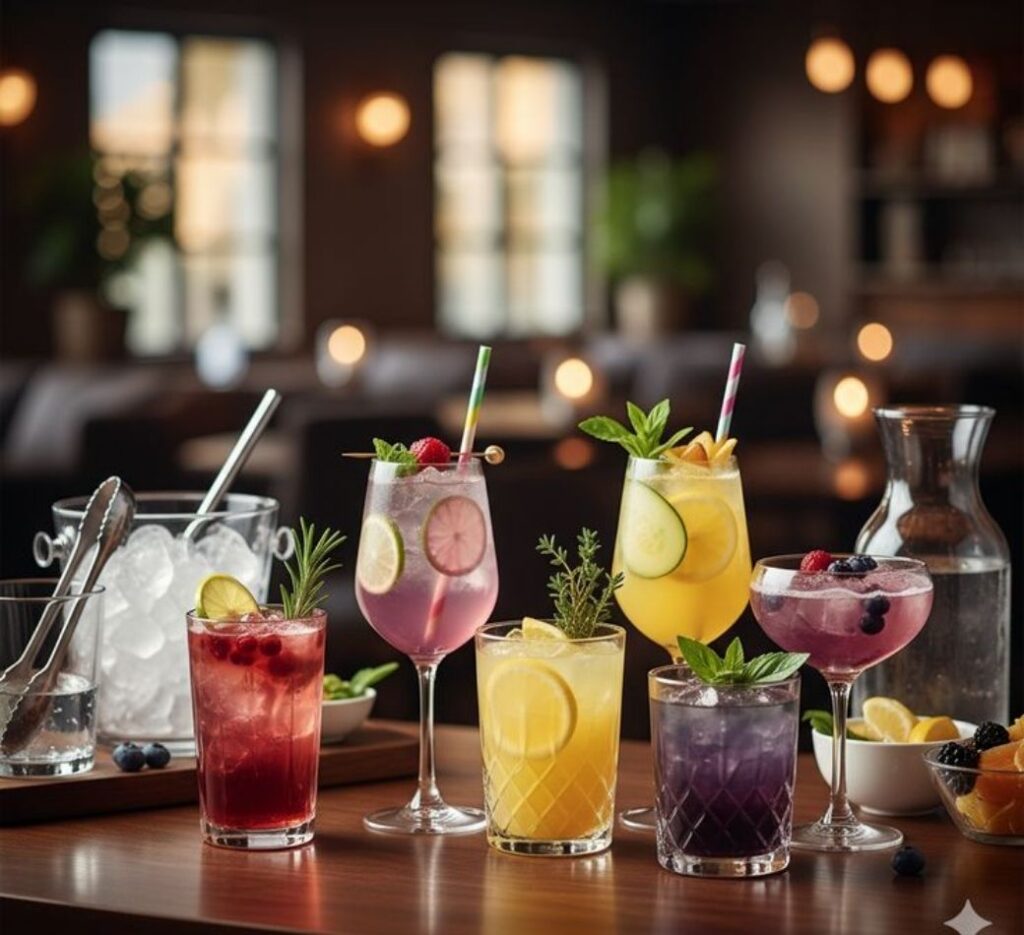
Glassware affects presentation, aroma, temperature, and the overall drinking experience.
| Glassware | Common Drinks |
|---|---|
| Highball glass | Gin and Tonic, Vodka Soda |
| Rocks glass | Old Fashioned, Negroni |
| Coupe glass | Daiquiri, Espresso Martini |
| Martini glass | Martini, Cosmopolitan |
| Collins glass | Tom Collins |
| Mule mug | Moscow Mule |
Bartenders should choose glassware based on the recipe and serving style.
How to Order a Bar Drink Correctly
You do not need complicated terminology to order a cocktail.
Use this simple formula:
Drink + spirit + preparation + garnish preference
For example:
“Margarita with blanco tequila, on the rocks, with a salted rim.”
Or:
“Gin and Tonic with [brand], lots of ice, and lime.”
You can also describe the flavor you want:
“Can you make me something citrusy, refreshing, and not too sweet?”
Experienced bartenders can often recommend several options from that description.
Standard Drink and Pour Awareness
Cocktail strength can vary significantly.
A drink containing one 1.5 oz pour of an 80-proof spirit differs from a cocktail containing several spirit ingredients.
For reference, U.S. standard drink guidance commonly uses approximately:
- 1.5 oz of 80-proof distilled spirits
- 5 oz of wine
- 12 oz of regular beer
These amounts provide alcohol-equivalent references, not identical serving sizes.
A mixed cocktail can contain more than one standard drink depending on its recipe and pour size.
Drink responsibly, follow applicable laws, and never drive after drinking.
How to Make Better Classic Cocktails at Home
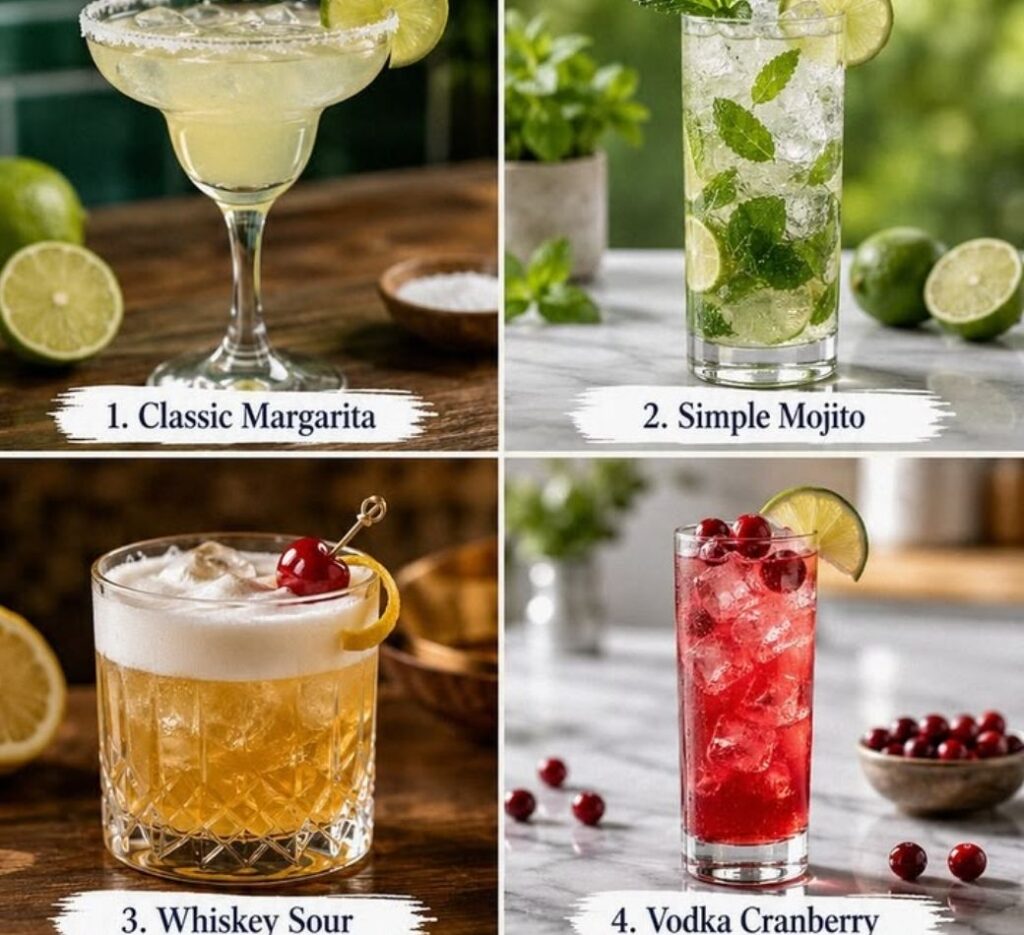
You can improve your classic cocktail recipes by focusing on four fundamentals.
1. Measure Your Ingredients
Use a jigger instead of guessing.
Small changes in citrus, sugar, or spirit volume can significantly change the final balance.
2. Use Fresh Citrus
Fresh lemon and lime juice usually provide brighter acidity than many bottled alternatives.
3. Control Dilution
Use the right amount and type of ice.
Then use the correct shaking or stirring technique.
4. Taste and Adjust
Taste your drink before making large adjustments.
You can match common cocktail categories with suitable glassware:
Highballs → Highball or Collins glass
These glasses provide enough room for ice, mixer, and carbonation.
Spirit-forward cocktails → Rocks glass
A rocks glass works well for drinks served over ice.
Up cocktails → Coupe or Martini glass
These glasses provide a chilled presentation without ice.
Tropical cocktails → Tall or specialty Tiki glass
These glasses provide room for crushed ice and elaborate garnishes.
Interactive Cocktail Finder
A cocktail finder can simplify the selection process for beginners.
Let readers choose their preferred base spirit:
- Vodka
- Tequila
- Whiskey
- Rum
- Gin
Then let them choose a flavor profile:
- Sweet
- Sour
- Bitter
- Spirit-forward
- Refreshing
The tool can then recommend drinks.
| Base Spirit | Flavor | Suggested Drink |
|---|---|---|
| Vodka | Sweet | Espresso Martini |
| Tequila | Sour | Margarita |
| Whiskey | Spirit-forward | Old Fashioned |
| Gin | Refreshing | Gin and Tonic |
| Rum | Refreshing | Mojito |
| Gin | Bitter | Negroni |
This approach helps readers find a drink without memorizing an entire cocktail menu.
Interactive BAC and Pour Calibrator
A useful educational widget can compare common alcohol serving equivalents.
For example, the tool can display:
- 1.5 oz of 80-proof distilled spirit
- 5 oz of wine
- 12 oz of regular beer
The tool should explain that cocktail recipes can contain different amounts of alcohol depending on the number and size of spirit pours.
It should also avoid presenting BAC estimates as exact predictions because individual BAC depends on factors such as body size, biological sex, food intake, drinking speed, metabolism, and other variables.
Shaken vs. Stirred Visual Decision Tree
A simple visual decision tree can help readers remember the basic rule:
Contains citrus, juice, dairy, egg white, or thick ingredients?
→ Shake
Contains primarily clear spirits and clear modifiers?
→ Stir
This visual can help beginners understand cocktail technique faster than a long written explanation.
Short Technique Videos to Add
Short video clips can strengthen the article’s practical value.
Useful clips include:
Hawthorne Strainer Technique
Show how to position and use a Hawthorne strainer after shaking or stirring a cocktail.
Double-Straining Technique
Show how to use a fine strainer together with a primary strainer to create a smoother drink.
Expressing a Citrus Peel
Keep these clips short and focused so readers can understand each technique quickly.
Frequently Asked Questions About Bar Drinks
What are the most popular bar drinks to order?
Popular choices include the Old Fashioned, Margarita, Espresso Martini, Negroni, Gin and Tonic, Whiskey Sour, Martini, Moscow Mule, and Vodka Soda.
What is the easiest bar drink to order?
Simple highballs such as Vodka Soda, Gin and Tonic, Rum and Coke, and Whiskey Ginger provide some of the easiest orders.
What are good beginner-friendly bar drinks?
Gin and Tonic, Vodka Soda, Moscow Mule, Paloma, Tom Collins, and Whiskey Ginger work well for beginners because they use familiar flavors and straightforward recipes.
What are the best two-ingredient bar drinks?
Popular two-ingredient options include Gin and Tonic, Vodka Soda, Rum and Coke, Whiskey Ginger, Screwdriver, Vodka Tonic, and Tequila Soda.
What are the best vodka bar drinks?
Popular vodka choices include Vodka Soda, Moscow Mule, Espresso Martini, Cosmopolitan, Screwdriver, Bloody Mary, Cape Codder, and Greyhound.
What does “on the rocks” mean?
“On the rocks” means the bartender serves the drink over ice.
What does “neat” mean at a bar?
“Neat” means the bartender serves the spirit without ice, water, or a mixer.
What does “up” mean in a cocktail?
“Up” means the bartender chills and dilutes the cocktail with ice and then strains it into a glass without ice.
What is a call drink?
A call drink specifies the brand of spirit you want. For example, you can order a Vodka Soda with a specific vodka brand instead of accepting the bar’s well vodka.
What is the 2:1:1 cocktail ratio?
The 2:1:1 framework uses two parts base spirit, one part acidic ingredient, and one part sweetener. It provides a practical starting point for balancing many sour-style cocktails, but classic recipes often use different ratios.
What is the difference between a highball and a cocktail?
A highball generally combines a spirit with a larger amount of a nonalcoholic mixer and serves the drink over ice in a tall glass. The term cocktail covers a much broader range of mixed drinks.
Which cocktails taste sweet?
Espresso Martinis, Tequila Sunrises, Cosmopolitans, Amaretto Sours, and some tropical cocktails generally provide sweeter flavor profiles.
Which cocktails taste bitter?
Negronis and some spirit-forward cocktails provide noticeable bitterness. Bitters can also add smaller amounts of bitter and aromatic flavor to cocktails such as Old Fashioneds and Manhattans.
Should you order a house spirit or a call drink?
Choose a house spirit when you want to keep the price lower or do not have a specific brand preference. Choose a call drink when you want a particular spirit brand or flavor profile.
Conclusion
The world of bar drinks offers something for almost every taste. You can choose a simple two-ingredient highball, a citrus-forward sour, a sweet dessert-style cocktail, or a spirit-forward classic.
You can also make better choices by understanding basic bar terminology. Neat means no ice or mixer. On the rocks means over ice. Up means chilled and strained without ice. A call drink lets you specify the spirit brand.
Once you understand these basics, you can confidently order both familiar favorites and new cocktails. You can also describe the flavors you enjoy and let the bartender guide you toward a drink that fits your taste.
Author Bio
Credentials & Accreditations: WSET Level 3 Award in Spirits | BarSmarts Advanced Certified | Member, United States Bartenders’ Guild (USBG)
First-Hand Testing Note: This guide uses standard 1.5 oz bar pours as a practical reference and applies recipe-based methods for comparing cocktail ratios, dilution, and flavor balance.
Responsible Drinking Disclaimer: Alcohol affects people differently. Drink responsibly, follow local laws, and never drive after drinking.