
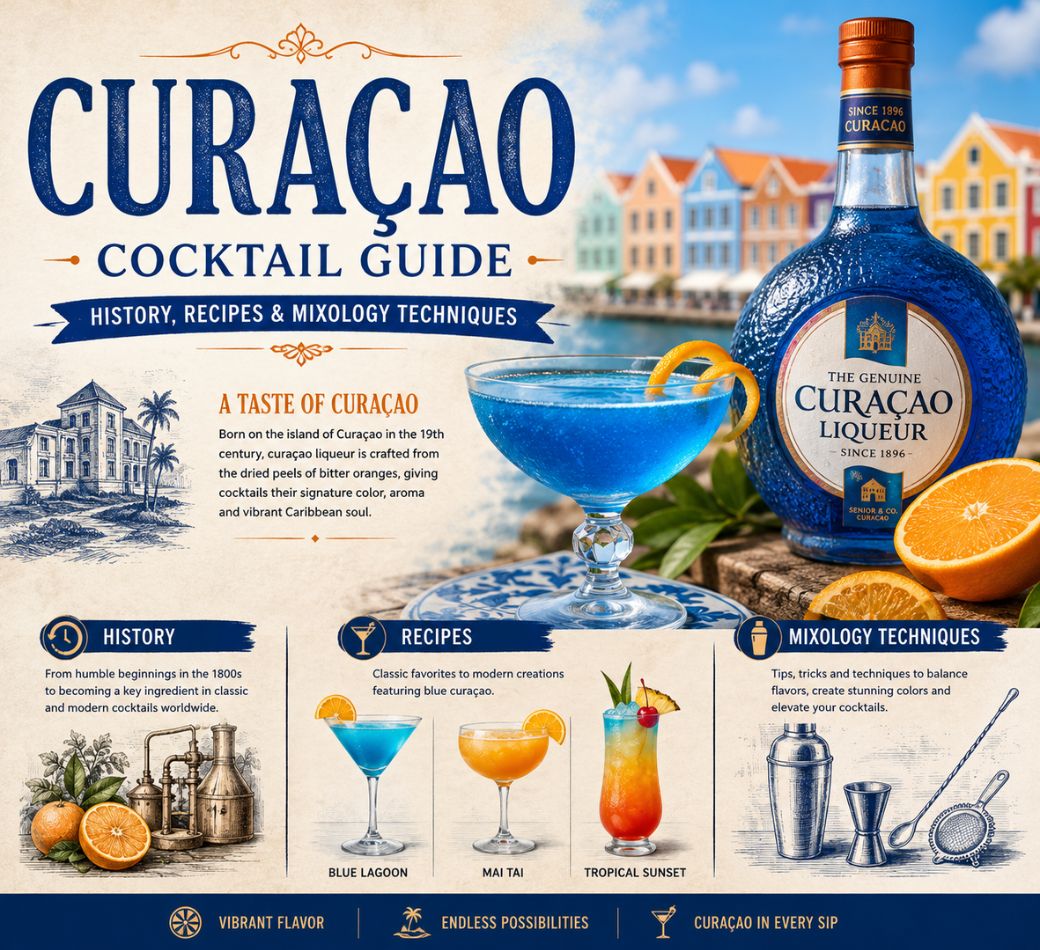
Curacao cocktail recipes have remained a staple of the cocktail world for more than a century. Whether you enjoy a vibrant Blue Lagoon, a tropical tiki creation, or a sophisticated craft cocktail, Curacao liqueur adds bright citrus character, sweetness, and complexity that few ingredients can match.
While many people recognize the striking blue color of Blue Curacao, fewer understand the fascinating history behind authentic Curacao liqueur. The spirit traces its roots to the Caribbean island of Curacao, where a unique citrus fruit called Laraha transformed an agricultural disappointment into one of the world’s most influential cocktail ingredients.
This guide explores the history of Curacao liqueur, explains how mixologists use it today, and provides expert techniques for creating balanced Curacao cocktails at home.
What Is a Curacao Cocktail?
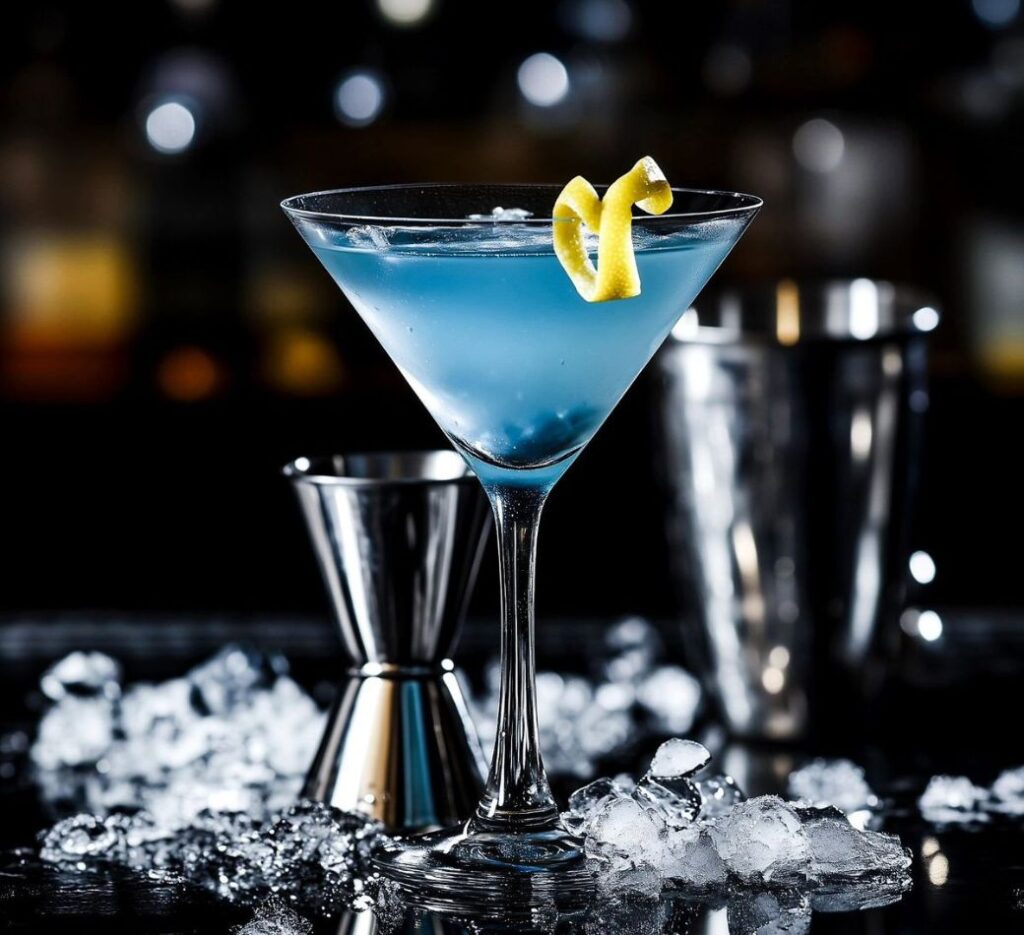
A Curacao cocktail contains Curacao liqueur as a primary flavoring ingredient. Bartenders use Curacao to add sweet orange notes, subtle bitterness, and aromatic complexity to mixed drinks.
Unlike ordinary orange-flavored syrups, Curacao derives its flavor from dried peels of the Laraha fruit, a citrus variety native to the Caribbean island of Curacao.
Understanding Curacao Liqueur
Producers create Curacao liqueur by distilling dried citrus peels and blending the resulting spirit with sweeteners and other botanicals. The finished product offers a balanced combination of sweet orange flavor and gentle bitterness.
Most Curacao liqueurs contain between 15% and 40% alcohol by volume (ABV), depending on the producer and style.
What Makes Laraha Citrus Unique?
When Spanish settlers introduced Valencia oranges to Curacao centuries ago, the fruit struggled in the island’s dry climate. Over time, the oranges evolved into a unique variety known as Laraha.
The fruit itself became nearly inedible due to its bitterness. However, local producers discovered that drying the peels released highly aromatic oils with intense citrus character. These oils eventually became the foundation of authentic Curacao liqueur.
Curacao vs Triple Sec vs Cointreau
Many cocktail enthusiasts confuse these orange liqueurs.
| Liqueur | Sweetness | Flavor Profile | Best Uses |
|---|---|---|---|
| Curacao | Medium-High | Rich citrus with slight bitterness | Tropical and classic cocktails |
| Triple Sec | Medium | Bright orange flavor | Margaritas and mixed drinks |
| Cointreau | Medium-Low | Refined orange aroma | Premium cocktails |
While all three belong to the orange liqueur family, Curacao typically delivers a richer and slightly more complex flavor profile.
The Fascinating History of Curacao Liqueur
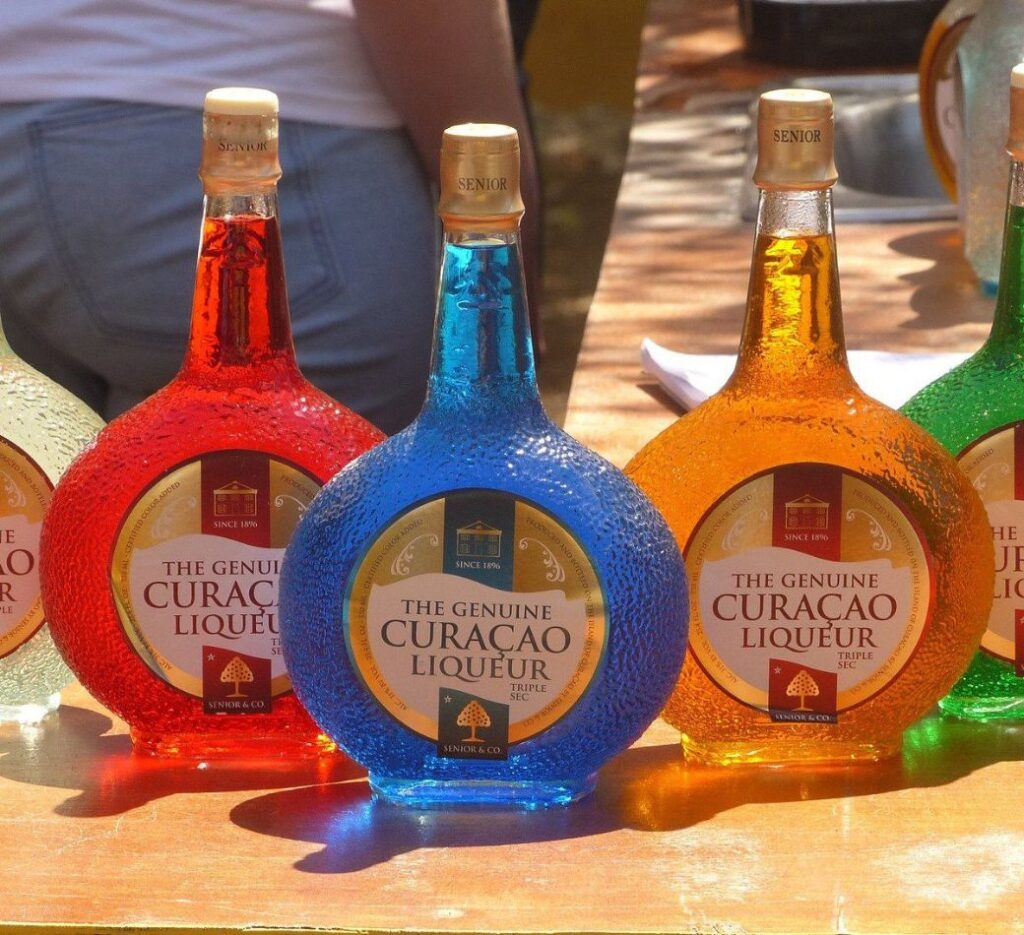
The history of Curacao liqueur reflects centuries of trade, exploration, and innovation.
The Origins of Laraha on the Island of Curacao
The island of Curacao sits off the coast of South America and forms part of the Dutch Caribbean. Early settlers attempted to cultivate Valencia oranges, hoping to establish profitable citrus agriculture.
The harsh climate prevented success. However, nature created an unexpected opportunity when the oranges evolved into Laraha.
Local residents soon recognized the aromatic potential of the fruit’s peels and began experimenting with extraction and distillation techniques.
Dutch Trade Routes and the Rise of Orange Liqueurs
During the era of the Dutch West India Company, trade networks connected Curacao to Europe and the Americas.
Merchants transported spices, sugar, rum, and citrus products throughout these routes. Distillers in Europe embraced Laraha peels and began producing orange liqueurs that gained popularity among aristocrats and travelers.
How Curacao Became a Cocktail Essential
As cocktail culture expanded during the 19th century, bartenders incorporated Curacao into punches, cobblers, and early mixed drinks.
Its versatility allowed it to pair with:
- Gin
- Rum
- Brandy
- Whiskey
- Tequila
- Vodka
This flexibility helped Curacao become one of the foundational ingredients in classic cocktail books.
Curacao Cocktail Timeline: From Punch Bowls to Tiki Bars
19th-Century Punch Culture
Early punch recipes frequently combined spirits, citrus, sugar, and spice. Curacao enhanced these drinks by contributing concentrated citrus flavor and aromatic depth.
Bartenders often used it as a finishing ingredient that unified the entire flavor profile.
Early Cocktail Books and Orange Liqueurs
Many historic cocktail manuals featured Curacao-based recipes. These books helped standardize techniques and introduced orange liqueurs to broader audiences.
By the late 1800s, Curacao appeared regularly in hotel bars and private clubs across Europe and North America.
The Mid-Century Tiki Explosion
The tiki movement dramatically increased Curacao’s popularity.
Tiki pioneers blended Curacao with:
- Aged rum
- Fresh citrus juice
- Tropical fruits
- Exotic syrups
These combinations created layered drinks that showcased the liqueur’s sweet-bitter citrus characteristics.
Modern Craft Cocktail Revival
Today’s bartenders continue to embrace Curacao.
Modern cocktail programs often prioritize high-quality orange liqueurs and use them to create balanced drinks with fresh ingredients and carefully measured ratios.
Types of Curacao Liqueur
Not all Curacao products taste the same.
Blue Curacao
Blue Curacao remains the most recognizable style.
Manufacturers add blue coloring while maintaining the traditional orange flavor profile. The vivid color creates visually striking cocktails without significantly altering taste.
Orange Curacao
Orange Curacao typically offers a more traditional presentation and often appears in classic cocktail recipes.
Many craft bartenders prefer this style for its authenticity.
Dry Curacao
Dry Curacao contains less sweetness and emphasizes citrus aroma and complexity.
This style works exceptionally well in spirit-forward cocktails.
Premium Craft Curacao
Small-batch producers often focus on traditional methods and high-quality Laraha peels.
These products deliver more nuanced flavors and stronger aromatic characteristics.
| Type | Color | Flavor Profile | Best Uses |
|---|---|---|---|
| Blue Curacao | Blue | Sweet citrus | Blue Lagoon, tropical drinks |
| Orange Curacao | Orange | Balanced orange flavor | Classic cocktails |
| Dry Curacao | Clear/Amber | Less sweet, more aromatic | Premium cocktails |
| Craft Curacao | Various | Complex citrus profile | Mixology-focused drinks |
The Laraha vs Valencia Blind Taste Test
To better understand authentic Curacao flavor, many professional mixologists compare Laraha-derived products against conventional orange liqueurs made from standard sweet oranges.
Testing Methodology
Participants sampled cocktails prepared with:
- Authentic Laraha-based Curacao
- Conventional Triple Sec
The tasting panel evaluated aroma, sweetness, bitterness, texture, and overall balance.
Aroma Comparison
Laraha-based Curacao produced stronger aromatic complexity.
Participants frequently identified:
- Orange blossom notes
- Citrus zest
- Floral characteristics
- Spice undertones
Triple Sec delivered a simpler sweet-orange aroma.
Bitterness and Sweetness Analysis
Laraha-based products exhibited a more sophisticated sweet-bitter balance.
This characteristic helped cocktails maintain structure without becoming overly sweet.
Mouthfeel Evaluation
Most tasters preferred the richer texture associated with authentic Curacao.
The added complexity improved both sipping cocktails and tropical recipes.
| Characteristic | Laraha-Based Curacao | Standard Triple Sec |
|---|---|---|
| Aroma Complexity | High | Moderate |
| Citrus Intensity | High | Medium |
| Sweetness | Balanced | Higher |
| Bitterness | Refined | Minimal |
| Cocktail Depth | Excellent | Good |
The Perfect Balance Methodology
Professional bartenders understand that cocktail balance determines whether a drink tastes exceptional or forgettable.
The relationship between Curacao, acid, and base spirit forms the foundation of successful recipe design.
Why Balance Matters
Curacao contributes sweetness and citrus oils.
Fresh citrus juice contributes acidity.
The base spirit contributes strength, character, and structure.
Balancing these components creates harmony.
Understanding Curacao-to-Acid-to-Spirit Ratios
Use this framework when developing Curacao cocktails.
| Base Spirit | Curacao | Citrus Juice | Base Spirit |
|---|---|---|---|
| Gin | 1 Part | 1 Part | 2 Parts |
| Tequila | 1 Part | 1.25 Parts | 2 Parts |
| Rum | 1 Part | 1 Part | 2.5 Parts |
| Vodka | 1 Part | 1.5 Parts | 2 Parts |
For Gin-Based Cocktails
Gin already contains botanical complexity.
Use moderate amounts of Curacao to complement rather than overwhelm juniper and herbal notes.
For Tequila-Based Cocktails
Tequila benefits from slightly higher acidity.
Extra lime juice sharpens agave flavors while maintaining balance.
For Rum-Based Cocktails
Rum naturally contributes sweetness.
Increase spirit ratios to prevent excessive sugar levels and preserve structure.
For Vodka-Based Cocktails
Vodka lacks strong flavor characteristics.
Additional citrus helps create brightness and personality.
Essential Bar Tools for Curacao Cocktails
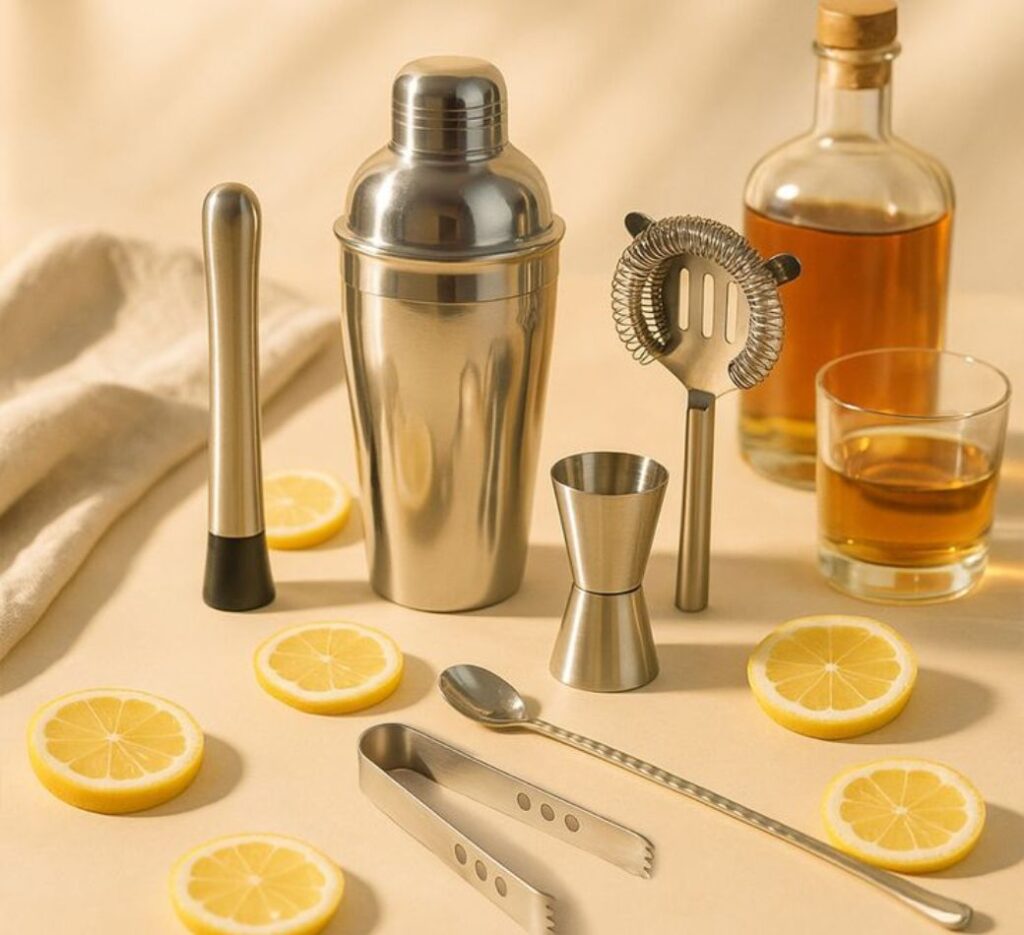
The right tools help you create consistently balanced cocktails and improve presentation.
Measuring Tools
Use a jigger to measure ingredients accurately. Precise measurements maintain the sweet-to-sour balance that Curacao cocktails require.
Shakers and Mixing Glasses
A cocktail shaker chills and dilutes drinks quickly. Use a mixing glass for spirit-forward cocktails that require gentle stirring.
Garnishing Equipment
Keep a citrus peeler, channel knife, and sharp paring knife on hand. Fresh garnishes enhance aroma and visual appeal.
Glassware Selection
Different cocktails perform best in specific glassware.
| Cocktail Style | Recommended Glass |
|---|---|
| Blue Lagoon | Highball Glass |
| Margarita Variation | Coupe Glass |
| Tiki Drinks | Tiki Mug |
| Gin Fizz | Collins Glass |
| Punch | Large Goblet |
Best Curacao Cocktail Recipes
Classic Blue Lagoon
The Blue Lagoon remains one of the world’s most recognizable Blue Curacao drink recipes.
Ingredients
- 1 oz Blue Curacao
- 1.5 oz vodka
- 4 oz lemonade
- Ice
- Lemon wheel for garnish
Instructions
- Fill a highball glass with ice.
- Add vodka and Blue Curacao.
- Top with lemonade.
- Stir gently.
- Garnish with a lemon wheel.
Why This Works
The vodka provides a clean foundation while the lemonade adds acidity. Blue Curacao contributes sweetness and citrus complexity, creating a refreshing and visually striking cocktail.
Curacao Margarita Twist
Ingredients
- 1 oz Orange Curacao
- 2 oz tequila
- 1 oz fresh lime juice
- Ice
- Lime wheel
Instructions
- Add all ingredients to a shaker with ice.
- Shake vigorously.
- Strain into a chilled glass.
- Garnish with lime.
Why This Works
Tequila’s earthy agave character pairs naturally with Curacao’s orange notes. Lime juice adds brightness and balances sweetness.
Caribbean Rum Curacao Punch
Ingredients
- 1 oz Orange Curacao
- 2 oz aged rum
- 1 oz pineapple juice
- 0.5 oz lime juice
- Dash of bitters
Instructions
- Shake ingredients with ice.
- Strain into a large glass filled with fresh ice.
- Garnish with pineapple and citrus peel.
Why This Works
Rum and Curacao share Caribbean roots. Pineapple introduces tropical sweetness while lime keeps the drink lively and refreshing.
Curacao Gin Fizz
Ingredients
- 1 oz Dry Curacao
- 2 oz gin
- 1 oz lemon juice
- Club soda
Instructions
- Shake Curacao, gin, and lemon juice with ice.
- Strain into a Collins glass.
- Top with club soda.
- Garnish with lemon zest.
Why This Works
Gin botanicals complement Curacao’s citrus oils. Carbonation lifts aromas and creates a crisp finish.
Tropical Tiki Curacao Cooler
Ingredients
- 1 oz Blue Curacao
- 2 oz dark rum
- 1 oz orange juice
- 1 oz pineapple juice
- 0.5 oz lime juice
Instructions
- Shake all ingredients with ice.
- Pour into a tiki mug.
- Garnish with mint and citrus.
Why This Works
The combination delivers layers of tropical fruit flavors while Curacao ties everything together with bright citrus notes.
Choosing the Best Orange Liqueur for Cocktails
Not every orange liqueur performs equally well in cocktails.
Premium Options
Premium Curacao products typically offer:
- Better citrus aroma
- More authentic flavor
- Greater complexity
- Improved balance
Budget-Friendly Choices
Affordable orange liqueurs can still work well in mixed drinks, especially when fresh citrus juice plays a major role.
When to Use Blue Curacao
Choose Blue Curacao when presentation matters.
It works especially well in:
- Poolside cocktails
- Summer parties
- Tropical drinks
- Layered cocktails
When to Use Dry Curacao
Dry Curacao excels in:
- Classic cocktails
- Spirit-forward drinks
- Craft cocktail menus
- Premium recipes
Common Curacao Cocktail Mistakes
Many home bartenders make the same avoidable errors.
Over-Sweetening the Drink
Curacao already contains sweetness.
Avoid adding excessive syrups unless the recipe specifically requires them.
Using the Wrong Citrus
Fresh citrus juice dramatically improves cocktail quality.
Avoid bottled juice whenever possible.
Ignoring Dilution
Proper shaking introduces essential dilution.
Without enough dilution, cocktails can taste harsh and unbalanced.
Poor Garnish Selection
A garnish should contribute aroma and enhance the drinking experience.
Fresh citrus peels often work better than decorative garnishes with no functional purpose.
Curacao Flavor Profile Generator
Consider adding an interactive sidebar tool that recommends drinks based on user preferences.
How the Tool Works
Users select:
- Preferred spirit
- Desired sweetness level
- Flavor intensity
- Occasion
The tool then recommends an ideal Curacao cocktail.
Spirit-Based Recommendations
| Base Spirit | Recommended Curacao Style |
|---|---|
| Gin | Dry Curacao |
| Tequila | Orange Curacao |
| Rum | Orange or Blue Curacao |
| Vodka | Blue Curacao |
| Brandy | Premium Orange Curacao |
Flavor Matching Guide
- Bright and refreshing → Blue Lagoon
- Tropical and fruity → Tiki Cooler
- Sophisticated and dry → Gin Fizz
- Bold and spirit-forward → Curacao Margarita Twist
Multi-Media Integration Recommendations
Infographic Placement
Place an infographic near the history section showing:
- Laraha fruit development
- Distillation process
- Curacao timeline
- Modern cocktail evolution
Short-Form Video
Embed a 30-second video near the recipe section demonstrating:
- Proper measuring
- Shaking technique
- Perfect pour
- Garnish application
Scientific Diagram
Create a visual diagram illustrating:
Sweetness → Acidity → Alcohol Structure
This graphic helps readers understand why balanced ratios produce superior cocktails.
Downloadable Taste-Test Chart
Offer a downloadable PDF summarizing the Laraha vs. Valencia blind tasting results.
This asset increases engagement and demonstrates original research.
Frequently Asked Questions
What is a Curacao cocktail?
A Curacao cocktail contains Curacao liqueur, an orange-flavored spirit made primarily from the peels of the Laraha citrus fruit.
What does Curacao taste like?
Curacao tastes sweet and citrusy with subtle bitter-orange notes, floral aromas, and a smooth finish.
Is Blue Curacao different from regular Curacao?
Blue Curacao uses the same orange-flavored base but includes blue coloring. The flavor remains largely similar.
What is the difference between Triple Sec and Curacao?
Curacao generally provides richer citrus complexity and slight bitterness, while Triple Sec usually delivers a cleaner and sweeter orange flavor.
Can I substitute Triple Sec for Curacao?
Yes. Most recipes allow substitution, though the final flavor profile may become slightly sweeter and less complex.
Which spirit pairs best with Curacao?
Rum, tequila, gin, vodka, and brandy all pair exceptionally well with Curacao depending on the cocktail style.
How much alcohol does Curacao contain?
Most Curacao liqueurs contain between 15% and 40% ABV depending on the brand and formulation.
Does authentic Curacao use real Laraha fruit?
Yes. Authentic Curacao liqueur derives its signature flavor from dried peels of the Laraha citrus fruit grown on the island of Curacao.
Conclusion
Curacao liqueur remains one of the most versatile ingredients in modern mixology. From the aromatic Laraha fruit of the Caribbean to contemporary craft cocktail bars, Curacao has influenced cocktail culture for centuries.
Whether you prefer a vibrant Blue Lagoon, a sophisticated gin cocktail, or a tropical tiki creation, Curacao provides the citrus complexity needed to create memorable drinks. By understanding its history, mastering proper balance ratios, and selecting the right style for each recipe, you can elevate your cocktails from ordinary to exceptional.
The best Curacao cocktails do more than deliver sweetness. They create harmony between citrus, spirit, acidity, and aroma—an approach that has kept this iconic liqueur relevant for generations.
Author Bio
Michael Reynolds, Certified Mixologist & Caribbean Spirits Specialist
Michael Reynolds has spent more than 15 years studying classic cocktail traditions and Caribbean spirits. Throughout his career, he has traveled extensively across the ABC Islands Aruba, Bonaire, and Curacao to research the origins of iconic Caribbean liqueurs and cocktail ingredients. His hands-on exploration of Laraha cultivation and citrus distillation has given him specialized expertise in authentic Curacao production methods and the history of orange liqueurs.
Michael’s work focuses on preserving historic cocktail recipes while adapting them for modern craft cocktail enthusiasts. His research on vintage Caribbean spirits, tiki drink culture, and classic mixology techniques has appeared in leading beverage industry publications, including Beverage Dynamics, Chilled Magazine, and The Tasting Panel.
As Lead Educator at the Caribbean Spirits Academy, Michael teaches advanced cocktail development, sensory evaluation, and beverage history to bartenders, hospitality professionals, and spirits enthusiasts worldwide. He remains passionate about helping readers understand the science, craftsmanship, and cultural heritage behind the world’s most celebrated cocktails.