

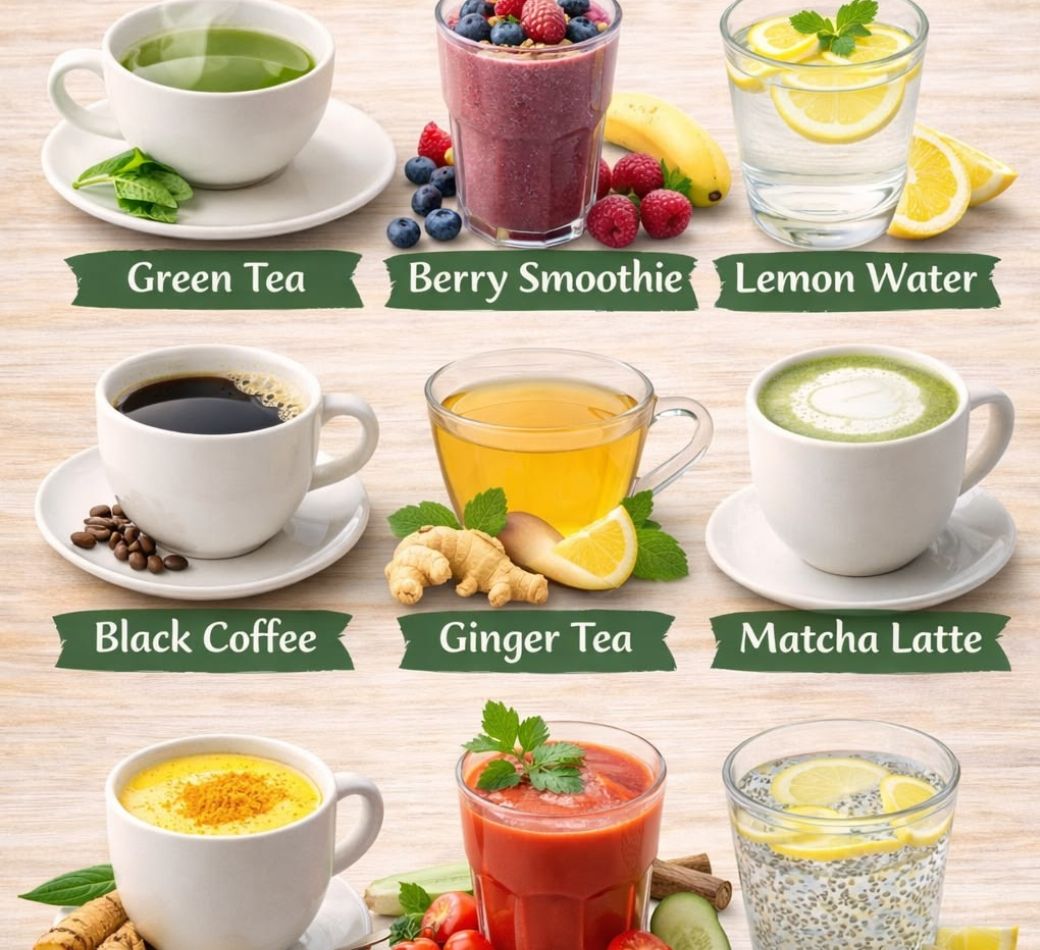
The right breakfast drink can do more than simply start your morning. It can help you hydrate, provide protein and other nutrients, support your daily energy needs, or give you a convenient alternative to a full breakfast.
However, not every morning beverage offers the same nutritional value. A sugary coffee drink may provide quick calories but little protein or fiber, while a Greek yogurt smoothie can deliver protein, fruit, and other nutrients in one glass. Plain water can also play an important role because your body needs adequate fluids to function normally.
This guide explores breakfast drinks, healthy morning beverages, coffee alternatives, protein smoothies, hydration drinks, and practical recipes. It also explains how to choose a morning drink based on your goals, caffeine tolerance, dietary needs, and available preparation time.
1. The Physiology of the First Sip

Your morning beverage does not need to follow a complicated formula. Instead, choose a drink that supports your immediate needs and fits the rest of your breakfast.
Hydration Comes First
Water provides one of the simplest ways to start your morning. Your body needs water for temperature regulation, joint lubrication, waste removal, and normal physical function. Dehydration can also affect thinking, mood, and digestion.
You do not need a special detox drink to hydrate effectively. Plain water works well for most people.
You can add lemon, lime, cucumber, or mint if you prefer more flavor.
Your Morning Drink Can Add Nutrients
A breakfast drink can also contribute protein, carbohydrates, fats, vitamins, minerals, and fiber.
For example:
- Greek yogurt adds protein and calcium.
- Milk or fortified soy milk can add protein and micronutrients.
- Fruit provides carbohydrates, fiber, and micronutrients.
- Chia seeds add fiber and fats.
- Nut butter adds fats and some protein.
- Unsweetened tea provides fluids without added sugar.
A drink does not automatically qualify as a complete breakfast. If you replace a meal with a beverage, build the drink around enough protein, calories, and other nutrients to match your needs.
Caffeine Can Support Morning Alertness
Coffee and tea can provide caffeine, which many people use to increase alertness in the morning. However, caffeine tolerance varies considerably between individuals.
The FDA cites 400 mg of caffeine per day as an amount that generally does not cause negative effects for most adults, although individual sensitivity, medications, medical conditions, and other factors can change that limit.
You should therefore consider your total daily caffeine intake instead of looking only at one cup.
2. The Breakfast Drink Matrix
Use the following table as a practical comparison rather than a clinical nutrition prescription. Exact calories, protein, caffeine, and sugar levels vary according to ingredients and serving sizes.
| Breakfast Drink | Calories | Protein Potential | Caffeine | Sugar Control | Prep Time |
|---|---|---|---|---|---|
| Plain water | Very low | None | None | Excellent | 1 min |
| Black coffee | Low | Low | High | Excellent if unsweetened | 5 min |
| Matcha latte | Low–moderate | Low–moderate | Moderate | Good when unsweetened | 5 min |
| Greek yogurt smoothie | Moderate–high | High | None | Good with whole fruit | 5–8 min |
| Protein smoothie | Moderate | High | None | Good with unsweetened ingredients | 5 min |
| Chia seed shake | Moderate | Moderate | None | Good with no added sugar | 5 min |
| Green juice | Low–moderate | Low | None | Depends on recipe | 5–10 min |
| Bone broth | Low–moderate | Moderate | None | Usually low sugar | 5–10 min |
How to Read the Matrix
Look beyond calories.
A 300-calorie drink can provide protein, fiber, and other nutrients, while another 300-calorie drink can contain mostly added sugar.
The Dietary Guidelines have highlighted sweetened beverages as an important source of added sugar and recommend choosing beverages with little or no added sugar more often.
3. Category Breakdown & Healthy Morning Drink Recipes
Different breakfast drinks serve different purposes. Choose your drink according to what you need that morning.
Hydration & Gut-Friendly Morning Drinks
Lemon-Ginger Water
Ingredients:
- 1 cup water
- 2–3 thin slices fresh ginger
- 1–2 lemon slices
- Ice, optional
Method:
- Add ginger and lemon to a glass.
- Pour in water.
- Let the drink sit for a few minutes.
- Add ice if you prefer it cold.
This drink mainly helps you increase your fluid intake. Lemon and ginger can add flavor, but you should not treat this drink as a proven detox treatment.
Apple Cider Vinegar Tonic
Ingredients:
- 8–12 oz water
- 1–2 teaspoons apple cider vinegar
- Optional lemon slice
Method:
- Add water to a glass.
- Add a small amount of apple cider vinegar.
- Stir thoroughly.
- Drink it rather than consuming vinegar straight.
Research has investigated vinegar’s effects on blood glucose and other metabolic markers, but the evidence does not justify treating apple cider vinegar as a cure-all. Reviews also note limitations in study quality and consistency.
Because vinegar contains acid, avoid drinking concentrated vinegar. If you have a medical condition, take medication, or experience digestive discomfort, discuss regular use with a healthcare professional.
Bone Broth
Warm bone broth can work as a savory morning option when you do not want a sweet beverage.
You can add:
- Cooked vegetables
- Herbs
- Black pepper
- A small amount of cooked grains
- Protein-rich ingredients
Check the nutrition label when you buy packaged bone broth because sodium and protein levels can vary significantly between products.
Sustained Energy & Focus
Black Coffee
Black coffee offers a simple morning caffeine option without added sugar.
Basic method:
- Brew your preferred coffee.
- Pour it into a cup.
- Drink it black or add a small amount of milk.
- Avoid adding large amounts of sugar or flavored syrup if you want to keep added sugar low.
Your personal caffeine tolerance matters more than following a rigid coffee schedule.
Matcha Latte
Matcha contains caffeine along with L-theanine and other bioactive compounds. Reviews describe matcha as a source of catechins, caffeine, theanine, and other compounds, although researchers still need more high-quality human studies to establish many of its proposed health effects.
Ingredients:
- 1 teaspoon matcha
- 2 tablespoons warm water
- ¾ cup milk or unsweetened soy milk
- Optional cinnamon
Method:
- Sift the matcha into a cup.
- Add warm water.
- Whisk until smooth and lightly frothy.
- Add warm or cold milk.
- Stir and serve.
Do not assume that matcha automatically provides a smoother or healthier caffeine experience for everyone. Your individual response still matters.
Mushroom Latte
You can make a mushroom-style latte with coffee or a caffeine-free base and a commercially prepared mushroom powder.
However, avoid making strong disease-prevention or treatment claims about mushroom beverages without specific clinical evidence for the product and dose.
Macronutrient & Muscle Support
High-Protein Greek Yogurt Smoothie
Ingredients:
- ¾ cup Greek yogurt
- ½ banana
- ½ cup berries
- ½ cup milk or fortified soy milk
- 1 tablespoon chia seeds
- Ice
Method:
- Add all ingredients to a blender.
- Blend until smooth.
- Add more milk if you want a thinner texture.
- Serve immediately.
This recipe combines protein, carbohydrates, fiber, and fluids. Active people may also benefit from paying attention to total daily protein intake. The International Society of Sports Nutrition has discussed approximately 1.4–2.0 g/kg/day as a range for many physically active individuals, although individual requirements vary.
Plant-Protein Breakfast Smoothie
Ingredients:
- 1 cup unsweetened soy milk
- 1 scoop plant protein powder
- ½ banana
- ½ cup berries
- 1 tablespoon peanut butter
- Ice
Method:
- Pour the soy milk into your blender.
- Add protein powder, fruit, and peanut butter.
- Add ice.
- Blend until smooth.
Check the nutrition label on your protein powder because products can vary in protein, sugar, calories, and added ingredients.
Chia Seed Breakfast Shake
Ingredients:
- 1 cup milk or fortified plant milk
- 1 tablespoon chia seeds
- ½ banana
- ½ cup berries
- Cinnamon to taste
Method:
- Blend the ingredients until smooth.
- Let the drink sit for several minutes if you prefer a thicker texture.
- Drink it as part of a balanced breakfast.
4. Coffee Alternatives for Morning Energy
You do not need to rely exclusively on coffee for a morning caffeine boost.
Consider:
- Matcha
- Green tea
- Black tea
- Yerba mate
- Decaffeinated coffee
- Caffeine-free herbal tea
Matcha and coffee both contain bioactive compounds, but they provide different flavor profiles and caffeine experiences. Current research continues to examine matcha’s potential effects, so you should avoid presenting it as a guaranteed health upgrade over coffee.
How to Reduce Your Caffeine Intake
If you want to reduce caffeine, make the change gradually.
You can:
- Replace one coffee with green tea.
- Mix regular coffee with decaf.
- Choose decaffeinated coffee.
- Switch to herbal tea.
- Keep track of how much caffeine you consume throughout the day.
This approach can help you find a routine that fits your tolerance.
5. How to Choose a Breakfast Drink
Your ideal morning beverage depends on your goal.
| Your Goal | Suitable Choice |
|---|---|
| Hydration | Water |
| Quick caffeine | Coffee |
| Coffee alternative | Matcha |
| Higher protein | Greek yogurt smoothie |
| Plant-based protein | Soy milk protein smoothie |
| Lower added sugar | Unsweetened tea or coffee |
| Savory breakfast | Bone broth |
| Quick preparation | Water, coffee, or tea |
| More calories and nutrients | Balanced smoothie |
For Workout Mornings
Choose a drink based on your workout timing and overall meal plan.
A protein smoothie can work well when you need a convenient source of protein and carbohydrates. However, you do not need a specialized beverage simply because you exercise.
For Busy Mornings
Prepare smoothie ingredients in advance.
You can portion:
- Frozen berries
- Banana
- Chia seeds
- Protein powder
- Spinach
- Nut butter
Store the portions appropriately and blend them when you need breakfast.
For Low-Sugar Mornings
Choose:
- Water
- Unsweetened coffee
- Unsweetened tea
- Unsweetened matcha
- Protein smoothies without added sugar
Read nutrition labels because flavored syrups, sweetened plant milks, juice, and other ingredients can quickly increase sugar content.
6. Practical Preparation & Equipment Guide
You do not need expensive equipment to make most breakfast drinks.
High-Speed Blender
A high-speed blender works well for:
- Protein smoothies
- Greek yogurt smoothies
- Chia shakes
- Frozen fruit drinks
- Green smoothies
It creates a smoother texture and handles frozen ingredients effectively.
Slow Juicer
A slow juicer works best when you specifically want fresh juice.
However, juicing removes much of the whole-food structure and fiber found in intact fruits and vegetables. A smoothie can therefore provide a different nutritional profile because it retains more of the ingredients.
Milk Frother
A milk frother works well for:
- Matcha lattes
- Coffee
- Hot chocolate
- Golden milk
It offers a simple way to improve texture without using a blender.
7. Batch Prep Strategies for Busy Mornings
You can save time by preparing ingredients before you need them.
Make Smoothie Packs
Place measured ingredients into freezer-safe containers or bags.
For example:
- ½ banana
- ½ cup berries
- 1 tablespoon chia seeds
- Spinach
- Protein powder
In the morning, add the contents to your blender with milk or water.
Prepare Drinks Safely
Keep perishable ingredients refrigerated and avoid leaving them at room temperature for extended periods. The USDA recommends refrigerating perishable food within two hours, or within one hour when temperatures exceed 90°F (32°C).
For prepared foods and leftovers, the USDA generally recommends using refrigerated leftovers within 3–4 days.
For smoothies, use your ingredients and storage conditions as the deciding factors rather than assuming every homemade drink has the same shelf life.
8. The Morning Beverage Decision Tree
Use this simple decision process:
Do you mainly need hydration?
→ Choose water.
Do you want caffeine?
→ Choose coffee, tea, or matcha.
Do you want a coffee alternative?
→ Try matcha or tea.
Do you need more protein?
→ Make a Greek yogurt or protein smoothie.
Do you want a low-sugar option?
→ Choose water or an unsweetened coffee or tea.
Do you need a more substantial breakfast?
→ Build a smoothie with protein, fruit or another carbohydrate source, and healthy fats, or pair your drink with solid food.
Do you avoid caffeine?
→ Choose water or a caffeine-free herbal beverage.
This approach works better than searching for one universally “best” breakfast drink.
9. What About Glycemic Impact?
People often describe breakfast drinks as “good” or “bad” based only on their effect on blood sugar. That approach oversimplifies nutrition.
A drink’s carbohydrate content, fiber, protein, fat, portion size, and the rest of the meal can influence how your body responds.
For example, a smoothie made primarily from fruit juice can deliver a large amount of rapidly available carbohydrate. A smoothie made with whole fruit, Greek yogurt, chia seeds, and unsweetened milk provides a different combination of nutrients.
You should also avoid claiming a specific glucose response unless you have actually measured it under controlled conditions.
About the Proposed CGM Study
Your original structure includes a “Morning Glycemic Response Study.” You should only publish this section as original research if you actually conducted the test, documented the participants, protocol, device, timing, ingredients, and limitations.
Otherwise, replace it with a literature-based explanation of glycemic response. This approach keeps your E-E-A-T claims accurate.
10. Common Breakfast Drink Mistakes
Adding Too Much Sugar
Large amounts of sugar from syrups, sweetened creamers, flavored milk, and juice can turn an otherwise simple drink into a high-sugar beverage.
Treating Drinks as Magic Health Solutions
No breakfast drink can compensate for an overall poor diet.
Avoid claims that a drink will “detox” your body, burn fat automatically, cure digestive problems, or prevent disease.
Drinking Too Much Caffeine
Track coffee, tea, energy drinks, pre-workout products, and other caffeine sources together. The FDA notes that individual sensitivity varies, even though it cites 400 mg per day as a general amount for most adults.
Replacing Every Meal With Smoothies
11. FAQs About Breakfast Drinks
What is the best drink to have first thing in the morning?
Water provides a simple first choice because your body needs adequate fluids for normal function. You can then choose coffee, tea, a smoothie, or another beverage based on your nutritional needs and preferences.
What is a healthy morning drink for energy?
Coffee and tea can provide caffeine, while a protein smoothie can provide calories, protein, and carbohydrates. Choose the option that matches your energy needs and caffeine tolerance.
What is the best high-protein breakfast drink?
A smoothie made with Greek yogurt, milk or soy milk, protein powder, or a combination of these ingredients can provide substantial protein. Your total daily protein needs matter more than choosing one specific drink.
What can I drink instead of coffee in the morning?
You can choose matcha, green tea, black tea, or decaffeinated coffee. Matcha contains caffeine and L-theanine along with other bioactive compounds.
Is apple cider vinegar a good breakfast drink?
You can dilute a small amount of apple cider vinegar in water if you enjoy the taste, but you should not treat it as a guaranteed health treatment. Research shows potential metabolic effects, but researchers still report limitations in the evidence.
Can I drink a smoothie instead of breakfast?
Yes, you can use a smoothie as part of breakfast or as a convenient meal when you build it with enough protein, calories, and other nutrients. Your individual nutritional needs determine whether it works as a complete meal.
Are breakfast drinks good for digestion?
Some drinks can provide fluids and ingredients such as fruit, yogurt, or chia seeds that contribute to your overall dietary pattern. However, no single beverage can guarantee better digestion or “cleanse” your digestive system.
Should I drink water or coffee first?
You can choose either based on your preferences. If you wake up thirsty, start with water. You can then enjoy coffee or tea according to your caffeine needs.
Conclusion
The best breakfast drinks do not follow one universal formula. Your ideal morning beverage depends on whether you need hydration, caffeine, protein, calories, convenience, or a lower-sugar option.
Start with water when you need hydration. Choose coffee or tea when you want caffeine. Build a Greek yogurt or protein smoothie when you need more protein and calories. Select unsweetened options when you want to limit added sugar.
Most importantly, look at the entire nutritional profile instead of judging a drink by one ingredient. A balanced breakfast routine can combine a nutritious beverage with whole foods to support your daily energy and nutrition needs.