

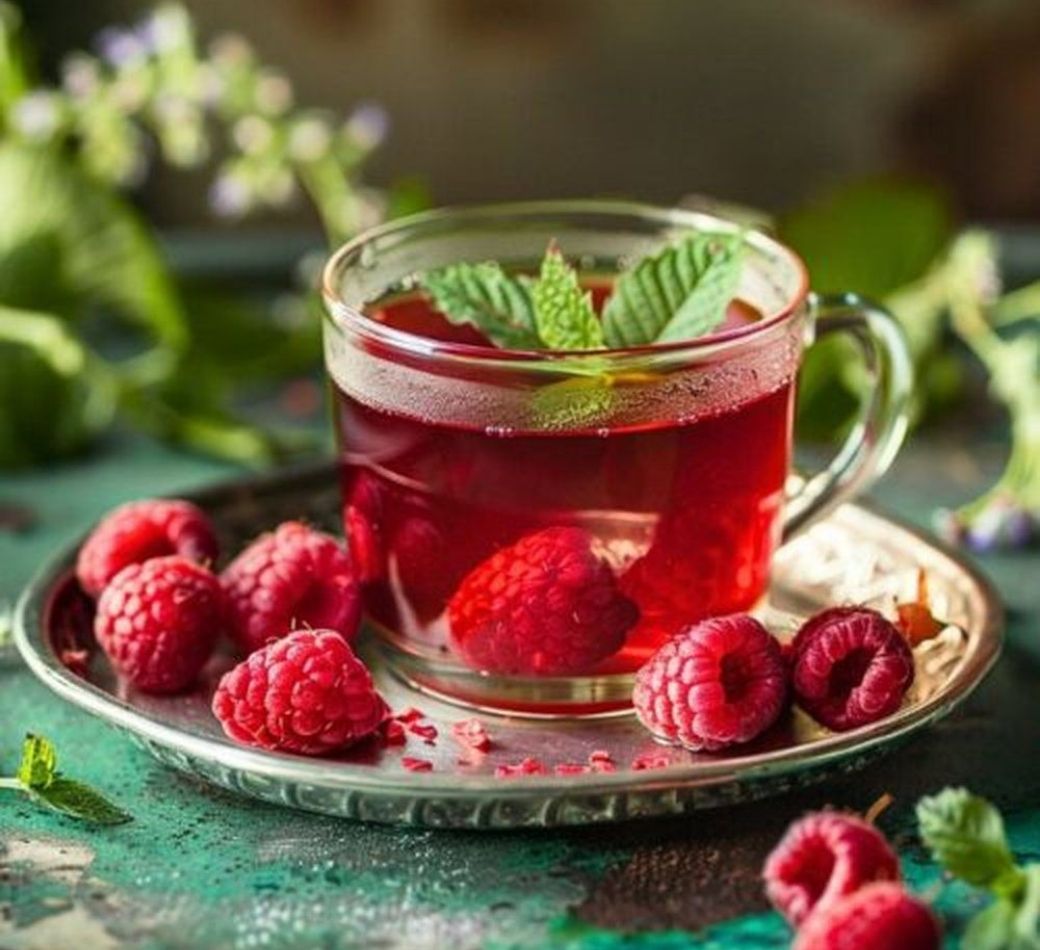
Red raspberry leaf tea has a long history as a traditional herbal drink, especially among people interested in menstrual health, pregnancy, labor preparation, and postpartum care. The tea comes from the leaves of th raspberry plant, Rubus idaeus L., rather than from the fruit.
Many people search for how to drink raspberry leaf tea because they want to know how to brew it, how much to drink, when to start during pregnancy, and whether it can actually help with labor.
The answer depends on why you want to drink it. Research supports some traditional uses, but evidence for pregnancy and labor benefits remains limited. The European Medicines Agency recognizes raspberry leaf preparations for traditional uses such as minor menstrual spasms, mild mouth or throat inflammation, and mild diarrhea, but it does not establish raspberry leaf tea as a proven labor-inducing treatment.
Important: If you are pregnant, talk with your obstetrician, midwife, or another qualified healthcare professional before adding raspberry leaf tea to your routine. Research has not established a universally safe pregnancy dose or starting week.
Quick Summary: How to Drink Raspberry Leaf Tea
- Use dried red raspberry leaf, not raspberry-flavored tea.
- Follow your tea package instructions because leaf quantity and preparation vary.
- Steep the leaves in hot water and cover the cup while they steep.
- You can drink the tea hot or chilled.
- Add lemon, ginger, honey, or another suitable ingredient if you dislike the earthy taste.
- Do not treat raspberry leaf tea as a proven way to induce labor.
- If you are pregnant, ask your healthcare professional about timing and amount before drinking it regularly.
- Stop using it and seek medical advice if you develop concerning symptoms.
What Is Red Raspberry Leaf Tea?
Red raspberry leaf tea comes from the dried leaves of the raspberry plant, botanically known as Rubus idaeus L. The plant belongs to the Rosaceae family.
Unlike raspberry fruit tea, red raspberry leaf tea does not necessarily taste like sweet raspberries. Instead, it usually produces an earthy, grassy, slightly astringent flavor.
The European Medicines Agency describes raspberry leaf preparations as dried or powdered raspberry leaves and dry extracts. Manufacturers can sell the plant material as herbal tea or use it in other herbal preparations.
Raspberry Leaf Tea vs. Raspberry-Flavored Tea
These products can look similar on a store shelf, but they serve different purposes.
| Feature | Red Raspberry Leaf Tea | Raspberry-Flavored Tea |
|---|---|---|
| Main ingredient | Raspberry leaf | Tea leaves or herbs with raspberry flavor |
| Botanical name | Rubus idaeus | Varies |
| Raspberry fruit required | No | Sometimes |
| Flavor | Earthy, grassy, mildly astringent | Usually fruity and sweet |
| Caffeine | Naturally caffeine-free when it contains only raspberry leaf | Depends on ingredients |
| Pregnancy considerations | Requires professional guidance | Depends on the complete ingredient list |
Always read the ingredient list instead of relying only on the product name.
What Does Raspberry Leaf Tea Taste Like?
Red raspberry leaf tea usually tastes earthy, herbal, grassy, and mildly astringent.
It does not taste like raspberry juice.
A stronger infusion can taste more tannic and dry. If you prefer a lighter flavor, reduce the amount of leaf or steep it for less time according to the product directions.
You can also serve it chilled. Lemon can add acidity, while a small amount of honey can soften the herbal flavor.
Raspberry Leaf Tea Benefits
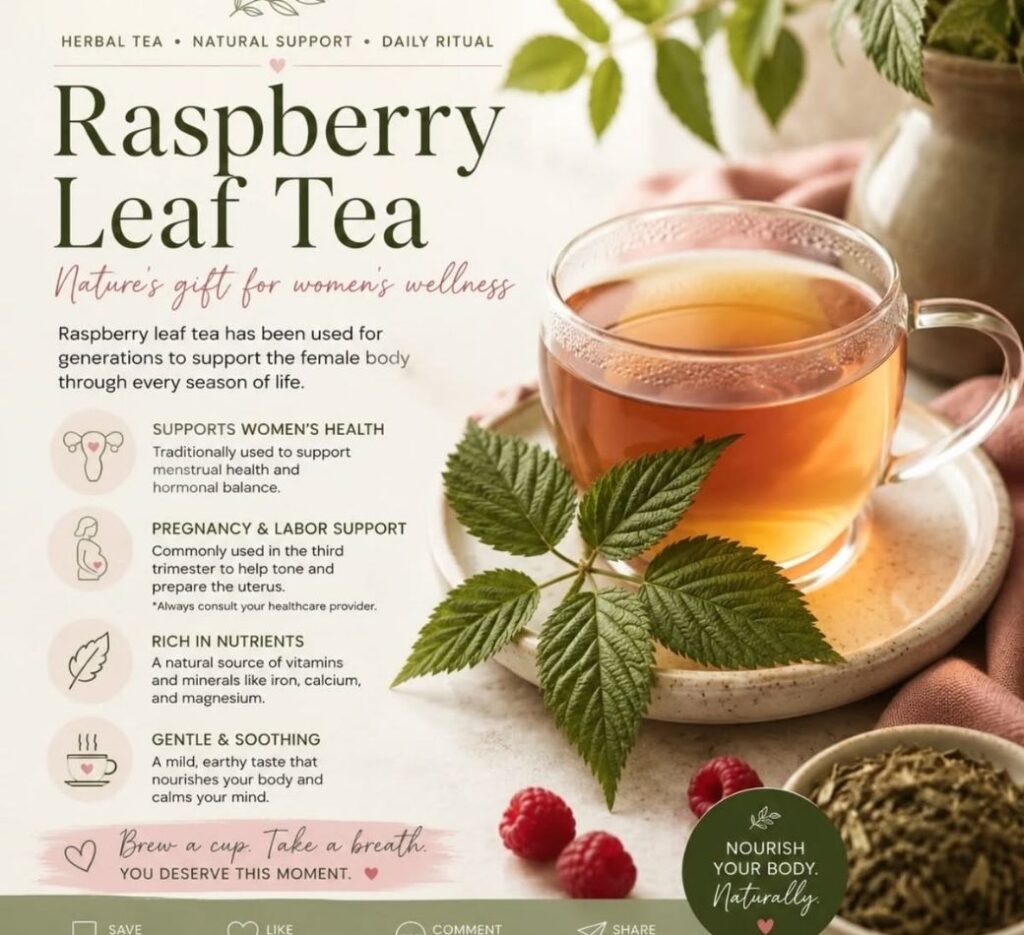
People traditionally use raspberry leaf for several purposes. However, you should separate traditional use from clinically proven benefits.
The European Medicines Agency supports certain raspberry leaf uses based mainly on long-standing traditional use rather than strong clinical trial evidence.
1. Traditional Menstrual Support
Raspberry leaf preparations have traditional use for minor menstrual spasms.
The EMA includes relief of minor menstrual spasms among its recognized traditional uses for raspberry leaf preparations. However, the agency notes that clinical evidence remains limited.
2. Traditional Digestive Use
Raspberry leaf also has traditional use for mild diarrhea.
This does not mean you should use raspberry leaf tea to treat persistent diarrhea. Contact a healthcare professional if symptoms become severe, last longer than expected, or cause signs of dehydration.
3. Traditional Mouth and Throat Use
The EMA also recognizes raspberry leaf preparations for traditional treatment of mild inflammation in the mouth or throat. The monograph describes an infusion used as a gargle for this purpose.
4. Pregnancy and Labor Support
Pregnancy represents the most popular modern reason people drink raspberry leaf tea.
Many people believe the herb can:
- prepare the uterus for labor
- shorten labor
- reduce the need for interventions
- improve uterine tone
- support postpartum recovery
However, research does not establish these effects strongly enough to call them proven benefits.
A systematic review of 13 studies found that the evidence for raspberry leaf during pregnancy remains weak. The review included laboratory, animal, and human research and concluded that researchers need more high-quality studies.
One randomized trial involving 192 low-risk first-time mothers found that raspberry leaf tablets taken from 32 weeks did not shorten the first stage of labor. The study did not identify adverse effects in mothers or babies, but its findings do not prove that raspberry leaf tea improves labor outcomes.
How to Drink Raspberry Leaf Tea
You can prepare raspberry leaf tea with a simple hot infusion. Follow your product’s instructions because different products contain different amounts and cuts of leaf.
Step 1: Choose Raspberry Leaf Tea
Look for a product that clearly identifies red raspberry leaf or Rubus idaeus leaf as an ingredient.
Avoid confusing raspberry leaf tea with:
- raspberry-flavored black tea
- raspberry green tea
- fruit tea
- sweetened raspberry drink mixes
If you want pure raspberry leaf tea, check the full ingredient list.
Step 2: Heat the Water
Bring fresh water to a boil.
Use clean drinking water and a clean cup or teapot.
Step 3: Add the Raspberry Leaves
Add the amount recommended on your tea package.
Do not assume that every raspberry leaf tea contains the same concentration.
The EMA’s herbal monograph gives specific quantities for certain medicinal preparations, but those instructions apply to the preparations and traditional indications covered by that monograph rather than establishing a universal daily dose for pregnancy.
Step 4: Cover and Steep
Pour the hot water over the leaves and cover the cup.
Let the tea steep according to the package instructions.
Covering the cup helps retain heat during infusion. You do not need to chase a particular steep time as a way to create a medically “stronger” dose.
Step 5: Strain and Drink
Strain loose leaves before drinking.
Let the tea cool to a comfortable temperature.
You can drink it plain or add a suitable flavoring ingredient.
Three Ways to Prepare Raspberry Leaf Tea
Hot Raspberry Leaf Tea
The traditional hot infusion provides the simplest preparation.
Basic method:
- Heat water.
- Add raspberry leaf.
- Cover the cup.
- Steep according to package directions.
- Strain.
- Drink warm.
Long-Infusion Raspberry Leaf Tea
Some herbal tea drinkers prefer a longer infusion because it produces a deeper flavor.
However, a longer steep does not automatically create a medically superior or safer preparation.
If you want a stronger-tasting tea, follow the manufacturer’s preparation instructions rather than creating your own therapeutic dose.
Iced Raspberry Leaf Tea
You can also drink raspberry leaf tea cold.
Prepare the tea as a hot infusion first, allow it to cool, and then refrigerate it.
Serve it over ice with:
- lemon slices
- fresh mint
- a small amount of honey
- ginger
This method can make the earthy flavor easier to enjoy.
When Should You Start Drinking Raspberry Leaf Tea During Pregnancy?
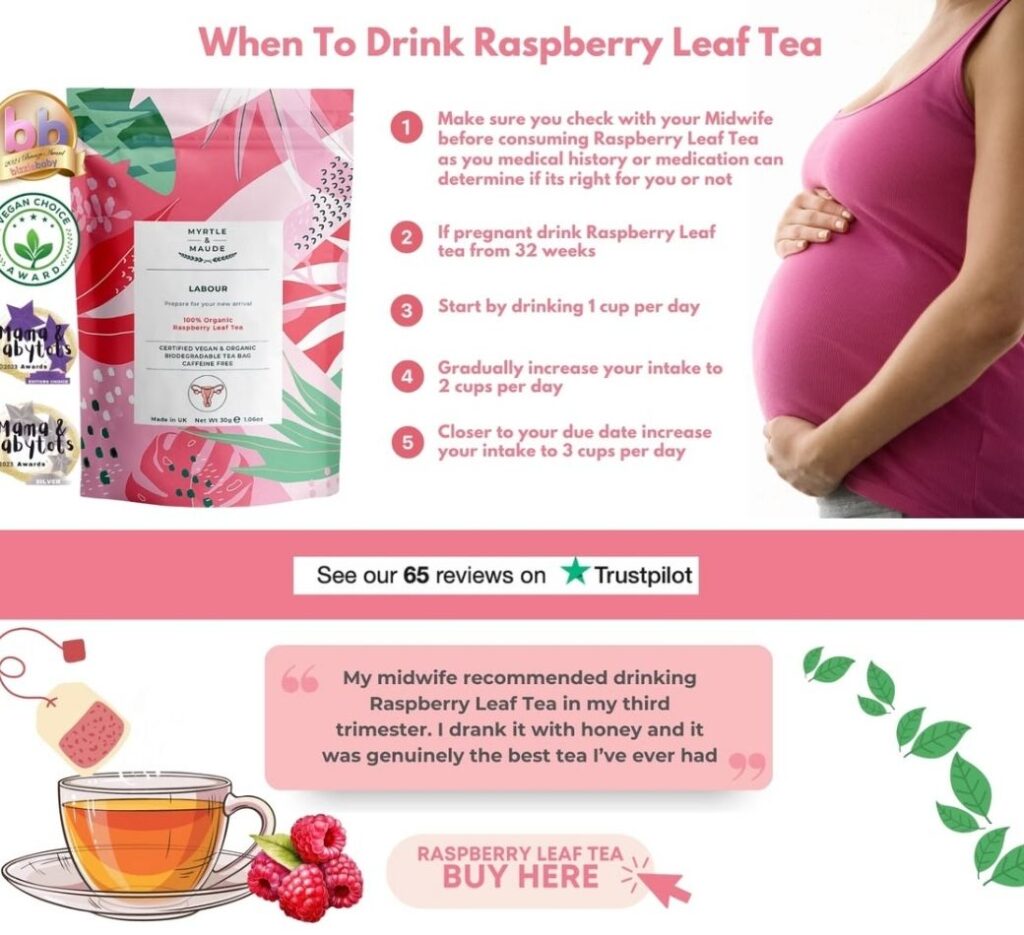
This question requires particular caution.
You may find recommendations online that suggest starting raspberry leaf tea at:
- 28 weeks
- 32 weeks
- 34 weeks
- 36 weeks
- 37 weeks
However, researchers have not established one universally accepted starting week or dosage.
The evidence remains limited, and pregnancy studies have used different preparations and amounts. A systematic review concluded that the evidence supporting raspberry leaf during pregnancy remains weak.
The EMA assessment also highlighted limited pregnancy safety data and recommended medical supervision rather than self-medication.
Raspberry Leaf Tea Pregnancy Timeline
| Pregnancy stage | General guidance |
|---|---|
| Weeks 0–12 | Do not start it without professional advice. |
| Weeks 13–27 | Ask your maternity care provider before using it. |
| Weeks 28–31 | No universal evidence-based dose exists. |
| Weeks 32–36 | Some studies have examined use during this period, but research does not establish a standard recommendation. |
| Week 37+ | Do not assume the tea will safely induce labor. Discuss continued use with your provider. |
| Postpartum | Ask your healthcare professional before regular use, especially while breastfeeding. |
Important: This table provides a safety framework, not a pregnancy prescription.
How Much Raspberry Leaf Tea Should You Drink?
There is no universally established daily dosage of raspberry leaf tea for pregnancy.
Some online sources recommend one cup and gradually increase the amount to three or four cups. You should not treat those schedules as medically established dosing protocols.
A clinical trial studied raspberry leaf tablets, not ordinary tea, at 2 × 1.2 g per day from 32 weeks until labor. The researchers did not find that the treatment shortened the first stage of labor.
That distinction matters because tea, tablets, extracts, and concentrated preparations can deliver different amounts of plant compounds.
For general non-pregnancy use, follow the product label or advice from a qualified healthcare professional.
For pregnancy, ask your obstetrician or midwife before choosing an amount.
Can Raspberry Leaf Tea Induce Labor?
Current evidence does not show that raspberry leaf tea reliably induces labor.
People often associate the herb with uterine preparation because laboratory research has found effects on smooth muscle. However, laboratory findings do not automatically translate into a predictable effect during human pregnancy.
The systematic review found that human evidence does not establish a clear benefit for labor or birth outcomes.
Therefore, do not use raspberry leaf tea as a substitute for medical methods of labor induction.
Raspberry Leaf Tea Side Effects and Precautions
Most people tolerate raspberry leaf preparations without major problems, but researchers have not studied pregnancy safety extensively enough to call them risk-free.
The EMA assessment found limited pregnancy data and emphasized the small number and short duration of clinical studies.
Possible concerns can include:
- nausea
- vomiting
- diarrhea
- constipation
- changes in blood pressure
- allergic reactions or individual intolerance
Pregnancy-related research has not established a clear pattern of serious harm, but the available evidence remains too limited to remove uncertainty.
Who Should Avoid or Discuss It With a Professional First?
Talk with a healthcare professional before drinking raspberry leaf tea if you:
- are pregnant
- are breastfeeding
- take regular medications
- have a medical condition
- have experienced pregnancy complications
- have been advised to avoid herbs that may affect smooth muscle
- plan to use concentrated raspberry leaf extracts or supplements
Do not use raspberry leaf tea to manage a medical condition without appropriate medical advice.
Raspberry Leaf Tea and Breastfeeding
Researchers have not established enough evidence to confirm the safety or benefits of raspberry leaf during breastfeeding.
The EMA assessment specifically noted a lack of adequate information about raspberry leaf use during lactation.
If you breastfeed and want to drink raspberry leaf tea regularly, discuss the product and amount with your healthcare professional.
How to Choose Quality Raspberry Leaf Tea
Good sourcing matters because herbal products can contain different ingredients and concentrations.
Check the Ingredient List
Look for:
Red raspberry leaf — Rubus idaeus
Be cautious when the product mainly lists:
- artificial raspberry flavor
- natural raspberry flavor
- black tea
- green tea
- hibiscus
- sweeteners
- multiple undisclosed herbal blends
A blend does not automatically mean a poor product. However, you should know exactly what you plan to drink.
Choose a Reputable Manufacturer
Look for companies that clearly provide:
- complete ingredient lists
- preparation instructions
- lot or batch information
- contact information
- quality-control information
Avoid products that make dramatic medical claims such as “guarantees an easy labor” or “opens the cervix naturally.”
How to Make Raspberry Leaf Tea Taste Better
If you find the flavor too earthy, try these simple options.
Add Lemon
Lemon adds acidity and can make the tea taste fresher.
Add Honey
Honey can soften the tea’s natural bitterness and astringency.
Add Ginger
A small amount of ginger can create a warmer, spicier flavor.
Serve It Cold
Prepare the tea, cool it, refrigerate it, and pour it over ice.
Mix With Other Herbs Carefully
If you add another herb, check its safety separately, especially during pregnancy. A “natural” ingredient does not automatically qualify as pregnancy-safe.
Raspberry Leaf Tea vs. Raspberry Tea
People often confuse these two drinks.
| Raspberry Leaf Tea | Raspberry Tea |
|---|---|
| Uses raspberry leaves | Often uses raspberry fruit or flavor |
| Usually earthy and herbal | Usually fruity |
| Naturally caffeine-free when pure | May contain caffeine |
| Often marketed for traditional herbal use | Usually marketed as a flavored beverage |
| Uses Rubus idaeus leaves | Ingredients vary |
Always read the label before purchasing.
What the Research Actually Says
A systematic integrative review examined 13 studies and found evidence of biological effects in laboratory and animal research, but human studies did not establish clear benefits or harm. The researchers called for better-quality research.
The EMA also bases several recognized uses on traditional use rather than strong clinical trials.
That distinction helps you avoid two common mistakes:
Mistake 1: Saying raspberry leaf tea definitely works.
Mistake 2: Saying raspberry leaf tea definitely has no effect.
The evidence currently supports a more careful conclusion: researchers need more high-quality human studies before they can make strong claims, particularly about pregnancy and labor.
Frequently Asked Questions
Can you drink red raspberry leaf tea cold over ice?
Yes. You can prepare raspberry leaf tea as a hot infusion, cool it, refrigerate it, and serve it over ice. Cooling the tea does not turn it into raspberry-flavored fruit tea.
What does raspberry leaf tea taste like?
Raspberry leaf tea usually tastes earthy, grassy, and mildly astringent. It does not usually taste like sweet raspberries.
How many cups of raspberry leaf tea can you drink during pregnancy?
Researchers have not established a universal pregnancy dose. Talk with your obstetrician or midwife before drinking it regularly during pregnancy.
When should you start drinking red raspberry leaf tea during pregnancy?
No universally accepted starting week exists. Some clinical research has examined raspberry leaf from 32 weeks, but that research does not establish a general recommendation for all pregnant people.
Can raspberry leaf tea induce labor?
Current evidence does not show that raspberry leaf tea reliably induces labor. Do not use it as a substitute for medically indicated induction methods.
Can men drink raspberry leaf tea?
Yes. Raspberry leaf tea does not specifically require female reproductive biology for consumption. However, people should consider their individual health conditions, medications, and reason for use.
Can non-pregnant women drink raspberry leaf tea?
Adults can use raspberry leaf preparations for certain traditional purposes. The EMA recognizes traditional use for minor menstrual spasms, mild mouth or throat inflammation, and mild diarrhea.
Is raspberry leaf tea the same as raspberry-flavored tea?
No. Raspberry leaf tea uses raspberry leaves, while raspberry-flavored tea can contain other tea leaves, herbs, fruit, or added flavoring.
Does raspberry leaf tea contain caffeine?
Pure raspberry leaf tea naturally contains no caffeine because raspberry leaves do not contain the caffeine found in tea from Camellia sinensis. However, blended products can contain caffeine if they include black, green, or other caffeinated tea leaves.
Can you drink raspberry leaf tea every day?
You can find traditional preparations for raspberry leaf, but the appropriate frequency depends on why you use it and which preparation you choose. Follow the product directions, and ask a healthcare professional before regular use during pregnancy or breastfeeding.
Conclusion
Raspberry leaf tea offers a simple herbal infusion with a distinctive earthy flavor and a long history of traditional use. You can prepare it as a hot tea or chill it for an iced drink.
However, you should approach its popular pregnancy claims carefully. Research has not established raspberry leaf tea as a reliable way to induce labor, shorten labor, or guarantee an easier birth. Studies remain limited, and researchers still need stronger human evidence.
If you want to learn how to drink raspberry leaf tea, start with a reputable product, follow its preparation instructions, and avoid assuming that a stronger tea provides greater health benefits.
Most importantly, talk with your healthcare professional before using raspberry leaf tea during pregnancy or breastfeeding. This approach lets you balance traditional use with the current evidence and your individual health needs.