
Introduction
Germany is famous for its beer culture, Oktoberfest, and centuries-old brewing traditions. However, enjoying alcohol in Germany also means understanding the country’s drinking laws. Whether you are a tourist, student, or resident, knowing the legal drinking age, public drinking rules, and drink-driving limits can help you avoid fines and stay safe.
This guide explains Germany’s alcohol laws in simple English. You will learn who can legally buy and drink alcohol, where drinking is allowed, and the rules every visitor should know before ordering a beer or other alcoholic drink.
Table of Contents
- What Are the Drinking Laws in Germany?
- Legal Drinking Age in Germany
- Alcohol Purchase Laws
- Types of Alcohol and Age Requirements
- Can Minors Drink Alcohol?
- Public Drinking Laws
- Drinking on Public Transport
- Drinking at Festivals and Events
- Responsible Drinking Tips
- FAQs
- Conclusion
Quick Answer (Featured Snippet)
Germany has different legal drinking ages depending on the type of alcohol. Beer and wine are generally allowed from age 16, while spirits and other distilled alcoholic drinks require a minimum age of 18. Public drinking is usually legal unless local authorities restrict it, but strict drink-driving laws apply throughout the country.
What Are the Drinking Laws in Germany?

Germany has some of Europe’s most well-known alcohol laws. Unlike many countries that use one legal drinking age for every alcoholic beverage, Germany uses different age limits depending on the drink.
The law also balances personal freedom with public safety. People can often drink alcohol in public places, but they must still follow rules related to driving, public behavior, and local regulations.
The main goals of Germany’s drinking laws are to:
- Protect children and teenagers
- Promote responsible alcohol consumption
- Reduce alcohol-related accidents
- Support public safety
- Prevent underage alcohol sales
Legal Drinking Age in Germany
One of the most common questions is:
What is the legal drinking age in Germany?
The answer depends on the type of alcoholic drink.
| Alcohol Type | Minimum Age |
|---|---|
| Beer | 16 years |
| Wine | 16 years |
| Sparkling Wine | 16 years |
| Distilled Spirits (Vodka, Whiskey, Rum, Gin) | 18 years |
| Mixed Drinks Containing Spirits | 18 years |
This system allows older teenagers to consume lower-alcohol beverages earlier while restricting access to stronger alcoholic drinks until adulthood.
Why Does Germany Have Two Drinking Ages?
Germany has followed this system for many years.
Lawmakers believe beverages like beer and wine carry a lower alcohol concentration than distilled spirits. As a result, the law treats them differently.
However, drinking responsibly remains important regardless of age.
Alcohol Purchase Laws in Germany
Buying alcohol is straightforward if you meet the legal age requirements.
Alcohol is available in:
- Supermarkets
- Convenience stores
- Beverage markets
- Restaurants
- Bars
- Cafés
- Hotels
- Festivals
- Airports
Most stores ask for identification if they believe a customer looks under the legal age.
Accepted identification usually includes:
- Passport
- National ID card
- Driver’s license (where accepted)
Carrying valid identification is especially important for tourists.
Types of Alcohol and Their Legal Age
Beer
Beer is Germany’s most famous alcoholic beverage.
People who are at least 16 years old can generally buy and drink beer.
Germany produces hundreds of beer styles, including:
- Pilsner
- Wheat Beer
- Lager
- Bock
- Kölsch
- Altbier
Beer remains one of the country’s most popular drinks.
Wine
Wine follows the same legal age as beer.
Young people aged 16 and older may legally purchase and drink wine in most situations.
Germany is also famous for wine regions such as:
- Mosel
- Rhine Valley
- Rheingau
- Pfalz
These regions attract millions of visitors each year.
Sparkling Wine
Sparkling wine is treated similarly to regular wine under German law.
If it does not contain distilled spirits, the minimum age is generally 16.
Spirits
Spirits include beverages such as:
- Vodka
- Gin
- Whiskey
- Rum
- Tequila
- Brandy
- Schnapps
These drinks have higher alcohol content.
The legal minimum age is 18 years.
Mixed Alcoholic Drinks
Many cocktails contain distilled spirits.
Examples include:
- Mojito
- Margarita
- Long Island Iced Tea
- Whiskey Cola
- Rum and Coke
Because they contain spirits, buyers must generally be at least 18 years old.
Can Minors Drink Alcohol in Germany?
Germany has one special exception.
Children aged 14 or 15 may sometimes drink beer or wine only when accompanied by a parent or legal guardian, and only under specific legal conditions.
This exception does not apply to spirits.
Strong alcoholic drinks remain illegal for anyone under 18.
Public Drinking Laws in Germany
Many visitors are surprised to learn that public drinking is generally legal in Germany.
People often enjoy alcoholic beverages in:
- Parks
- Streets
- Riverbanks
- Outdoor festivals
- Public squares
- Picnic areas
Unlike some countries, simply holding an open beer bottle in public is usually not against the law.
However, local authorities may introduce restrictions during:
- Sporting events
- Large festivals
- Public demonstrations
- High-risk areas
- Certain train stations
Always check local signs before drinking in public places.
IS Public Drunkenness Illegal?
Drinking alcohol itself is usually legal.
However, becoming heavily intoxicated can create legal problems if someone:
- Disturbs public order
- Damages property
- Starts fights
- Threatens others
- Creates safety risks
Police can intervene when public safety becomes a concern.
Responsible drinking is always the safest choice.
Drinking on Public Transport
Germany generally allows passengers to drink alcohol on many trains and local transport systems.
However, some transport operators have introduced alcohol bans on specific routes.
Examples may include:
- Late-night trains
- Football match services
- Certain regional rail operators
Passengers should follow posted rules before opening alcoholic beverages.
Drinking at Festivals and Events
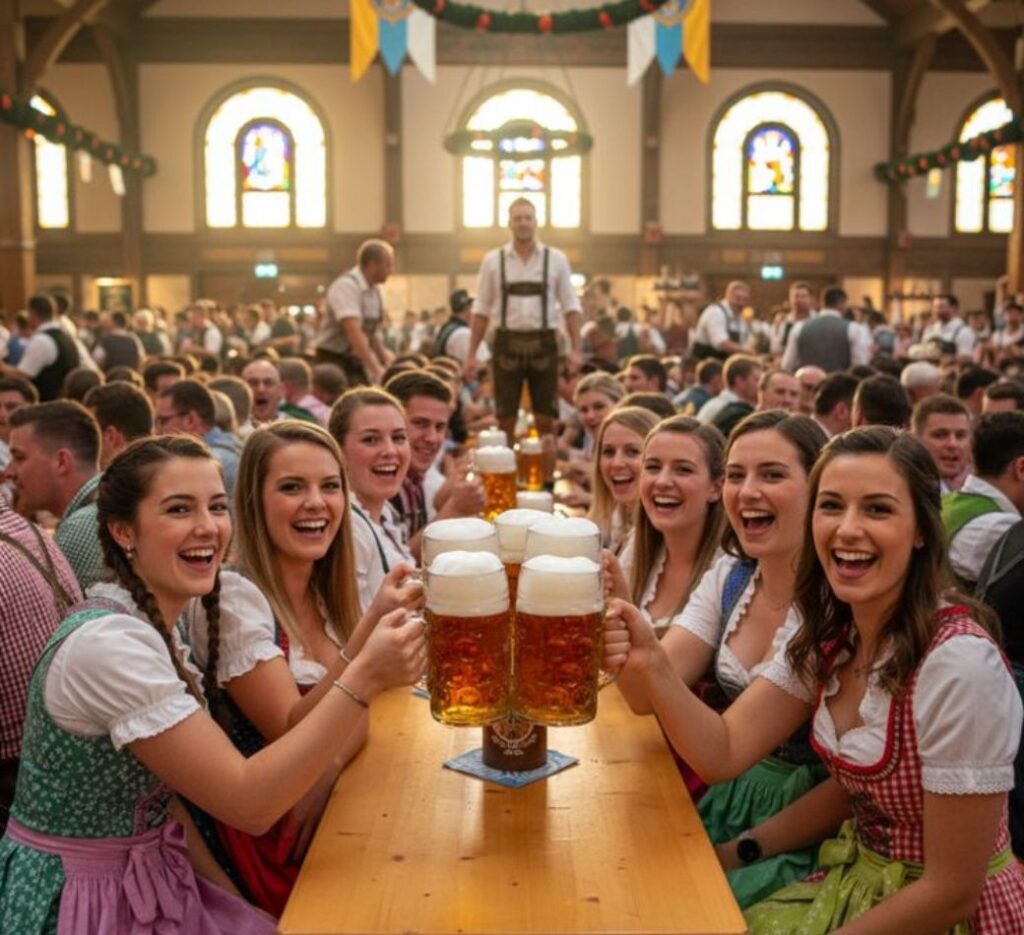
Germany hosts many famous festivals where alcohol is part of the celebration.
Popular events include:
- Oktoberfest
- Christmas Markets
- Beer Festivals
- Wine Festivals
- Local Village Festivals
Although alcohol is widely available, organizers still check identification for younger visitors.
Security staff may also refuse entry to people who appear dangerously intoxicated.
Expert Tips for Visitors
If you plan to drink alcohol while visiting Germany:
- Carry your passport or ID.
- Know the legal age for your drink.
- Drink water between alcoholic beverages.
- Eat before drinking.
- Use public transport if drinking.
- Respect local rules.
- Avoid disturbing other people.
- Never drink before driving.
Drinking and Driving Laws in Germany
Driving after drinking alcohol is one of the most heavily regulated areas of German law. Even though Germany is known for its beer culture, authorities take impaired driving very seriously. Police regularly conduct roadside checks, especially during holidays, festivals, and weekends.
If you plan to drink alcohol, the safest choice is to avoid driving altogether.
What Is the Legal Blood Alcohol Limit?
Germany uses Blood Alcohol Concentration (BAC) limits to determine whether a driver is legally impaired.
| Driver Category | BAC Limit |
|---|---|
| Drivers under 21 | 0.00% |
| New drivers (probation period) | 0.00% |
| Experienced drivers | 0.05% |
| Serious impairment or dangerous driving | Lower limits may still result in penalties |
Even if your BAC is below 0.05%, you can still face legal action if alcohol affects your ability to drive safely or contributes to an accident.
Penalties for Breaking Germany’s Drinking Laws
The consequences depend on the violation and its seriousness.
Possible penalties include:
- Fines
- Penalty points on your driving record
- Temporary driving bans
- Driver’s license suspension
- Mandatory driving courses
- Criminal charges in serious cases
For businesses, selling alcohol to underage customers can also result in fines or other legal consequences.
Alcohol Rules for Tourists
Germany welcomes millions of visitors every year. Tourists can legally enjoy alcoholic beverages if they meet the country’s age requirements.
Before drinking, remember these tips:
- Carry a valid passport or photo ID.
- Follow the legal age for the type of drink you order.
- Respect local rules during festivals or public events.
- Drink responsibly.
- Avoid driving after consuming alcohol.
Knowing the law helps you enjoy your trip without unnecessary problems.
Drinking During Oktoberfest
Oktoberfest is one of Germany’s most famous events and attracts visitors from around the world.
While alcohol is widely available, the same legal rules still apply:
- Beer may only be served to people who meet the legal age requirement.
- Security staff may refuse service to intoxicated individuals.
- Public safety rules remain in effect throughout the festival.
Enjoying the event responsibly makes the experience safer and more enjoyable for everyone.
Germany vs Other Countries
| Country | Beer & Wine Age | Spirits Age | Public Drinking |
|---|---|---|---|
| Germany | 16 | 18 | Generally allowed |
| United States | 21 | 21 | Often restricted by local laws |
| United Kingdom | 18 | 18 | Local rules apply |
| France | 18 | 18 | Generally permitted with local restrictions |
This comparison shows why Germany is often viewed as having more flexible alcohol laws, while still maintaining strict rules for public safety and driving.
Pros and Cons of Germany’s Drinking Laws
Pros
- Clear age categories for different alcoholic drinks.
- Public drinking is generally permitted.
- Strong focus on road safety.
- Well-established enforcement of age restrictions.
- Supports responsible alcohol consumption.
Cons
- Different age limits can confuse tourists.
- Local public drinking restrictions vary by city.
- Strict drink-driving penalties can surprise visitors unfamiliar with German law.
Common Mistakes Visitors Should Avoid
Many first-time visitors accidentally break local rules because they assume Germany’s alcohol laws are the same as those in their home country.
Avoid these common mistakes:
- Assuming every alcoholic drink has the same legal age.
- Forgetting to carry identification.
- Drinking before driving.
- Ignoring local signs that prohibit alcohol in specific areas.
- Assuming public drinking is allowed everywhere without exceptions.
Expert Tips
If you plan to enjoy alcohol in Germany:
- Check your age eligibility before ordering.
- Stay hydrated by drinking water between alcoholic beverages.
- Eat a meal before drinking.
- Use taxis or public transportation if you drink.
- Respect local customs and public spaces.
- Learn a few basic German phrases if ordering drinks in smaller towns.
- Know your limits and avoid excessive alcohol consumption.
Responsible drinking protects both your safety and the safety of others.
Key Takeaways
- Germany has different legal drinking ages depending on the type of alcohol.
- Beer and wine are generally available from age 16.
- Distilled spirits require a minimum age of 18.
- Public drinking is usually legal unless local rules state otherwise.
- Drink-driving laws are strict, and penalties can be severe.
- Tourists should always carry identification and drink responsibly.
Frequently Asked Questions (FAQs)
1. What is the legal drinking age in Germany?
Beer and wine are generally allowed from age 16, while spirits and other distilled alcoholic drinks require a minimum age of 18.Can someone under 18 buy vodka?
2. Can tourists drink alcohol in Germany?
Yes. Tourists can legally buy and consume alcohol if they meet Germany’s minimum age requirements and follow local laws.
3. Is public drinking legal in Germany?
In many places, yes. However, some cities, transport systems, and special events may have local restrictions.
4. Can a 16-year-old buy beer in Germany?
Yes. German law generally allows people aged 16 and older to buy and consume beer and wine.
Can someone under 18 buy vodka?
No. Distilled spirits such as vodka, whiskey, rum, and gin generally require the buyer to be at least 18 years old.
6. Is drinking on trains allowed?
Some rail services allow alcohol, while others have restrictions. Always check the operator’s rules before drinking onboard.
7. What happens if a store sells alcohol to someone underage?
Businesses may face fines or other legal consequences for violating youth protection laws.
8. Should I drive after drinking in Germany?
No. Even small amounts of alcohol can affect driving ability. The safest option is to avoid driving after drinking.
Conclusion
Germany’s drinking laws strike a balance between cultural traditions and public safety. The country allows beer and wine at a younger age than many other nations while keeping stricter rules for spirits and impaired driving. Visitors and residents alike should understand the legal drinking ages, respect local regulations, and make responsible decisions when consuming alcohol.
Whether you are exploring Berlin, attending Oktoberfest, or enjoying a quiet evening in a small Bavarian town, following Germany’s alcohol laws will help you stay safe and make the most of your experience.