

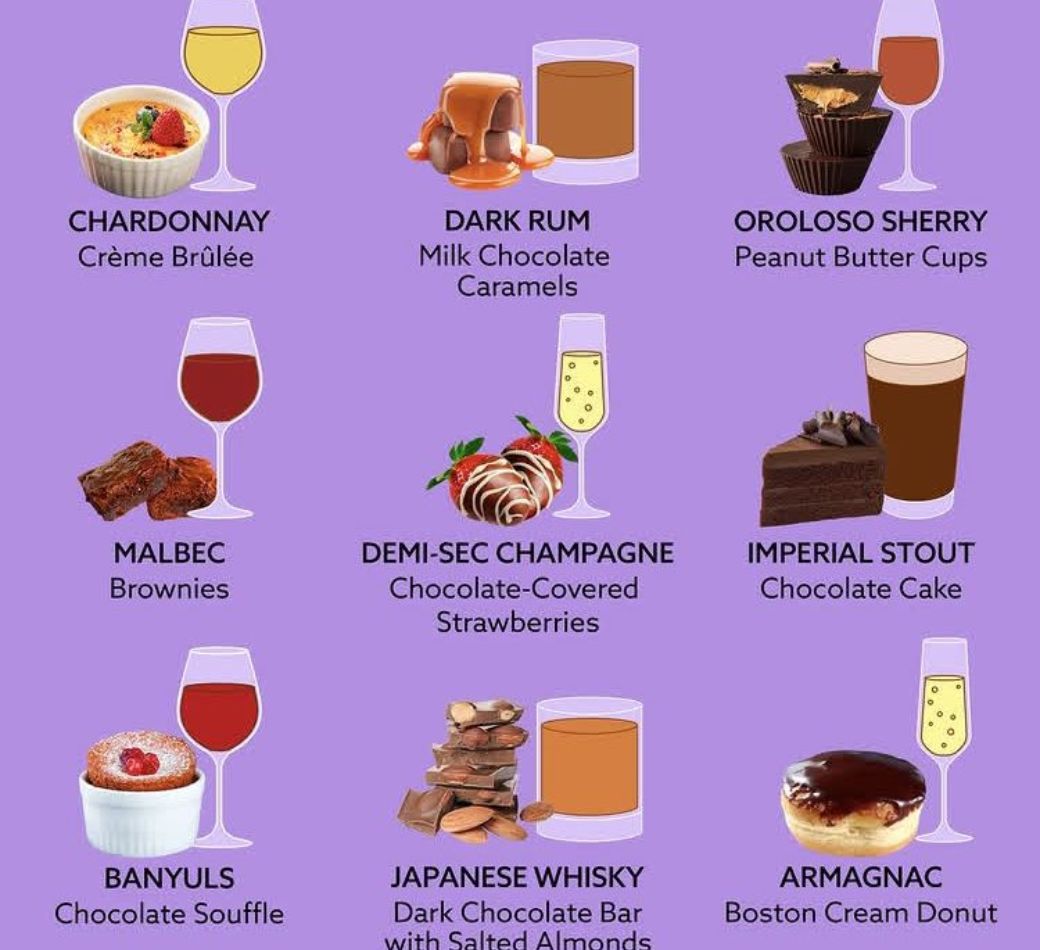
Food and drink pairing goes far beyond the old rule of serving red wine with meat and white wine with fish. Great pairings work because the food and beverage share, complement, or deliberately contrast key characteristics such as acidity, sweetness, bitterness, richness, saltiness, spice, and umami.
A thoughtful food and drink pairing guide should help you understand why two flavors work together rather than simply give you a list of rules to memorize.
You can approach pairing as both a science and an art. Science helps you understand how acidity cuts through richness, how sweetness softens spice, and how carbonation refreshes the palate. Art helps you decide when to create harmony, when to create contrast, and when to introduce an unexpected flavor bridge.
This guide combines those principles into a practical system you can use with wine, beer, spirits, cocktails, tea, and non-alcoholic beverages.
1. The Core Science of Flavor Perception
Before you choose a beverage, analyze the structure of the food. Every dish carries several sensory characteristics, and each characteristic influences how a drink tastes beside it.
Structural Components: Acid, Salt, Fat, Sweet, and Umami
Acidity creates brightness and can make rich foods feel lighter. Lemon juice, vinegar, fermented vegetables, citrus fruits, and acidic beverages all contribute this quality.
Fat creates weight and richness. Butter, cream, cheese, fatty meats, nuts, and fried foods can leave a coating sensation across the palate. An acidic or tannic beverage can provide contrast and help refresh the mouth.
Sweetness can balance heat, bitterness, and aggressive acidity. However, the beverage usually needs enough sweetness to stand alongside a sweet dish. Otherwise, the drink may taste thin or excessively bitter.
Salt can amplify certain flavors and make a beverage appear more expressive. Salty foods often pair well with beverages that provide refreshing acidity, bitterness, carbonation, or sweetness.
Umami creates savory depth. You find it in mushrooms, aged cheese, soy sauce, tomatoes, broths, seaweed, and many slow-cooked foods. Umami can interact strongly with beverages, so you should consider both intensity and acidity when building the pairing.
How Alcohol Perception Alters Flavor
Alcohol can change how you perceive a dish. Higher alcohol levels can create warmth and intensify the sensation of spicy foods, particularly when the dish contains capsaicin.
This explains why a high-alcohol drink can make an already-hot dish feel even hotter.
Sweetness offers a different effect. A sufficiently sweet beverage can soften the perceived intensity of chili heat, which makes sweeter drinks useful when you want to moderate spice.
You should therefore evaluate alcohol level, sweetness, acidity, and spice together rather than treat alcohol as an isolated characteristic.
2. The 5-Point Structural Pairing Matrix
You can simplify complex culinary flavor profiles with a five-point scoring system.
Score both your dish and your beverage from 1 to 5 for:
| Characteristic | 1 | 3 | 5 |
|---|---|---|---|
| Acidity | Very low | Moderate | Very high |
| Intensity | Delicate | Medium | Powerful |
| Fat/Richness | Light | Moderate | Very rich |
| Sweetness | Dry | Moderately sweet | Very sweet |
| Tannin/Astringency | Minimal | Moderate | Strong |
The system does not replace judgment. Instead, it gives you a consistent starting point.
Scoring Your Dish
Start by scoring the food.
For example, imagine a dish containing crispy pork belly, a rich sauce, pickled vegetables, and fresh herbs.
You might score it approximately as:
- Acidity: 2
- Intensity: 4
- Fat/Richness: 5
- Sweetness: 2
- Tannin/Astringency: 1
The dish carries substantial richness and intensity but relatively little acidity.
That information immediately suggests several useful directions.
Selecting the Counter-Balance Beverage
Now select a beverage that addresses the dish’s dominant characteristics.
A rich dish often benefits from acidity, carbonation, tannin, or another refreshing structural element. A very spicy dish may benefit from sweetness and lower alcohol. A delicate dish usually needs a delicate beverage so that the drink does not overpower the food.
You can use this simple rule:
Match intensity, then balance structure.
For example, a rich dish with a score of 5 for fat does not automatically need a powerful drink. It needs a beverage with enough structure to refresh the palate without overwhelming the food.
You can also use contrast deliberately. A creamy dish paired with a bright, acidic drink creates a sharper sensory contrast than a creamy dish paired with another rich beverage.
This distinction separates structural pairing from simple flavor matching.
3. Wine, Beer, and Spirits: Category-Specific Pairing Frameworks
Different beverage categories provide different structural tools. Wine brings acidity and tannin, beer adds carbonation and bitterness, and spirits often introduce concentrated flavors and higher alcohol.
Wine and Acid/Tannin Integration
Acidity represents one of wine’s most useful pairing characteristics.
High-acid wines can complement rich foods because the acidity creates contrast against the food’s richness. This principle works particularly well with creamy sauces, fried foods, oily fish, and rich poultry dishes.
Tannin behaves differently. Tannins create a drying sensation and can work particularly well with fatty foods. Protein and fat can soften the perception of tannin, while the wine’s structure provides contrast.
This explains why tannic wines often work well with fatty red meats.
You should also consider the dish’s sauce rather than focusing only on its main ingredient. A delicate fish with a rich cream sauce may call for a different wine from the same fish served with a sharp citrus dressing.
Craft Beer and Carbonation as a Palate Cleanser
Beer offers several pairing advantages.
Carbonation can refresh the palate after rich or fried foods. Bitterness can counter sweetness, while malt character can complement roasted and caramelized flavors.
Consider these general combinations:
| Food characteristic | Beverage characteristic to consider |
|---|---|
| Fried and fatty | High carbonation |
| Spicy | Lower alcohol and some sweetness |
| Roasted | Toasted or malt-driven flavors |
| Sweet | Balanced bitterness or acidity |
| Salty | Refreshing carbonation |
| Smoky | Robust malt or roasted notes |
You can then refine the pairing according to intensity.
A delicate salad rarely needs an intensely roasted beer, while a heavily grilled burger can support a much more assertive beverage.
Spirits and Cocktails: Managing High ABV with Food
Spirits require more care because their higher alcohol concentration can dominate delicate foods.
Cocktails give you more control. You can adjust dilution, acidity, sweetness, bitterness, carbonation, and aromatics to create a better relationship with the dish.
For example, a rich dessert may work with a coffee-driven cocktail, while a spicy dish may benefit from a lower-alcohol cocktail with acidity and measured sweetness.
The best craft cocktail and food integration often comes from designing the drink around the dish instead of choosing a generic cocktail afterward.
4. Non-Alcoholic and Low-ABV Pairing Frontiers
You do not need alcohol to create sophisticated food pairings.
Non-alcoholic beverages can provide acidity, bitterness, tannin, sweetness, carbonation, aroma, and fermentation-derived complexity.
Botanical Extracts and Ferments
Kombucha, water kefir, shrubs, botanical infusions, and fermented beverages can provide acidity and aromatic complexity.
You can build a pairing around a simple flavor bridge.
For example:
Rich food → acidic fermented drink → refreshed palate
Or:
Spicy food → aromatic botanical drink + controlled sweetness → softer heat perception
These combinations allow you to create complex pairings without relying on ethanol.
Tea Pairings: Tannins Without Alcohol
Tea provides another powerful pairing tool.
Black tea and some other teas contain tannins that create astringency. That characteristic can provide contrast against rich foods in much the same structural sense that tannic beverages can.
Tea also offers an enormous aromatic vocabulary. Floral, grassy, roasted, smoky, fruity, earthy, and spicy notes can create bridges between food and beverage.
You can therefore approach tea as a serious component of the art of beverage pairing, rather than treating it only as an after-meal drink.
5. Chemical Congeners and Maillard Synergy
Flavor pairing becomes even more interesting when you examine what happens during cooking and aging.
Maillard Reaction Flavor Synergy
The Maillard reaction creates many of the aromas and flavors associated with browning. Grilled meat, toasted bread, roasted coffee, and browned vegetables all develop complex compounds through heat-driven reactions.
Those flavors can create natural bridges with beverages that contain roasted, toasted, caramelized, or oak-derived characteristics.
For example, a roasted meat dish may pair naturally with a beverage that carries toasted or vanilla-like barrel notes.
However, you should avoid reducing pairing to one chemical compound. Real food contains hundreds of volatile compounds, and human perception depends on concentration, texture, temperature, aroma, and context.
Congeners in Aged Spirits
Aged spirits contain numerous compounds created or modified during fermentation, distillation, maturation, and aging. These compounds contribute to aromas associated with oak, vanilla, caramel, dried fruit, spice, and toast.
You can use those flavor families to create bridges with food.
For example, a barrel-aged spirit can complement grilled, caramelized, or roasted foods because both components can share overlapping sensory characteristics.
This approach provides a more useful framework than simply saying that a particular spirit “goes with” a particular meat.
6. Contrast vs. Complementary Pairing
You can build a successful pairing in two main ways: complement the food or contrast with it.
Complementary Pairing
Complementary pairings connect similar characteristics.
Examples include:
- Roasted food + roasted beverage notes
- Citrus dessert + citrus-forward beverage
- Earthy mushrooms + earthy tea
- Caramelized dessert + toasted beverage notes
The shared characteristics create a flavor bridge.
Contrast Pairing
Contrast creates tension between opposing characteristics.
Examples include:
- Rich food + high-acid beverage
- Sweet food + bitter beverage
- Spicy food + sweet beverage
- Fried food + highly carbonated beverage
Neither method always works better.
The strongest pairing often combines both approaches. A beverage might share one aromatic characteristic with the food while using acidity or carbonation to create structural contrast.
7. Seasonal Ingredient Flavor Mapping
Seasonal ingredients provide an excellent starting point for creative pairing.
Instead of asking only, “What drink goes with this ingredient?” identify the ingredient’s dominant characteristics first.
| Ingredient profile | Useful beverage directions |
|---|---|
| Fresh citrus | High-acid, herbal, floral |
| Ripe stone fruit | Aromatic, lightly sweet, acidic |
| Earthy root vegetables | Roasted, herbal, earthy |
| Fresh herbs | Botanical, citrusy, dry |
| Rich autumn squash | Spiced, acidic, roasted |
| Grilled summer vegetables | Bright, herbal, carbonated |
You can then build the beverage around the ingredient’s season, preparation method, and accompanying sauce.
This approach works particularly well for farm-to-table menus because it encourages terroir matching and seasonal flavor mapping rather than rigid pairing rules.
8. Case Study: Managing Palate Fatigue in Multi-Course Dining
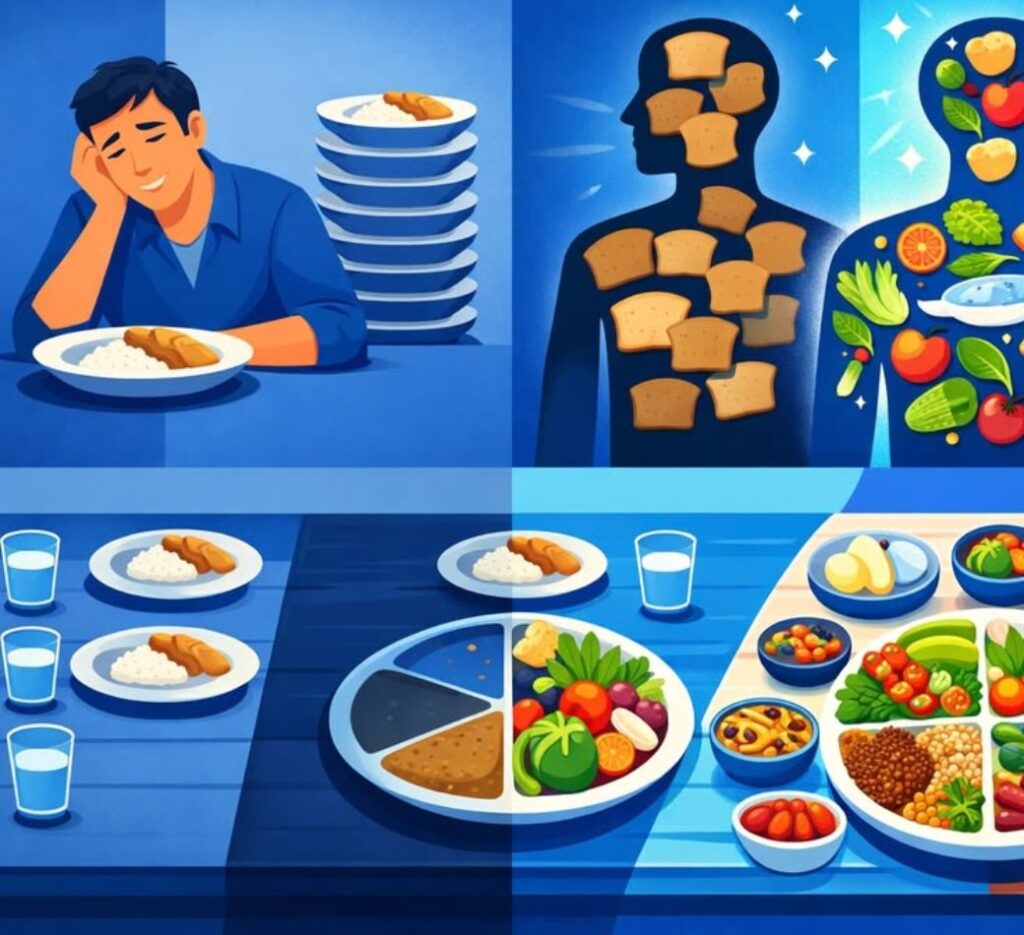
Long tasting menus create a specific challenge: the diner experiences many flavors, textures, aromas, and levels of richness in succession.
Without variation, the palate can become fatigued.
Lessons from Multi-Course Menus
You can reduce sensory monotony by changing several variables throughout the meal:
- Alternate rich and light courses.
- Introduce acidity between heavy dishes.
- Use carbonation when appropriate.
- Change aromatic profiles between courses.
- Avoid repeating the same dominant flavor.
- Use lower-intensity beverages when the food becomes more complex.
- Give the palate time to reset.
Low-ABV and non-alcoholic beverages can play an especially useful role because they allow you to introduce acidity, herbs, carbonation, and fermentation without adding another heavy alcoholic component.
Rather than relying on one beverage style throughout the meal, design the beverage progression as carefully as you design the food progression.
9. Practical Food and Drink Pairing Rules
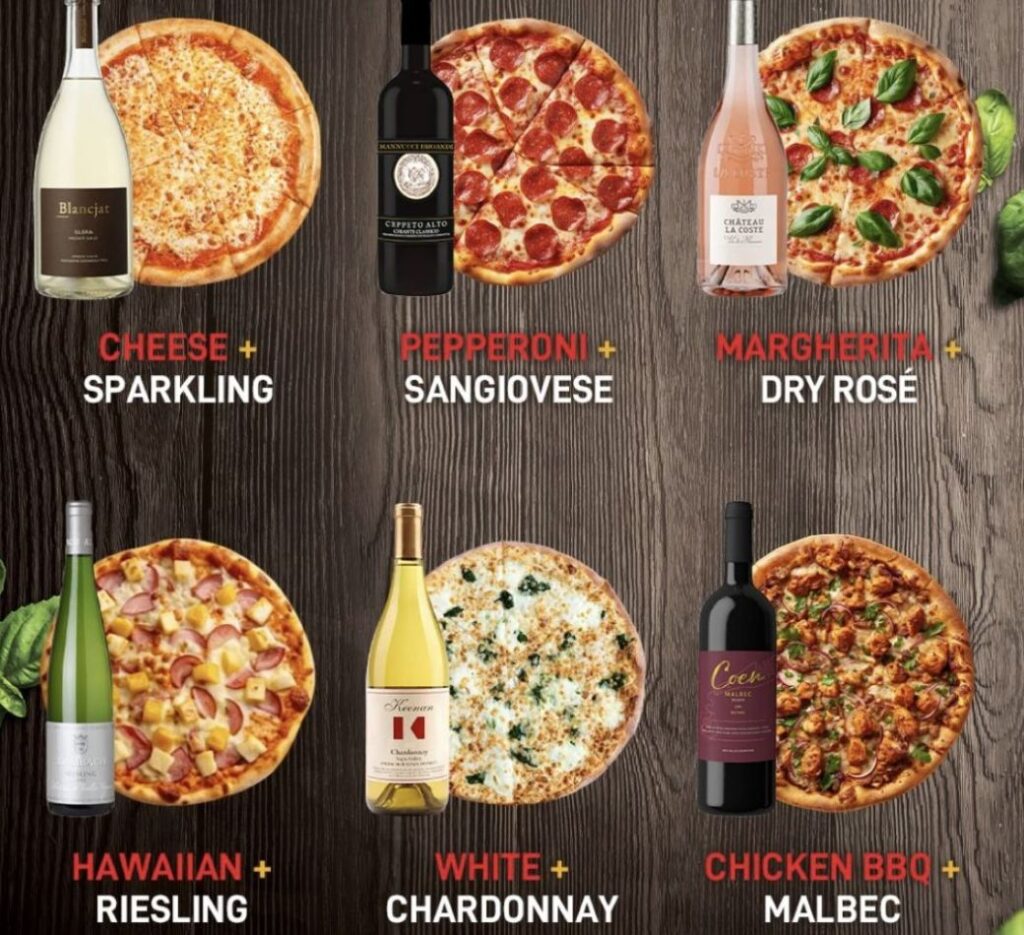
You can apply the entire framework with a few simple rules.
Start With the Strongest Characteristic
Identify the element that dominates the dish.
Is it:
- Fat?
- Heat?
- Sweetness?
- Acidity?
- Salt?
- Umami?
- Smoke?
- Roast?
- Bitterness?
Start there.
Match Intensity
A delicate food needs a delicate beverage.
A powerful dish can support a more assertive drink.
Do not let the beverage overwhelm the food.
Use Acidity Against Richness
Rich foods often benefit from refreshing acidity.
This principle works across wine, beer, cocktails, shrubs, kombucha, and other beverages.
Use Sweetness Carefully With Spice
Sweetness can reduce the perceived intensity of chili heat, but excessive sweetness can overwhelm savory foods.
Balance matters more than simply adding sugar.
Use Carbonation Strategically
Carbonation can create a refreshing sensation, particularly alongside fried or rich foods.
You can use sparkling water, sparkling tea, beer, or carbonated cocktails depending on the menu.
Think About the Sauce
The sauce often determines the pairing more strongly than the primary ingredient.
Chicken with a creamy mushroom sauce creates a different pairing challenge from chicken with a lemon-herb sauce.
Always analyze the complete dish.
10. A Quick Reference Pairing Formula
When you need to make a pairing quickly, follow this sequence:
1. Identify the dominant food characteristic.
2. Score the dish from 1–5.
3. Identify the beverage’s acidity, intensity, richness, sweetness, and tannin.
4. Match intensity.
5. Create either a structural contrast or a flavor bridge.
6. Taste both together.
7. Adjust the beverage if one element overwhelms the other.
Frequently Asked Questions
What is the most important rule in food and drink pairing?
Start by matching intensity, then balance the dominant structural characteristics. A rich dish often benefits from acidity or tannin, while spicy dishes often benefit from sweetness and moderate alcohol.
How do I pair wine with food?
Analyze the food’s acidity, richness, sweetness, saltiness, and intensity. Then choose a wine that matches the dish’s intensity and either complements its flavors or provides useful structural contrast.
What drink pairs well with spicy food?
Look for beverages with some sweetness and moderate alcohol. Sweetness can soften perceived chili heat, while high alcohol can intensify the sensation of heat.
Does tannin work with fatty foods?
Yes. Tannins create an astringent sensation that can provide contrast against rich and fatty foods. This explains the classic relationship between tannic red wine and fatty meats.
Can non-alcoholic drinks provide sophisticated food pairings?
Absolutely. Tea, kombucha, shrubs, botanical infusions, sparkling beverages, and fermented drinks can provide acidity, tannin, bitterness, sweetness, carbonation, and complex aromas.
What makes a great cocktail and food pairing?
A great cocktail balances the food’s intensity and structure. You can adjust acidity, sweetness, dilution, temperature, carbonation, bitterness, and alcohol level to create a more precise pairing.
Should food and drinks always share similar flavors?
No. You can create successful pairings through both complementary flavors and contrast. A rich dish paired with a bright acidic drink demonstrates structural contrast, while a roasted dish paired with toasted beverage notes demonstrates complementary flavor matching.
How can I prevent palate fatigue during a tasting menu?
Change the menu’s intensity, acidity, texture, aroma, and beverage style throughout the meal. Introduce refreshing elements such as acidic or carbonated beverages between richer courses.
What is structural pairing?
Structural pairing focuses on characteristics such as acidity, sweetness, richness, tannin, alcohol, bitterness, and intensity rather than simply matching individual flavors.
Why does alcohol make spicy food feel hotter?
Alcohol can increase the perception of capsaicin-related heat. High-alcohol beverages can therefore intensify the sensation of spicy foods, while sweetness and other balancing elements can reduce the perceived intensity.
Conclusion
Great food and drink pairing does not depend on rigid rules.
Instead, it depends on understanding how food and beverages interact through acidity, sweetness, richness, tannin, alcohol, carbonation, aroma, intensity, and texture.
Start with the structure of the dish. Identify its dominant characteristic, score its intensity, and choose a beverage that either balances that structure or creates a deliberate flavor bridge.
You can apply the same principles to wine, beer, spirits, cocktails, tea, kombucha, and non-alcoholic beverages.
The most useful pairing rule remains simple: understand the food first, understand the beverage second, and then decide whether you want harmony or contrast.
When you combine sensory science with practical tasting, you can move beyond memorized pairing charts and develop your own reliable food and drink pairing guide for everyday meals, professional menus, and multi-course dining.