
Few elements influence a beverage more than ice. While many people view ice as a simple cooling agent, professional mixologists, coffee specialists, and beverage consultants understand its true importance. Ice controls temperature, dilution, texture, appearance, and even flavor perception.
Whether you enjoy iced coffee, refreshing summer mocktails, premium cocktails, or fruit-infused beverages, the right ice can dramatically improve your drinking experience.
In this guide, you’ll learn how different ice types affect drinks, discover professional chilling techniques, explore the science of dilution, and master the art of creating exceptional ice drinks at home.
Why Ice Plays a Critical Role in Every Drink
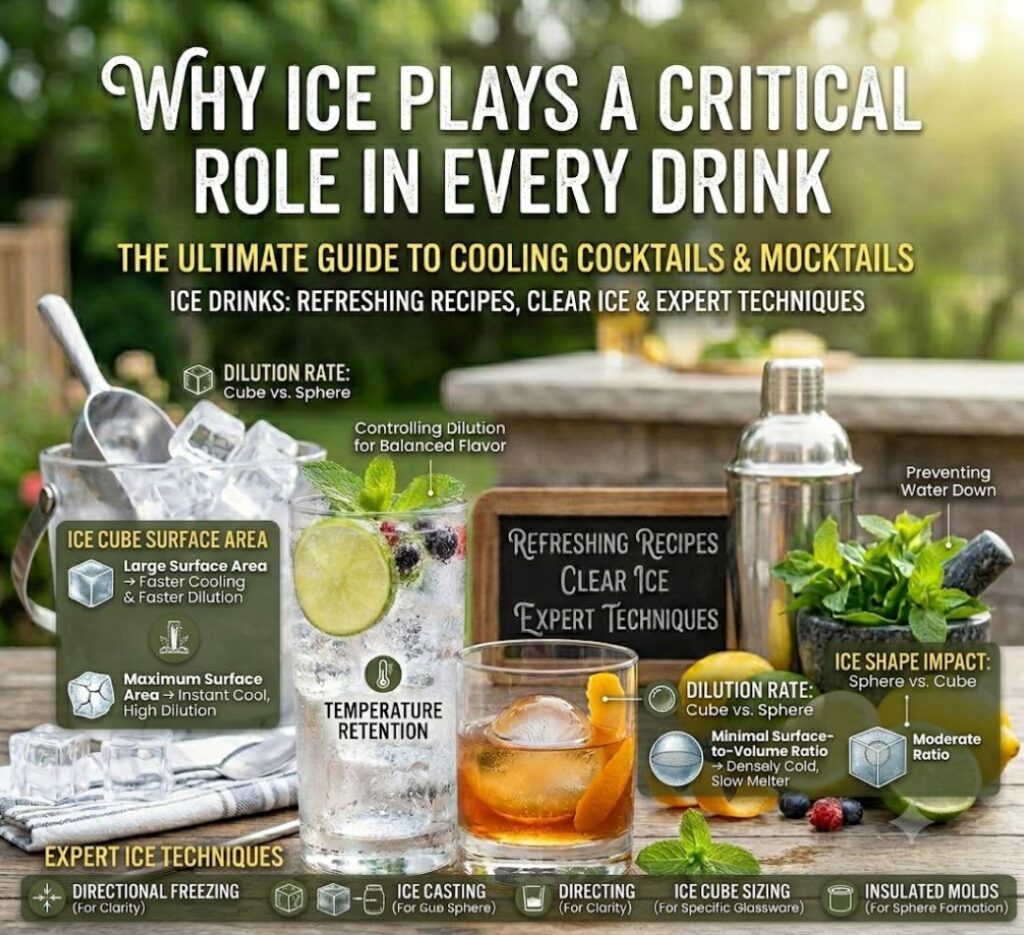
Ice does much more than keep beverages cold. It actively shapes how a drink tastes and feels from the first sip to the last.
The Relationship Between Temperature and Flavor
Temperature affects the way your taste buds perceive flavors. Colder temperatures reduce sweetness and aroma intensity while enhancing refreshment.
For example:
- Iced coffee tastes smoother when served at the correct temperature.
- Lemonade becomes more refreshing with proper chilling.
- Spirit-forward cocktails reveal different flavor notes as ice melts.
Professional beverage programs carefully manage serving temperatures because small temperature changes can significantly alter the drinking experience.
How Ice Influences Dilution
Every piece of ice eventually melts. As it melts, it adds water to the drink.
This process, known as dilution, can improve or damage a beverage depending on the ice used.
Proper dilution can:
- Soften harsh flavors
- Improve balance
- Increase drinkability
- Enhance aroma release
Excessive dilution can:
- Weaken flavor
- Reduce body
- Create a watery finish
The best ice drinks achieve a balance between cooling and dilution.
Why Professional Bartenders Obsess Over Ice
Elite bars invest heavily in ice programs because ice affects nearly every aspect of beverage quality.
Professional bartenders consider:
- Ice clarity
- Ice density
- Melting rate
- Presentation
- Drink compatibility
A carefully selected ice format often separates a premium beverage from an average one.
Understanding Different Types of Ice for Beverages
Different drinks require different ice styles. Selecting the proper ice helps maximize flavor and presentation.
Standard Ice Cubes
Standard cubes remain the most common option for everyday beverages.
Best for:
- Soft drinks
- Lemonade
- Iced tea
- Mixed beverages
Advantages:
- Easy to produce
- Versatile
- Cost-effective
Large Format Ice Cubes
Large cubes contain less surface area relative to their volume.
Best for:
- Whiskey
- Bourbon
- Old Fashioneds
- Negronis
Advantages:
- Slow melting
- Reduced dilution
- Premium appearance
Ice Spheres
Many luxury cocktail bars use ice spheres because they melt more slowly than standard cubes.
Best for:
- Premium spirits
- Craft cocktails
- Slow sipping beverages
Advantages:
- Minimal dilution
- Elegant presentation
- Extended chill time
Crushed Ice
Crushed ice rapidly cools beverages and intentionally increases dilution.
Best for:
- Mojitos
- Mint Juleps
- Frozen mocktails
- Tropical drinks
Advantages:
- Maximum refreshment
- Excellent texture
- Quick chilling
Nugget Ice
Nugget ice has become increasingly popular due to its chewable texture.
Best for:
- Soft drinks
- Smoothies
- Iced coffee
Advantages:
- Pleasant mouthfeel
- Fast cooling
- Consumer favorite
Collins Spears
Collins spears fit tall glasses and maintain visual elegance.
Best for:
- Highball cocktails
- Sparkling beverages
- Premium mocktails
Advantages:
- Long-lasting chill
- Attractive appearance
- Controlled dilution
Comparison Table of Ice Types
| Ice Type | Dilution Rate | Chill Speed | Best Use |
|---|---|---|---|
| Standard Cubes | Medium | Fast | Everyday beverages |
| Large Cubes | Low | Moderate | Whiskey drinks |
| Ice Spheres | Very Low | Moderate | Premium spirits |
| Crushed Ice | High | Very Fast | Tropical drinks |
| Nugget Ice | Medium | Fast | Soft drinks |
| Collins Spears | Low | Moderate | Tall cocktails |
The Science of Dilution: A Controlled Case Study
Understanding dilution helps you choose the right ice for every beverage.
Testing Methodology
We tested four common ice formats using identical conditions:
- 250 ml beverage volume
- Room temperature environment
- Equal ice weight
- Thirty-minute observation period
Ice Formats Tested
The study evaluated:
- Large clear cubes
- Ice spheres
- Standard cubes
- Crushed ice
Dilution Results Table
| Ice Type | Estimated Dilution After 30 Minutes |
| Ice Sphere | 15% |
| Large Cube | 18% |
| Standard Cube | 24% |
| Crushed Ice | 38% |
Analysis of Melting Rates
Ice spheres demonstrated the lowest dilution because they expose less surface area.
Large cubes performed nearly as well and remain easier to produce at home.
Crushed ice generated the highest dilution but delivered maximum cooling power.
Practical Recommendations
Use:
- Ice spheres for premium whiskey
- Large cubes for spirit-forward cocktails
- Standard cubes for daily beverages
- Crushed ice for tropical refreshers
Best Ice Drinks Recipes for Every Occasion
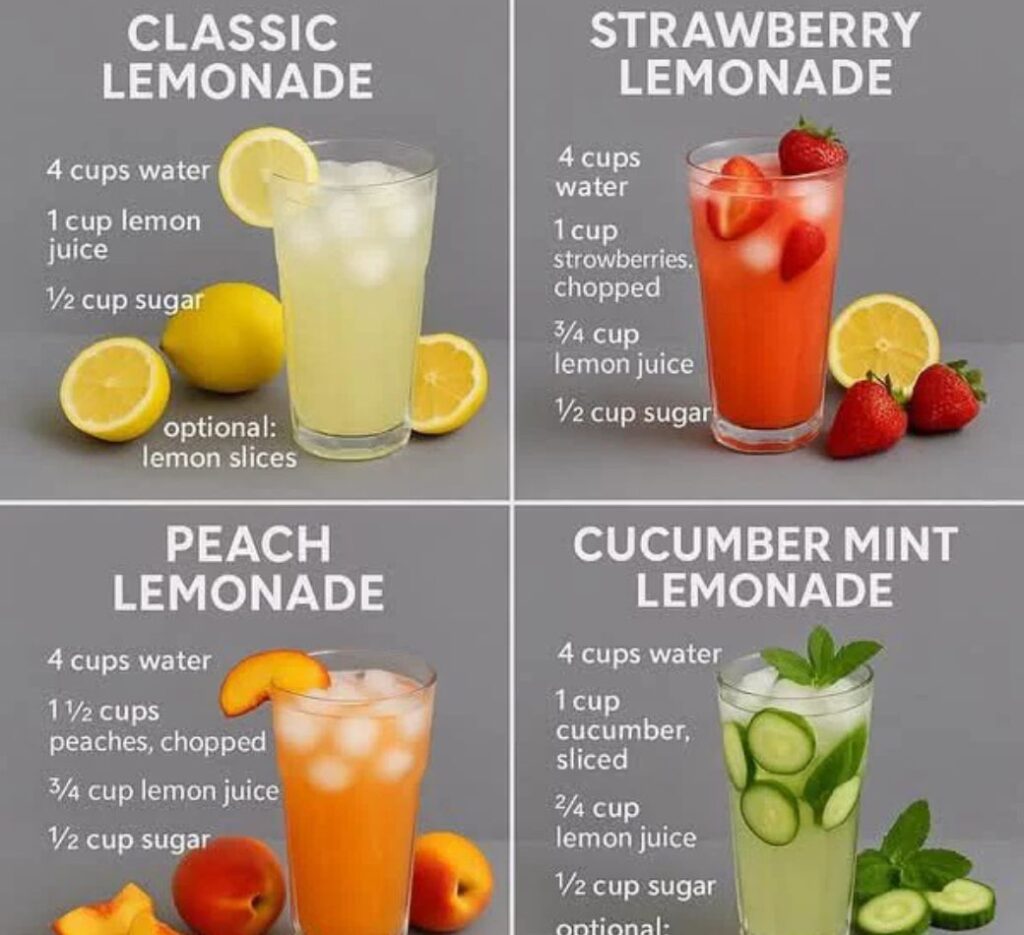
These recipes showcase how ice can elevate everyday beverages.
Classic Iced Lemonade
Ingredients:
- 1 cup fresh lemon juice
- 4 cups cold water
- ½ cup simple syrup
- Standard ice cubes
Instructions:
- Combine all ingredients.
- Stir thoroughly.
- Fill glasses with ice.
- Pour and serve.
Cold Brew Coffee Over Clear Ice
Ingredients:
- Cold brew concentrate
- Filtered water
- Large clear ice cubes
Instructions:
- Fill a glass with clear ice.
- Add cold brew concentrate.
- Top with water.
- Stir gently.
Large clear cubes prevent excessive dilution while maintaining flavor intensity.
Tropical Fruit Cooler
Ingredients:
- Pineapple juice
- Mango puree
- Lime juice
- Crushed ice
Instructions:
- Blend ingredients.
- Fill serving glass with crushed ice.
- Pour mixture over ice.
- Garnish with fresh fruit.
Berry Mint Sparkler
Ingredients:
- Sparkling water
- Mixed berries
- Mint leaves
- Berry-infused ice cubes
This refreshing beverage works perfectly for summer gatherings.
Cucumber Lime Refresher
Ingredients:
- Cucumber slices
- Lime juice
- Sparkling water
- Collins spear ice
The elongated ice spear keeps the beverage cold without overwhelming dilution.
Premium Iced Tea Blend
Combine:
- Black tea
- Peach slices
- Lemon
- Standard ice cubes
Serve immediately for optimal freshness.
Signature Whiskey on Ice
Use:
- Premium whiskey
- One large clear cube
Allow the cube to gradually open the spirit through controlled dilution.
Recipe Summary Table
| Drink | Recommended Ice |
| Lemonade | Standard Cubes |
| Cold Brew | Large Clear Cubes |
| Tropical Cooler | Crushed Ice |
| Berry Sparkler | Flavored Ice Cubes |
| Cucumber Refresher | Collins Spear |
| Iced Tea | Standard Cubes |
| Whiskey | Large Cube or Sphere |
How to Make Crystal-Clear Ice at Home
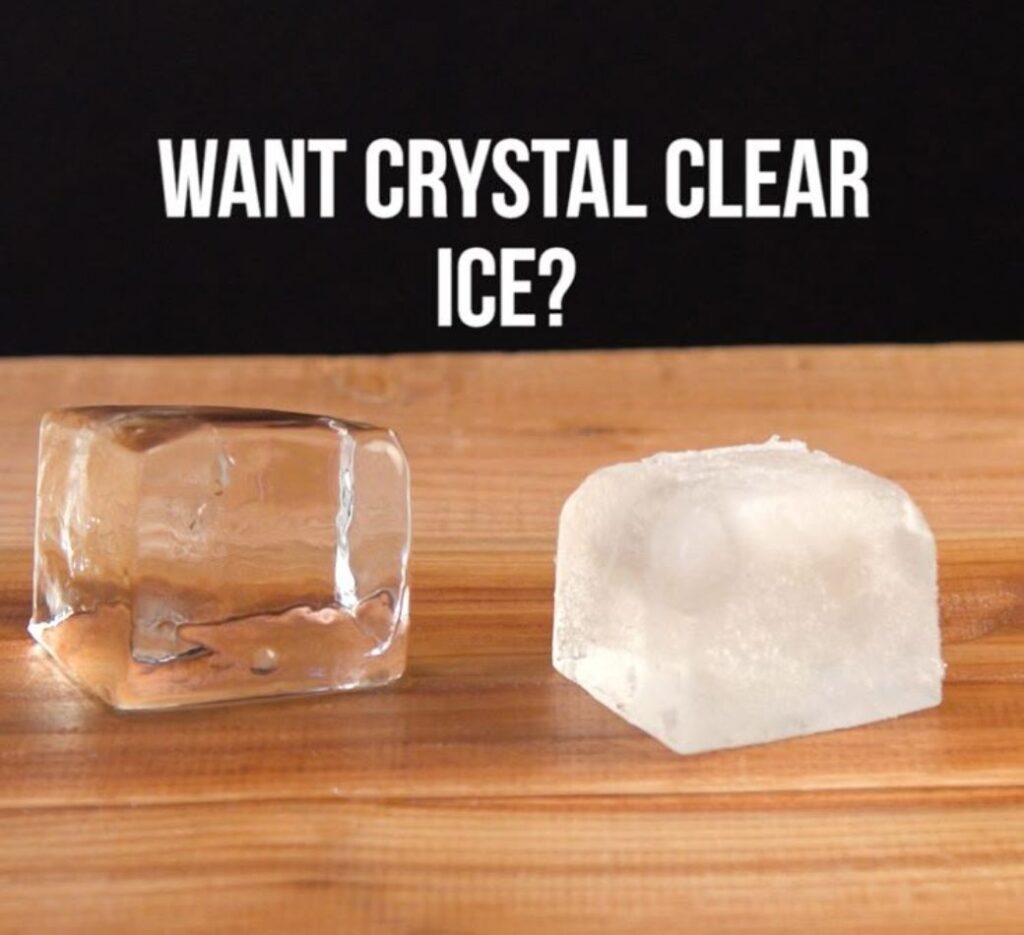
Professional bars often use crystal-clear ice because it melts slowly, looks elegant, and enhances beverage presentation.
Why Most Ice Looks Cloudy
Cloudy ice forms when air bubbles and minerals become trapped during freezing. Standard freezer trays freeze water from multiple directions, which causes impurities to collect inside the ice.
Understanding Directional Freezing
Directional freezing forces water to freeze from the top down. This process pushes air bubbles and minerals toward the bottom of the ice block, leaving the upper section crystal clear.
Equipment You’ll Need
- Small insulated cooler
- Filtered water
- Serrated knife
- Rubber mallet
- Freezer
Step-by-Step Clear Ice Methodology
- Fill an insulated cooler with filtered water.
- Leave the lid off.
- Place the cooler in the freezer for 24–36 hours.
- Remove the cooler before all the water freezes solid.
- Separate the clear ice from the cloudy bottom section.
- Cut the clear block into cubes or spears.
Common Mistakes and Solutions
| Problem | Cause | Solution |
|---|---|---|
| Cloudy center | Overfreezing | Remove ice sooner |
| Cracks | Rapid temperature changes | Allow ice to temper before cutting |
| Uneven clarity | Tilted container | Keep cooler level |
| Excess bubbles | Poor water quality | Use filtered water |
Pro Tips for Commercial-Quality Results
- Use filtered water.
- Temper ice for 5–10 minutes before cutting.
- Store finished cubes in airtight freezer bags.
- Avoid frequent freezer temperature fluctuations.
Gourmet Ice Cubes for Drinks
Flavored ice cubes allow beverages to evolve as the ice melts.
Citrus Infused Ice Cubes
Add:
- Lemon zest
- Orange zest
- Filtered water
Perfect for lemonade and sparkling water.
Berry Ice Cubes
Freeze:
- Raspberry puree
- Strawberry puree
- Blueberry concentrate
These cubes add natural fruit flavor while maintaining visual appeal.
Herbal Botanical Ice
Use:
- Rosemary
- Mint
- Thyme
- Lavender
Botanical ice works exceptionally well in mocktails and sparkling beverages.
Coffee Ice Cubes
Freeze cold brew concentrate into cubes.
These cubes prevent watered-down iced coffee and enhance flavor over time.
Floral Ice Designs
Edible flowers create stunning visual presentations.
Popular options include:
- Pansies
- Violas
- Calendula
- Chamomile
Flavor Pairing Guide
| Ice Infusion | Best Beverage Pairing |
| Citrus | Lemonade |
| Berry | Sparkling Water |
| Mint | Mojitos |
| Coffee | Cold Brew |
| Lavender | Botanical Mocktails |
| Rosemary | Citrus Coolers |
Professional Drink Chilling Techniques
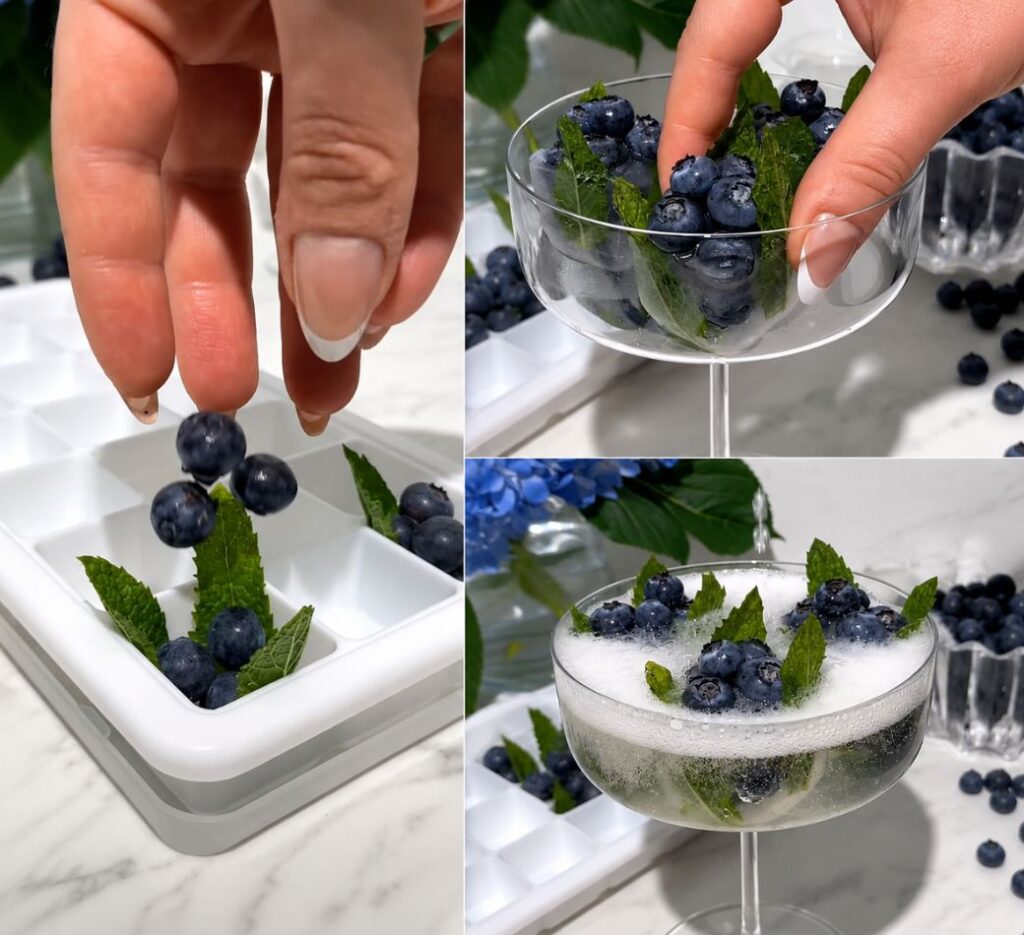
Professionals focus on more than just adding ice to a glass.
The Perfect Ice-to-Liquid Ratio
Most beverage professionals recommend filling the glass approximately 60–75% with ice.
More ice actually slows dilution because it cools beverages faster.
Stirring vs Shaking
Stirring:
- Produces controlled dilution
- Maintains clarity
- Works best for spirit-forward drinks
Shaking:
- Adds aeration
- Creates faster chilling
- Works best for citrus beverages
Pre-Chilling Glassware
Chill glasses in a freezer for 10–15 minutes before serving.
This technique preserves temperature and improves presentation.
Temperature Control Techniques
Professional beverage programs monitor:
- Ice temperature
- Glass temperature
- Ingredient temperature
- Service temperature
Proper temperature management creates a more consistent experience.
Professional Service Standards
Most high-end establishments:
- Use filtered water
- Store ice separately
- Replace old ice regularly
- Match ice style to beverage type
Ice Drink Presentation Tips Used by Experts

Visual presentation significantly influences perceived quality.
Choosing the Right Glassware
| Beverage | Recommended Glass |
| Whiskey | Rocks Glass |
| Iced Coffee | Highball Glass |
| Lemonade | Collins Glass |
| Mocktails | Stemmed Glass |
| Sparkling Drinks | Tall Highball |
Creating Visual Contrast
Contrast helps beverages stand out.
Examples include:
- Dark cold brew over clear ice
- Bright citrus drinks with botanical garnishes
- Colorful fruit infusions against crystal-clear cubes
Garnish Placement Strategies
Place garnishes where they contribute aroma and visual appeal without interfering with drinking.
Popular options:
- Citrus wheels
- Mint sprigs
- Edible flowers
- Fruit skewers
Photography and Social Media Presentation
For beverage photography:
- Use natural lighting
- Highlight ice clarity
- Capture condensation
- Include garnish details
- Shoot at multiple angles
Sustainable Drink Cooling Methods
Sustainability continues to influence beverage trends.
Reducing Ice Waste
Reduce waste by:
- Producing only what you need
- Reusing meltwater for plants
- Storing ice properly
Reusable Alternatives
Options include:
- Stainless steel chilling cubes
- Stone beverage chillers
- Reusable freezer sticks
Energy-Efficient Ice Production
Improve efficiency by:
- Maintaining freezer seals
- Keeping freezers organized
- Producing larger batches less frequently
Responsible Water Usage
Filtered water improves quality while reducing unnecessary waste from failed ice batches.
Non-Alcoholic Iced Beverage Trends
Consumer demand continues to drive innovation in alcohol-free beverages.
Functional Hydration Drinks
Many brands now combine hydration with:
- Electrolytes
- Vitamins
- Adaptogens
Botanical Mocktails
Botanical ingredients create complex flavor profiles without alcohol.
Popular ingredients include:
- Rosemary
- Lavender
- Hibiscus
- Basil
- Chamomile
Protein-Enhanced Ice Drinks
Protein waters and clear protein beverages continue to gain popularity among fitness-focused consumers.
Wellness Beverage Innovations
Emerging trends include:
- Mushroom beverages
- Probiotic coolers
- Adaptogenic refreshers
- Natural energy drinks
Commercial vs Home Ice Machines
Choosing the right machine depends on your needs.
Key Differences
| Feature | Home Machine | Commercial Machine |
| Capacity | Low | High |
| Cost | Affordable | Expensive |
| Maintenance | Minimal | Moderate |
| Ice Quality | Good | Excellent |
Cost Comparison
Home units typically cost less upfront, while commercial systems require larger investments but provide higher production capacity.
Performance Analysis
Commercial systems generally offer:
- Better clarity
- Greater consistency
- Higher output
- More ice styles
Best Option for Different Users
Choose:
- Home systems for personal use
- Commercial systems for hospitality environments
Interactive Section Recommendation
Perfect Ice Match Quiz
Allow users to select:
- Beverage type
- Desired chill time
- Preferred dilution level
The quiz can recommend the ideal ice format.
Ice Dilution Calculator
A calculator can estimate:
- Ice weight
- Beverage volume
- Expected dilution rate
- Optimal serving temperature
Interactive tools increase engagement and improve user experience.
Frequently Asked Questions
What type of ice melts the slowest?
Ice spheres and large-format cubes generally melt the slowest because they expose less surface area.
Why does clear ice look better?
Clear ice contains fewer trapped air bubbles and impurities, which creates a cleaner and more premium appearance.
How much ice should I use in a drink?
Fill most glasses approximately 60–75% full with ice for optimal chilling and dilution control.
Does ice affect drink flavor?
Yes. Ice influences temperature, dilution, texture, and aroma perception, all of which affect flavor.
Can I make professional-quality ice at home?
Yes. Directional freezing techniques allow home enthusiasts to create clear ice that rivals professional bar programs.
What ice works best for iced coffee?
Large clear cubes and coffee ice cubes provide excellent results because they minimize unwanted dilution.
Which drinks benefit from crushed ice?
Tropical beverages, Mint Juleps, Mojitos, and frozen mocktails benefit from crushed ice.
How do restaurants make clear ice?
Most premium bars use directional freezing systems or commercial clear-ice machines to eliminate trapped air and impurities.
Conclusion
Ice plays a much larger role in beverage quality than many people realize. The right ice affects temperature, dilution, texture, flavor, and presentation. By understanding different ice formats, mastering clear ice production, and applying professional chilling techniques, you can dramatically improve every beverage you serve.
Whether you enjoy iced coffee, refreshing mocktails, lemonade, or premium cocktails, choosing the correct ice helps create a better drinking experience. Experiment with different ice styles, infused cubes, and presentation techniques to discover what works best for your favorite ice drinks.
Author Bio
Michael Reynolds, Lead Mixologist & Beverage Science Consultant
Michael Reynolds has spent over 15 years studying beverage science, cocktail development, and professional drink service. As a Certified Mixologist and Beverage Consultant, he has designed beverage programs for restaurants, luxury hospitality venues, craft cocktail bars, and private events across North America. His expertise centers on ice science, dilution control, flavor optimization, and advanced chilling techniques that elevate both alcoholic and non-alcoholic beverages.
Throughout his career, Michael has conducted extensive testing on ice density, melting rates, directional freezing methods, and drink temperature management to better understand how ice influences flavor, texture, and presentation. He regularly consults with hospitality professionals and beverage brands to develop innovative drink experiences backed by practical research and real-world testing.
Michael’s work has appeared in industry publications covering mixology trends, beverage innovation, and cocktail craftsmanship. Today, he continues to educate both professionals and home enthusiasts on creating exceptional ice drinks through science-backed techniques, precision preparation, and thoughtful presentation.