

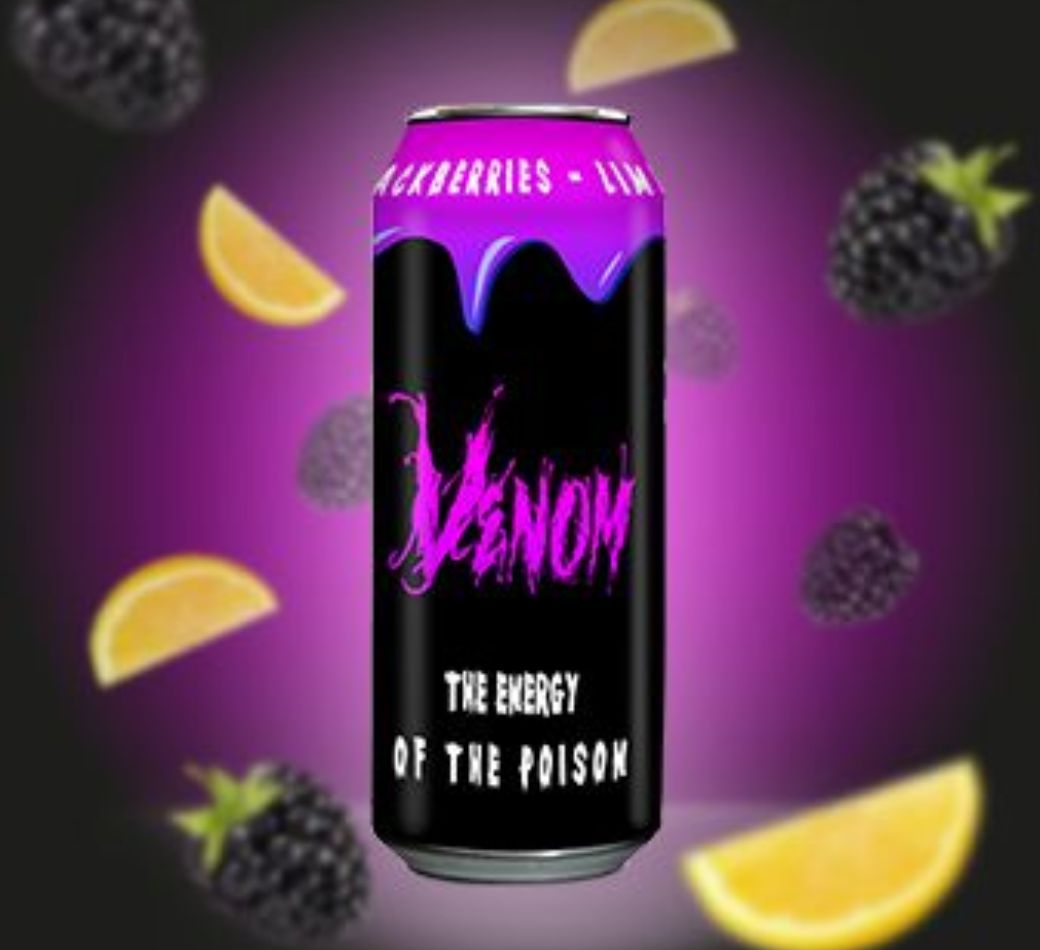
Venom Energy Drink has built a reputation for delivering a strong caffeine boost at a relatively low price. Its 16-ounce cans typically provide 160 mg of caffeine, while the brand offers both regular and zero-sugar options.
But how does Venom compare with other popular energy drinks? Which Venom flavors taste the best? How much sugar does each version contain? And is Venom Energy Drink safe for regular use?
This complete guide answers those questions and breaks down Venom’s caffeine content, ingredients, flavors, nutrition, safety considerations, and value.
Quick verdict: Venom can provide a substantial caffeine boost, but its regular versions can also deliver a significant amount of sugar and calories. Zero-sugar versions may suit people who want the caffeine without the added sugar. Most healthy adults should still monitor their total daily caffeine intake from all sources.
What Is Venom Energy Drink?
Venom Energy Drink is a caffeinated energy-drink brand associated with Keurig Dr Pepper. The brand sells large 16-ounce cans in several flavors, including regular and zero-sugar varieties.
A typical Venom can contains 160 mg of caffeine, which makes it a relatively high-caffeine beverage compared with many smaller energy drinks.
Venom also uses an energy blend that can include ingredients such as:
- Caffeine
- Taurine
- L-carnitine
- Guarana extract
- Ginseng extract
- Inositol
- B vitamins
The exact formulation can vary by product and market, so readers should always check the current package label.
Venom Energy Drink Caffeine Content
A 16-ounce Venom Energy Drink typically contains 160 mg of caffeine.
That amount can provide noticeable stimulation, especially for people who do not regularly consume caffeine.
How Much Caffeine Does a 16 oz Venom Have?
| Beverage | Typical serving | Caffeine |
|---|---|---|
| Venom Energy | 16 oz | 160 mg |
| Red Bull Sugarfree | 16 oz | 151 mg |
| Monster Ultra Red | 16 oz | 140 mg |
| Monster Ultra Red White Blue Razz | 16 oz | 160 mg |
Red Bull lists 151 mg of caffeine in its 16-ounce Sugarfree can, while Monster lists 140 mg in its 16-ounce Ultra Red and 160 mg in its 16-ounce Ultra Red White Blue Razz.
Is 160 mg of Caffeine a Lot?
For many adults, 160 mg represents a substantial single dose, but it falls below the FDA’s cited 400 mg-per-day amount that generally does not associate with negative effects in most healthy adults.
However, individual sensitivity varies. Your total intake also matters because coffee, tea, soda, pre-workout products, medications, and other energy drinks can add more caffeine.
Venom Energy Drink Ingredients Breakdown
Venom uses a combination of caffeine, amino-acid-related ingredients, plant extracts, sweeteners, flavors, and vitamins.
For example, a current retailer listing for Venom Black Mamba identifies ingredients such as taurine, L-carnitine, inositol, caffeine, ginseng extract, guarana extract, and several B vitamins.
Caffeine
Caffeine provides most of the immediate stimulant effect.
It can increase alertness and help people feel less tired. However, excessive caffeine can also cause:
- Jitters
- Anxiety
- Increased heart rate
- Sleep problems
- Headaches
- Nausea
- Restlessness
The FDA lists these effects among potential signs of excessive caffeine consumption.
Taurine
Taurine naturally occurs in the body and also appears in many energy drinks.
Venom combines taurine with caffeine as part of its energy formulation. Consumers should not assume that adding taurine automatically makes the drink safer or more effective than caffeine alone.
L-Carnitine
L-carnitine participates in normal energy metabolism. Venom includes it as part of its energy blend.
However, consumers should not treat L-carnitine in an energy drink as a substitute for a balanced diet or proven sports-nutrition strategy.
Guarana Extract
Guarana naturally contains caffeine. Therefore, consumers should consider it when they evaluate the beverage’s overall stimulant profile.
The FDA notes that guarana represents one potential source of caffeine in beverages.
Ginseng
Venom also uses ginseng extract in its formulation. Manufacturers commonly include ginseng in energy products, although consumers should avoid assuming that every ingredient produces a large measurable energy effect.
B Vitamins
Venom includes several B vitamins, including niacin, riboflavin, vitamin B6, and vitamin B12.
These vitamins support normal metabolic functions, but taking more than the body needs does not automatically create more energy.
Venom Energy Drink Nutrition Facts
Regular Venom varieties can contain considerably more sugar and calories than zero-sugar versions.
For example, a current listing for Venom Black Mamba shows:
| Nutrition | Per 16 oz can |
|---|---|
| Calories | 240 |
| Total carbohydrate | 57 g |
| Sugar | Product label should be checked |
| Fat | 0 g |
| Protein | 0 g |
| Caffeine | 160 mg |
| Sodium | 310 mg |
Because manufacturers can reformulate products and different flavors can have different nutrition profiles, check the can you purchase rather than relying on an old nutrition panel.
Venom Energy Drink Flavors
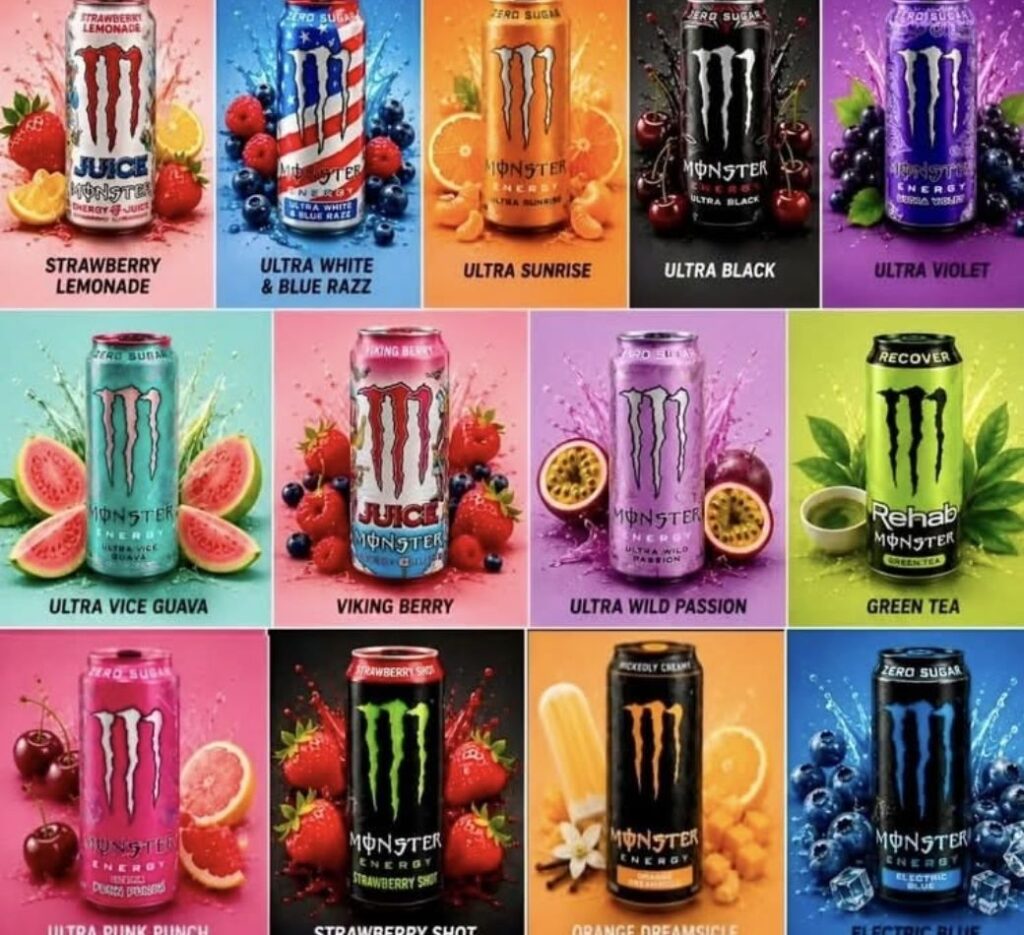
Venom has offered multiple flavors across its regular and zero-sugar lines.
Commonly reported flavors include:
- Original
- Black Mamba
- Fruit Punch
- Mango
- Citrus
- Strawberry Apple
- Watermelon Lime
- Zero Sugar Original
Availability can change by retailer and market.
Black Mamba
Black Mamba offers a dark berry-style flavor profile with a sweet finish. Its regular formulation also delivers the calories and carbohydrates associated with the sugar-containing version.
Fruit Punch
Fruit Punch provides a sweeter, fruit-forward profile. People who prefer traditional fruit-punch energy drinks may find this style more approachable.
Mango
Mango focuses on a tropical fruit flavor. It works well for people who prefer sweeter fruit flavors over citrus-forward drinks.
Citrus
Citrus provides a brighter and sharper flavor profile. The availability of particular Citrus formulations can change, so shoppers should check current retailer listings.
Strawberry Apple
Strawberry Apple combines berry and apple notes. The zero-sugar version can appeal to consumers who want a fruit flavor without the sugar found in some regular formulations.
Which Venom Flavor Should You Choose?
Use your preference rather than choosing a flavor based only on the name.
| Your preference | Consider |
|---|---|
| Sweet fruit flavor | Fruit Punch |
| Berry-style flavor | Black Mamba |
| Tropical flavor | Mango |
| Bright citrus taste | Citrus |
| Fruit blend without added sugar | Strawberry Apple Zero Sugar |
| Lower-sugar option | Zero Sugar varieties |
Always check the current nutrition label, because product formulations and availability can change.
Venom Zero Sugar Energy Drink Review
Venom’s zero-sugar range gives consumers another way to get the brand’s caffeine content without the sugar found in many regular versions.
The biggest advantage involves sugar reduction, not a completely different stimulant effect.
If a zero-sugar Venom still provides around 160 mg of caffeine, you should treat it as a caffeinated energy drink even though it contains little or no sugar.
Who Should Choose Zero Sugar Venom?
Zero Sugar Venom may make more sense for people who:
- Want to reduce added sugar
- Track carbohydrate intake
- Prefer lighter energy drinks
- Want caffeine without the calories from sugar
- Prefer a less sugary finish
Zero sugar does not mean caffeine-free or automatically healthy.
Venom vs. Monster Energy Drink
Venom and Monster compete directly in the large-can energy-drink category.
However, Monster offers a much broader product portfolio, so the comparison depends on the specific Monster product.
| Feature | Venom | Monster |
|---|---|---|
| Common can size | 16 oz | 12–16+ oz depending on product |
| Caffeine | Often 160 mg | Varies by product |
| Zero-sugar options | Yes | Yes |
| Flavor variety | Moderate | Very broad |
| Price positioning | Often budget-friendly | Often higher |
| Formula | Varies by flavor | Varies widely |
Monster currently lists different caffeine levels across its products. For example, Monster Ultra Red contains 140 mg per 16 ounces, while Ultra Red White Blue Razz contains 160 mg.
Which One Offers More Caffeine?
You should compare the exact can rather than the brand.
A 16-ounce Venom with 160 mg of caffeine can match some Monster products while exceeding others.
Is Venom Energy Drink Safe?
For most healthy adults, one Venom can fit within the FDA’s general daily caffeine guideline, but that does not mean everyone should consume it.
The FDA cites 400 mg of caffeine per day as an amount not generally associated with negative effects for most healthy adults. Individual tolerance varies significantly.
If you drink one 160 mg Venom and then consume coffee, tea, soda, pre-workout, or another energy drink, your total caffeine intake can rise quickly.
Can Venom Affect Your Heart?
Caffeine can temporarily increase heart rate and cause palpitations in some people.
People who experience unusual heart symptoms after consuming an energy drink should stop consuming it and seek appropriate medical advice. The FDA lists increased heart rate and heart palpitations among potential effects of excessive caffeine intake.
People with certain medical conditions, caffeine sensitivity, or medication interactions may need to limit caffeine more than the general adult guideline suggests.
Can Venom Cause a Sugar Crash?
Sugar-containing energy drinks can deliver a substantial carbohydrate load.
A current Black Mamba listing, for example, reports 57 grams of total carbohydrate per 16-ounce can.
However, you should not assume that every person will experience a specific blood-glucose “crash.” Individual responses depend on diet, metabolism, activity, and other factors.
Venom Energy Drink and Exercise
Some people use energy drinks before workouts because caffeine can increase alertness and reduce the perception of fatigue.
However, Venom does not automatically qualify as a sports-performance supplement.
If you use caffeine before exercise, consider:
- Your total daily caffeine intake.
- Your personal caffeine tolerance.
- The timing of your workout.
- Your sleep schedule.
- Your hydration needs.
- The sugar and calorie content of the specific product.
Avoid using an energy drink as a substitute for water during normal hydration.
Venom Energy Drink: When Should You Drink It?
Timing matters because caffeine can interfere with sleep.
For a daytime work or study session, consuming Venom earlier in the day may reduce the chance of late-night sleep disruption compared with drinking it shortly before bed.
You should also consider your personal caffeine sensitivity.
If caffeine regularly keeps you awake, reduce your intake or consume it earlier.
Who Should Avoid Venom Energy Drinks?
Some people should use extra caution with caffeinated energy drinks.
These include:
- Children and teenagers
- People who experience strong caffeine sensitivity
- Pregnant people who need individualized caffeine guidance
- People with certain heart conditions
- People taking medications that interact with caffeine
- People who experience significant anxiety or sleep problems after caffeine
The FDA notes that medical conditions, medications, pregnancy, and individual sensitivity can change how much caffeine a person should consume. It also notes that medical experts advise against energy drinks for children and teens.
Venom Energy Drink Value: Caffeine per Dollar
Venom often competes on price because retailers frequently sell its 16-ounce cans below the price of many premium energy drinks.
You can calculate a simple caffeine-value metric like this:
Caffeine value = Caffeine per can ÷ Price per can
For example, if a 160 mg Venom can costs $1.25:
160 ÷ $1.25 = 128 mg of caffeine per dollar
This calculation can help shoppers compare products, but it does not measure health value, effectiveness, or safety.
A Better Buying Comparison
| Factor | Why it matters |
|---|---|
| Caffeine per can | Shows stimulant strength |
| Price per can | Shows purchase cost |
| Sugar | Helps manage added sugar intake |
| Calories | Matters for calorie-conscious consumers |
| Can size | Helps compare value accurately |
| Ingredients | Shows the formulation |
| Personal tolerance | Determines how strongly caffeine affects you |
Venom Energy Drink: How to Read the Label
Before buying Venom, check these five things:
1. Caffeine
Look for the total caffeine per serving or container.
2. Sugar
Regular and zero-sugar products can differ significantly.
3. Calories
A larger can can contain substantially more calories than a smaller energy drink.
4. Serving Size
Make sure the nutrition panel covers the entire can or only part of it.
5. Ingredients
Check the complete ingredient list if you need to avoid particular sweeteners, additives, or stimulants.
A Practical Venom Energy Drink Comparison Method
Instead of relying on a single score, compare each product using four categories:
Caffeine: How much caffeine does the can provide?
Sugar: How much sugar does it contain?
Price: How much does one serving cost?
Preference: Does the flavor actually suit you?
This approach gives shoppers a more useful comparison than a simple “best energy drink” ranking.
Venom Energy Drink Bio-Absorption Timeline
The caffeine response does not happen at one exact moment for everyone.
A simplified timeline looks like this:
| Time | What you may experience |
|---|---|
| 0–30 minutes | The body begins absorbing caffeine |
| 30–60 minutes | Caffeine effects often become more noticeable |
| 1–3 hours | Alertness and stimulation may remain noticeable |
| 3–6+ hours | Caffeine gradually leaves the body, but effects can persist |
Do not treat these times as guaranteed biological milestones. Individual metabolism, food intake, genetics, tolerance, and other factors can change the response.
How Venom Compares With Red Bull
Red Bull offers smaller cans alongside larger formats.
For example, Red Bull lists 80 mg of caffeine in its 8.4-ounce Sugarfree can and 151 mg in its 16-ounce Sugarfree can.
That makes can size especially important when comparing caffeine.
A product with less caffeine per can may still provide a similar caffeine concentration if it comes in a smaller package.
How Venom Compares With Monster
Monster provides many more product variations, including zero-sugar options.
For example:
- Monster Ultra Red: 140 mg caffeine per 16 oz
- Monster Ultra Red White Blue Razz: 160 mg caffeine per 16 oz
- Venom: commonly 160 mg caffeine per 16 oz
Therefore, Venom does not automatically contain more caffeine than Monster. You should compare the exact products.
Pros and Cons of Venom Energy Drink
Pros
- Provides a strong caffeine dose
- Offers 16-ounce cans
- Includes multiple flavors
- Offers zero-sugar options
- Can provide good price-per-caffeine value
- Gives consumers alternatives to larger premium brands
Cons
- 160 mg caffeine can feel strong for sensitive consumers
- Regular varieties can contain substantial sugar and calories
- Caffeine can interfere with sleep
- Excess caffeine can cause unwanted symptoms
- Flavor availability can vary
- Zero sugar does not remove caffeine-related concerns
Final Verdict: Is Venom Energy Drink Worth It?
Venom Energy Drink can make sense for adults who want a strong caffeine boost, large can, multiple flavor options, and competitive pricing.
Its biggest strength comes from its combination of 160 mg of caffeine per typical 16-ounce can and broad flavor choices.
However, you should not judge Venom only by its caffeine-per-dollar value. Your caffeine tolerance, sleep, diet, health conditions, and total daily caffeine intake matter more.
For most healthy adults, the FDA’s general reference point of up to 400 mg of caffeine per day provides useful context, but individual needs can differ.
Bottom line: Venom offers strong caffeine at a competitive price, but you should treat it like a high-caffeine energy drink rather than an everyday health beverage.
FAQs About Venom Energy Drink
How much caffeine does Venom Energy Drink contain?
A typical 16-ounce Venom Energy Drink contains 160 mg of caffeine. Product formulations can change, so check the current can label.
Is Venom Energy Drink stronger than Monster?
Not necessarily. Venom commonly provides 160 mg per 16-ounce can, while Monster products vary. Some contain 140 mg, while others contain 160 mg or different amounts.
Is Venom Energy Drink safe?
Most healthy adults can consume moderate amounts of caffeine, but individual tolerance varies. The FDA cites 400 mg per day as an amount not generally associated with negative effects for most healthy adults.
Does Venom Energy Drink contain sugar?
Some Venom varieties contain sugar, while the brand also offers zero-sugar products. Check the nutrition label for the exact flavor.
Does Venom Energy Drink contain taurine?
Yes. Venom formulations can include taurine as part of their energy blend.
Who makes Venom Energy Drink?
Venom belongs to the Keurig Dr Pepper beverage portfolio.
Can teenagers drink Venom Energy Drink?
Health authorities advise against energy drinks for children and teenagers because of their caffeine and sugar content.
Can Venom Energy Drink affect sleep?
Yes. Caffeine can interfere with sleep, particularly when you consume it later in the day. Your individual sensitivity also affects the result.
Which Venom flavor tastes best?
Taste depends on personal preference. Fruit Punch and berry-style flavors suit people who prefer sweeter profiles, while Citrus suits people who prefer a sharper fruit flavor.
Is Zero Sugar Venom healthier?
Zero Sugar Venom can reduce sugar and calorie intake compared with sugar-containing versions, but it still contains caffeine. Therefore, zero sugar does not automatically make it a healthy beverage.
Author & Editorial Note
For an E-E-A-T-focused article, use a real author and real reviewer with verifiable credentials. Do not publish the fictional “Dr. Marcus Vance” or “Sarah Jenkins” profiles from the supplied template unless those people actually exist, hold those credentials, and genuinely reviewed the article.
Likewise, don’t claim that you conducted a 14-day double-blind trial, CGM study, laboratory testing, or blind tasting panel unless you actually completed and documented that work. These claims require real methodology, participants, records, and supporting evidence.
For the interactive comparison tool, flowchart, infographic, and video, you can add real original assets after the relevant sections. The article above avoids presenting hypothetical data as real research while still giving you the SEO structure and useful analysis you requested.