
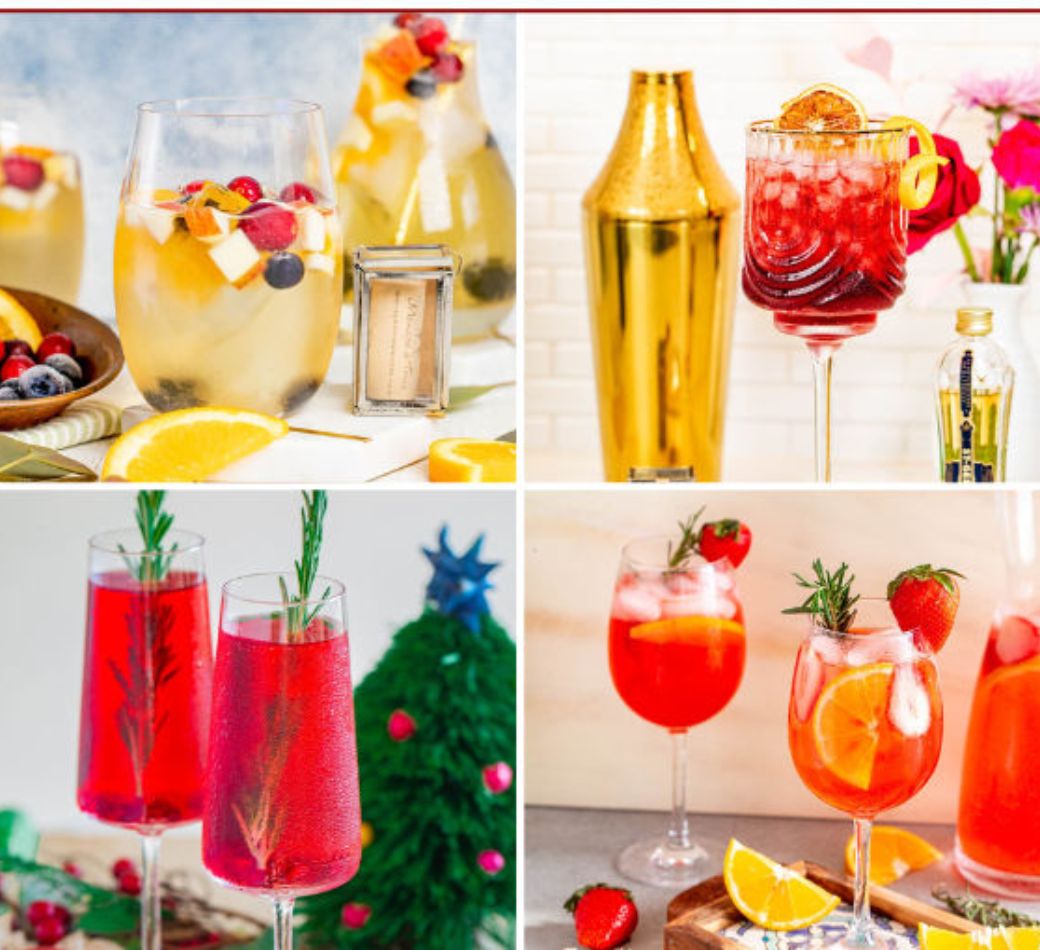
Wine coolers drinks combine fruity flavors, light carbonation, and moderate alcohol in an easy-to-serve format. They became popular as casual alternatives to traditional wine and cocktails, and modern ready-to-drink beverages continue that idea with new flavors and formats.
But one important detail often causes confusion: not every drink called a wine cooler actually contains wine.
Some bottled products use fermented grape wine, while others use a malt base. Drinks such as Seagram’s Escapes and Smirnoff Ice fall into the flavored malt beverage category rather than traditional wine-based coolers. Seagram’s Escapes currently identifies its standard products as flavored malt beverages and lists 3.2% ABV for its regular line and 10% ABV for its Spiked products.
This guide explains the difference, compares popular styles, and shows you how to make homemade wine cooler recipes with simple ingredients.
What Is a Wine Cooler?
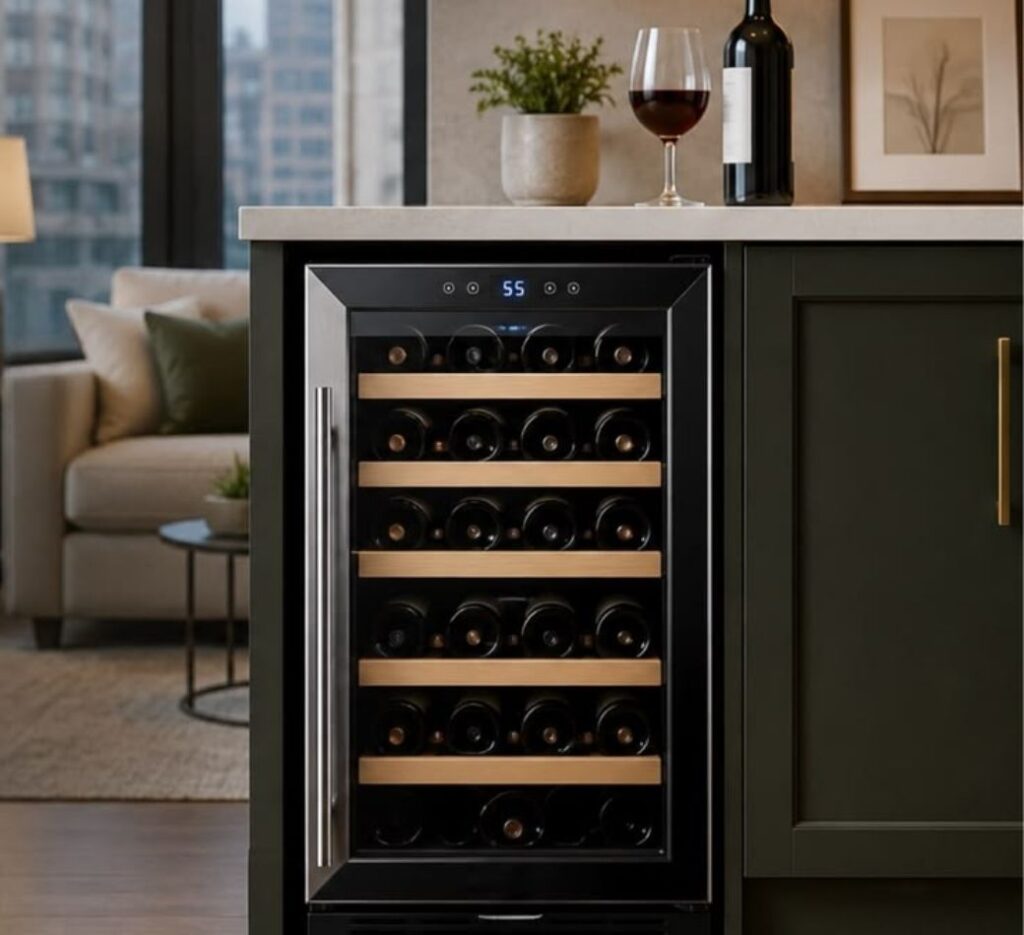
A wine cooler traditionally combines wine, fruit flavor, sweetener, and carbonation. Producers usually serve these drinks chilled and package them in bottles or cans.
Modern consumers also use “wine cooler” as a broader term for fruity, carbonated alcoholic drinks. However, the alcohol base can vary.
A true wine-based cooler uses fermented grape wine as its alcoholic base. A flavored malt beverage uses fermented malt instead.
What Makes a Traditional Wine Cooler?
A traditional wine cooler usually includes:
- Wine
- Fruit juice or fruit flavor
- Carbonated water or another carbonated mixer
- Sweetener
- Citrus or fruit flavors
The final drink usually tastes lighter and fruitier than straight wine.
Are All Bottled Wine Coolers Made With Wine?
No.
Always check the product label. Seagram’s Escapes states that most of its products use a premium malt base, although the company also produces a limited number of wine-based products in some states.
Smirnoff Ice also identifies its classic product as a flavored malt beverage rather than a wine-based drink.
Wine Coolers vs. Malt Beverages vs. Spritzers
These drinks can look similar, but their bases differ.
| Drink Type | Alcohol Base | Typical Ingredients | Flavor Profile |
|---|---|---|---|
| Wine cooler | Wine | Wine, fruit, carbonation | Fruity and wine-forward |
| Wine spritzer | Wine | Wine and sparkling water | Crisp and lighter |
| Flavored malt beverage | Malt | Fermented malt, flavors, carbonation | Fruity and sweet |
| Hard seltzer | Malt or other fermented base | Alcohol, water, flavor | Light and crisp |
| Cocktail | Spirits or wine | Alcohol, mixers, fruit | Wide range |
Wine Cooler vs Spritzer
A wine spritzer usually keeps things simpler. You can make one with wine and sparkling water, then add citrus or fruit for extra flavor.
A wine cooler usually delivers more fruit flavor and sweetness.
For a lighter homemade drink, start with a dry white wine and sparkling water. For a sweeter fruity drink, add fruit juice or a small amount of simple syrup.
The Evolution of Wine Coolers
Wine coolers became a major American beverage trend during the 1980s.
Bartles & Jaymes helped define the category after launching its flavored cooler line in 1985. The brand originally produced wine-based coolers but later moved to malt-based products as changes in alcohol taxation affected the category.
The category later faced competition from beer, flavored malt beverages, hard lemonade, hard seltzers, and other ready-to-drink products.
Today, the basic idea remains popular: combine convenient packaging with fruity flavors and moderate alcohol.
Malt Base vs Real Wine Base
The label provides the easiest way to identify the alcohol base.
Wine-Based Cooler
A wine-based cooler starts with fermented grape juice. The producer can then add:
- Fruit flavors
- Juice
- Sugar or other sweeteners
- Carbonated water
- Acids such as citric acid
The final drink keeps a connection to wine because wine provides the alcoholic base.
Malt-Based Cooler
A malt-based drink starts with fermented malt.
Seagram’s Escapes currently describes its standard products as malt beverages. The company lists flavors such as Strawberry Daiquiri, Peach Bellini, Berry Mimosa, Black Cherry Fizz, and Calypso Colada.
Smirnoff Ice also falls into the flavored malt beverage category. Its current U.S. product range includes flavors such as Raspberry, Mango, Pineapple, Pink Lemonade, and Grape.
Why Does the Difference Matter?
The base can affect:
- Flavor
- Body
- Sweetness
- Labeling
- Gluten considerations
- Alcohol percentage
- Tax classification
- How the drink compares with wine
Always check the individual product label because formulations can vary by product, market, and package.
Best Bottled Wine Cooler Styles
Rather than ranking products using invented taste-test data, you can compare bottled options by base, ABV, sweetness, flavor, and serving style.
| Style | What to Look For | Best For |
|---|---|---|
| Classic fruity cooler | Berry or citrus flavors | Casual sipping |
| Wine-based cooler | Wine listed as the base | Wine drinkers |
| Malt-based cooler | Malt beverage on label | Strong fruit flavor |
| Wine spritzer | Wine plus carbonation | Crisp, lighter drinks |
| Low-ABV cooler | Lower alcohol percentage | Easy sipping |
| Spiked cooler | Higher ABV | Consumers seeking more alcohol |
Seagram’s Escapes
Seagram’s Escapes offers a large range of fruit-forward flavors. Current products include Jamaican Me Happy, Strawberry Daiquiri, Blueberry Acai Lemonade, Pineapple Starfruit, Peach Bellini, Berry Mimosa, and Black Cherry Fizz.
The standard Seagram’s Escapes line contains 3.2% ABV, while Seagram’s Escapes Spiked products contain 10% ABV.
Smirnoff Ice
Smirnoff Ice belongs to the flavored malt beverage category.
The brand lists its Original product at 4% ABV on its UK product information, while individual products and markets can differ.
That makes the label more important than the brand name when you compare alcohol content.
Bartles & Jaymes
Bartles & Jaymes played an important role in the history of wine coolers. Its original products helped popularize fruity bottled coolers during the 1980s.
How to Choose the Best Bottled Wine Cooler
Use these five factors when you shop.
1. Check the Alcohol Base
Look for terms such as:
- Wine
- Malt beverage
- Flavored malt beverage
Do not assume that a product contains wine simply because people call it a wine cooler.
2. Check the ABV
ABV means alcohol by volume.
A lower ABV drink usually contains less alcohol per volume than a higher ABV drink, but serving size also matters.
3. Compare Sweetness
Fruit-forward coolers often taste sweeter than dry wine spritzers.
If you prefer a crisp drink, choose dry wine and unsweetened sparkling water when you make your own.
4. Consider Flavor
Popular fruity combinations include:
- Strawberry + lime
- Peach + citrus
- Raspberry + lemon
- Watermelon + lime
- Pineapple + orange
- Blueberry + lemon
5. Read the Nutrition Label
Check calories, carbohydrates, sugar, and serving size when the manufacturer provides those details.
Do not compare calories by bottle alone if the bottles have different serving sizes.
How to Make Wine Coolers at Home
Homemade wine coolers give you more control over sweetness, carbonation, fruit flavor, and alcohol strength.
A simple starting ratio uses:
3 parts wine + 2 parts carbonated mixer + 1 part fruit juice
You can adjust the ratio based on the wine and flavor you prefer.
Basic Homemade Wine Cooler
Ingredients
- 3 oz dry white wine
- 2 oz club soda
- 1 oz fruit juice
- Ice
- Fresh fruit for garnish
Instructions
- Fill a wine glass with ice.
- Pour in the wine.
- Add the fruit juice.
- Add the club soda slowly.
- Stir gently once or twice.
- Add fresh fruit.
- Serve immediately.
Avoid vigorous stirring because it can release carbonation.
Berry Rosé Cooler
This recipe creates a bright, fruity drink.
Ingredients
- 3 oz dry rosé
- 2 oz sparkling water
- 1 oz cranberry or berry juice
- Fresh strawberries or raspberries
- Ice
Method
Add ice to a glass. Pour in the rosé and berry juice. Top with sparkling water and stir gently.
Add fresh berries before serving.
Citrus White Wine Spritz
Use this recipe when you prefer a crisp and refreshing drink.
Ingredients
- 3 oz Sauvignon Blanc or Pinot Grigio
- 2 oz club soda
- 1 oz fresh lemon or orange juice
- Lemon or orange slices
- Ice
Method
Pour the wine and citrus juice over ice. Add club soda and stir gently.
The dry wine balances the citrus without requiring much added sugar.
Tropical Pinot Cooler
This version works well for people who enjoy tropical fruit flavors.
Ingredients
- 3 oz Pinot Grigio
- 2 oz sparkling water
- 1 oz pineapple juice
- Lime wedge
- Pineapple pieces
- Ice
Method
Add ice to a large glass. Add Pinot Grigio and pineapple juice. Top with sparkling water.
Squeeze a lime wedge over the drink and garnish with pineapple.
How to Make Wine Coolers Without Added Sugar
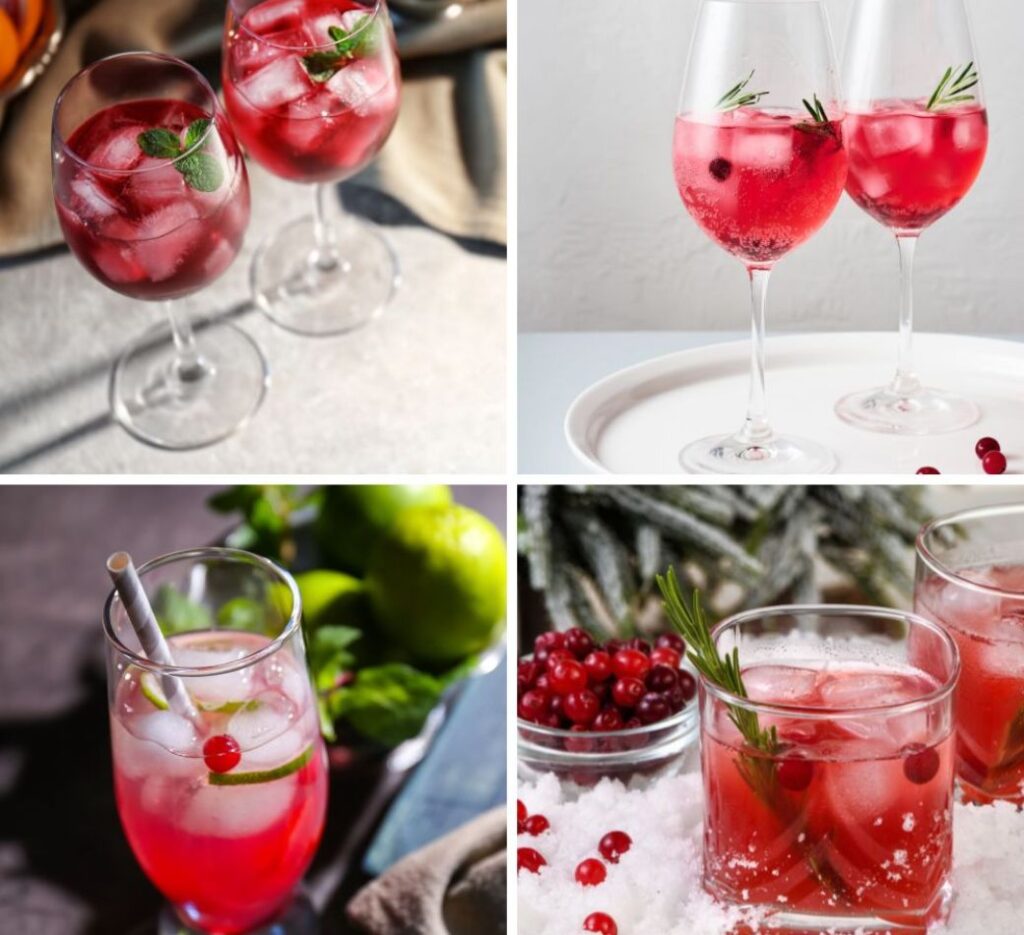
You can make a lower-sugar version by choosing ingredients carefully.
Use:
- Dry wine
- Unsweetened sparkling water
- Fresh citrus
- Fresh berries
- Unsweetened fruit tea
Avoid adding simple syrup or sweetened soda.
Remember that wine and fruit juice can still contribute carbohydrates and calories, even when you skip added sugar.
Best Wine for Homemade Wine Coolers
Different wines create different results.
| Wine | Flavor | Best Pairings |
|---|---|---|
| Pinot Grigio | Light and crisp | Lemon, peach, citrus |
| Sauvignon Blanc | Dry and acidic | Lime, grapefruit, berries |
| Dry Riesling | Fruity and aromatic | Apple, peach, citrus |
| Rosé | Fresh and fruity | Strawberry, raspberry, watermelon |
| Moscato | Sweet and aromatic | Peach, berries, tropical fruit |
Choose a dry wine when you want a crisp cooler. Choose a sweeter wine when you want a dessert-style drink.
How Long Do Wine Coolers Last?
Storage depends on whether the product remains unopened or opened.
Unopened Bottled Coolers
Follow the manufacturer’s date and storage instructions.
Store the product in a cool, dry location away from direct sunlight and excessive heat.
Opened Wine Coolers
Once you open a carbonated drink, the carbonation begins to decline.
Refrigerate the drink and seal it tightly when possible. For the best flavor and carbonation, consume it soon after opening.
Homemade Wine Coolers
Drink homemade coolers immediately when possible.
Fresh fruit juice and carbonation lose quality over time. Refrigeration can slow flavor changes, but it cannot preserve the drink indefinitely.
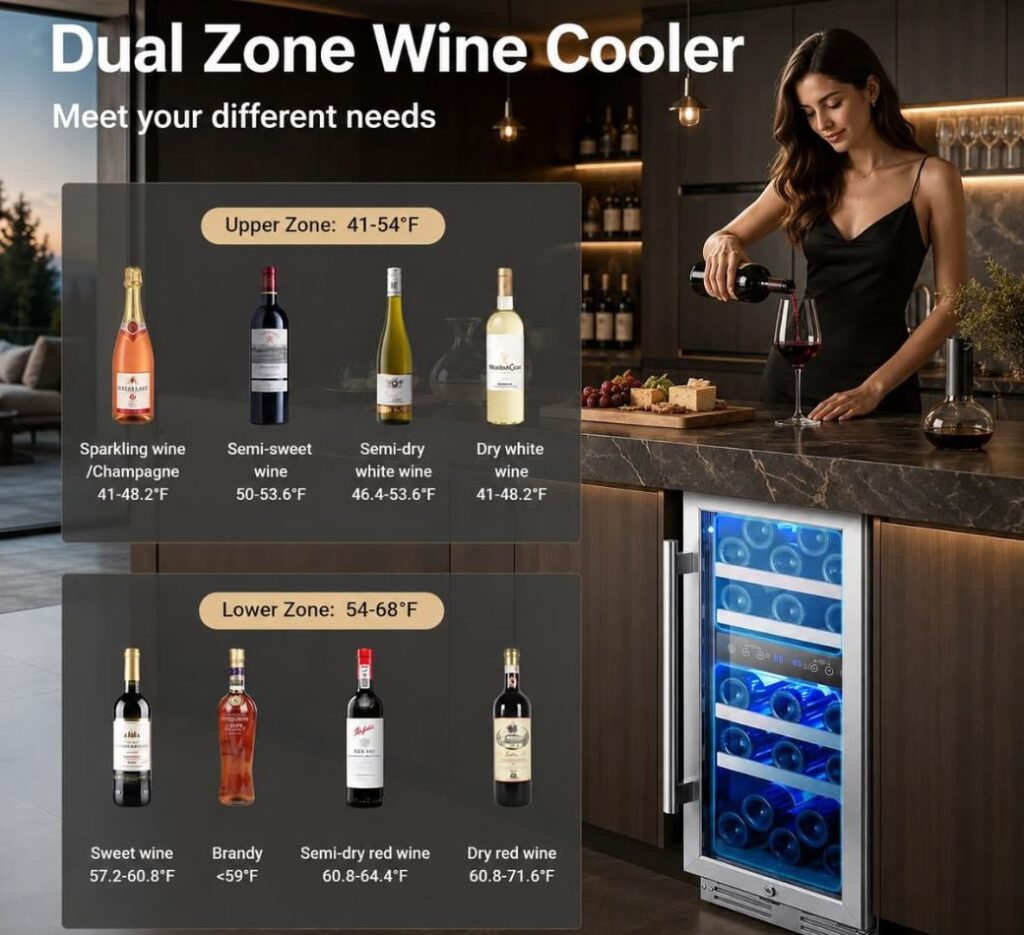
Best Serving Temperature for Wine Coolers
Serve wine coolers well chilled.
A practical target for many fruity, carbonated coolers sits around 42°F–46°F (6°C–8°C).
Keep the bottle or can cold until you serve it. Cold temperatures help maintain a crisp drinking experience and reduce rapid carbonation loss.
How to Compare Wine Coolers Without a Formal Taste Test
You can create your own simple tasting scorecard instead of relying on unsupported “expert” claims.
Score each drink from 1 to 10 for:
| Category | Score |
|---|---|
| Aroma | /10 |
| Fruit flavor | /10 |
| Sweetness balance | /10 |
| Acidity | /10 |
| Carbonation | /10 |
| Finish | /10 |
| Overall enjoyment | /10 |
You can also record:
- Bottle or can size
- ABV
- Price
- Calories
- Sugar
- Alcohol base
- Main flavor
This method helps you compare commercial products with homemade wine coolers without presenting invented laboratory results as fact.
Understanding the Brix-to-Acid Concept
Brix measures soluble solids in a liquid and often helps producers estimate sugar concentration.
Acidity affects how sweet or refreshing a drink tastes.
A drink with noticeable sweetness and low acidity can taste heavier. A drink with similar sweetness but stronger acidity can taste brighter and more refreshing.
However, you should not claim a Brix-to-acid ratio for a commercial product unless you actually measured the product or obtained reliable manufacturer data.
For a website article, explain the concept rather than inventing test results.
Wine Cooler Flavor Combinations
Try these combinations when you make homemade drinks:
| Wine | Fruit | Carbonated Mixer |
|---|---|---|
| Pinot Grigio | Peach | Club soda |
| Sauvignon Blanc | Grapefruit | Sparkling water |
| Rosé | Strawberry | Lemon sparkling water |
| Dry Riesling | Apple | Club soda |
| Pinot Grigio | Pineapple | Lime sparkling water |
| Rosé | Raspberry | Plain sparkling water |
Fresh fruit can add aroma without forcing you to add large amounts of sweetener.
Are Wine Coolers Gluten-Free?
You should check the individual product.
Wine itself does not contain gluten from grapes, but flavored malt beverages can involve grain-based ingredients.
Seagram’s Escapes states that its products use a malt base and may contain traces of gluten. The company says it has crafted the products to remove gluten but still advises people with sensitivities to consult their doctor because traces may remain.
Smirnoff Ice also identifies some products as malt beverages, so you should check the specific product label rather than assume that every flavored alcoholic cooler has the same gluten status.
Are Wine Coolers Low in Alcohol?
For example, Seagram’s Escapes lists its standard products at 3.2% ABV and its Spiked line at 10% ABV.
Always check the label before comparing products.
Frequently Asked Questions
What is a wine cooler?
A traditional wine cooler combines wine with fruit flavor, sweetener, and carbonation. Modern consumers also use the term for some fruity ready-to-drink beverages that may use a malt base.
Are Seagram’s Escapes wine coolers?
Most current Seagram’s Escapes products use a malt base rather than wine. The company also says it produces a limited number of wine-based products in some states.
Is Smirnoff Ice a wine cooler?
Smirnoff Ice Original is a flavored malt beverage, not a traditional wine-based cooler.
How much alcohol does a wine cooler contain?
The ABV varies by product. Always check the bottle or can because different brands and product lines can contain different alcohol levels.
Can I make a wine cooler without sugar?
Yes. Use dry wine, unsweetened sparkling water, fresh citrus, and fresh berries instead of sweetened mixers or syrup.
What wine works best for homemade wine coolers?
Pinot Grigio, Sauvignon Blanc, dry Riesling, and rosé work particularly well. Choose the wine based on the fruit and sweetness level you want.
What is the difference between a wine cooler and a wine spritzer?
A wine spritzer usually combines wine with sparkling water and often uses little added sweetness. A wine cooler usually contains more fruit flavor and sweetness.
How long do wine coolers last after opening?
Carbonation and fresh flavor decline after opening. Refrigerate the drink and consume it soon for the best quality.
How many calories does a 12-ounce wine cooler contain?
Calories vary by brand, recipe, serving size, alcohol level, and sugar content. Check the nutrition label for the specific product instead of using one general calorie number.
Final Thoughts
Wine coolers drinks offer an easy way to enjoy fruity, chilled alcoholic beverages. However, the term can describe different products, so you should always check the alcohol base and ABV.
Commercial options provide convenience and consistent flavor. Homemade wine cooler recipes give you more control over wine, fruit, sweetness, and carbonation.
For the freshest homemade version, start with a dry wine, add fresh fruit or juice, and finish with chilled sparkling water. Keep the drink cold and stir gently to protect the carbonation.
Most importantly, read the label before you buy. A bottle that looks like a traditional wine cooler may actually contain a malt-based beverage.
Responsible Drinking
Alcohol affects people differently. Follow the legal drinking age and alcohol laws in your location, drink responsibly, and avoid driving after drinking.