
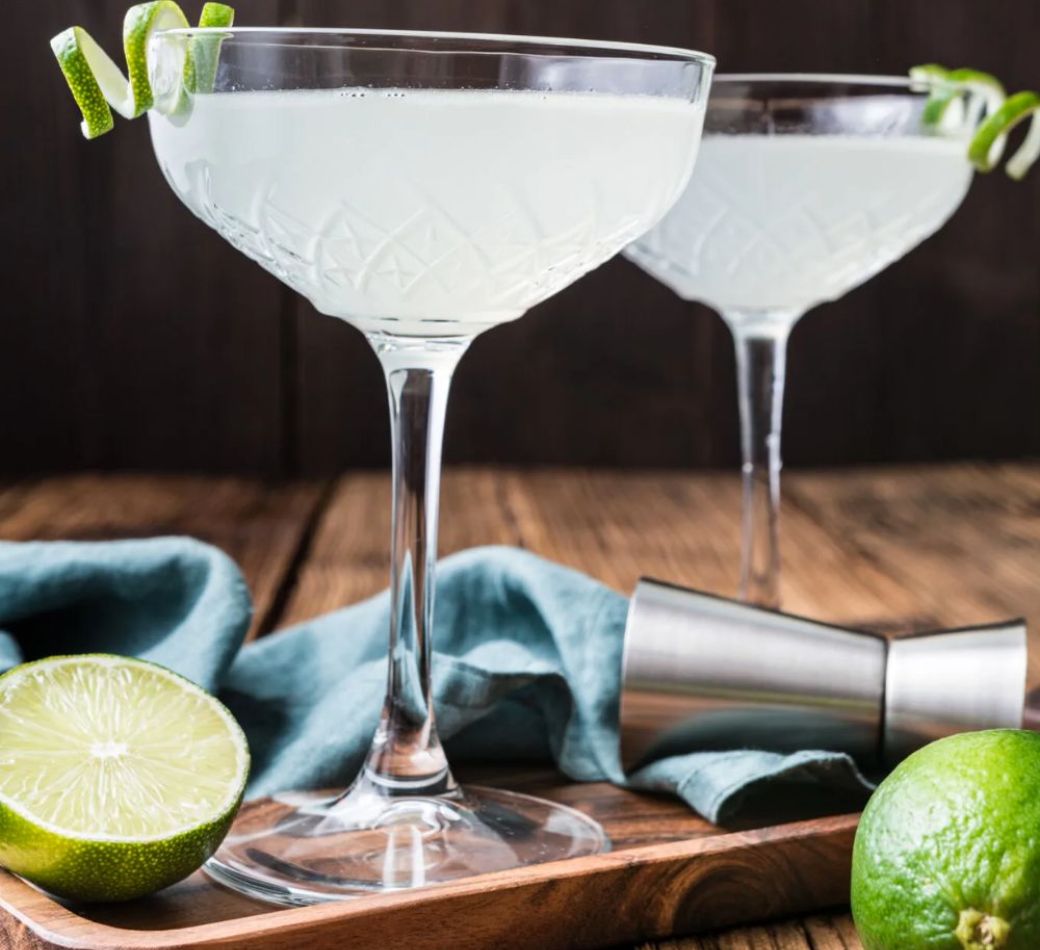
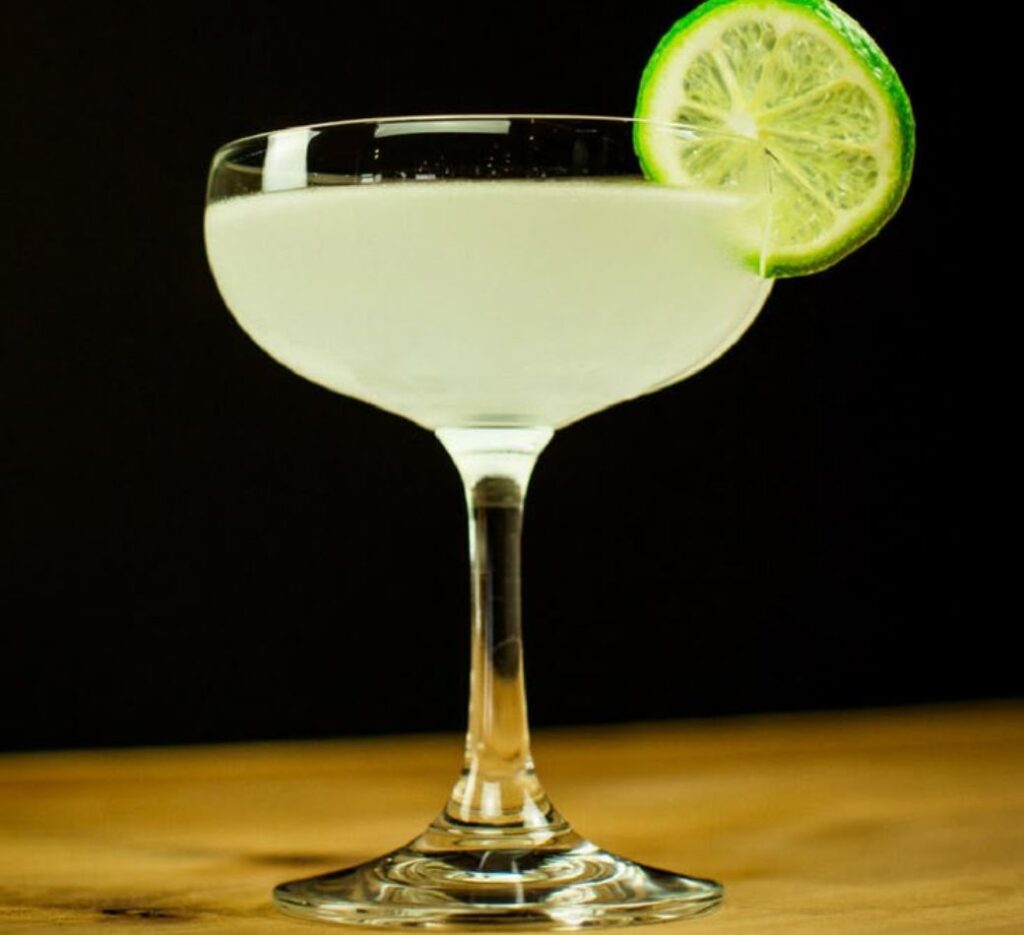
The gimlet gin drink combines gin, lime, and sweetness in a simple but highly balanced cocktail. The classic version relies on a clean gin profile, bright lime flavor, and enough sugar to soften the citrus.
This guide explains the classic gin gimlet recipe, the best gin styles to use, fresh lime versus Rose’s-style cordial, proper dilution, garnish ideas, variations, and more.
What Is a Gin Gimlet?
The cocktail tastes:
- Bright and citrusy
- Juniper-forward
- Sweet but tart
- Smooth and refreshing
- Stronger than many fruit-based cocktails
Classic Gin Gimlet Recipe
The easiest way to make a classic-style gimlet starts with three ingredients.
Ingredients
| Ingredient | Amount |
|---|---|
| Gin | 2 oz |
| Fresh lime juice | ¾ oz |
| Rich simple syrup | ½ oz |
| Ice | As needed |
| Lime wheel | For garnish |
For a traditional cordial-style version, replace the fresh lime juice and syrup with a quality lime cordial and adjust the amount to taste.
How to Make a Gin Gimlet
- Add the gin, lime juice, and rich simple syrup to a cocktail shaker.
- Fill the shaker with ice.
- Shake firmly for about 10–12 seconds.
- Strain the cocktail into a chilled coupe or Nick and Nora glass.
- Garnish with a lime wheel or expressed lime peel.
Serve the drink immediately to preserve its chilled, fresh citrus character.
What Is the Best Gin for a Gimlet?
The best gin for gimlet depends on how much botanical character you want.
London Dry Gin
London Dry gin gives the cocktail a classic juniper-forward profile. Its strong botanical structure works especially well with fresh lime.
Look for gins that feature:
- Juniper
- Citrus peel
- Coriander
- Light spice
Plymouth-Style Gin
A softer, earthier gin can create a rounder gimlet. This style works well when you want the lime and sweetness to share the spotlight with the spirit.
Modern Botanical Gin
Modern gins often feature cucumber, floral notes, herbs, or fruit. These gins can produce interesting gimlets, but you should reduce the lime and sweetener when the botanicals taste delicate.
Navy Strength Gin
Navy-strength gin creates a bolder cocktail with a stronger alcohol presence. Use it when you want the gin to remain noticeable throughout the drink.
Quick Gin Comparison
| Gin Style | Flavor | Best For |
|---|---|---|
| London Dry | Juniper-forward | Classic gimlet |
| Plymouth-style | Earthy and smooth | Balanced gimlet |
| Modern botanical | Floral, herbal, or fruity | Creative variations |
| Navy Strength | Powerful and intense | Stronger gimlet |
What Is the Best Gin Gimlet Ratio?
The gin gimlet ratio controls the balance between alcohol, acidity, and sweetness.
A useful starting point uses:
2 parts gin : ¾ part lime : ½ part rich simple syrup
You can adjust that formula based on the gin and lime you use.
| Style | Gin | Lime | 2:1 Syrup |
|---|---|---|---|
| Tart | 2 oz | ¾ oz | ¼ oz |
| Balanced | 2 oz | ¾ oz | ½ oz |
| Sweeter | 2 oz | ¾ oz | ¾ oz |
| Gin-forward | 2½ oz | ¾ oz | ½ oz |
Fresh limes vary in acidity, so taste the mixture before you serve it when possible.
Fresh Lime Juice vs. Rose’s Lime Juice for a Gimlet
One of the biggest differences between modern and traditional-style gimlets comes from the lime component.
Fresh lime juice provides sharp acidity and fresh citrus aromas. Lime cordial provides sweetness, concentrated lime flavor, and a softer overall acidity.
Fresh Lime vs. Lime Cordial
| Feature | Fresh Lime Juice | Lime Cordial |
|---|---|---|
| Acidity | High | Lower |
| Sweetness | Very low | High |
| Citrus character | Fresh and bright | Concentrated and sweet |
| Consistency | Changes by fruit | More consistent |
| Best for | Modern gimlets | Traditional-style gimlets |
How to Make Homemade Lime Cordial
A homemade cordial can combine fresh lime juice with lime zest and sugar.
For a richer version, use a 2:1 rich simple syrup ratio as your starting point.
Basic Method
- Zest several fresh limes.
- Combine the zest with sugar.
- Allow the mixture to sit so the sugar extracts citrus oils from the peel.
- Add fresh lime juice.
- Stir until the sugar dissolves.
- Strain the mixture.
- Refrigerate it in a clean, sealed container.
The resulting cordial can provide more aromatic depth than plain lime juice and syrup.
For food-safety reasons, refrigerate homemade cordial and use clean equipment throughout the process.
The History of the Gin Gimlet
The gimlet has strong connections to British naval history. One commonly repeated account connects the cocktail’s name with Rear Admiral Sir Thomas Gimlette, a Royal Navy surgeon.
This history helps explain why lime cordial plays such an important role in traditional gimlet recipes.
Temperature and Dilution: Why Shaking Matters
The ice also adds water to the cocktail through dilution. That water softens the alcohol and helps the ingredients integrate.
A practical approach involves shaking with plenty of cold ice for roughly 10–15 seconds.
However, dilution depends on several factors, including:
- Ice size
- Ice temperature
- Shaker type
- Shaking technique
- Cocktail volume
- Room temperature
How to Shake a Gimlet Properly
- Add all liquid ingredients to the shaker.
- Add plenty of solid ice.
- Seal the shaker firmly.
- Shake with controlled, energetic movements.
- Stop once the drink becomes thoroughly chilled.
- Strain immediately.
Avoid shaking for an unnecessarily long time. Excessive dilution can make the cocktail taste thin.
Coupe Glass vs. Nick and Nora Glass
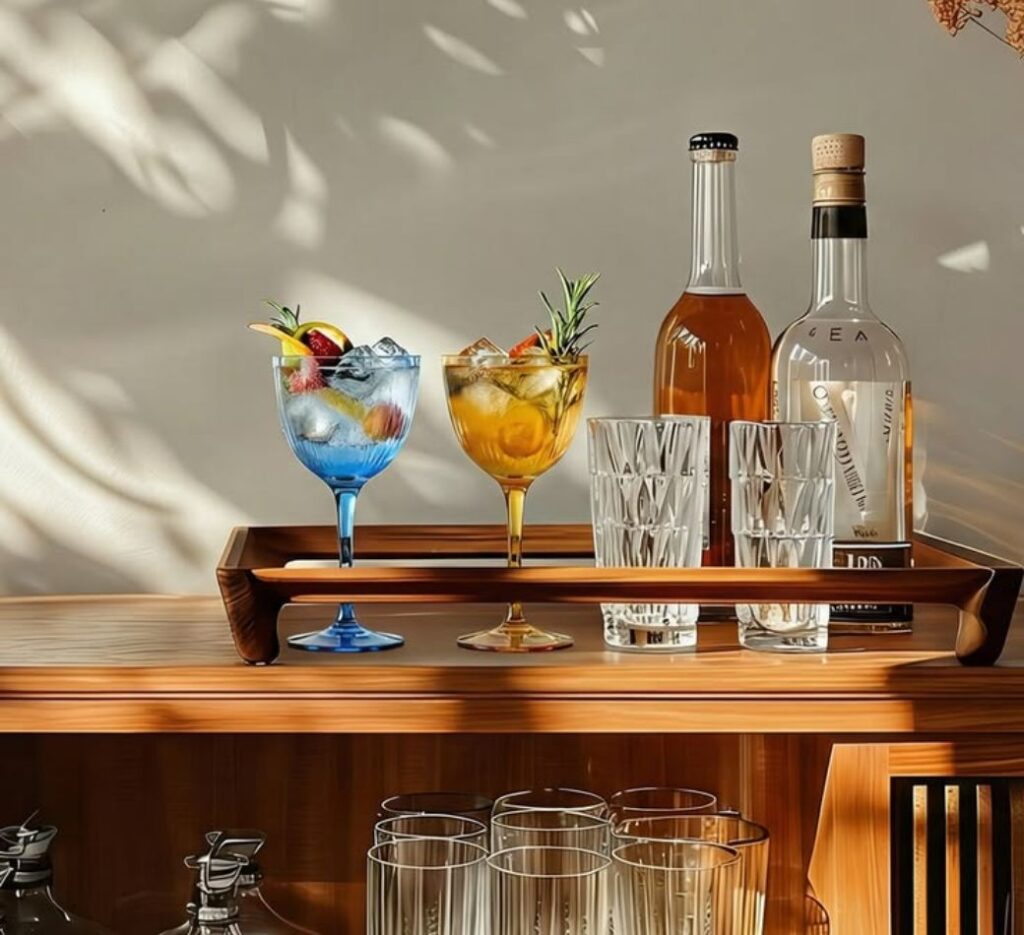
Both glasses work well for a gin gimlet.
Coupe Glass
A coupe gives the drink a classic cocktail appearance and provides a wide surface for aromatic expression.
Nick and Nora Glass
A Nick and Nora glass offers a smaller opening and elegant shape. It also makes the drink comfortable to hold.
Choose whichever glass you prefer. The glass affects presentation and aroma more than the fundamental flavor of the cocktail.
Gin Gimlet Garnish Ideas
Try:
- Lime wheel
- Lime wedge
- Expressed lime peel
- Thin cucumber ribbon
- Fresh basil leaf
- Small mint sprig
Gin Gimlet Variations
Once you understand the classic recipe, you can create several variations.
Basil Gin Gimlet
Add a few fresh basil leaves to the shaker and gently press them before adding the other ingredients.
Basil adds a green, herbal character that works particularly well with citrus-forward gin.
Cucumber Gin Gimlet
Use a cucumber-forward gin or muddle a few thin cucumber slices before shaking.
Finish with a cucumber ribbon for a refreshing presentation.
Herb Gimlet
Experiment with small amounts of:
- Rosemary
- Thyme
- Tarragon
- Mint
Use herbs carefully. Strong herbs can overpower the gin.
Floral Gimlet
A floral gin can create a softer version with notes of rose, lavender, or other botanicals.
Reduce the lime slightly if the gin already carries delicate floral aromas.
Gin vs. Vodka Gimlet
Both versions work, but they produce very different drinks.
| Feature | Gin Gimlet | Vodka Gimlet |
|---|---|---|
| Base spirit | Gin | Vodka |
| Botanical flavor | Stronger | Minimal |
| Juniper | Present | Absent |
| Lime impact | Balanced with botanicals | More prominent |
| Overall character | Complex | Clean and neutral |
A gin gimlet gives you more botanical complexity. A vodka gimlet lets the lime and sweetness dominate.
If you enjoy classic cocktails, start with gin.
How Many Calories Are in a Gin Gimlet?
A gin gimlet usually gets most of its calories from the gin and sweetener.
Your final calorie count depends on:
- Gin amount
- Gin’s alcohol content
- Syrup quantity
- Cordial quantity
- Recipe size
For a more precise estimate, calculate the calories from each ingredient separately.
How to Balance a Gimlet
A well-balanced gimlet should not taste like straight lime juice or pure gin.
Using Too Much Lime
Excess lime can overwhelm the gin and make the drink aggressively sour.
Using Warm Ingredients
Cold ingredients and cold ice help you reach the right serving temperature quickly.
Choosing an Overpowering Sweetener
A strongly flavored syrup can hide the botanical character of the gin.
Skipping the Taste Test
Limes vary naturally. Always account for differences in acidity and sweetness.
Frequently Asked Questions
What is the classic gin gimlet ratio?
A useful modern starting ratio uses 2 oz gin, ¾ oz lime juice, and ½ oz rich simple syrup. You can adjust the balance based on the gin and lime.
Can I use vodka instead of gin?
Yes. Vodka creates a cleaner and more neutral drink, while gin adds botanical and juniper flavors.
What glass should I use for a gimlet?
A chilled coupe or Nick and Nora glass works well. Both provide an elegant presentation for a served-up gimlet.
How do I make a gimlet less sweet?
Reduce the syrup or cordial and increase the fresh lime slightly. Make small adjustments until you reach the balance you prefer.
Can I make a gimlet with homemade lime cordial?
Yes. Homemade lime cordial lets you control the sweetness and citrus intensity. Store it refrigerated and use clean preparation practices.
Final Thoughts
The gimlet gin drink proves that a simple cocktail can deliver impressive depth. Gin provides the botanical backbone, lime creates acidity, and the sweetener brings the two together.