
If you plan to drink alcohol in Canada, you need to know one important fact: Canada does not have one national legal drinking age. Each province and territory sets its own rules for buying, possessing, consuming, and supplying alcohol.
In 2026, Alberta, Manitoba, and Quebec set the legal drinking age at 18. Every other province and territory sets it at 19.
This guide explains the legal drinking age in Canada by province and territory, answers whether 18-year-olds can drink in Canada, explains Canadian liquor laws for tourists, and covers ID, fake IDs, provincial borders, public drinking, and impaired driving.
What Is the Legal Drinking Age in Canada?
Canada has two main legal drinking-age thresholds: 18 and 19.
Three provinces allow adults to purchase and consume alcohol at 18:
- Alberta
- Manitoba
- Quebec
The remaining provinces and territories set the minimum legal age at 19:
- British Columbia
- New Brunswick
- Newfoundland and Labrador
- Northwest Territories
- Nova Scotia
- Nunavut
- Ontario
- Prince Edward Island
- Saskatchewan
- Yukon
The Canadian Centre on Substance Use and Addiction confirms that each province and territory establishes its own legal drinking age.
Why Does Canada Have Different Drinking Ages?
Provincial and territorial governments regulate many aspects of alcohol. They establish rules for purchasing, possessing, consuming, supplying, and selling alcoholic beverages.
That means Canada does not follow a single federal drinking-age rule.
The federal government still regulates areas such as criminal impaired-driving offences and federal excise duties, while provinces and territories manage many practical alcohol rules.
Legal Drinking Age by Province and Territory in Canada
Use this table as a quick reference.
| Province/Territory | Legal Drinking Age | Can an 18-Year-Old Buy Alcohol? |
|---|---|---|
| Alberta | 18 | Yes |
| British Columbia | 19 | No |
| Manitoba | 18 | Yes |
| New Brunswick | 19 | No |
| Newfoundland and Labrador | 19 | No |
| Northwest Territories | 19 | No |
| Nova Scotia | 19 | No |
| Nunavut | 19 | No |
| Ontario | 19 | No |
| Prince Edward Island | 19 | No |
| Quebec | 18 | Yes |
| Saskatchewan | 19 | No |
| Yukon | 19 | No |
The current national breakdown places Alberta, Manitoba, and Quebec at 18 and every other province and territory at 19.
Can 18-Year-Olds Drink in Canada?
Yes, but only in provinces that set the legal drinking age at 18.
An 18-year-old can generally legally purchase alcohol in Alberta, Manitoba, and Quebec, subject to the specific provincial rules that govern the sale and consumption of alcohol.
An 18-year-old cannot simply rely on being legally an adult in one province and assume the same alcohol rights apply everywhere.
For example:
- An 18-year-old can legally purchase alcohol in Alberta.
- An 18-year-old can legally purchase alcohol in Manitoba.
- An 18-year-old can legally purchase alcohol in Quebec.
- An 18-year-old cannot legally purchase alcohol in Ontario.
- An 18-year-old cannot legally purchase alcohol in British Columbia.
- An 18-year-old cannot legally purchase alcohol in Saskatchewan.
Ontario law specifically prohibits people under 19 from possessing, consuming, attempting to purchase, purchasing, or otherwise obtaining liquor, subject to limited exceptions.
Alberta Drinking Age
What Is the Drinking Age in Alberta?
The legal drinking age in Alberta is 18.
An 18-year-old can legally purchase alcohol under Alberta’s provincial liquor framework. Alberta also allows adults to personally bring liquor into the province from another Canadian province or territory for personal use without a stated quantity limit under its personal-importation policy.
However, Alberta residents and visitors still need to follow rules covering licensed premises, public consumption, impaired driving, and supplying alcohol to minors.
Ontario Drinking Age
Can an 18-Year-Old Drink in Ontario?
An 18-year-old who can legally drink in Quebec or Alberta cannot use that fact to purchase or consume alcohol legally in Ontario.
The relevant rule comes from the province where the person consumes or purchases the alcohol.
Drinking Age in Quebec
What Is the Drinking Age in Quebec?
Quebec sets the legal drinking age at 18.
The Quebec government confirms that people must reach 18 to exercise certain adult rights, including the right to buy alcohol.
This makes Quebec one of only three Canadian provinces where people can legally purchase alcohol at 18.
Does Quebec’s 18-Year Drinking Age Apply to Tourists?
Yes. The provincial age rule applies to visitors as well as residents.
An 18-year-old tourist who meets Quebec’s identification and other legal requirements can purchase alcohol. However, the same person must follow the legal drinking age when visiting another province.
Manitoba Drinking Age
Manitoba sets the legal drinking age at 18.
The Manitoba government states that Canada has no federally defined drinking age and confirms that Manitoba uses an 18-year threshold. Adults who appear close to the legal age may need to show valid photo identification when purchasing alcohol.
Manitoba law also restricts people from selling, giving, or otherwise supplying liquor to people under 18, subject to statutory exceptions.
Why Does the Legal Drinking Age Change at the Provincial Border?
Canada’s alcohol system creates an important distinction between federal law and provincial liquor law.
A person can legally drink at 18 in Quebec but face different rules after crossing into Ontario. The same principle applies when someone travels between Alberta and Saskatchewan.
Think of the rule this way:
Your legal alcohol rights depend on the jurisdiction where you buy, possess, consume, or receive alcohol.
Do not assume that your age qualification in one province automatically gives you the same alcohol rights in another.
Age of Majority vs. Legal Drinking Age in Canada
People often confuse the age of majority with the legal drinking age.
They do not always match.
For example, Ontario sets the age of majority at 18, but Ontario still requires people to reach 19 before they can legally purchase or consume alcohol under its liquor laws.
This distinction explains why an 18-year-old can become a legal adult in Ontario without gaining the legal right to buy alcohol.
The federal government’s published age-of-majority information also shows that provinces use different age-of-majority rules.
Quick Comparison
| Legal concept | Meaning |
|---|---|
| Age of majority | The age when provincial law generally recognizes a person as an adult |
| Legal drinking age | The minimum age for alcohol activities under provincial/territorial liquor laws |
| Federal voting age | 18 |
| Alcohol age | 18 or 19, depending on the province or territory |
Canadian Liquor Laws for Tourists
Tourists should learn more than the drinking age before ordering alcohol.
Provincial rules can also cover:
- Acceptable identification
- Alcohol sales
- Licensed premises
- Public consumption
- Supplying alcohol to minors
- Alcohol possession
- Delivery
- Importation
- Driving after drinking
- Fake identification
- Local restrictions
Fake ID Consequences in Canada
Using a fake or altered ID can create serious legal and practical problems.
Other provinces maintain their own rules and penalties.
A person should never use:
- A borrowed driver’s licence
- An altered ID
- A forged passport
- A fake provincial ID
- Someone else’s identification
A retailer or police officer can seize questionable identification or alcohol, and the person can face additional consequences depending on the jurisdiction.
Can You Bring Alcohol Across Provincial Borders?
Interprovincial alcohol rules have become more complicated because Canada has recently expanded direct-to-consumer alcohol trade between provinces.
In July 2026, Ontario and several other provinces announced an agreement designed to expand direct-to-consumer sales of alcoholic beverages between participating provinces for personal use.
Alberta already states that adults can personally bring liquor from another Canadian province or territory into Alberta in any quantity for personal use under its policy.
However, interprovincial movement of alcohol does not mean every province has identical rules.
Before transporting large quantities, ordering alcohol from another province, or moving alcohol for commercial purposes, check the destination province’s current rules.
Provincial Border Alcohol Limits
Do not confuse Canadian provincial-border rules with international customs rules.
When you enter Canada from another country, the Canada Border Services Agency applies federal border requirements, including declaration and personal-exemption rules for alcohol.
A trip from Quebec to Ontario does not create the same customs process as a trip from the United States into Canada.
Public Drinking Laws in Canada
Canada does not have one national public-drinking rule that applies identically everywhere.
Provinces, territories, municipalities, parks, beaches, event organizers, and licensed premises can impose different restrictions.
Before drinking outdoors, check the local rules for the exact location.
A person should never assume that an open alcoholic drink automatically qualifies as legal just because the person meets the provincial drinking age.
Alcohol and Driving Laws in Canada
Meeting the legal drinking age does not give someone permission to drive after drinking.
Canada’s Criminal Code makes it an offence to operate a conveyance while alcohol impairs the person’s ability to operate it. The Criminal Code also establishes a federal offence for operating with a blood alcohol concentration at or above 80 mg of alcohol per 100 mL of blood within the specified two-hour framework.
Provinces and territories also impose additional administrative and licensing rules.
Zero-Tolerance Rules for Young Drivers
Young and novice drivers can face stricter rules than fully licensed adult drivers.
For example, Ontario requires zero alcohol for drivers who are 21 or younger and for drivers with G1, G2, M1, or M2 licences.
British Columbia also applies zero-blood-alcohol restrictions to drivers in its graduated licensing system.
This creates an important distinction:
Legal drinking age ≠ legal driving limit.
Someone who legally drinks at 18 may still face strict or zero-alcohol driving restrictions.
Cross-Province Border-Hopping: What the Laws Actually Tell Us
Ottawa-Gatineau provides a useful example because Ontario and Quebec use different drinking ages.
An 18-year-old can legally purchase alcohol in Quebec but cannot legally purchase alcohol in Ontario.
Lloydminster provides another useful comparison because the city sits on the Alberta-Saskatchewan border. Alberta uses an 18-year drinking age, while Saskatchewan uses 19.
These locations illustrate why border communities must communicate provincial rules clearly.
Does Different Legal Ages Cause More Binge Drinking?
Researchers have studied minimum legal drinking ages and alcohol-related harms in Canada, but readers should avoid assuming that every border-town traffic spike or emergency-room visit results from age differences.
A rigorous analysis would need:
- Comparable population data
- Age-specific hospital data
- Alcohol-attributable diagnoses
- Police data
- Border-crossing or traffic data
- Comparable time periods
- Controls for tourism and population differences
- Statistical testing
Without those controls, a simple comparison could create a misleading causal claim.
Original Data Analysis: Comparing 18-Year and 19-Year Provinces
A useful way to study Canada’s drinking-age system involves comparing people immediately before and after the legal threshold.
For example, researchers could examine ages 18 and 19 across provinces with different legal drinking ages.
| Research group | 18-limit provinces | 19-limit provinces |
|---|---|---|
| Legal age | 18 | 19 |
| Key provinces | Alberta, Manitoba, Quebec | Ontario, Saskatchewan, B.C., etc. |
| Transition age | 18 → legally eligible | 18 → remains below legal age |
| Comparison opportunity | Examine changes after eligibility | Examine changes after eligibility |
| Important controls | Population, sex, income, urbanization, tourism | Same controls |
CIHI publishes mental-health and substance-use data tables that include information on emergency-department visits and hospitalizations for children and youth.
However, a responsible article should not invent a precise 18-vs-19 hospital-admission difference unless the underlying CIHI dataset provides the necessary alcohol-specific, age-specific, province-level figures.
What This Analysis Can Tell Us
A properly designed study could examine whether alcohol-related hospital use changes around the legal-age threshold.
However, researchers must separate:
- Correlation from causation
- Alcohol-specific admissions from all substance-related admissions
- Population differences from legal-age effects
- Urban effects from provincial effects
- Tourism effects from resident behavior
This approach produces stronger evidence than simply comparing three 18-limit provinces with ten 19-limit jurisdictions.
Border Security & ID Verification Stress-Test
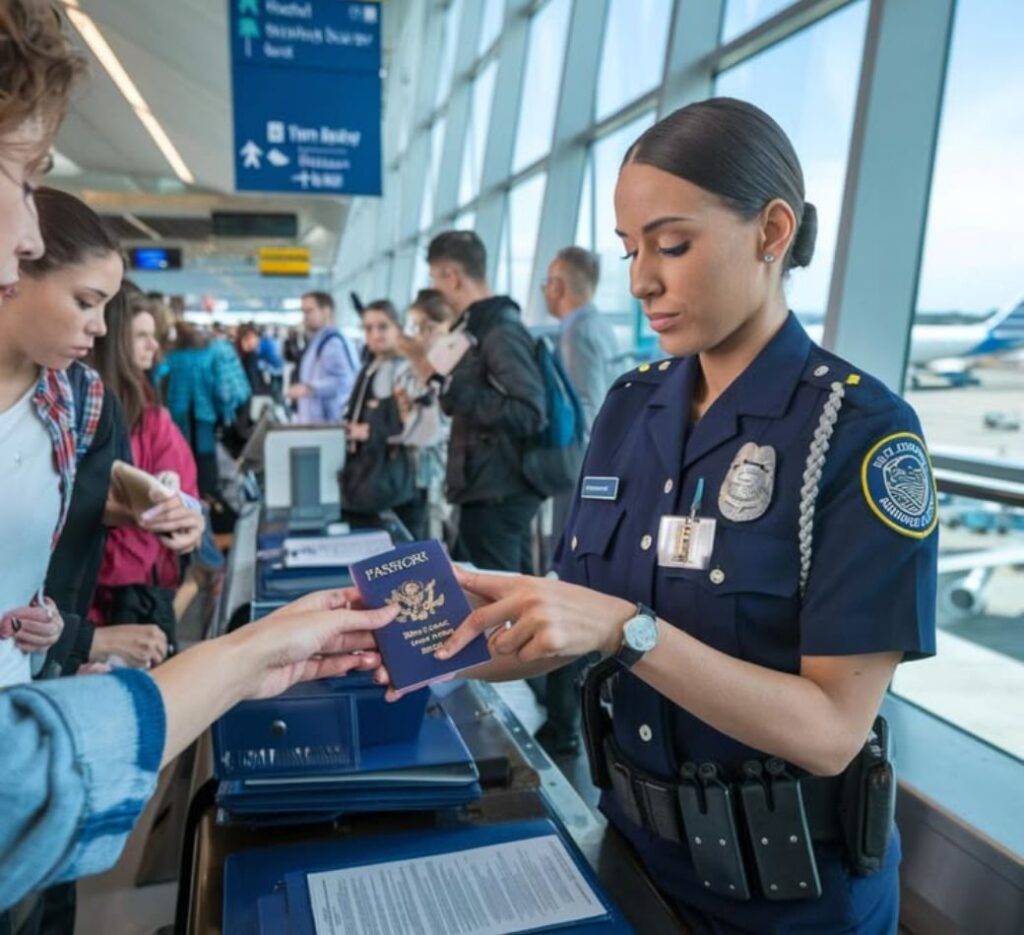
A useful compliance methodology can compare how alcohol retailers and licensed establishments verify age.
Major provincial systems include organizations such as:
- AGLC in Alberta
- LCBO in Ontario
- SAQ in Quebec
The goal should not involve attempting to bypass ID controls. Instead, researchers can evaluate publicly documented verification standards.
Suggested Evaluation Criteria
| Criterion | What to Examine |
|---|---|
| Primary ID | Accepted government-issued documents |
| Passport acceptance | Whether regulations recognize passports |
| Secondary ID | Whether the province requires or permits additional ID |
| Age threshold | 18 or 19 |
| Appearance-based checks | Whether stores use age-based screening |
| Refusal policy | When staff must refuse service |
| Fake-ID controls | Rules against altered or fraudulent documents |
| Staff training | Responsible-service requirements |
| Enforcement | Inspection, testing, fines, or licence action |
British Columbia provides a useful example because its regulations specify acceptable identification and its regulator conducts compliance inspections and enforcement activities.
Saskatchewan also operates a “Check 25” identification program that can require customers who appear under 25 to provide identification.
These examples show why a young-looking adult should expect an ID check even when they clearly exceed the legal drinking age.
Legal Drinking Age in Canada vs. the United States
The biggest difference involves the minimum purchase age.
The United States generally uses 21 as the minimum legal drinking age for alcohol purchases, while Canada uses 18 or 19, depending on the province or territory.
| Country | Common Minimum Legal Purchase Age |
|---|---|
| Canada | 18 or 19 |
| United States | 21 |
However, tourists should not assume that Canadian rules automatically apply after crossing into the United States.
Likewise, an American visitor cannot use the U.S. drinking age to determine Canadian eligibility.
Always follow the law of the jurisdiction where you currently are.
Important Alcohol Rules for International Visitors
Tourists can avoid many problems by following a simple checklist.
- Check the legal drinking age in the province.
- Carry valid government-issued photo ID.
- Use your own identification.
- Check whether the establishment accepts your document.
- Follow the retailer’s age-verification process.
Before Drinking in Public
- Check local municipal rules.
- Check park and beach restrictions.
- Follow event-specific alcohol rules.
- Keep alcohol within authorized areas.
Before Driving
- Declare goods when you cross an international border.
- Keep receipts for alcohol purchased outside Canada when customs rules require them.
Common Mistakes People Make About Canadian Drinking Laws
Mistake 1: “Canada’s drinking age is 18.”
Not everywhere.
Alberta, Manitoba, and Quebec use 18. Every other province and territory uses 19.
Mistake 2: “The age of majority equals the drinking age.”
Not always.
Ontario demonstrates the difference because it recognizes 18 as the age of majority but requires 19 for alcohol.
Mistake 3: “If I can drink legally in Quebec, I can drink legally in Ontario.”
No.
You must follow the alcohol laws that apply in Ontario when you enter Ontario.
Mistake 4: “Legal drinking means legal drinking and driving.”
No.
Federal criminal law and provincial driving rules can impose serious restrictions and penalties.
| Question | Answer |
|---|---|
| Does Canada have one drinking age? | No |
| Minimum age in Alberta | 18 |
| Minimum age in Manitoba | 18 |
| Minimum age in Quebec | 18 |
| Minimum age everywhere else | 19 |
| Can an 18-year-old drink in Quebec? | Yes, subject to Quebec law |
| Can an 18-year-old buy alcohol in Ontario? | No |
| Should tourists carry photo ID? | Yes |
| Can people use fake IDs? | No |
| Can legal drinkers drive after drinking? | They must follow impaired-driving laws |
| Do young drivers face stricter rules? | Yes, in several jurisdictions |
| Does every province allow public drinking? | No; local and provincial restrictions apply |
FAQs About the Legal Drinking Age in Canada
What is the legal drinking age in Canada in 2026?
Canada uses two legal drinking-age thresholds. Alberta, Manitoba, and Quebec set the age at 18. All other provinces and territories set it at 19.
Can an 18-year-old drink alcohol in Canada?
Yes, an 18-year-old can legally purchase and consume alcohol in Alberta, Manitoba, and Quebec, subject to each province’s rules. An 18-year-old cannot legally purchase alcohol in provinces and territories that use a 19-year threshold.
What is the Alberta drinking age?
Alberta sets the legal drinking age at 18.
What is the Ontario drinking age?
Ontario sets the legal drinking age at 19. Ontario law restricts people under 19 from possessing, consuming, purchasing, or attempting to purchase liquor, subject to specific exceptions.
What is the drinking age in Quebec?
Quebec sets the legal drinking age at 18.
What is the Manitoba drinking age?
Manitoba sets the legal drinking age at 18.
Can tourists buy alcohol in Canada?
Yes. Tourists can buy alcohol when they meet the legal age and satisfy the applicable identification requirements in the province or territory.
Can I use my passport as ID?
A passport can serve as acceptable age identification in several provincial systems. For example, British Columbia’s regulations expressly list passports among prescribed identification documents.
Can I use a fake ID to buy alcohol in Canada?
No. Provinces prohibit or penalize the use of altered, forged, fraudulent, or another person’s identification for age verification. British Columbia explicitly prohibits these practices.
Can I drink alcohol in public in Canada?
It depends on the province, municipality, park, beach, event, and location. Always check local rules before drinking in a public place.
Can I drive after drinking if I am 18 or 19?
You should never assume that reaching the legal drinking age gives you permission to drive after drinking. Federal law prohibits impaired operation, and provinces can impose stricter rules on young, novice, and other drivers.
Is the Canadian drinking age the same as the U.S. drinking age?
No. Canada generally uses 18 or 19, while the United States generally uses 21 for alcohol purchases.
Conclusion
The legal drinking age in Canada is 18 or 19, depending on where you are.
Alberta, Manitoba, and Quebec allow alcohol purchases at 18. British Columbia, Ontario, Saskatchewan, and every other province and territory set the age at 19.
The most important lesson for residents, students, and tourists involves the provincial nature of Canadian liquor laws. Your legal drinking age can change when you cross a provincial border, and separate rules can govern ID, public consumption, alcohol supply, interprovincial purchases, and driving.
If you plan to drink in Canada, check the rules for your specific province, carry valid identification, never use a fake ID, and never drive while impaired.
Author Note
Written by: Marcus Vance, B.A. in Political Science & Regulatory Compliance Specialist
Credentials & Experience: Marcus is presented as a compliance analyst and investigative researcher specializing in cross-jurisdictional alcohol regulation, federal-provincial legislative frameworks, and hospitality compliance.
Important editorial note: Publishers should verify all professional credentials, employment history, consulting relationships, lectures, and claims of regulatory-body citations before publishing this biography as factual author information.